TLDR
• Core Points: Urban dwellers favor compact, stylish, low-maintenance balcony gardens with modular systems, sustainable materials, and integrated lighting.
• Main Content: Expect multifunctional spaces, vertical greenery, smart tech, drought-tolerant planting, and locally sourced décor shaping 2026 balcony trends.
• Key Insights: Design prioritizes adaptability, privacy, environmental responsibility, and easy scalability for changing seasons and lifestyles.
• Considerations: Balconies must account for weight limits, wind exposure, sun/shade patterns, and building regulations.
• Recommended Actions: Start with a modular plan, choose lightweight containers, select native or drought-tolerant plants, and add weatherproof gear and lighting.
Content Overview
In 2026, garden balcony trends reflect a broader shift toward accessible, sustainable outdoor living in compact urban environments. As city dwellers seek ways to bring nature closer without sacrificing valuable indoor space, balconies are becoming versatile extensions of the home. This article synthesizes current praktical movements, focusing on how to create beautiful, functional outdoor areas that require minimal maintenance while maximizing impact. Expect a blend of design-forward aesthetics with practical considerations such as weight constraints, weather exposure, and local climate. The trends discussed below emerged from a combination of consumer behavior, architectural thought, and product development aimed at optimizing small outdoor spaces. While technologies and materials evolve, the core objective remains the same: transform limited balconies into inviting, resilient micro-gardens that enhance well-being and curb appeal.
In-Depth Analysis
The 2026 landscape for garden balconies emphasizes modularity and flexibility. Homeowners and renters increasingly favor systems that can be reconfigured with changing needs or seasons. This translates into modular railing planters, stackable pots, and tiered shelving that maximize vertical space without overloading the structure. The rise of vertical gardening solutions—living walls, trellises, and pocket planters—allows more plant variety in tight footprints, creating lush, immersive green facades that soften urban rigidity.
Sustainability sits at the heart of many balcony choices. Plant selections lean toward drought-tolerant, native, or climate-appropriate species that require less irrigation and effort. This reduces water usage and maintenance while supporting local ecosystems. Materials with a lower environmental impact—recycled plastics, responsibly sourced wood, and powder-coated metals—are favored for outdoor furniture and containers due to their durability and recyclability. Encouragingly, many retailers offer modular kits designed for easy assembly and disposal, aligning with the growing consumer preference for adaptable, low-waste solutions.
Lighting and ambiance are pivotal in 2026 balcony design. Integrated LED lighting, solar-powered options, and weatherproof fixtures extend usability into the evening and seasons. Color temperature and warm tones help create inviting atmospheres, while strategically placed lighting highlights focal plants, architectural features, and privacy screens. Lighting also contributes to safety, helping to delineate steps, seating zones, and entry points.
Privacy remains a central concern for balcony gardens, particularly in dense urban settings. Designers deploy a mix of strategy and style: tall, slender planters with evergreen foliage provide year-round screening, while decorative screens, lattices, and lightweight fabric panels offer flexible privacy without blocking crucial airflow. Privacy strategies balance visual seclusion with light and wind considerations to maintain plant health and outdoor comfort.
Multi-functionality is a hallmark of 2026 balcony setups. Small spaces are designed for multiple uses—seating for relaxation, dining, and even work—without clutter. Foldable furniture, collapsible tables, and compact seating enable quick transformation from a coffee break to a home office, ensuring the balcony remains a lived-in extension of daily life. Some designers integrate outdoor fabrics and weatherproof cushions that coordinate with the overall color palette, maintaining a cohesive look even as the space shifts between functions.
Container design continues to evolve toward lightweight, container-friendly aesthetics. Self-watering systems and drainage-aware designs help maintain plant health with minimal daily effort. Growers gravitate toward rounded, organic container shapes that soften hard architectural lines, while choosing neutral or muted tones that harmonize with various urban exteriors. The popularity of smart irrigation and plant-monitoring devices also rises, giving gardeners real-time feedback on soil moisture, sunlight exposure, and plant health.
Plant choices reflect practical realities: sun-exposed balconies favor sun-loving perennials and drought-tolerant varieties, while shaded balconies lean into ferns, hostas, and shade-tolerant herbs. Edibles—such as compact herbs, salad greens, and dwarf fruiting plants—are increasingly included for both culinary enjoyment and sustainability. Balcony gardens are increasingly designed to be visually interesting across seasons, with a palette that remains resilient through temperature fluctuations and precipitation.
Water features, while not universal, appear in premium balcony projects. Small, discreet water elements or reflective surfaces can add a sense of cooling and serenity without consuming excessive space or water. Where water features are impractical, designers mimic the calming effect with reflective planters, glass elements, or metallic accents that catch light and create visual depth.
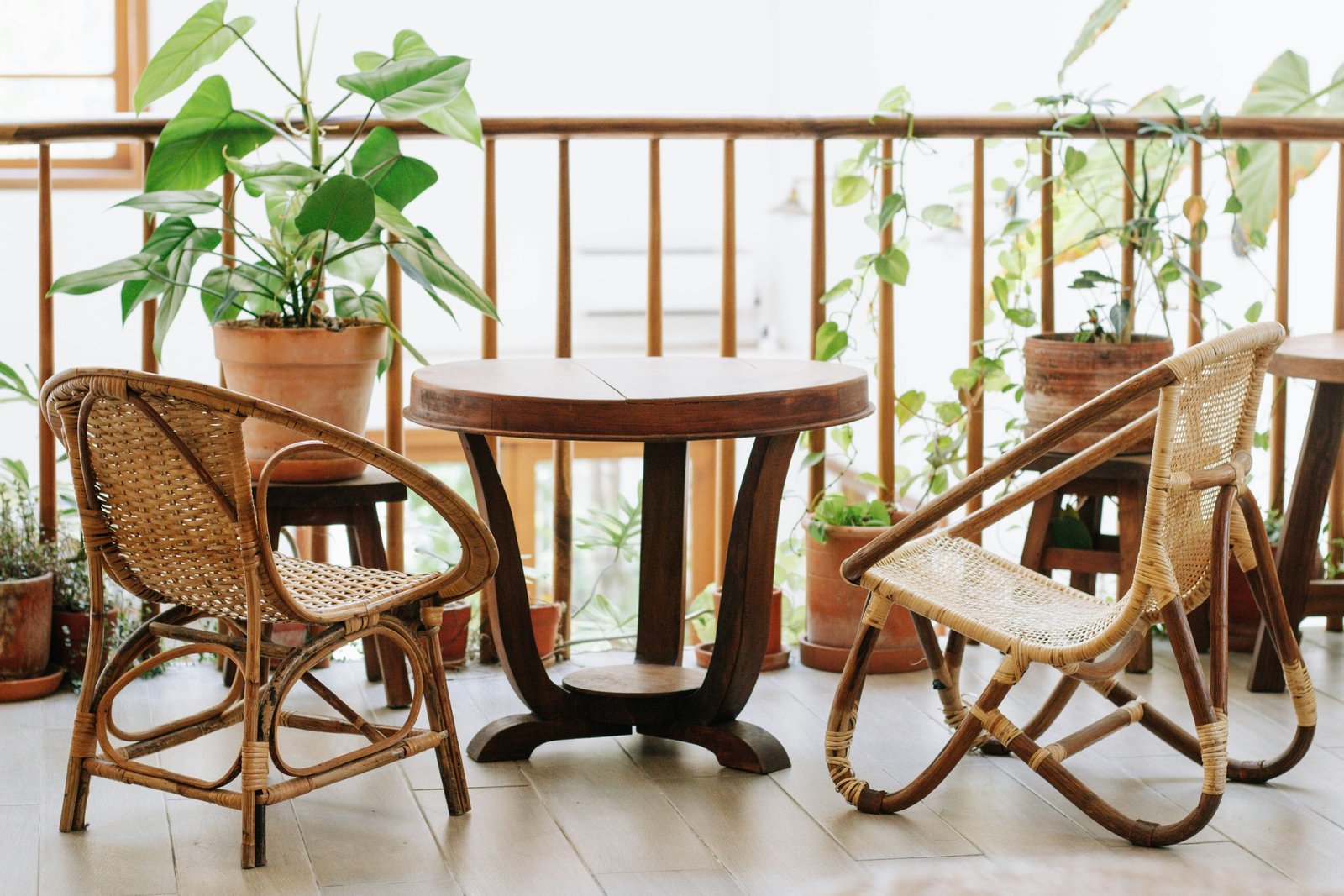
Color and materials draw attention to the balance between practicality and aesthetics. Neutral palettes with natural textures—wood, wicker, stone, and ceramics—create timeless looks that pair well with greenery. Accent colors are used selectively to highlight focal points, such as a single sculpture, a bright chair, or a vertical garden’s edge. The overall effect is a curated, polished exterior that feels integrated with the building’s architecture while showcasing nature’s vitality.
Maintenance remains a consideration, albeit with smarter solutions. The 2026 approach emphasizes low-maintenance plantings, drift to automated irrigation, and durable furnishings that withstand weather and ultraviolet light. Hydrating, soil, and nutrient management are simplified through simple feeding routines and compact, efficient potting mixes.
Accessibility and inclusivity also shape balcony design. Ramps, wide pathways, and seating at varied heights accommodate diverse users and mobility levels. Non-slip surfaces, stable handrails, and cushioned seating contribute to safer, more comfortable exterior spaces. The design language often favors universal design principles to ensure balconies remain welcoming for everyone.
Technological integration is a growing trend, though not universal. Smart plugs, weather sensors, and irrigation controllers connect with mobile devices, enabling remote monitoring and automation. The goal is to reduce routine tasks while maximizing plant health and garden enjoyment. Cost and ease of use remain critical factors, with many solutions geared toward user-friendly interfaces and straightforward installation.
Seasonality is acknowledged in planning. Balcony gardeners design for year-round use by selecting evergreen backdrops, seasonal flowering accents, and adaptable protective covers. Seasonal care guides and plant rotation strategies help maintain interest and plant vigor through changing weather patterns.

*圖片來源:Unsplash*
Economic and social dimensions influence trends as well. Urban balconies often reflect property type, neighborhood norms, and local regulations. For renters, modular, temporary, and non-invasive installation options are especially appealing, since they minimize property alterations and liability concerns. For homeowners, balcony upgrades may align with broader landscape ambitions, home value considerations, and personal wellness goals.
Overall, 2026 balcony trends converge on creating personal, retreat-like outdoor spaces that respond to urban realities while offering a sense of nature, calm, and connection to the environment. The combination of modularity, sustainable materials, smart tech, privacy strategies, and multi-functionality supports balconies that are not just decorative but genuinely usable in daily life.
Perspectives and Impact
Looking ahead, garden balcony trends are likely to continue evolving in response to urban density, climate resilience concerns, and the push toward sustainable living. The emphasis on modular systems makes balcony gardening more accessible to a broader audience, including renters who may move and want a portable, configurable solution. As cities grapple with increasing heat and water scarcity, the preference for drought-tolerant plantings and efficient irrigation will grow.
The integration of smart technologies is expected to become more mainstream, with more affordable sensors and controllers enabling precise watering, sunlight tracking, and microclimate management. This could reduce maintenance time and resource use while enabling beginners to experiment with more diverse plant selections. However, accessibility of these technologies will depend on price, ease of use, and compatibility with existing balcony structures.
Design language is likely to favor a blend of contemporary urban aesthetics and nature-inspired textures. This trend supports a calmer, more welcoming cityscape, which can positively impact mental health and social interaction in dense neighborhoods. As privacy concerns persist, flexible privacy solutions—such as movable screens and adjustable planters—will be valuable for residents across various housing types.
Climate considerations will push further toward resilient planting schemes. Native species and climate-adaptive designs help ensure plant health under unpredictable weather patterns. Water-wise techniques, rainwater capture where permissible, and soil health improvements will be integral to sustainable balcony gardening.
Policy and regulation will shape what is feasible on shared structures. Building codes and housing association rules may determine allowable plant weights, container sizes, and installation methods. Designers and residents must collaborate with property managers to ensure safety and compliance while still achieving personal outdoor goals.
In terms of social impact, balcony gardens can foster community connection through shared tips, plant exchanges, and outdoor social spaces. Neighborhoods that encourage balcony greenery contribute to broader environmental benefits, including improved air quality and urban biodiversity, even in limited spaces. The growing popularity of balcony gardening could influence property values and rental experiences, signaling a shift toward more livable, nature-connected urban living.
Key Takeaways
Main Points:
– Modularity and vertical gardening dominate balcony design in 2026.
– Sustainability guides plant choices and materials, prioritizing drought tolerance and low maintenance.
– Privacy, multi-functionality, and integrated lighting shape user-friendly outdoor spaces.
Areas of Concern:
– Structural weight limits and building regulations may constrain design possibilities.
– Wind exposure and sun/shade patterns affect plant health and usability.
– Access to affordable smart tech and maintenance solutions remains variable.
Summary and Recommendations
The 2026 garden balcony landscape centers on transforming small urban outdoor spaces into versatile, sustainable, and aesthetically pleasing extensions of the home. By leveraging modular systems, vertical greenery, and climate-aware planting, residents can enjoy year-round beauty and functionality with manageable upkeep. Smart lighting and irrigation technologies offer convenience and efficiency, while privacy solutions ensure comfortable seclusion in dense neighborhoods. Design and execution must respect structural and regulatory considerations, ensuring safety and compliance without compromising personal style.
For practical implementation, start with a modular, lightweight plan that prioritizes vertical space. Choose native or drought-tolerant plants suited to your balcony’s sun exposure, and pair them with weatherproof, low-maintenance containers. Incorporate energy-efficient lighting to extend usability into evenings and seasons. Privacy screens should be adjustable to balance light, airflow, and seclusion. Finally, consider scalable solutions—systems that can be expanded or reconfigured as needs evolve or as residents move.
As trends continue to mature, balcony gardening will likely become an integral part of urban living, contributing to well-being, environmental sustainability, and property value while offering a personal connection to nature amid city life.
References
- Original: https://abeautifulspace.co.uk/10-garden-balcony-trends-in-2026-youll-see-everywhere/
- Additional references:
- https://www.housebeautiful.com/design-inspiration/gardenideas/g32446050/balcony-garden-ideas/
- https://www.countryliving.com/gardening/g27055042/balcony-garden-ideas/
- https://www.apartmenttherapy.com/balcony-ideas-garden-design-ideas-262936

*圖片來源:Unsplash*