TLDR
• Core Points: 15 cushion trends expected to dominate 2026, spanning textures, colors, shapes, and sustainable materials.
• Main Content: Trends range from tactile fabrics and oversized forms to hybrid uses and podium-style arrangements, with practical styling tips.
• Key Insights: Cushions act as inexpensive, high-impact updates that influence mood, light reflection, and perceived room scale.
• Considerations: Balance bold trends with durability, cleaning practicality, and cohesive color stories across spaces.
• Recommended Actions: Audit existing cushions, experiment with mix-and-match textures, and layer for depth while keeping care in mind.
Content Overview
The year 2026 sees interior designers elevating cushions from simple decorative items to strategic design tools. Cushions offer an affordable and impactful way to transform a room’s tone, texture, and perceived scale. The anticipated trends emphasize a mix of tactile fabrics, bold color statements, sustainable materials, and intelligent shaping that can adapt to various seating areas—from casual family rooms to refined living spaces. As with any fashion-forward home update, the key is to balance trend-forward pieces with timeless basics to maintain versatility and longevity. This article synthesizes expert predictions and practical guidance to help homeowners and decorators curate a cushions-on-couch look that reads stylish, cohesive, and functional.
In-Depth Analysis
Cushions now function as the most versatile accent in interior design, with 2026 bringing a curated set of trends that blend comfort, sustainability, and visual impact.
Textural Diversity: In 2026, designers favor cushions that invite touch. Expect plush bouclé, nubby boucle blends, velvet sheens, tactile knits, and matte woven textiles. The interplay of texture not only adds visual interest but also enhances acoustic softness in living rooms and bedrooms. Designers recommend pairing a dominant cushion with one or two textural companions to avoid overstatement.
Oversized and Sculpted Forms: Size and silhouette make a statement. Larger cushions create a sense of lounging luxury, while sculpted or curved shapes introduce architectural rhythm to seating arrangements. Placing oversized cushions with slimmer lumbar options can establish balance and prevent a space from feeling overwhelmed.
Color Narrative: A trend toward bold yet cohesive color storytelling guides cushion palettes. Expect saturated jewel tones, earthy neutrals, and soft pastels combined in a deliberate scheme. Designers suggest using cushions to reinforce a room’s color direction—matching accent hues with artwork, rug undertones, or architectural features to unify the space.
Sustainable and Recycled Materials: Eco-conscious fabrics and fillings are increasingly prioritized. Cushions crafted from recycled textiles, responsibly sourced fibers, or natural content with low environmental impact align with broader renovations and product selections. Practical advice includes prioritizing covers with removable, washable shells to maintain longevity.
Mixed-Minish and Pattern Play: A mix of patterns—stripes, geometrics, florals, and abstract motifs—can work together if they share a common color base or scale variation. Designers advocate for a controlled approach: one large pattern, one medium pattern, and a solid or micro-pattern anchor to prevent visual chaos.
Metallic and Reflective Accents: Subtle metallic threads, lamé finishes, or reflective fabrics bring a hint of glamour without overpowering a space. Use sparingly, perhaps as a single statement cushion or in small clusters to catch natural light.
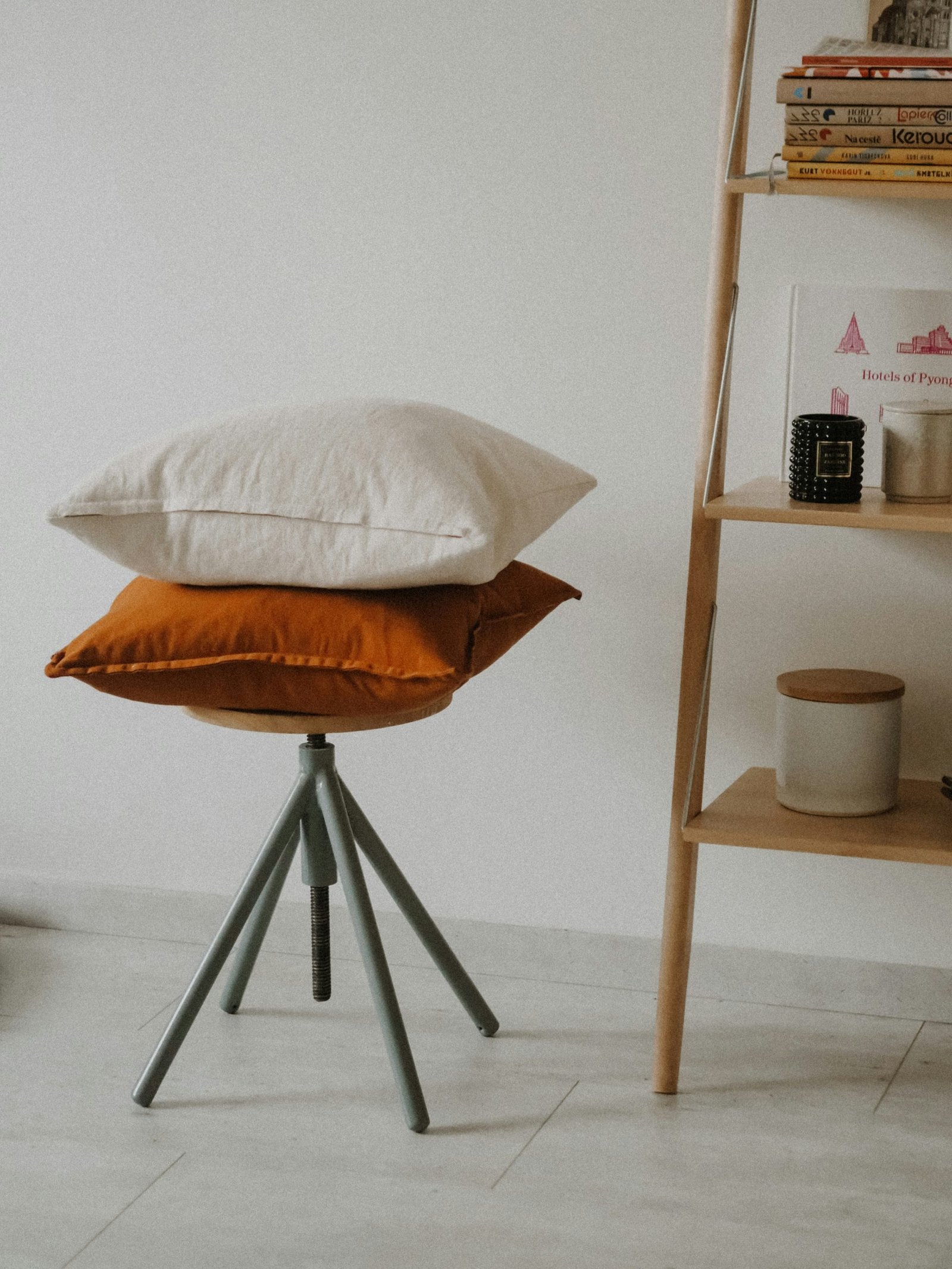
Layering and Assembly: Layering remains a core technique. Starting with a larger base cushion, followed by mid-sized cushions and a final smaller accent piece, creates depth. Consider alternating materials and finishes across layers to maximize tactile richness.
Function-First Orientation: Beyond beauty, cushions are increasingly designed with comfort and support in mind. Ergonomic shapes, foam-insert variations, and adaptively filled cushions ensure seating remains comfortable for extended periods, which is particularly relevant for home offices and living rooms used for long appearances of social interaction and remote work.
Abrasion-Resistant Surfaces: With family life and high-traffic areas in mind, designers emphasize durable fabrics such as heavy-duty cotton blends, synthetic velvets with abrasion resistance, and performance textiles that resist pilling and staining. Removable covers that are machine washable contribute to practicality.
Monochrome Grounding with Accent Sparks: A prevalent approach pairs a unified base color with pops of brighter hues across cushions. This strategy provides a cohesive backdrop while allowing individual cushions to add personality without fracturing the room’s harmony.
Seasonal Refresh without Overhaul: Cushions are an accessible vehicle for seasonal refreshes. Swapping one or two cushions or changing pillow inserts can shift the vibe without a full room remodel. This approach supports sustainability by extending the life of existing cushions through subtle updates.
Custom and Handmade Touches: Artisanal and bespoke cushions gain traction, reflecting personal taste and craft heritage. Limited-run fabrics, hand-stitched details, and narrative motifs offer unique elements that can anchor a room’s story.
Indoor-Outdoor Versatility: Weather-resistant cushions designed for both indoor and protected outdoor use gain popularity. Materials that tolerate sun exposure, humidity, and routine cleaning expand the utility and lifespan of cushions and their furnishings.

*圖片來源:Unsplash*
Minimalist Backdrop, Rich Focal Cushions: A minimalist base set provides breathing room, while one or two rich, statement cushions function as focal points. The method reduces visual clutter while preserving impact.
Tech-Integrated Cushions: A few designers experiment with cushions that incorporate seasonal aromatics, subtle lighting, or smart-fabric features for warmth and ambiance. While not ubiquitous, such innovations point toward a future where cushions offer multisensory or ambient enhancements.
Practical application tips:
– Start with a core color story that matches or complements your rug, artwork, and upholstery.
– Mix scale thoughtfully: large cushions anchor seating; small cushions provide detail.
– Test fabric performance against lifestyle: consider pets, children, and cleaning routines.
– Rotate cushions seasonally or as trends shift, but avoid frequent full replacements to preserve budget and sustainability.
Perspectives and Impact
Cushions have evolved from decorative add-ons to strategic design instruments influencing mood, space perception, and even acoustics. The 2026 trends reflect broader movements in interior design: durability, sustainability, and adaptability. By choosing cushions with durable textiles and versatile forms, homeowners can achieve long-lasting aesthetics without committing to large furniture overhauls.
Impact on spaces goes beyond appearance. The layering of cushions can affect how a room reads in terms of scale: a dense cluster of cushions can make a sofa feel more intimate and inviting, whereas lighter arrangements can maintain an airy, expansive feel. The color and pattern combinations offered by this year’s trends enable designers to experiment with confidence. They also emphasize the importance of considering the surrounding architectural features—windows, light sources, and room flow—to ensure cushions enhance rather than compete with the room’s existing elements.
Sustainability emerges as a central consideration. The emphasis on recycled materials and responsible fabrics signals a shift toward more conscious purchasing decisions. This aligns with ongoing conversations about product lifecycles, waste reduction, and the role of textiles in climate impact. For consumers, this means seeking out cushions with durable shells, removable covers for cleaning, and clear information about material provenance.
The integration of indoor-outdoor textiles broadens design possibilities, especially for homes that value year-round use of outdoor seating. Cushions that withstand sun and rain exposure in protected outdoor spaces extend the utility of a single cushion collection and encourage cohesive design across transitions from living room to patio.
As trends embrace tactile richness and comfort, the market responds with a wider array of options. The result is a more democratized environment where both high-end and accessible pieces can achieve sophisticated looks through thoughtful mixing, layering, and mindful maintenance.
Looking to the future, cushions may incorporate more smart textiles that optimize comfort and wellness, or blend with lighting and aroma features to create mood-centric lounges. Designers will likely continue to stress the balance between trend adoption and timeless, durable pieces that hold up under daily use. The core takeaway: cushions are a potent, versatile tool in design that can dramatically shift a space with minimal cost and effort when chosen with intent and care.
Key Takeaways
Main Points:
– Cushions are a high-impact, cost-efficient way to update interiors in 2026.
– Trends emphasize texture, scale, sustainability, and cohesive color storytelling.
– Layering, material performance, and versatility across indoor-outdoor uses define best practices.
Areas of Concern:
– Overloading a space with too many patterns or textures can create visual chaos.
– Prioritizing aesthetics over durability may lead to frequent replacements.
– Sustainable materials require careful care to maximize longevity.
Summary and Recommendations
To implement the 2026 cushion trends successfully, begin with an assessment of your current cushion lineup. Identify strengths to retain and gaps to fill. Establish a cohesive color story rooted in your room’s existing palette and architectural features. Introduce texture-rich fabrics to add tactility and warmth, while incorporating one or two oversized or sculpted cushions to create focal interest. Layer cushions in a balanced arrangement: a dominant large cushion, complementary mid-sized pieces, and a final accent that ties the ensemble together.
When possible, prioritize fabrics with durable performance and removable, washable covers. Consider sustainable options and seek products with transparent sourcing and recycling potential. For homes with outdoor seating or hybrid indoor-outdoor areas, select weather-resistant materials that maintain color and shape across seasons. Finally, approach yearly refreshes as an opportunity to fine-tune balance, rather than a full overhaul—small swaps can preserve budget, reduce waste, and keep spaces feeling fresh.
References
- Original: https://abeautifulspace.co.uk/15-most-viral-cushion-trends-of-2026-gorgeous/
- Additional reference 1: https://www.architecturaldigest.com
- Additional reference 2: https://www.housebeautiful.com
- Additional reference 3: https://www.oldhouseonline.com

*圖片來源:Unsplash*