TLDR
• Core Points: In 2026, gardens will blend sustainability, technology, and wellness, with multifunctional spaces, climate-resilient plants, and water-smart design leading the way.
• Main Content: Expect modular, adaptable landscaping; native and drought-tolerant plant palettes; smart irrigation; outdoor living zones; and heightened focus on biodiversity, soil health, and accessibility.
• Key Insights: The rise of low-maintenance, high-impact gardens; integration of edible landscapes; and trends toward year-round outdoor usability despite climate variability.
• Considerations: Budgeting for long-term maintenance, ensuring local climate suitability, and choosing materials with environmental and safety considerations.
• Recommended Actions: Start with a soil health check, select native or drought-tolerant species, install smart irrigation, and plan flexible spaces that adapt to seasons and needs.
Product Review Table (Optional)
(Products not applicable for this article.)
Content Overview
As we move further into 2026, garden design is evolving beyond aesthetics toward functional ecosystems that support both people and the planet. The latest trend wave emphasizes resilience, sustainability, and versatility. Homeowners are increasingly designing outdoor spaces that are not only beautiful but also efficient, drought-conscious, and supportive of wildlife. This shift reflects broader environmental concerns and a growing appetite for spaces that can be used year-round, respond to changing weather patterns, and require less maintenance without sacrificing beauty or practicality. In addition to plant selection, the trend includes smart technology, water-wise strategies, and modular outdoor living areas that can be reconfigured as needs change. The result is landscapes that are more than mere scenery; they are productive, sustainable, and deeply integrated with daily life.
In-Depth Analysis
The 2026 garden trends signal a holistic approach to outdoor spaces, integrating ecology, technology, and personal well-being. A standout theme is resilience through climate-adaptive design. Gardens are increasingly planned around local climate realities, prioritizing drought-tolerant and native species that require less water and fewer resources to thrive. Native plant palettes not only reduce irrigation demands but also bolster local biodiversity by providing habitat and food for pollinators, birds, and beneficial insects. This shift aligns with broader environmental goals and helps create landscapes that sustain wildlife while remaining vibrant and resilient through heatwaves, droughts, and heavy rainfall events.
Another core trend is water-smart landscaping. Efficient irrigation systems, such as smart controllers, soil moisture sensors, and drip networks, enable precise watering with minimal waste. Rainwater harvesting and the use of permeable surfaces for pathways and patios further reduce runoff and support groundwater recharge. These practices are particularly valuable in regions facing water scarcity or increasing drought frequency, and they also offer cost savings over time with reduced outdoor water use.
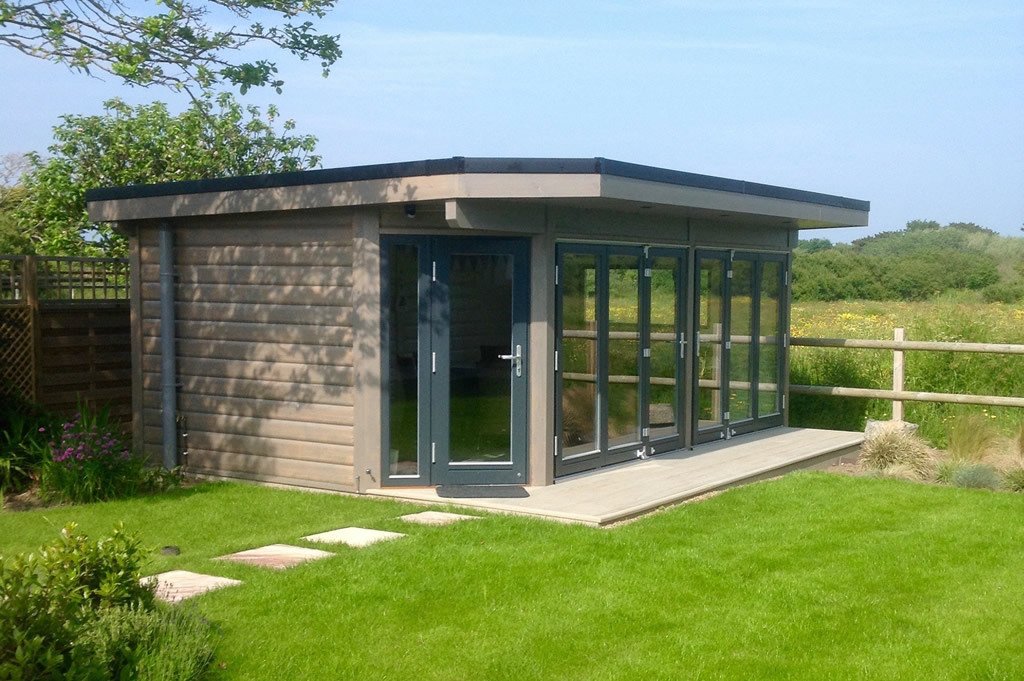
Multifunctional outdoor spaces take center stage in 2026. Backyards and patios are designed as adaptable rooms that extend living space for work, play, dining, exercise, and social gatherings. The most successful designs feature zones that can be reconfigured with modular furniture, movable screens, and flexible layouts to accommodate different activities and seasonal weather. Covered or semi-enclosed areas provide shade and shelter, encouraging use during transitional seasons. Outdoor kitchens, lounges, and fitness corners are common, while still preserving pockets of quiet, reflective space for relaxation.
Edible landscapes and kitchen gardens gain prominence. More homeowners are integrating fruit trees, berry shrubs, culinary herbs, and vegetables into ornamental garden beds. These edible elements are often designed to blend with traditional ornamentals, balancing beauty with function. Raised beds, integrated trellises, and composting areas promote soil health and enable easier maintenance. An emphasis on seasonal harvests and local food resilience reflects broader interests in food security and sustainability.
Soil health and biodiversity emerge as foundational priorities. Rich soil with good organic matter improves plant health, water retention, and resilience to pests and diseases. Practices such as composting, mulching, and reduced soil disturbance help maintain soil life and structure. Gardens are planned to support pollinators with diverse flowering times and habitats, including wildflower corners, bee hotels, and native grasses. By fostering a robust soil ecosystem, gardens become more self-sustaining and less reliant on chemical inputs.
Low-maintenance, high-impact design is favored. Homeowners want landscapes that look polished with less ongoing effort. This often involves selecting durable plantings, using groundcovers to reduce weed growth and mowing needs, and installing perennials that return year after year. Drought-tolerant grasses and smart plant choices reduce irrigation and maintenance burdens while preserving visual appeal and structure.
Technology and data-informed care are on the rise. Smart irrigation, weather-responsive sprinklers, and sensor-driven soil monitoring help gardeners optimize water use and plant health. Apps and connected devices enable remote monitoring, alerts for irrigation or frost events, and data-driven decisions about fertilizer and irrigation schedules. While not essential, technology can significantly reduce maintenance and improve garden performance.
Biophilic design and wellness-driven spaces gain traction. Gardens are increasingly designed to nourish mental and physical health, with zones for quiet contemplation, movement, and social connection. Natural textures, soft color palettes, and elements such as water features or nature-inspired sculptures contribute to restorative experiences. Lighting, acoustics, and scent are considered to create a holistic outdoor atmosphere that improves mood and well-being.
Accessibility and inclusivity shape new standards. Gardens are being designed to be usable by people of all ages and abilities. Wider paths, gentle slopes, seating at various heights, and clearly defined routes help ensure that outdoor spaces are welcoming and functional for everyone. Designers also consider safety, ergonomic tool placement, and reduced maintenance tasks to support users with limited mobility or strength.
Sustainability extends to materials and construction. Choices about hardscape, fencing, and furnishings increasingly prioritize eco-friendly materials, durability, and low environmental impact. Recycled, reclaimed, or rapidly renewable materials, along with long-lasting finishes, help minimize the practical and ecological footprint of outdoor spaces. In addition, proper installation and consideration of local climate reduce the likelihood of damage and maintenance needs.
The rise of pollinator-friendly landscapes continues to strengthen. Garden designs increasingly include nectar-rich flowers, native grasses, and shelter for pollinators. This not only supports biodiversity but also improves crop yields for edible plantings and creates dynamic seasonal color. Garden plans often feature layered plantings—groundcovers, perennials, and trees—that provide continuous bloom and habitat throughout the year.

*圖片來源:Unsplash*
Outdoor lighting that extends usability and safety remains essential. Lighting schemes focus on energy efficiency, ambiance, and safety. Low-voltage or solar-powered options, coupled with thoughtful placement, extend outdoor usability into the evening and create a sense of security and comfort without excessive energy use.
Finally, climate-conscious design encourages gardeners to consider long-term adaptability. As weather patterns shift, gardens that can adapt to warmer summers, heavier rainfall, or sudden cold snaps will fare best. This includes choosing plant varieties with broad hardiness ranges, designing for shade in hot interiors, and planning for water storage and drainage that can mitigate flood risk.
Perspectives and Impact
The 2026 garden trends reflect a broader cultural shift toward sustainable living, resilience, and well-being. Garden spaces are increasingly viewed as extensions of the home that contribute to health, food security, and environmental stewardship. The emphasis on native plantings and biodiversity helps reinstate ecological balance, supporting pollinators and local wildlife in urban and suburban settings. Water-wise practices recognize growing water scarcity in some regions, encouraging responsible consumption and long-term cost savings.
Technology’s role in gardening is expanding, with data-driven decisions replacing guesswork. Smart irrigation and soil monitoring empower homeowners to optimize resource use, reduce waste, and prevent common issues before they escalate. The blending of technology with horticulture does not abandon the human element; rather, it augments decision-making and makes garden care more efficient and enjoyable.
Aesthetic and functional considerations converge, as outdoor living areas become more sophisticated and versatile. The blurred lines between interior and exterior spaces invite more social interaction, flexible workspaces, and seasonally appropriate comfort features. At the same time, the focus on accessibility and inclusivity ensures that these spaces are usable by diverse households, including families with children, seniors, and individuals with mobility challenges.
These trends also carry implications for the future of urban planning and landscape architecture. As homes increasingly adopt climate-resilient designs, neighborhoods may show more consistency in drought-tolerant landscaping, better stormwater management, and greater biodiversity in public and private green spaces. The environmental benefits extend beyond individual properties, contributing to city-wide resilience and ecological networks.
In terms of economic effects, homeowners may discover that upfront investments in drought-tolerant plants, efficient irrigation, and durable materials pay off over time through reduced maintenance and water costs. As consumer demand shifts toward sustainable, adaptable landscapes, garden suppliers and service providers are likely to offer more education, design services, and product innovations aligned with these goals.
Future research and practice may explore even more precise local tailoring of garden trends. That could include region-specific plant palettes, climate-adaptive planting schedules, and advanced irrigation technologies that integrate with local water management policies. The overarching message is clear: gardens in 2026 are less about following a single aesthetic and more about building resilient, versatile ecosystems that improve life at home while protecting the environment.
Key Takeaways
Main Points:
– Gardens prioritize resilience, biodiversity, and water efficiency.
– Outdoor spaces are designed as adaptable living areas with flexible configurations.
– Native and drought-tolerant plants dominate palettes to reduce maintenance and support local ecosystems.
– Technology supports sustainable care through smart irrigation and moisture monitoring.
– Edible landscapes and soil health are central to functional, productive gardens.
Areas of Concern:
– Upfront costs for smart systems and drought-tolerant landscaping may be a barrier for some.
– Maintenance literacy is needed to maximize the benefits of new technologies and soil health practices.
– Local climate suitability must be carefully considered to avoid selecting inappropriate varieties.
Summary and Recommendations
The 2026 garden trends point toward outdoor spaces that are sustainable, functional, and enjoyable year-round. By embracing climate-aware design, homeowners can create landscapes that require less water, support local biodiversity, and provide flexible spaces for work, play, and relaxation. The integration of edible elements adds resilience and personal utility, while soil health and biodiversity initiatives lay the groundwork for thriving ecosystems with reduced need for chemical inputs.
To begin aligning with these trends, consider a phased approach:
– Start with soil health: test soil, add compost, mulch, and organic matter to improve structure and fertility.
– Select plant palettes prudently: prioritize native and drought-tolerant species that provide year-round interest and bloom cycles.
– Implement water-smart irrigation: install a smart controller, soil moisture sensors, and a drip irrigation system to reduce water use.
– Design flexible spaces: plan for modular furniture, zones for different activities, and weather protection to extend usability.
– Foster biodiversity: plant nectar-rich flowers, native grasses, and protective habitats for pollinators.
– Prioritize accessibility: create even, wide pathways, accessible seating, and eye-level controls that accommodate all ages and abilities.
By taking these steps, homeowners can create resilient, beautiful gardens that thrive through the seasons and beyond, while contributing to environmental health and personal well-being.
References
- Original: https://abeautifulspace.co.uk/10-large-garden-trends-everyone-will-be-trying-in-2026/
- Additional resources:
- https://www.rhs.org.uk/advice/profile?pid=184
- https://www.nrdc.org/stories/drought-tolerant-gardens
- https://www.bbc.com/future/article/20240115-how-to-create-a-pollinator-friendly-garden

*圖片來源:Unsplash*