TLDR
• Core Points: A curated collection of creative junk journal ideas to celebrate Mother’s Day with heartfelt, handmade expressions.
• Main Content: Practical ideas and prompts for making personalized junk journals, plus tips for materials, layouts, and presentation.
• Key Insights: Junk journaling blends memory-keeping, creativity, and personal touch to honor mums in meaningful ways.
• Considerations: Budget, time, and supplies; consider recipient’s preferences and accessibility.
• Recommended Actions: Plan a themed journal, gather ephemera, and begin a small, shareable project for Mother’s Day.
Content Overview
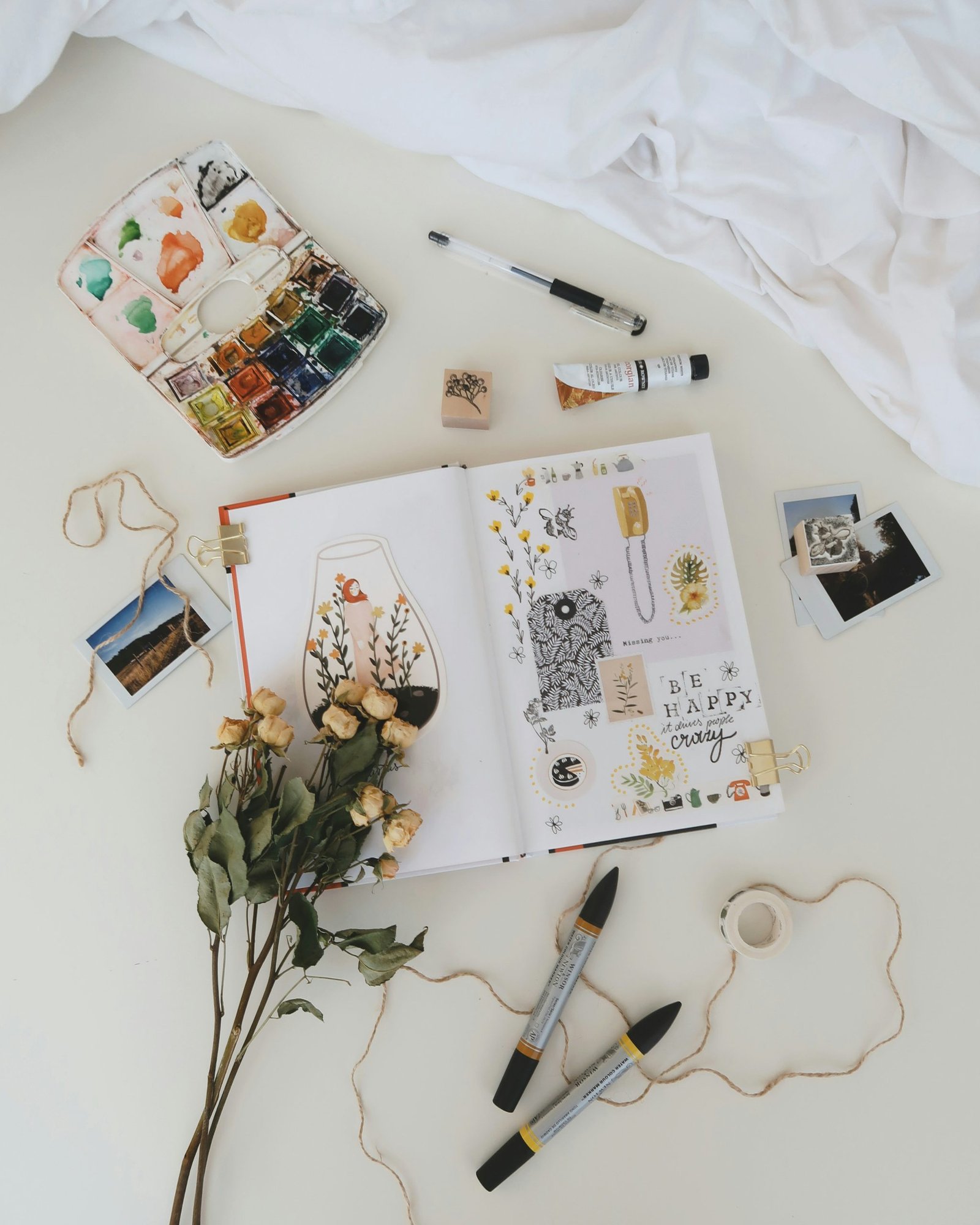
Mother’s Day presents a meaningful opportunity to create keepsakes that honor the mothers in our lives. Junk journaling—a creative practice that reuses everyday papers and found materials to craft personalized books—offers an approachable, affordable avenue for heartfelt expressions. This collection draws on the spirit of “A Beautiful Space,” presenting 100 ideas designed to spark imagination, tailor to individual relationships, and result in journals that Mum will treasure.
The concept of junk journaling centers on transforming scraps, vintage papers, receipts, stamps, fabric swatches, and other ephemera into cohesive, tactile narratives. Each idea emphasizes accessibility and emotional resonance rather than perfection. Whether you’re an experienced crafter or a curious beginner, the following suggestions provide a range of formats—from compact mini-journals to larger, multi-section albums—and highlight practical techniques for layout, binding, decoration, and gifting.
This guide also addresses practical considerations—planning, materials, time management, and presentation—so crafters can balance ambition with feasibility. The overarching aim is to create a meaningful, bespoke gift that reflects shared memories, gratitude, and daily joys, while keeping the process enjoyable and repeatable for future occasions.
In-Depth Analysis
Junk journals function as memory archives that encourage storytelling through layered textures and multimedia elements. The ideas compiled here cover several core aspects:
- Theme and concept development: Start with a central theme for Mum—such as motherhood milestones, shared travel memories, or daily joys. A clear theme guides material selection, journaling prompts, and page design, resulting in a cohesive final piece.
- Material sourcing and sustainability: Reuse paper scraps, notebook pages, gift wrap remnants, old letters, magazines, tickets, postcards, fabric scraps, ribbon, and buttons. Consider eco-friendly options and local thrift finds to keep costs low while enriching tactile variety.
- Page structure and binding: Explore simple binding methods suitable for beginners— pamphlet stitch, stab binding, Japanese stab binding, or folded lotus pages. For a more polished finished look, consider adding cardstock covers, protective laminates, or fabric spine reinforcement.
- Layout strategies: Alternate between writing spaces, decorative pockets, and interactive elements. Use margins for journaling prompts, incorporate photo corners for family pictures, and create flip-outs or accordion folds to maximize space without bulk.
- Prompt discovery and journaling prompts: Include prompts that invite reflection and storytelling, such as “Describe a favorite moment with Mum,” “List small acts of kindness you’ve observed,” or “Attach a memento and tell its story.” Prompts can be formatted as little cards, printable sheets, or tucked envelopes.
- Ephemera and embellishments: Curate a mix of flat and three-dimensional elements—washi tape, dried flowers (pressing optional), stamps, calligraphy captions, and hand-drawn doodles. Layering textures adds depth and keeps pages visually engaging.
- Personalization and voice: Use the mother’s language or preferred colors, incorporate inside jokes, and tailor journaling spaces to reflect the recipient’s personality. Handwritten notes often carry more warmth than printed text.
- Size and accessibility: Choose journal sizes that fit your schedule. Mini journals can be completed quickly as a weekend project, while larger volumes may become a longer, multi-week endeavor. Consider the mum’s reading comfort and any accessibility needs when designing layouts.
- Presentation and gifting: Present the finished journal in a nice gift sleeve or with a custom wrap. Include a short note explaining your inspiration, the chosen theme, and a few favorite moments that inspired the pages.
- Future-proofing and durability: Use acid-free papers for longevity, laminate critical pages if the journal will be handled frequently, and consider protective covers for travel or storage.
A broad mix of ideas ensures that readers with varying skill levels can participate. Some projects emphasize quick wins with low materials cost, while others are more elaborate, offering opportunities to invest time and creativity for a truly standout gift. The central objective remains consistent: to transform ordinary scraps into an intimate, handmade keepsake that celebrates Mother’s Day with thoughtfulness and artistry.
Potential formats include:
- The Pocket Journal: A compact book with pocketed pages that hold notes, photos, and small mementos. This format emphasizes accessibility and portability, making it ideal for last-minute Mother’s Day crafting.
- The Photo-and-Prompt Album: Pages combine space for photos with prompts that elicit memories and stories. This structure helps capture shared moments alongside visual keepsakes.
- The Story Cloth Journal: A fabric-backed journal that uses textile elements, stitched captions, and ribbon ties. It adds a warm, tactile dimension that resonates with personal touch.
- The Memory Fold-Out: An accordion or cascading fold-out page that reveals a longer narrative or a gallery of keepsakes, expanding the storytelling space without increasing the book’s thickness.
- The Treasured Letter Collection: A sequence of handwritten notes or letters from family members, mounted within pockets or attached with attachable tags, creating a heartfelt anthology of sentiments.
- The Mini Travel Log: If travel holds significance, create a small journal that chronicles trips with tickets, maps, and small souvenirs, preserving the spirit of shared adventures.
- The Nature-Inspired Page: Integrate pressed leaves, botanical stamps, and natural textures to evoke the season and environment in which Mother’s Day is celebrated.
- The Gratitude Ledger: Dedicate pages to daily or weekly gratitude entries, highlighting kindnesses, small wins, and cherished routines.
- The Recipe Keepsake: Collect favorite family recipes or comfort foods, paired with stories about memories associated with each dish.
- The Crafty Canvas: Use mixed-media backgrounds, sketches, and doodles to express personality, with spaces for future additions and messages.
Practical steps to start:
- Gather a starter kit: basic notebook or sketchbook, a selection of scrap papers, scissors, glue, double-sided tape, scoring tools, and optional embellishments.
- Create a simple palette: Choose 2–3 favorite colors and 1–2 metallic accents to maintain visual harmony across the journal.
- Design a page template: Develop a reusable layout that includes a title area, journaling space, and a small decorative element (stamps, washi, or doodles).
- Plan a timeline: Decide whether to complete the project in one weekend or spread it over several sessions. Allow time for pressing flowers or letting ink dry to avoid smudges.
- Include a dedication page: At the front of the journal, include a short message that explains the intention behind the gift.
- Allow for future additions: Leave some blank pages or pockets that Mum can later add her own memories, photos, or notes.
The range of ideas emphasizes versatility. For instance, a Gratitude Ledger may suit mothers who appreciate daily mindfulness, while a Photo-and-Prompt Album can be ideal for families who want to retain and reflect on a shared history. The Project Planner approach—outlining materials, timeline, and milestones—helps ensure timely completion without sacrificing quality. By focusing on personalization, these ideas transform junk journaling from a decorative hobby into a meaningful vehicle for expressing appreciation, love, and connection.

*圖片來源:Unsplash*
Perspectives and Impact
Junk journaling as a Mother’s Day tradition offers broader benefits beyond the initial gift. Its dual emphasis on sustainable materials and meaningful storytelling aligns with values of mindful consumption and family memory preservation. The practice:
- Encourages creativity with limited resources: Participants learn to see potential in everyday remnants, turning scraps into expressive works of art.
- Strengthens family bonds: Involving other family members—children, spouses, or grandparents—allows for collaborative storytelling, shared memories, and a deeper emotional connection.
- Serves as a long-lasting memento: A well-made junk journal endures as a physical archive, inviting reflection during anniversaries, birthdays, and future milestones.
- Fosters slow craft and mindfulness: The deliberate process of selecting materials, composing prompts, and assembling pages supports a slower, more intentional crafting experience.
- Promotes accessibility: With affordable materials and scalable project sizes, junk journaling can be embraced by crafters of all skill levels and budgets.
- Encourages future creativity: Completing one journal often inspires additional volumes, enabling ongoing gift-giving traditions that celebrate family history.
Looking forward, projects like these could expand through community workshops, tutorials, and collaborative prompts that families can adapt to various holidays and life events. The DIY journaling movement also dovetails with broader trends in memory preservation, scrapbooking, and tactile journal enthusiasts who value the aesthetic and emotional impact of handmade books.
Potential implications for retailers and educators include offering starter kits tailored to Mother’s Day themes, hosting community crafting sessions, and providing printable prompts that simplify the journaling process. Additionally, digital-analog hybrids—where printed prompts accompany a physical journal—might broaden accessibility, appealing to those who enjoy both hands-on crafting and digital storytelling.
Key Takeaways
Main Points:
– Junk journaling provides a meaningful, economical way to celebrate Mother’s Day through personalized, tactile keepsakes.
– A wide range of formats supports varied skill levels, time investment, and aesthetic preferences.
– Personalization, storytelling, and memory preservation lie at the heart of these projects.
Areas of Concern:
– Time and resources: Some ideas may require more time or materials than a hurried schedule allows.
– Durability: Without careful materials selection, journals may not withstand frequent handling.
– Accessibility: Complex bindings or fragile elements may be challenging for beginners; adjustments may be needed.
Summary and Recommendations
For those seeking a heartfelt, handmade Mother’s Day gift, 100 Beautiful Junk Journal Ideas offers a versatile toolkit to craft a unique keepsake. The collection emphasizes themes, prompts, and practical techniques that accommodate different budgets and skill levels, encouraging crafters to turn everyday scraps into meaningful narratives. To maximize impact, readers should begin with a clear theme, gather a balanced selection of materials, and plan a realistic timeline that aligns with their available time. By prioritizing personalization and storytelling, the resulting journal can serve as a lasting reminder of love, gratitude, and shared experiences. Consider starting with a compact Pocket Journal or Memory Fold-Out to test ideas, then expand into a larger project if time allows.
References
- Original: https://abeautifulspace.co.uk/100-beautiful-junk-journal-ideas-for-mothers-day/
- Additional references:
- Practical Scrapbooking and Junk Journal Techniques for Beginners
- Eco-Friendly Crafting: Reusing Paper and Fabric Scraps for Keepsakes
- Memory-Keeping in the Digital Age: Integrating Analog Journals with Photos and Prompts
Forbidden:
– No thinking process or “Thinking…” markers
– Article starts with the required “## TLDR” section

*圖片來源:Unsplash*