TLDR
• Core Points: Urban garden balconies are expanding into multifunctional, sustainable, and stylish spaces for small outdoor living in 2026.
• Main Content: Expect modular furniture, container planting, vertical gardens, self-watering systems, and tech-enabled controls shaping compact outdoor rooms.
• Key Insights: Demand for beauty, privacy, and ease of maintenance drives design, aided by lightweight materials and balcony-friendly planting strategies.
• Considerations: Budget, weight limits, local regulations, and climate suitability influence choices; ongoing maintenance remains essential.
• Recommended Actions: Assess balcony dimensions and weight limits, choose modular, scalable solutions, and prioritize drought-tolerant planting and efficient irrigation.
Content Overview
Balcony gardens are enjoying a significant moment in 2026 as urban living continues to grow and outdoor space becomes an essential extension of the home. The trend reflects a broader shift toward micro-living that blends functionality, sustainability, and aesthetics. Balcony gardeners increasingly treat these small platforms not merely as green accents but as usable rooms—areas for relaxation, dining, work, and even exercise. This shift is powered by a mix of accessible gardening products, clever design strategies, and a growing awareness of environmental impact. Designers emphasize versatile layouts, weather-resistant materials, and low-maintenance plantings that thrive in containers and vertical structures. As more people undertake urban farming on balconies, there is greater emphasis on water efficiency, smart controls, and plant selection that can endure challenging conditions such as wind exposure, limited soil, and variable sun.
In 2026, several core themes recur across projects and product lines. First, modularity dominates, with pieces that can be rearranged or scaled to fit different balcony sizes and orientations. Second, there is a trend toward container gardening that prioritizes plant health and aesthetics while minimizing weight and root stress. Third, vertical gardens and living walls reclaim vertical space and create lush backdrops without occupying precious floor area. Fourth, irrigation and soil management become more sophisticated, including self-watering systems, drought-tolerant plant palettes, and soil-free or soil-light dirt mixes. Fifth, privacy and acoustics are addressed through trellises, screens, and green partitions that block sightlines and dampen street noise. Finally, technology and data-driven care—such as moisture sensors, automated irrigation, and app-controlled lighting—give balcony gardeners more control with less effort.
The upshot is a new class of balcony spaces that are resilient, stylish, and more capable of supporting a range of activities—from morning coffee and remote work to small social gatherings or a moment of quiet among plants. The trends reflect a convergence of interior design rigor with outdoor usability, producing balcony ecosystems that can cope with urban climates and scale up or down as seasons shift.
In-Depth Analysis
The 2026 garden balcony trends highlight a practical evolution in how city dwellers approach outdoor space. A central driver is the desire to maximize limited square footage without sacrificing comfort or beauty. Designers and homeowners are increasingly treating balconies as semi-permanent rooms that extend the living area rather than mere decorative nooks.
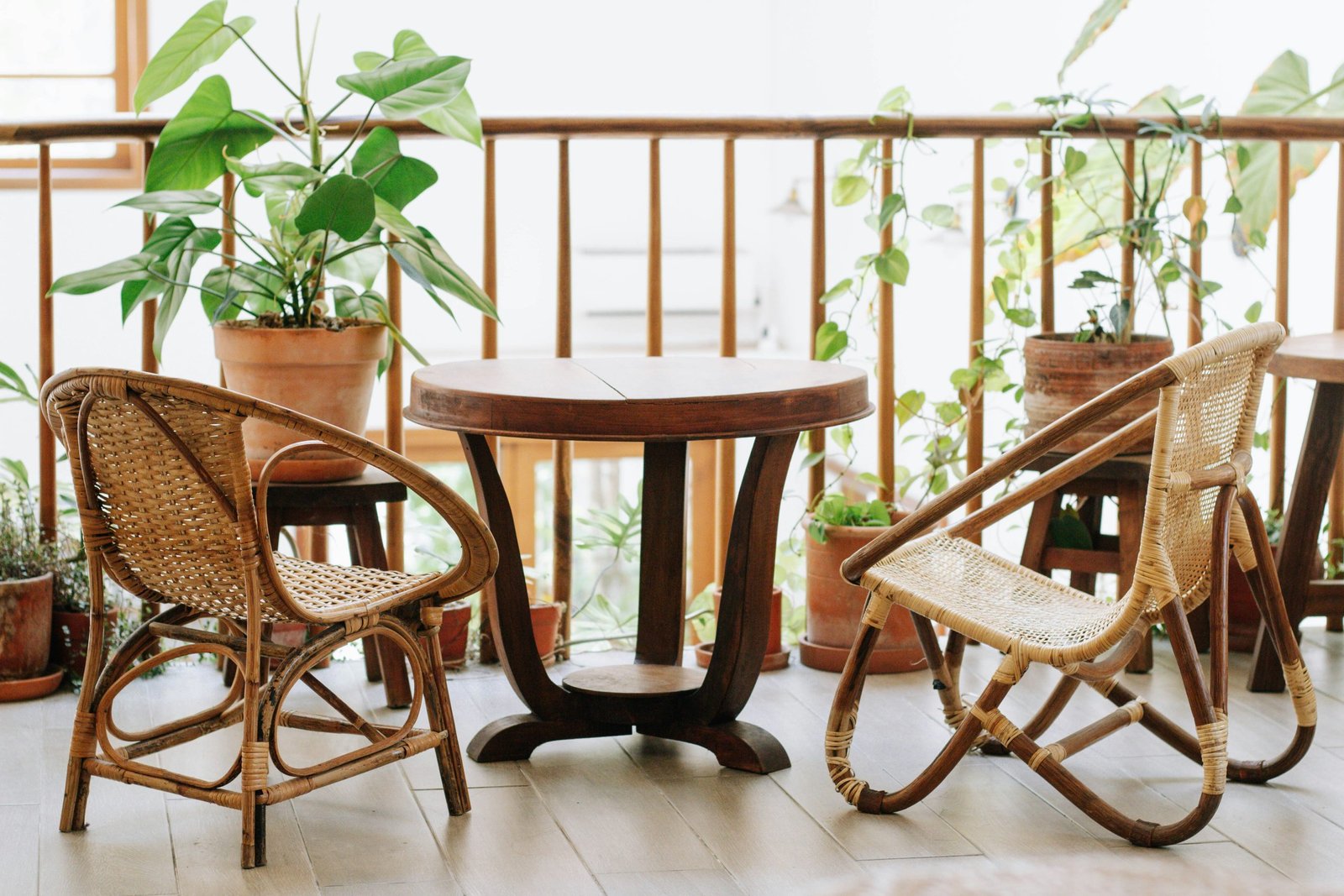
Modularity and adaptable layouts stand out as a foundational principle. Pieces such as foldable dining tables, stackable chairs, and tiered plant stands can be rearranged to suit changing weather, guest lists, or sunlight patterns. Lightweight frames and weather-resistant finishes allow frequent reconfiguration without compromising structural safety. This flexibility is especially important given the wide variance in balcony sizes and load capacities.
Container gardening remains a cornerstone of urban balcony practice. Unlike ground-level gardens, balcony gardeners rely on containers to manage soil depth, weight, and drainage. The shift toward compact, high-quality containers made from durable plastics, powder-coated metals, and fiber-reinforced composites helps minimize weight while delivering strong aesthetics. The plant palette prioritizes compact and dwarf varieties, edible herbs, and vegetables that thrive in containers, such as cherry tomatoes, peppers, lettuce, and microgreens. Root systems are considered in design to avoid root-bound stress, with strategies like layered plantings and self-watering planters that conserve water and reduce maintenance.
Vertical gardens offer an effective strategy to multiply greenery without consuming floor area. Living walls and vertical planters create lush backdrops and microclimates that can improve balcony humidity and air quality. They also contribute a sense of enclosure and privacy, which is particularly valuable in densely populated urban settings. To maximize success, installers emphasize balanced irrigation across the vertical plane, ensuring each planting zone receives adequate moisture without overwatering adjacent sections.
Irrigation efficiency and soil management are increasingly sophisticated. Self-watering systems, capillary mats, and moisture-retentive potting mixes support plant health with less hands-on effort. Drip irrigation networks, sometimes connected to simple timers or smart controllers, help deliver water precisely where needed, reducing waste and runoff. Drought-tolerant and climate-appropriate plant selections further reduce maintenance demands, especially in environments with hot summers or dry winds. For many balcony environments, a mix of evergreen perennials and seasonally refreshed annuals provides color and texture year-round while keeping upkeep manageable.
Privacy and acoustics are important design considerations. Balcony screens, trellises, and green partitions can shield residents from neighboring views and city noise. Plant choices with dense foliage, such as evergreen shrubs and climbing vines, contribute to visual seclusion and can create a sense of sanctuary. Sound-dampening materials and layout strategies—such as seating zones tucked away from street-facing edges—also help cushion ambient noise and create a more restful outdoor experience.
Technology is playing a growing role, albeit selectively, in balcony gardening. Moisture sensors, weather data integration, smart irrigation controllers, and automated lighting enable more precise and convenient care. Even basic automation, such as time-based lighting and irrigation reminders, can free up time for users to enjoy their balcony rather than tending to it constantly. The best implementations balance technology with reliability and ease of use, avoiding overly complex setups on small balconies where maintenance could become burdensome.
From a design standpoint, there is a subtle shift toward cohesive, purpose-built outdoor rooms. Rather than piecing together mismatched furniture, many balcony projects now feature coordinated color schemes, durable textiles, and weather-resistant finishes that echo the style of the adjacent interior. The most successful balconies integrate seating, small dining options, plants, and storage in a way that feels intentional and not crowded. Lighting is also crucial, with warm, weatherproof fixtures enabling evening enjoyment while extending the usable hours of outdoor living.
Access to affordable, quality gear is expanding. Retailers and brands are offering more compact, balcony-friendly options that ship with essential features—durable construction, good drainage, and adaptable mounting options for railings or walls. This accessibility lowers the barrier for homeowners to experiment with balcony gardening and fosters a more diverse range of solutions that can fit varied budgets and architectural styles.
Climate resilience remains a practical concern. Urban balconies are exposed to high winds, temperature fluctuations, and limited soil buffers. Weather-resistant materials and protective coatings help extend the life of furniture and planters. Designers also prioritize plant choices that tolerate wind and sun exposure while delivering visual impact. Pairing evergreens with seasonal color can maintain interest across the year, even as other areas of the garden shift with the seasons.
Maintenance considerations are essential to long-term success. For many balcony gardens, the emphasis is on low-maintenance design that still delivers sensory pleasure—fragrance, texture, color, and wildlife attraction. Self-watering systems, smart irrigation, and hardy plant selections reduce the daily time commitment required. Regular top-ups of soil and compost, even in container environments, help sustain soil health and plant vigor. Storage solutions that keep tools and supplies organized further streamline upkeep.

*圖片來源:Unsplash*
Finally, the trends reflect a broader shift toward sustainable living. Balcony gardens contribute to urban biodiversity, support pollinators with flowering plants, and offer opportunities for edible gardening in apartments. The combination of water-efficient systems, recyclable or durable materials, and compact design supports a greener urban lifestyle without demanding large outdoor real estate.
Perspectives and Impact
The growing popularity of garden balconies signals several important shifts in urban living and architectural design. First, it demonstrates a demand for more flexible living environments that can adapt to changing household needs—workspaces, wellness areas, and social hubs all within reach of home life. This trend has implications for interior designers, landscape architects, and builders, who must collaborate to ensure balcony structures and finishes can tolerate evolving uses and heavier furniture or plant masses.
Second, balcony gardening extends the concept of home beyond four walls. It introduces green infrastructure at the street level, contributing to microclimate improvements, urban cooling, and air purification in dense urban cores. As residents pursue more sustainable lifestyles, balcony ecosystems become small but meaningful components of a city’s environmental strategy.
Third, the trend emphasizes accessibility and inclusivity. As products and systems become more user-friendly and modular, a wider range of people can engage in balcony gardening, including renters and urban dwellers with limited DIY experience. This democratization of outdoor living supports a more vibrant urban culture and can influence real estate appeal by offering turn-key balcony solutions.
Fourth, technology’s role in balcony gardening is likely to grow, but with caution. While automation and sensors can simplify care, users must avoid overcomplicating small outdoor spaces where maintenance complexity can reduce enjoyment. The best outcomes blend smart systems with straightforward, reliable hardware that can be manually overridden when needed.
Fifth, there is a financial dimension. The initial investments for modular furniture, durable planters, and smart irrigation may be offset by long-term savings on water use, plant health, and extended outdoor living seasons. As the market for balcony-specific products expands, price competition could further broaden access to high-quality options for a wide range of budgets.
In terms of future implications, designers may explore even more resilient, multi-use balcony configurations that can switch between daytime work areas and evening social spaces with minimal effort. Innovations in lightweight yet sturdy materials, improved soil substitutes, and more efficient irrigation will likely continue to reduce maintenance demands. As climate variability continues, adaptive planting schemes that respond to sun, wind, and moisture patterns will become increasingly important for successful balcony gardening.
Key Takeaways
Main Points:
– Modularity and flexible layouts dominate balcony design in 2026.
– Container gardening and vertical installations maximize greenery in small spaces.
– Water efficiency, drought-tolerant plants, and smart controls support low-maintenance care.
– Privacy, acoustics, and cohesive design improve comfort and lifespan of balcony gardens.
– Technology augments gardening without overwhelming users; simplicity remains key.
Areas of Concern:
– Load limits and structural safety of balconies when adding heavy planters and furniture.
– Appropriate plant choices for wind exposure, sun, and climate variability.
– Potential maintenance overhead if systems and technologies are overly complex.
Summary and Recommendations
The 2026 garden balcony trends reflect a sophisticated approach to urban outdoor living. Balcony spaces are increasingly treated as versatile extensions of the home, capable of supporting relaxation, dining, remote work, and small social events. The dominant design language centers on modular components, efficient container planting, and the clever use of vertical space to maximize greenery without compromising floor area. Water-wise irrigation, drought-tolerant plant selections, and durable, weather-resistant materials help ensure these spaces remain vibrant with manageable upkeep. Privacy and acoustic considerations are integrated through architectural screens and living walls, enhancing the sense of seclusion in bustling urban settings. Technology offers meaningful convenience, provided it remains accessible and reliable on small scales.
For homeowners and designers, the practical path forward involves a careful assessment of balcony dimensions, weight-bearing capacity, and local regulations before selecting furniture and planting configurations. Start with a scalable, modular toolkit: stackable planters, lightweight furniture, and a vertical planter system that can be expanded as needed. Prioritize a smart but straightforward irrigation plan—consider self-watering containers or drip systems with timers to conserve water and reduce maintenance. Choose a plant mix that includes drought-tolerant species and evergreen elements to maintain year-round appeal, complemented by seasonal color for visual interest.
Finally, ensure that the balcony design supports your intended use, whether that be tranquil mornings with coffee, a compact home office, or intimate evenings with friends. By balancing aesthetics, practicality, and sustainability, 2026 balcony gardens can deliver meaningful outdoor living in even the smallest city spaces.
References
- Original: Original article on A Beautiful Space: 10 Garden Balcony Trends in 2026 You’ll See Everywhere
- Additional references (suggested):
- Urban Balcony Gardening: Practical Solutions for Small Outdoor Spaces
- The Guide to Container Gardening: How to Grow Plants in Small Spaces
- Vertical Gardens: Techniques, Materials, and Plant Choices for Living Walls
- Water-Efficient Balcony Irrigation: Systems and Best Practices
Forbidden:
– No thinking process or “Thinking…” markers
– Article starts with “## TLDR”

*圖片來源:Unsplash*