TLDR
• Core Points: A curated collection of 100 creative junk journal ideas for Mother’s Day, offering heartfelt, hands-on projects that produce meaningful keepsakes.
• Main Content: Practical prompts, materials, and techniques for assembling personalized junk journals that celebrate moms.
• Key Insights: Junk journaling blends memory keeping with crafty expression; accessibility and adaptability are central to success.
• Considerations: Projects vary in time, skill, and supply needs; select ideas that match the recipient’s tastes and your available resources.
• Recommended Actions: Start with a few high-impact ideas, gather basic supplies, and customize based on mom’s interests for a cherished gift.
Content Overview
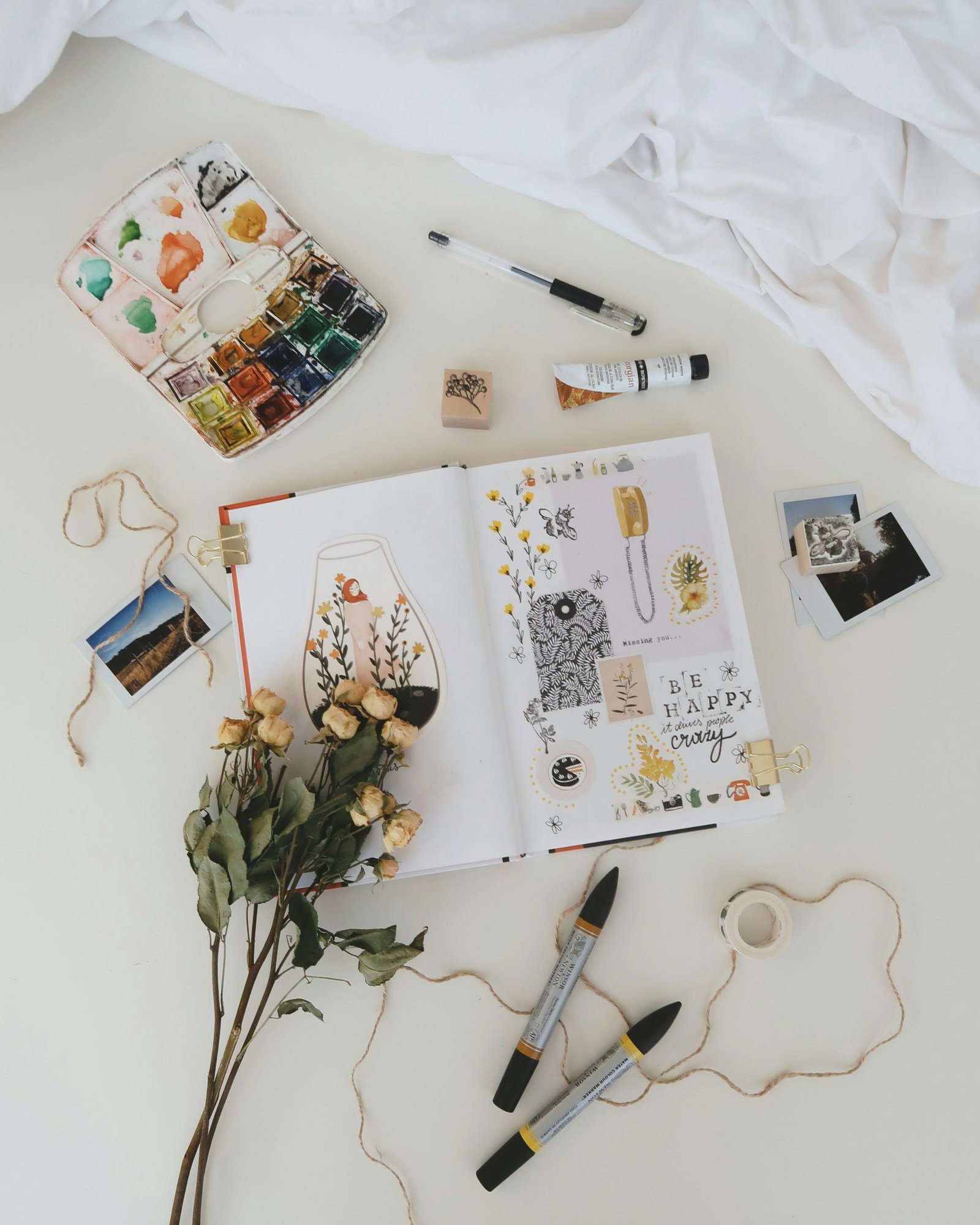
Mother’s Day is an occasion that invites personal, tangible gestures, and junk journaling offers a deeply tactile way to express gratitude and affection. This guide presents 100 ideas to inspire the creation of junk journals—handmade scrapbooks that repurpose everyday papers, ephemera, and found objects into a cohesive narrative. Each idea is designed to be approachable, adaptable, and meaningful, enabling crafters at varying skill levels to produce a thoughtful keepsake. The underlying principle is to celebrate shared memories, present moments, and future hopes through a compact, portable art form. By combining textures, handwriting, and curated mementos, these journals offer a personalized alternative to store-bought gifts, capturing the unique bond between giver and recipient.
The content draws on a broad spectrum of techniques suitable for home crafters, including collage, pocket pages, decorative stitching, stamping, handwriting, and simple binding methods. Importantly, the ideas emphasize accessibility: many projects require only basic tools and readily available materials, such as scissors, glue, paper, fabric scraps, envelopes, stamps, and printer paper. The goal is to empower readers to create something that resonates with their mom’s personality—whether she loves nostalgia, color, nature, humor, or minimalism.
To maximize usefulness, the list is organized to spark inspiration across several themes, such as memory capture, daily life, sentimental prompts, and creative experimentation. Readers can mix and match concepts, reuse discarded papers, and repurpose family ephemera—tickets, receipts, letters, photographs, dried flowers, ribbon, and buttons—into a single, cohesive narrative. The result is a personalized document of appreciation that travels with mom, nourishes reflection, and becomes a cherished artifact over time.
In-Depth Analysis
Junk journaling is a form of memory-keeping that prioritizes story over perfection. By layering found textures and handwritten details, a junk journal transforms ordinary scraps into a narrative-driven art piece. The 100 ideas presented here cater to diverse preferences and time frames. Some projects are quick, requiring only a few minutes to assemble a small page or pocket, while others are more elaborate, involving stitched bindings, fabric embellishments, or multi-page spreads.
Key considerations when selecting ideas include:
- Recipient profile: Consider Mom’s tastes, hobbies, and preferred aesthetics (nostalgic, whimsical, modern, nature-inspired, vintage, or minimalist). Aligning the project with her sensibilities increases the likelihood she will treasure the gift.
- Time and resources: Estimate how much time you can devote and what materials you already have. Many ideas are designed to be completed with common household or thrift-store finds.
- Personalization: The most impactful journals weave in specific memories, dates, recipes, photos, and quotes. Capturing the details that only you remember adds emotional depth.
- Durability and presentation: For a gift that endures, bind pages securely, seal fragile elements with protective coatings, and consider a simple cover that complements the journal’s theme. A thoughtful presentation—wrapped with a handmade tag or ribbon—adds to the overall experience.
Among the 100 ideas, several broad categories recur:
1) Memory-driven spreads: Create pages that document shared experiences, favorite moments, and milestones. Use envelopes or fold-out panels to tuck photographs, letters, or small keepsakes. Examples include a “Memories of Our Year Together” spread, a favorite recipe page with a handwritten version, or a travel-inspired map highlighting places you’ve explored together.
2) Prompt-based journaling: Include prompts that encourage Mom to reflect on gratitude, aspirations, or daily joys. Prompts can be printed or handwritten on decorative cards and placed in pockets or under flaps. This approach makes the journal interactive and encourages continued reflection beyond the gift-giving moment.
3) Ephemera collections: Build pages around a curated assortment of memorabilia—ticket stubs, postcard images, plant specimens, dried flowers, or fabric samples. By organizing ephemera thematically, the journal becomes a mosaic of moments rather than a single narrative.
4) Nature-inspired textures: Incorporate botanicals, pressed flowers, leaves, and natural fibers to evoke a sense of seasonality and outdoor calm. Preserving delicate botanicals in laminated pockets or clear envelopes helps maintain their beauty over time.
5) Fabric and stitching accents: Introduce textile elements such as ribbon, lace, or fabric scraps. Light stitching, button embellishments, or embroidered details add tactile richness. For those who prefer minimal sewing, simply glue fabric swatches to create a soft, tactile page.
6) Photo-led layouts: Integrate photographs—print small, black-and-white, or color images in a way that complements the journal’s palette. Use photo corners, washi tape, or decorative frames to secure images without bulk.
7) Thematic mini-chapters: Divide the journal into sections that reflect different facets of the mother-child relationship, such as “Lessons Learned,” “Little Joys,” “Confidences,” and “Hopes for the Future.” A sectional approach helps structure the storytelling arc.

*圖片來源:Unsplash*
8) Interactive elements: Add fold-outs, flip strips, or pocket-sized prompts that invite Mom to engage with the journal in different ways. Interactive features encourage repeated use and playfulness.
9) Practical keepsakes: Include functional elements like a mini recipe card for a favorite dish, a handwriting practice page featuring a meaningful quote, or a small pocket for a handwritten note. The blend of practicality and sentiment can make the journal feel both usable and treasured.
10) Minimalist elegance: For moms who prefer clean lines, design a streamlined journal with a restrained color palette, simple typography, and uncluttered layouts. Minimalist pages can still be rich with memory when paired with carefully chosen ephemera.
Execution tips:
- Start with a binder-style or sewn journal as your base. A simple three-ring binder, a tag- or accordion-style album, or a hand-stitched booklet can serve as a durable canvas for pages.
- Prioritize legibility: Use clear handwriting or well-printed prompts. Consider including a “letter to Mom” page near the start to set the tone.
- Balance text and imagery: A pleasing rhythm between journaling blocks and visuals prevents pages from feeling overcrowded. Aim for variety in composition across spreads.
- Layer thoughtfully: Build depth by combining papers of different weights, textures, and opacities. Use corners, frames, or viewing windows to guide the eye.
- Protect treasured elements: Laminate or seal delicate items like pressed flowers before attaching them, and store the journal in a safe place to preserve it for years.
- Personalize with margins: Leave space for future additions—handwritten notes, new photos, or pressed foliage gathered after the journal’s creation.
- Reuse materials creatively: Don’t hesitate to repurpose old letters, receipts, or magazines in ways that still honor the memories they represent.
- Document the process: Consider including a page that records the creation journey—date, materials used, and a brief reflection on why each element was chosen.
While the original article situates the ideas as “100 Beautiful Junk Journal Ideas for Mother’s Day,” the intent here is less about enumerating a fixed set of steps and more about providing a flexible framework. Each idea can be adapted to fit individual circumstances, ensuring that the final product reflects a genuine connection between the giver and Mom. The essence of junk journaling in this context is not the extravagance of materials but the sincerity of memory and the care embedded in the craft. For those new to the practice, starting with a few simple pages and gradually expanding the journal can be a practical approach that yields a meaningful outcome without overwhelming the creator.
Perspectives and Impact
The rise of junk journaling as a mainstream craft reflects broader cultural shifts toward personalized, tangible gifts in an increasingly digital world. In the context of Mother’s Day, handmade journals offer a counterbalance to mass-produced cards and digital messages by delivering something tactile and enduring. The act of creating a journal—selecting materials, arranging pages, and writing notes—engenders a sense of presence and intention that can strengthen family bonds.
From a psychological perspective, crafting meaningful keepsakes aligns with the human impulse to seek continuity and meaning across time. A well-assembled junk journal serves as a narrative archive, offering moments of recognition and appreciation when revisited. For crafters, the process fosters mindfulness, patience, and problem-solving as they navigate layout challenges, material constraints, and the interview between memory and art.
Looking ahead, the trend toward customizable, handmade gifts is likely to grow, driven by both sustainability considerations and the desire for authentic expressions of affection. Junk journaling embodies a sustainable ethos by repurposing discarded materials rather than buying new, while also enabling creators to tailor gifts to the recipient’s tastes. As communities share ideas and techniques online, opportunities to collaborate, exchange ephemera, and showcase finished journals will expand, further enriching this expressive practice.
Potential future developments include more structured online tutorials, community challenges, and printable kits that maintain the handcrafted feel while providing accessible starting points for beginners. Innovations in binding methods, archival-safe materials, and decorative techniques may enhance durability and longevity, making junk journals viable heirlooms for generations.
Key Takeaways
Main Points:
– Junk journaling offers a heartfelt, personalized approach to Mother’s Day gifts, blending memories and craft.
– A wide range of techniques—collage, embroidery, pockets, prompts, and ephemera—creates rich, multi-sensorial pages.
– Personalization and storytelling are central; the most meaningful journals reflect shared experiences and heartfelt messages.
Areas of Concern:
– Time and resource demands may be challenging for some crafters.
– Sourcing appropriate ephemera and materials can impact project feasibility.
– The journal’s long-term durability depends on binding quality and protective measures.
Summary and Recommendations
100 ideas for Mother’s Day junk journaling provide a versatile toolkit for creating deeply personal, handmade keepsakes. The overarching recommendation is to begin with a small, meaningful project that aligns with the recipient’s preferences and your available time, then gradually expand into a fuller journal as you gain confidence. Start by selecting a theme or memory you want to celebrate, assemble a concise palette of papers and embellishments, and incorporate a few interactive or memory-bearing elements such as envelopes, fold-outs, or prompts. As you progress, consider adding sections that structure memories around meaningful milestones, daily joys, and future hopes. The result will be a distinctive gift that embodies care, attention, and shared history—one that Mom can revisit and treasure for years to come.
References
- Original: abeautifulspace.co.uk, 100 Beautiful Junk Journal Ideas for Mother’s Day
- Additional references:
- Craft magazines and reputable scrapbooking guides on memory-keeping and journaling techniques
- Online tutorials or blogs focused on junk journaling basics, composition, and binding methods

*圖片來源:Unsplash*