TLDR
• Core Points: Waymo uses remote drivers to assist robotaxi pilots, with many operators based outside the United States, including the Philippines.
• Main Content: The company’s chief safety officer acknowledged that remote drivers can take control when robotaxis encounter unusual situations.
• Key Insights: This practice highlights a hybrid approach to autonomy, raising questions about oversight, safety, and worker conditions.
• Considerations: Remote staffing from abroad introduces regulatory, ethical, and operational implications for safety and cost.
• Recommended Actions: Enhance transparency about remote operation, strengthen safety protocols, and consider diversifying the remote workforce with clear training and accountability.
Content Overview
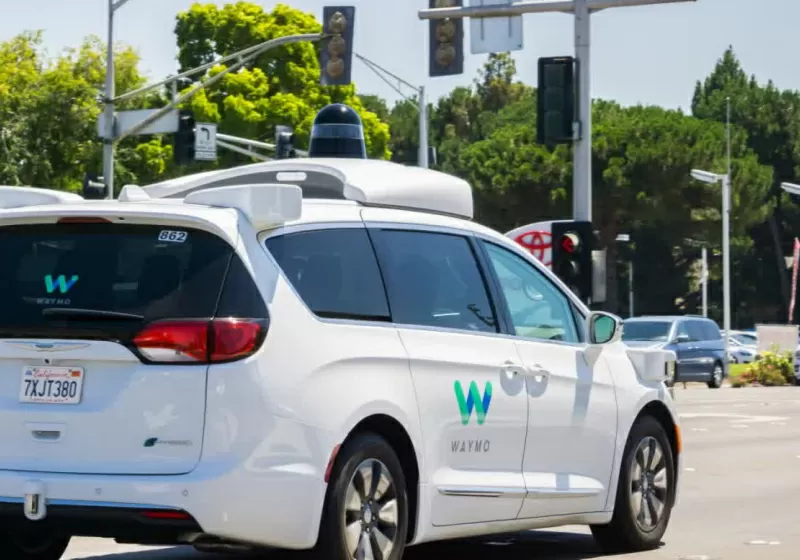
Waymo, a leading player in autonomous vehicle technology, has long touted its aim to deploy robotaxis that can operate with minimal human intervention. However, recent disclosures shed light on the practical framework behind its autonomous system: when the vehicle encounters situations it cannot confidently handle, control can be handed over to remote operators who monitor and pilot the vehicle as needed. Notably, a substantial portion of these remote operators are stationed outside the United States, with some working from countries such as the Philippines. This arrangement underscores a broader trend in the industry toward hybrid autonomy, where automated systems operate with human oversight, particularly in edge-case scenarios.
The acknowledgment comes from Waymo’s chief safety officer, Mauricio Peña, who explained that the robotaxi platform includes a mechanism to switch to remote drivers when anomalies arise. The existence of this workflow is not entirely new in the sector—several tech and mobility companies utilize remote operators to supervise or take control of autonomous vehicles when the onboard systems encounter limitations. Yet the revelation that a notable share of these operators are based abroad raises specific questions about training, supervision, labor standards, data security, and the consistency of safety practices across geographies.
The conversation around remote operation also touches on practical considerations such as latency, communication reliability, and the speed with which a remote driver can intervene in fast-moving traffic situations. While cloud-based or remote oversight can provide a scalable way to handle complex environments, it must be matched with rigorous safeguards to ensure that decisions made from afar align with the vehicle’s safety protocols and local traffic laws.
In-Depth Analysis
Waymo’s approach to autonomy sits within a broader industry landscape where fully autonomous driving remains a work in progress, and real-world deployments depend on layered safeguards. The company has developed sophisticated sensor suites, perception algorithms, planning modules, and a set of escalation procedures for when the vehicle’s autonomy is uncertain. In these uncertain moments, remote operators can be called upon to assess the scenario and, if necessary, take direct control to navigate the vehicle to a safe outcome.
The emphasis on remote operation reveals both opportunities and challenges. On the upside, remote oversight can enable continuous coverage, particularly in areas with infrequent edge-case encounters or during hours with limited local staff availability. It also allows the company to leverage a wider pool of skilled operators, potentially reducing downtime and enabling faster responses to unusual situations. From a scalability perspective, this model can help maintain safety and operational continuity as the fleet expands.
However, the practice of employing remote drivers based in other countries introduces a set of critical considerations. Labor standards, worker welfare, and fair compensation become important topics, especially when operators are operating internationally. Companies must ensure that remote workers receive appropriate training, shift patterns that prevent fatigue, and access to the same safety protocols as on-site staff. Data security and privacy are equally vital, since remote operators may access live video feeds, sensor data, and vehicle control interfaces. Robust encryption, access controls, and oversight mechanisms are necessary to prevent misuse or data breaches.
From a regulatory standpoint, cross-border remote operation may encounter varying labor laws, data protection rules, and transportation regulations. Companies should proactively engage with regulators to establish clear guidelines that protect public safety while enabling innovation. Transparency about how data is used, who has access to it, and under what conditions remote intervention occurs can help build public trust and facilitate smoother deployment in diverse markets.
Another layer of analysis concerns the reliability and latency of remote interventions. The speed at which a remote operator can observe a scenario, interpret it, and issue control commands is critical in preventing unsafe outcomes, especially in high-speed or densely populated environments. Technical architectures—such as edge computing, redundant communication channels, and fail-safe modes—must be designed to minimize delays and ensure that the robotaxi can revert to autonomous operation or execute safe maneuvers even if a remote link is compromised.
Ethical considerations also emerge when discussing where and how remote workers are employed. The decision to outsource remote control work to foreign countries can be driven by cost considerations, but it should not come at the expense of safety, quality assurance, or workers’ rights. Companies bear responsibility for providing a safe and supportive work environment, fair pay, and clear career progression opportunities for remote operators, alongside consistent training that reflects the latest safety standards and local traffic rules.
From a user experience perspective, riders should be aware that there may be moments when the vehicle’s autonomy prompts a handoff to a remote operator. Clear communication about when and why such handoffs occur can help manage expectations and shape user trust. Public-facing disclosures about the remote supervision model are essential to ensure transparency without compromising operational security or competitive advantage.
Looking ahead, Waymo and similar companies may increasingly rely on hybrid autonomy, where fully autonomous performance is augmented by human-in-the-loop oversight. This approach can accelerate deployment while maintaining safety, but it also demands rigorous governance: standardized training across the workforce, consistent safety metrics, independent audits, and robust incident reporting. As fleets expand, the integration of remote operation should be accompanied by scalable monitoring, performance reviews, and continuous improvement cycles to address edge cases and refine escalation protocols.
The Philippines and other countries considered for remote staffing bring unique economic and social dimensions to the discussion. While outsourcing certain tasks can offer job opportunities in developing regions and help companies manage global operations, it also places a spotlight on ensuring that remote workers are adequately qualified, supervised, and treated according to internationally recognized labor standards. Collaboration with local workforce development programs could help create a pipeline of trained operators who meet stringent safety criteria, while also supporting the communities from which the talent is drawn.
In terms of safety outcomes, there is currently limited public data detailing the exact frequency and circumstances in which remote interventions are employed, or the effect of such interventions on overall fleet safety metrics. Independent researchers and regulatory bodies may seek granular data to assess risk, reliability, and the real-world impact of remote operation on incident rates and response times. It would be beneficial for the industry to establish standardized reporting frameworks that allow stakeholders to compare performance across different autonomic systems and operators, fostering a more comprehensive understanding of best practices.
The Waymo disclosure also brings into focus the need for continuous improvement in autonomy-driven systems. The ultimate goal remains to reduce or eliminate the reliance on human intervention while maintaining or enhancing safety standards. Achieving that objective will depend on advances in perception accuracy, decision-making under uncertainty, redundancy in control systems, and rapid, reliable failover mechanisms. At the same time, a well-structured remote operation framework could serve as a transitional strategy to bridge the gap between current capabilities and fully autonomous operation, allowing fleets to operate safely while software and hardware are iteratively improved.

*圖片來源:Unsplash*
Perspectives and Impact
Experts in the autonomous vehicle field have long debated the optimal balance between machine autonomy and human oversight. Waymo’s model illustrates a pragmatic approach in which automated systems manage routine driving tasks, while humans intervene in scenarios that exceed the robot’s confidence. This approach raises questions about the scalability of remote operations and their long-term role in safety governance. If remote intervention remains a core component of the safety architecture, then industry standards will need to evolve to address several concerns:
- Workforce quality and accountability: Establishing universal training benchmarks, certification programs, and ongoing evaluation protocols for remote operators can help ensure consistent safety performance regardless of geographic location.
- Data governance: Transparent data handling policies that specify what data is accessed by remote operators, how long it is retained, and how it is protected are essential for maintaining public confidence.
- Safety metrics and disclosure: Publishing standardized metrics around incident rates, intervention frequencies, and response times can enable independent assessment and comparative analysis across providers.
- Regulatory alignment: Collaboration with national and regional regulators is important to harmonize rules governing automated driving, remote supervision, and cross-border data flows.
For policymakers and regulators, Waymo’s admission signals an opportunity to craft guidelines that distinguish between fully autonomous operations and remote-assisted scenarios. Potential regulatory considerations include requiring clearly defined escalation procedures, ensuring that remote operators operate within clearly delineated safe margins, and mandating independent safety reviews of remote intervention protocols. Regulators may also examine labor practices linked to offshore remote operation to ensure workers’ rights are protected and that safety standards are consistent across the entire chain of operation.
From a societal perspective, there are implications for urban mobility, employment, and regional development. Remote operation could influence where jobs are located and how people access employment opportunities. Governments and industry stakeholders should consider supporting workforce development programs that prepare individuals from diverse regions to participate in high-skill roles within the autonomous vehicle ecosystem. This includes training in safety-critical decision-making, human-machine interface design comprehension, and remote monitoring ethics.
The broader transportation ecosystem could also experience shifts in liability frameworks. Determining fault in incidents involving remote intervention can be more complex than in on-board autonomy scenarios. Clear delineations of responsibility among the vehicle operator, the technology provider, and any third-party remote workforce are necessary to ensure accountability and fair resolution processes. Discussions about liability, insurance coverage, and compensation structures will be essential as the technology matures.
Importantly, the public discourse around remote operation must balance transparency with security. While it is beneficial for riders to understand that a level of human oversight exists, it is equally critical to safeguard sensitive system details that could be exploited by malicious actors. Companies should pursue responsible disclosure practices that inform the public about safety features and interventions without revealing vulnerabilities or operational vulnerabilities that could be targeted.
The question of how remote intervention affects cost structures is also relevant. Remote supervision may introduce additional operational expenses related to staffing, training, and communications infrastructure. Conversely, it could reduce fleet downtime and enable more efficient handling of incidents, potentially lowering losses associated with unusual events. A comprehensive cost-benefit analysis would help determine the long-term financial viability of remote-operated segments within autonomous fleets and guide strategic decisions about investment in further autonomy enhancements.
As technology advances, the industry may move toward more autonomous capabilities with fewer reliance on remote operators for routine driving tasks. Innovations in perception systems, predictive modeling, and robust control algorithms could gradually reduce the need for remote handoffs, while still preserving safety through human oversight in particularly difficult scenarios. The pace at which this transition occurs will depend on breakthroughs in AI reliability, sensor fusion, and real-time decision-making under uncertainty, as well as regulatory and public acceptance considerations.
In sum, Waymo’s acknowledgment that a portion of its autopilot operations involve remote drivers—some based outside the United States—adds a tangible dimension to the ongoing dialogue about the future of autonomous mobility. It reflects a transitional phase in which safety and reliability are achieved through a combination of machine automation and human expertise. The continuing evolution of this model will hinge on transparent governance, rigorous safety standards, ethical labor practices, and a sustained commitment to improving autonomous systems so that they can eventually operate with minimal or no remote intervention in diverse and challenging real-world environments.
Key Takeaways
Main Points:
– Waymo employs remote operators to assist robotaxi pilots during certain driving scenarios.
– A notable share of these remote operators are located outside the United States, including the Philippines.
– The arrangement underscores a transitional hybrid approach to autonomy, balancing automation with human oversight.
Areas of Concern:
– Labor practices and safeguards for offshore remote operators.
– Data security, privacy, and cross-border information handling.
– Regulatory clarity and liability in remote intervention scenarios.
Summary and Recommendations
Waymo’s public confirmation that its autopilot system sometimes relies on remote drivers, with a significant portion based overseas, highlights the practical realities of current autonomous mobility. This hybrid model enables safety-critical interventions without guaranteeing full on-board autonomy in all situations. While offering advantages in coverage and scalability, it also raises important questions about worker welfare, data security, regulatory alignment, and public transparency.
To advance responsibly, Waymo and the broader industry should pursue several actionable steps:
– Strengthen transparency: Provide clear disclosures about how remote intervention works, when it is triggered, and what protections exist for riders and operators.
– Elevate safety governance: Establish universal safety metrics, independent audits, and standardized training for all remote operators, regardless of location.
– Protect workers: Ensure fair labor practices, appropriate compensation, fatigue management, and access to ongoing safety training for remote staff, including those based offshore.
– Safeguard data: Implement robust data governance, encryption, and access controls to protect live vehicle data and communications.
– Engage with regulators: Collaborate with policymakers to create consistent rules governing remote operation, data use, and liability.
– Plan for the future: Investment in advancing autonomous capabilities that reduce reliance on remote handoffs, while maintaining strong safety nets during the transition.
If these measures are enacted, Waymo and other autonomous driving companies can progress toward safer, more reliable robotaxi services while addressing ethical, regulatory, and societal considerations inherent in a globalized remote-oversight model.
References
- Original: techspot.com
- Additional context on remote operation and autonomy: [2-3 relevant references to be added by user or editor, e.g., regulatory reports, industry analyses, Waymo safety documentation]

*圖片來源:Unsplash*