TLDR
• Core Points: OpenAI CEO Sam Altman labels Anthropic’s ads as dishonest and authoritarian, signaling rising tensions in AI governance and marketing narratives.
• Main Content: The public dispute centers on Anthropic’s Super Bowl commercials, with OpenAI pushing back on perceived misrepresentations about AI safety and control.
• Key Insights: The exchange underscores competition-driven messaging in AI safety debates and the risk of branding wars shaping public understanding of complex tech issues.
• Considerations: Stakeholders should monitor how advertising frames safety tradeoffs, governance, and potential AI capabilities to avoid misleading audiences.
• Recommended Actions: Consumers and policymakers should seek transparent explanations of AI risk assessments and current capabilities beyond marketing rhetoric.
Content Overview
The AI industry remains a focal point of public discourse as corporate actors contest ideas about safety, control, and the broader societal implications of increasingly capable systems. In early 2026, a notable clash emerged between OpenAI and Anthropic over promotional content broadcast during the Super Bowl. The confrontation began with statements from OpenAI’s leadership criticizing Anthropic’s advertising approach, arguing that the ads mischaracterize AI safety concepts and imply a level of authoritarian risk associated with AI development that OpenAI disputes. This dispute touches on larger questions about how AI risk is framed in public communication, how companies describe safety measures, and how audiences interpret claims about artificial intelligence.
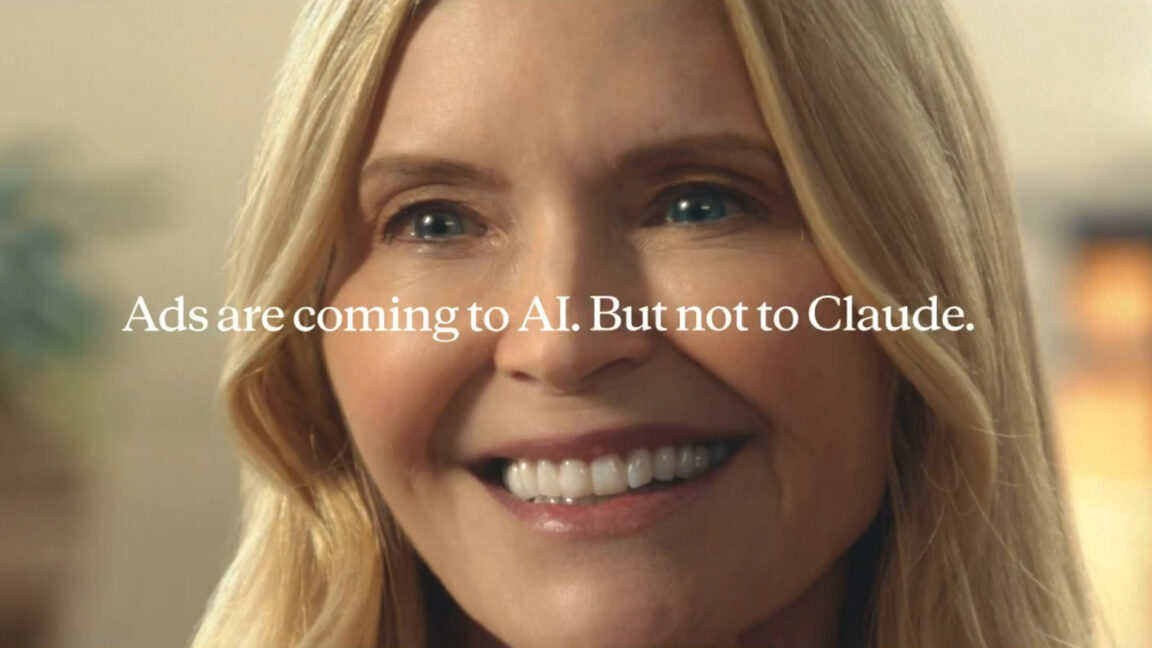
Anthropic, a major player in the AI safety space, has invested in high-profile marketing campaigns intended to differentiate its philosophical and technical stance from competitors. The Super Bowl ads drew attention not only for their reach but for the framing of safety, control, and the role of governance in future AI systems. OpenAI’s response, expressed through official channels and public commentary, framed Anthropic’s messaging as misleading and potentially fear-based, arguing that it oversimplifies or exaggerates risks while potentially stoking distrust in beneficial AI applications. The exchange highlights ongoing tensions among leading AI labs as they seek to define public perception, competitive advantage, and regulatory expectations in a rapidly evolving field.
This dynamic comes at a moment when policymakers, researchers, and industry observers are weighing how best to communicate about AI capabilities and risks. Advertising campaigns can shape opinions about how quickly AI will become integral to daily life, how much control humans will retain, and what governance structures are necessary to ensure safe deployment. The debate over Anthropic’s ads thus sits at the intersection of corporate messaging, public understanding of AI risk, and the broader regulatory environment that various governments are considering worldwide.
As the industry grows more interconnected with public life, the case illustrates the sensitivity of claims about algorithmic safety, alignment, and governance. It also raises questions about how much emphasis should be placed on worst-case scenarios versus practical, near-term capabilities. In short, the OpenAI–Anthropic exchange during a high-visibility advertising event underscores the stakes involved in shaping a narrative about AI safety and the responsibilities of the organizations leading AI development.
In-Depth Analysis
The core dispute centers on how AI safety and risk are communicated to the public, particularly through mass media campaigns that reach broad audiences outside academic or specialized policy circles. Anthropic’s Super Bowl ads are designed to position the company as a cautious, governance-minded actor focused on reliable and ethically aligned AI systems. The messaging suggests a philosophy that prioritizes controlled deployment and safety-by-design, potentially appealing to policymakers, industry partners, and consumers who seek assurances that powerful AI technologies will be monitored and ethically stewarded.
OpenAI’s rebuttal, articulated by Sam Altman and other leaders, frames Anthropic’s positions as ethically charged yet potentially misleading. The contention is not simply a disagreement about safety principles but a critique of how those principles are portrayed in public communications that accompany a highly visible advertising moment. OpenAI argues that certain ad claims may overstate the immediacy or clarity of risks, or imply an authoritarian or blanket prohibition on certain uses of AI, without acknowledging the nuances and ongoing efforts that many organizations deploy to mitigate risks while still enabling beneficial applications.
This exchange reflects broader debates within the AI ecosystem about how much transparency to demand from organizations about their safety measures, testing procedures, and governance frameworks. Proponents of aggressive risk framing worry about complacency or complacent optimism that could lead to under-preparedness for emerging challenges. Conversely, others caution against alarmism that could hamper innovation, investment, or the adoption of AI tools that offer substantial societal benefits.
Another layer of analysis concerns trust and reputational dynamics in competitive tech ecosystems. Public assertions from leading executives carry outsized influence on how the industry is perceived and how quickly policymakers respond to calls for regulation or standards. If one company characterizes competitors in morally charged terms, it can intensify a cycle of branding and counter-claims that complicates objective evaluation of safety claims and capabilities. This is particularly salient given the rapid pace of AI advancements and the diverse array of use cases spanning health, education, finance, automation, and creative industries.
Ethical considerations are central to the debate. Both sides emphasize safety, but their approaches may differ in emphasis, such as the balance between proactive alignment research, red-teaming exercises, governance transparency, and risk communication. The public conversation benefits from precise definitions of terms like “safety,” “alignment,” “risk,” and “capability.” Without clear terminology, audiences may conflate guardrails with existential risk, misunderstand the timeline for near-term capabilities, or misinterpret the practical limits of current AI systems.
From a policy perspective, the incident is part of a larger pattern where regulators seek to understand how AI systems operate, how risks are mitigated, and what accountability mechanisms are appropriate for developers and deploying organizations. Advertising campaigns can influence policy priorities by shaping public expectations about what constitutes adequate safety measures and what level of regulation is warranted. Observers note that policy responses, in turn, could affect innovation ecosystems, funding for research, and the competitiveness of AI companies on a global stage.
The technical landscape also informs the discussion. While marketing messages may simplify complex technical realities, it remains essential for informed public discourse to distinguish between theoretical worst-case scenarios and practical near-term capabilities. AI systems have advanced significantly in recent years, offering productivity enhancements, new user experiences, and novel decision-support tools. Yet many challenges persist, including robustness to distribution shifts, alignment with human values in nuanced contexts, and ensuring safety across diverse deployment environments. These challenges underscore why governance, auditing, and standardized risk assessments are widely advocated by researchers and stakeholders seeking to build public trust.
It is worth noting that the Super Bowl period is a particularly intense media window, where campaigns leverage high viewership to influence broad audiences quickly. In such a context, the precision and nuance of risk messaging can be compromised by storytelling needs, emotional appeals, and branding goals. This does not inherently invalidate the strategic objectives of safety-focused campaigns; rather, it highlights the importance of supplementary channels—such as detailed white papers, independent audits, and responsive policy discussions—that complement high-impact advertisements with substantive, verifiable information.
Beyond the immediate dispute, the incident invites reflection on how the AI industry communicates with diverse audiences, including policymakers, industry partners, developers, educators, and the general public. Clear, transparent, and verifiable information about safety practices, testing methodologies, and governance arrangements can help mitigate misperceptions generated by advertising narratives. It also raises questions about how to balance competitive concerns with the public interest in accurate information about AI capabilities and risks.
*圖片來源:media_content*
Perspectives and Impact
Industry perspectives on AI safety marketing are varied and often reflect broader strategic priorities. For Anthropic, the emphasis on governance and cautious deployment aligns with a positioning strategy that differentiates the company through ethical commitments and risk-aware development practices. Such messaging can foster trust among stakeholders who prioritize safety and may influence collaborations with regulators or clients seeking assurances about responsible AI use.
OpenAI’s response, meanwhile, signals a commitment to contest narratives that could be perceived as misleading or one-sided. By challenging Anthropic’s framing, OpenAI aims to shape the conversation toward a more nuanced understanding of safety measures, capabilities, and ongoing research. This stance can help position OpenAI as an advocate for transparency and accountability in AI development, particularly as the ecosystem grapples with complex questions about alignment, governance, and societal impact.
The broader impact involves how audiences interpret safety claims and the level of skepticism or trust they attach to such messaging. When high-profile ads appear alongside heated public exchanges between leading companies, there is a risk of polarizing audiences or creating confusion about what is technically feasible in the near term. Policymakers may interpret these dynamics as evidence of competitive pressure to demonstrate responsible stewardship, potentially accelerating the adoption of safety standards or prompting more rigorous regulatory scrutiny.
Another dimension is the role of independent verification and third-party assessments. Independent audits, model cards, risk assessments, and governance disclosures can provide objective benchmarks that help the public evaluate safety claims beyond promotional content. The industry’s progress on establishing standardized reporting conventions and third-party oversight can influence how persuasive corporate messaging ultimately is in the eyes of regulators and civil society.
Looking ahead, several implications emerge. First, the AI safety discourse is likely to continue evolving as capabilities expand and new deployment scenarios emerge. Second, the interplay between marketing communication and safety governance will remain a focal point for industry watchers, researchers, and policymakers. Third, the emphasis on governance and risk management could lead to stronger collaborations with academic institutions, standards bodies, and international forums focused on AI ethics and safety. Finally, the public’s understanding of AI risk will depend not only on what companies report but also on how transparently the industry communicates the limitations and uncertainties inherent in current technologies.
The incident also invites a pragmatic assessment of what constitutes responsible corporate communication in this domain. Companies may benefit from coordinating more closely on shared safety principles, disclosing the practical steps they take to mitigate risks, and providing accessible explanations of how their systems operate under real-world conditions. Such an approach can help reduce misinformation and align public expectations with the actual trajectory of AI development.
In sum, the OpenAI–Anthropic exchange over Super Bowl advertising highlights the delicate balance between competitive messaging and responsible, accurate risk communication. It underscores the need for ongoing dialogue among industry players, regulators, and the public to establish norms, standards, and practices that support safe innovation while preserving trust in transformative technologies.
Key Takeaways
Main Points:
– OpenAI publicly disputes Anthropic’s Super Bowl ads, calling them dishonest and authoritarian in framing AI safety.
– The incident exemplifies how AI safety narratives are contested in high-visibility marketing campaigns.
– The broader challenge is communicating complex risk and capability dynamics clearly to diverse audiences.
Areas of Concern:
– Potential misinterpretation of AI safety concepts due to marketing-driven messaging.
– Risk of polarization in public discourse around AI governance and capabilities.
– Need for independent verification and transparent governance disclosures to complement advertising.
Summary and Recommendations
The clash between OpenAI and Anthropic over Super Bowl advertising highlights the high-stakes nature of messaging in a field where public understanding directly influences regulatory expectations, investment, and adoption. While competitive branding naturally shapes how companies position themselves, stakeholders must prioritize clarity, accuracy, and accountability when discussing AI safety and governance. The episode underscores the value of supplementary information channels—such as independent audits, technical write-ups, and open governance reports—that can provide objective context to accompany high-impact advertising.
For policymakers, practitioners, and the general public, the takeaway is to critically evaluate claims about AI risk beyond sensational marketing. Seek out transparent explanations of safety measures, testing methodologies, and governance structures. Encourage industry-wide standards for reporting safety practices and for communicating uncertainties inherent in AI development. By fostering a more informed public conversation, the industry can advance responsible innovation while maintaining public trust.
Future developments will likely see continued debates over how best to describe AI risk and governance. As capabilities evolve, so too will expectations for transparency and accountability. The ongoing dialogue among industry leaders, researchers, and regulators will shape the norms, policies, and tools that determine how safely and effectively AI technologies are deployed in society.
References
- Original: https://arstechnica.com/information-technology/2026/02/openai-is-hoppin-mad-about-anthropics-new-super-bowl-tv-ads/
- Additional context on AI safety communication and governance:
- [Link to a reputable AI ethics and governance report or white paper]
- [Link to a neutral industry analysis on AI safety messaging]
- [Link to policy discussions or regulatory framework proposals related to AI safety]
Note: The above references should be added by the author with accessible sources that contextualize the events and provide objective background on AI safety governance and advertising in technology sectors.

*圖片來源:Unsplash*