TLDR
• Core Points: 2026 garden trends emphasize climate resilience, low-maintenance design, biodiversity, and tech-enabled smart gardening for enjoyable, eco-conscious outdoor spaces.
• Main Content: Expect drought-tolerant planting, edible landscapes, multi-functional outdoor rooms, and sustainable materials, all enhanced by smart sensors and data-driven gardening.
• Key Insights: A shift toward water-wise and wildlife-friendly gardens, combined with accessible DIY projects and professional collaboration for ambitious spaces.
• Considerations: Cost, maintenance expectations, regional climate diversity, and ensuring ecosystem balance amidst rapid trend adoption.
• Recommended Actions: Start with a drought-tolerant foundation, diversify plantings for pollinators, plan modular outdoor rooms, and integrate smart tools gradually.
Content Overview
As homeowners increasingly view the garden as an extension of the home and a sanctuary for both people and wildlife, the garden landscape in 2026 centers on practicality, sustainability, and enjoyment. This year’s trends reflect a broader shift toward climate-aware design, prioritizing water efficiency, soil health, and biodiversity without sacrificing beauty or accessibility. Gardeners are embracing components that require less maintenance while delivering higher rewards—season-long interest, productive harvests, and inviting outdoor living spaces. The result is gardens that survive and thrive in changing weather patterns, cater to diverse ecosystems, and align with modern technology to simplify care. Whether you’re renovating an existing space or starting from scratch, the trend lines offer a blueprint for creating resilient, vibrant outdoor environments.
In-Depth Analysis
Redefining the backbone of modern gardening in 2026 is the emphasis on resilience. Water scarcity and warmer summers have pushed designers and homeowners toward drought-tolerant plant palettes and efficient irrigation strategies. Native and well-adapted species are favored, reducing water needs while supporting local fauna. From ornamental grasses to Mediterranean-inspired perennials, the plantings are chosen not only for beauty but for their ability to endure heat and dry spells. The rise of rainwater harvesting and smart irrigation controllers further reduces consumption, delivering precise watering for zones that require it most.
Edible landscapes continue to gain traction, blending food production with aesthetics. Kitchen gardens expand beyond row crops to incorporate fruit trees, berry shrubs, and ornamental edibles that double as focal points or screening. Raised beds, vertical planters, and compact harvestable varieties enable small urban plots to yield fresh produce. The move toward edible landscaping reflects a practical approach to gardening: beauty plus function, with a harvest that can be enjoyed daily.
Low-maintenance design remains a cornerstone of 2026 garden trends. Homeowners seek spaces that offer visual impact with minimal upkeep. This drives the popularity of groundcovers, mulch-first beds, and plant groupings that require infrequent pruning or seasonal cleanups. Garden plans emphasize mass plantings, layering, and texture to preserve interest across seasons without heavy labor. Hardscapes—such as permeable pavers, composite decking, and year-round outdoor furniture—reduce the ongoing maintenance burden while maximizing outdoor usability.
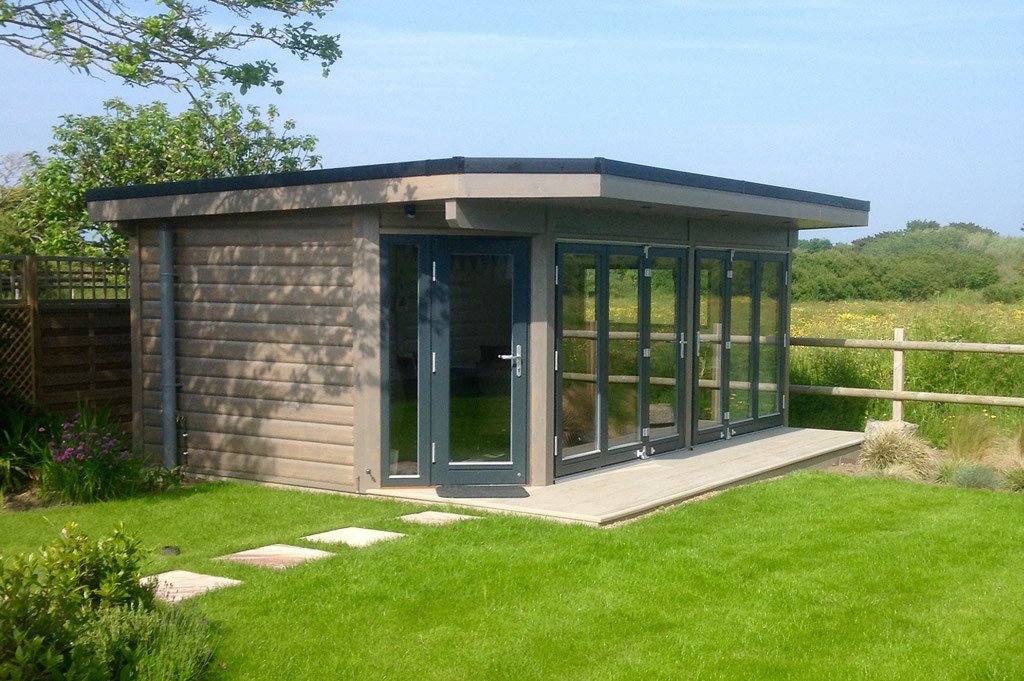
Outdoor rooms and multifunctional spaces dominate contemporary garden layouts. The concept of a garden as an extension of living space continues to grow, with distinct zones for dining, lounging, cooking, and play. Flexible furniture arrangements, weatherproof textiles, and integrated lighting create inviting, usable spaces year-round. Designers are blending soft plantings with architectural elements—trellises, screens, and vertical gardens—to add privacy and structure to these outdoor rooms.
Sustainable materials and circular design patterns influence both plant choices and hardscape. Reclaimed timber, recycled metal, and durable composites are favored for their longevity and lower lifecycle impact. The trend toward sustainable sourcing also extends to fertilizers and soil amendments, with a preference for organic, slow-release options and composting to enrich soil health. This eco-conscious approach aligns aesthetics with environmental stewardship, ensuring gardens remain vibrant without compromising planetary resources.
Biodiversity is championed as a core design principle. Pollinator-friendly plantings, hedgerows, and habitat features such as insect hotels, bird feeders, and shallow ponds attract beneficial wildlife and enhance ecological balance. Diverse plantings also reduce pest pressure and create resilient ecosystems that adapt to shifting climate conditions. Gardeners are increasingly intentional about cultivating a tapestry of color, scent, and texture that supports a wide range of species throughout the year.
Smart gardening technology makes maintenance smarter, not harder. Sensors monitor soil moisture, light levels, and microclimates, allowing precise watering and plant care. Apps provide reminders, pest alerts, and seasonal care calendars, enabling novices to grow with confidence while enabling seasoned gardeners to optimize performance. Automation and remote monitoring deliver convenience and consistency, encouraging more people to adopt sophisticated practices without overwhelming complexity.
Aesthetic evolution privileges color, texture, and design coherence. Neutral palettes combined with pops of vibrant bloom create year-round interest. Strategic lighting, architectural forms, and sculptural plantings contribute to night-time appeal, while evergreen structure provides continuity through winter. The result is gardens that look intentional and polished in every season, from bright spring mornings to tranquil winter evenings.
Sustainable hydration and irrigation practices are mainstream. Drip irrigation, smart controllers, and rainwater capture systems are becoming standard components, especially in regions with water restrictions. Mulching remains a simple yet powerful method to conserve moisture and suppress weeds. Landscape design increasingly incorporates soil health as a foundational concern, with compost, green manures, and soil testing guiding plant choices and fertility management.
Accessibility and inclusivity influence garden design. Elevation changes, wide paths, and seating options consider mobility and comfort for all ages. Raised beds and ergonomic tools reduce physical strain, while sensory-rich planting schemes appeal to visitors with varying abilities. The goal is to create welcoming spaces that people can enjoy independently or with family and friends.
Climate-adaptive plants are selected with regional nuance. Gardeners consider local microclimates, soil conditions, and seasonal temperature patterns when choosing species. This practical approach helps ensure that plantings perform well with less intervention, reducing the need for constant replacement and maintenance.

*圖片來源:Unsplash*
As gardeners increasingly blend aesthetics with practicality, there is a growing emphasis on narrative planting—designs that tell a story through color, texture, and structure. Seasonal transitions are celebrated with shifting palettes and architectural accents that guide the eye through the space, creating a cohesive, immersive outdoor experience.
Perspectives and Impact
The 2026 garden trends collectively reflect a broader shift toward sustainable living, climate resilience, and accessible outdoor enjoyment. By prioritizing water-wise planting and efficient irrigation, homeowners can reduce their environmental footprint while maintaining lush, inviting spaces. The integration of edible landscapes signals a practical move toward food security and self-sufficiency, even in compact urban lots. This aligns with a growing cultural emphasis on wellness, outdoor recreation, and the restorative value of time spent outdoors.
Biodiversity-focused design has implications for environmental health beyond the garden perimeter. By providing habitat for pollinators and wildlife, home gardens support broader ecological networks, which can bolster local biodiversity and resilience against pests and climate shocks. The trend toward multi-functional outdoor rooms expands living space, encouraging healthier lifestyles and social connection while potentially increasing property value.
The adoption of smart gardening technologies lowers the barrier to sophisticated horticulture. For beginners, step-by-step guidance and automation simplify learning curves. For experienced gardeners, data-driven insights enable more precise care and experimentation. This tech-enabled approach democratizes access to high-performance gardening, enabling more people to achieve beautiful, productive spaces.
However, these trends also introduce considerations for homeowners. Initial costs for drought-tolerant plants, smart controllers, and sustainable materials can be significant. Ongoing maintenance expectations may rise if homeowners pursue complex multi-zone systems or high-tech sensors. Regional variations mean what works in one climate may be unsuitable in another, underscoring the importance of local knowledge and soil testing. Responsible garden design should balance trend adoption with ecological balance, ensuring introduced species do not disrupt native ecosystems.
Education and professional collaboration will shape the successful realization of 2026 garden trends. Landscape designers, horticulturists, and urban planners can help translate broad trends into site-specific solutions. DIY enthusiasts can benefit from clear guidelines and scalable ideas that match their skill level, gradually expanding their gardens as confidence and resources allow.
Overall, the 2026 trends emphasize a holistic approach to gardening—one that blends beauty, practicality, and environmental responsibility. By prioritizing resilience, biodiversity, and user-friendly design, homeowners can create outdoor spaces that are enjoyable year-round, supportive of local ecosystems, and adaptable to a changing climate.
Key Takeaways
Main Points:
– Emphasis on drought-tolerant, climate-resilient planting and efficient irrigation.
– Growth of edible landscapes integrated with ornamental design.
– Expansion of outdoor living spaces into multi-functional rooms.
– Sustainable materials and circular design principles guide hardscape and soil practices.
– Biodiversity and pollinator-friendly gardens become central to design.
– Smart gardening technologies simplify care and expand accessibility.
– Low-maintenance strategies and modular design improve long-term viability.
– Local climate adaptation and soil health inform plant choices.
– Aesthetic sophistication with year-round interest remains a priority.
– Accessibility, inclusivity, and comfort influence layout and features.
Areas of Concern:
– Upfront costs and ongoing maintenance for high-tech systems.
– Potential ecological balance issues if non-native species dominate.
– Variation in climate suitability requiring region-specific planning.
Summary and Recommendations
For homeowners looking to align with 2026 garden trends, begin with a resilient foundation: select drought-tolerant, region-appropriate plants and install a water-wise irrigation system. Incorporate edible elements gradually—start a small herb or berry patch, then expand into fruiting shrubs or compact trees as space allows. Design outdoor rooms for flexibility: choose modular furniture, durable materials, and layered lighting to enable year-round use. Prioritize sustainability by using reclaimed or durable hardscape materials and integrating composting practices to feed soil health.
Adopt biodiversity-forward planting that supports pollinators and wildlife with a mix of native and well-adapted species. Include habitat features such as hedgerows, insect hotels, and shallow water sources to encourage a balanced ecosystem. Leverage smart gardening technology to monitor soil moisture, microclimates, and plant health, but implement these tools gradually to match comfort and budget. Finally, ensure accessibility and inclusivity by designing wide paths, comfortable seating, and ergonomic planting setups that invite participation across ages and abilities.
The overarching objective is to create a garden that is not only beautiful and functional but also resilient, sustainable, and welcoming to people and nature alike. With thoughtful planning and a phased approach, you can realize a 2026 garden that remains vibrant through shifting seasons and changing climates.
References
- Original: https://abeautifulspace.co.uk/10-large-garden-trends-everyone-will-be-trying-in-2026/
- Additional references:
- National Wildlife Federation: Garden for Wildlife tips and pollinator-friendly planting
- Royal Horticultural Society: Climate-resilient gardening guidance
- American Garden Design Journal: Edible landscapes and multi-functional outdoor spaces

*圖片來源:Unsplash*