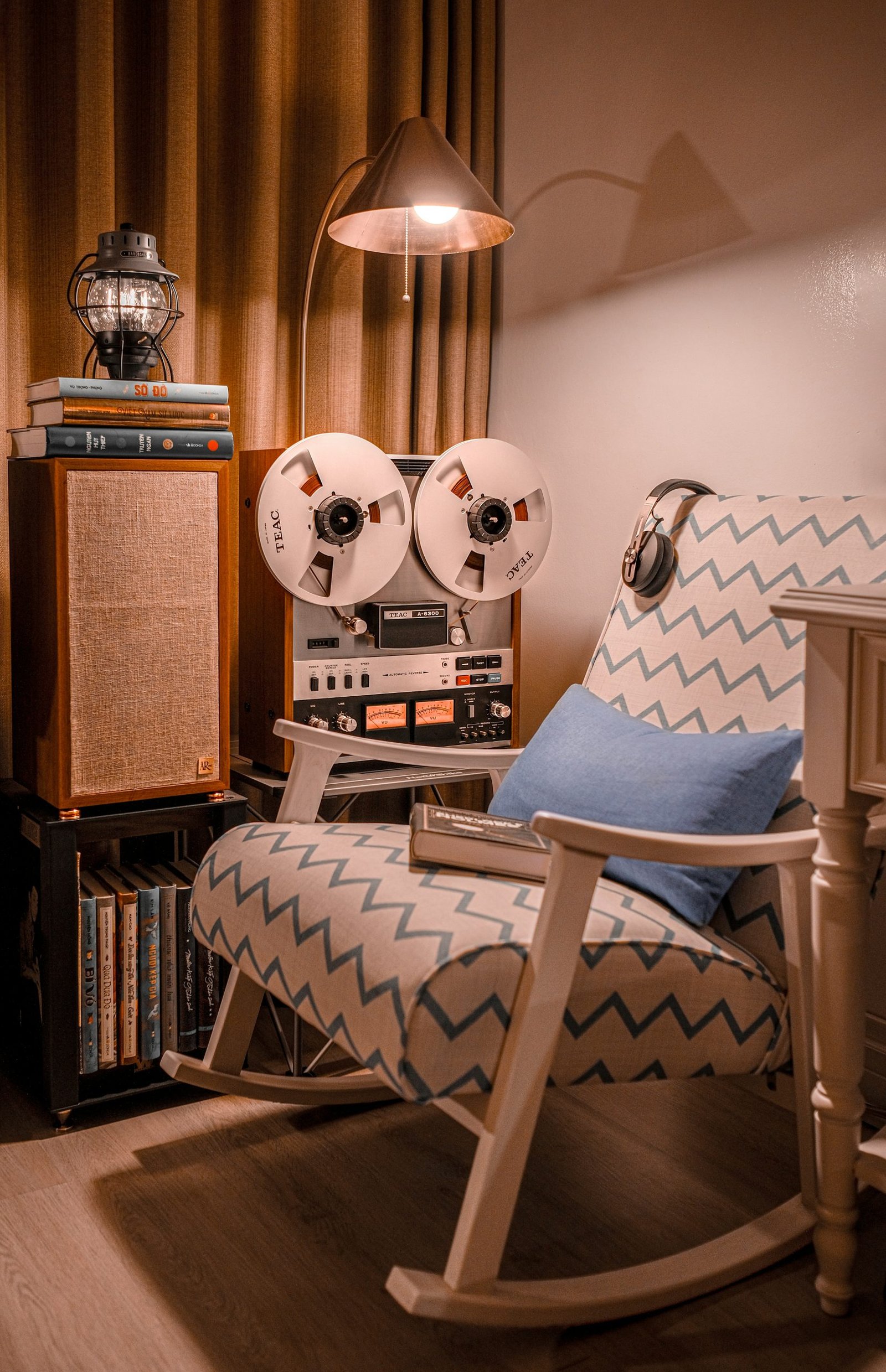
TLDR
• Core Points: The cosy corner trend blends comfort, texture, and personal storytelling to transform spaces into intimate refuges; it’s versatile across room types and design aesthetics.
• Main Content: Practical ways to create a cosy corner, plus the cultural appeal driving its popularity and how it fits into broader interior design movements.
• Key Insights: Layering textiles, lighting, and furniture with intention fosters warmth; adaptability makes it accessible for budgets and spaces.
• Considerations: Proportions, maintenance of clutter-free zones, and ensuring the corner remains inviting rather than overwhelmed.
• Recommended Actions: Identify a quiet, well-lit nook; select a cohesive color palette; add soft textiles, lighting, and a small focal object; maintain balance.
Content Overview
The cosy corner concept has surged in popularity as a simple yet powerful approach to interior design. It centers on creating a small, inviting zone within a room—an alcove, a window seat, a corner near a bookshelf, or even a thoughtfully arranged chair and side table. The appeal lies in its promise of a personal retreat: a space where one can read, reflect, sip a warm drink, or simply pause from the daily rush. The trend does not demand a complete room overhaul; instead, it invites homeowners to curate a designated area that feels like a sanctuary, using a combination of texture, light, and carefully chosen accessories.
Designers and homeowners alike are drawn to the cosy corner for its flexibility. It can be rustic and hygge-inspired, modern and minimalist, or eclectic and maximalist, depending on existing decor and personal taste. The approach works across apartment layouts, petite nooks, and generously sized rooms. The core philosophy is timeless: transform a small footprint into a space that communicates calm, comfort, and a sense of belonging. This requires thoughtful composition—considering color, texture, scale, lighting, and the story conveyed by the objects within the corner.
Key elements that frequently appear in successful cosy corners include layered textiles (soft throws, cushions, and rugs), warm lighting (table lamps, string lights, or candles), and a focal point (a bookshelf, a fire feature, a window, or a framed artwork). The arrangement should invite relaxation without feeling cramped, balancing comfort with practical circulation space. When executed well, a cosy corner becomes a repeatable template for any room: a dedicated micro-environment that enhances mood, encourages downtime, and adds character to the home.
In the broader context of interior design trends, the cosy corner aligns with ongoing movements toward wellness, mindfulness, and personalized spaces. It complements biophilic design choices—plants, natural materials, and soft ambiences—while remaining adaptable for urban dwellers who may have limited square footage. The trend also mirrors a shift from mass-produced, minimalist aesthetics toward spaces that reflect individual narratives and textures. By focusing on tactile materials, ambient lighting, and meaningful accents, the cosy corner embodies a philosophy of “cozy without sacrificing style.”
This article explores seven reasons the cosy corner trend has become ubiquitous and offers practical guidance on how to create one in a way that remains faithful to personal taste and living realities. It also discusses considerations to keep in mind to maximize comfort, maintain balance within a room, and ensure the corner remains a functional, rejuvenating retreat rather than a decorative afterthought.
In-Depth Analysis
The rising popularity of the cosy corner trend can be traced to several interwoven factors. First, it taps into a universal human preference for personal, low-stakes spaces where one can decompress without leaving the home. In an era characterized by constant connectivity and busy schedules, a dedicated corner provides a portable sense of sanctuary. It is a small, attainable design strategy with outsized emotional payoffs: a place where one can pause, reflect, or simply pause the day with a book or a mug of tea.
Second, the trend benefits from the tactile appeal of textiles and materials. Textiles—plush throws, knitted cushions, and layered rugs—offer sensory cues of warmth. The interaction of soft surfaces with warm lighting creates a cozy atmosphere that can be tailored to any climate or season. Materials such as wool, boucle, linen, and wood bring depth and a natural, comforting feel to the corner, while reflecting light in ways that reduce perceived harshness in the room.
Third, lighting plays a critical role in establishing mood. Soft, layered lighting—ambient, task, and accent light—allows the corner to transform from a daytime reading nook to a nighttime sanctuary. The ability to dim, warm, or highlight certain elements makes the space adaptable to different activities, from concentration to relaxation. Candles and warm LED lamps can contribute to a sense of cosiness, while avoiding glare or visual clutter.
Fourth, the cosy corner’s modularity makes it accessible. Unlike a full-room redesign, a corner can be assembled with a modest budget and minimal disruption. A comfortable chair or window seat, a small side table, and a curated collection of objects can establish a powerful focal point. This makes the approach scalable—from a single chair tucked into a corner of a living room to a dedicated reading nook in a compact apartment.
Fifth, the trend aligns with broader design movements that favour lived-in, “collected” aesthetics. People increasingly value spaces that tell a story—where textiles, vintage finds, and personal memorabilia contribute to a sense of place. The cosy corner becomes a micro-stage for personal expression, enabling homeowners to experiment with color, texture, and form without needing an entire room reimagined.
Sixth, functional psychology supports the appeal of zdravé, or well-being oriented, spaces. A calm, well-organized corner reduces decision fatigue and offers a reliable retreat. By containing activities like reading, journaling, or meditative pauses, the corner supports mental health goals within the home environment. Its compact footprint makes it easier to maintain a sense of order, provided the space remains uncluttered and thoughtfully curated.
Seventh, the concept dovetails with the realities of urban living. In smaller homes or city apartments, dedicated nooks are often the most practical way to create functional zones. A cosy corner can serve multiple purposes—reading, working, or relaxing—depending on the time of day and needs, thus delivering value without requiring a significant alteration to floor plans.
Implementation best practices begin with clear intent. Start by identifying a vantage point with natural light or a quiet position away from high-traffic areas. Evaluate the dimensions to determine appropriate furniture. For example, a compact chair or a rounded lounge chair can anchor the space without dominating the room, while a slim side table can hold a tea cup, book, or plant. Layering is crucial: a base rug to delineate the area, a textured throw for warmth, cushions for comfort, and a lighting plan that allows shade and glow to coexist without glare.
Color strategy matters as well. A cohesive palette helps unify disparate elements and prevents the corner from appearing as an afterthought. Neutrals with soft accent tones tend to feel timeless, but splashes of color can inject personality when balanced with calming textures. If the room’s color story is bold overall, the cosy corner can adopt a subtler version of that palette or, conversely, become a gentle counterpoint with restrained hues.
Object curation is another essential factor. The corner should feature a few meaningful items rather than an excess of decor. A single art piece, a bookshelf, or a plant can serve as a visual anchor. Personal touches—cards, photographs, or travel mementos—humanize the space and reinforce its function as a retreat rather than a showroom.

*圖片來源:Unsplash*
Maintenance considerations should guide both purchases and arrangements. It is important to balance softness and durability so the space remains inviting even after daily use. Easy-to-clean textiles, removable cushion covers, and furniture with stain-resistant finishes can extend the corner’s lifespan. Regularly reassessing the area to remove clutter or relocate items that no longer serve the intended mood helps maintain its effectiveness.
From a design education standpoint, the cosy corner encourages designers and homeowners to think critically about proportion and scale. The corner should harmonize with adjacent furniture, not compete with it. The height and depth of seating, the width of the side table, and the footprint of any decorative elements should be selected to fit the room’s overall rhythm. By respecting scale, the cosy corner becomes a seamless part of the room’s narrative rather than a separate, disjointed addition.
Finally, the social and cultural implications of the cosy corner trend are worth noting. It reflects a cultural shift toward more intimate, self-curated living spaces in which people seek solace within the home. This trend can contribute to more thoughtful consumption—prioritizing quality over quantity, investing in durable materials, and valuing the character of a space. In the long term, the cosy corner could influence product design, encouraging manufacturers to create compact, modular pieces that fit easily into smaller rooms while maintaining comfort and flexibility.
Perspectives and Impact
The enduring appeal of the cosy corner lies in its universality and adaptability. It resonates across demographics, geographic regions, and architectural styles because it does not prescribe a single look. Instead, it provides a framework for personal expression that remains practical in everyday life. The corner is flexible enough to be seasonal: you can switch textiles, pillows, and lighting to reflect different times of year, producing a fresh sense of renewal without a complete renovation.
From a sustainability perspective, the cosy corner can be a practical manifestation of mindful consumption. Rather than pursuing a full makeover, homeowners can refresh a corner by repurposing existing furniture, reusing textiles, or selecting more durable, well-made pieces that endure. This approach aligns with movements toward longer product lifespans and reduced waste, particularly when combined with careful storage and rotation of accessories.
In terms of market impact, the trend encourages retailers to offer compact, versatile furniture and accessory options suited to small spaces. Designers may increasingly emphasize multi-functional pieces, like ottomans that double as storage, shelf units that accommodate plants and books, or lighting solutions that serve dual tasks (ambient and task lighting). As the trend matures, it could lead to more inclusive design resources that help people with varied budgets and space constraints achieve cosy corners without compromising style.
Future directions could see enhanced emphasis on ergonomics and user experience. With remote work continuing in many sectors, people seek comfortable, productive corners that serve as both rest spaces and work zones. Adjustable seating, lightweight modular furniture, and discreet, integrated cable management could become standard features. Additionally, advances in sustainable materials and lifecycle considerations will influence how corners are assembled and maintained over time.
Cultural conversations around the cosy corner may also expand beyond private homes to workplaces and public spaces. The idea of creating intimate, restorative zones could inform office design, libraries, cafes, and wellness-focused establishments. The underlying principle remains the same: spaces that invite pause, reflection, and connection are increasingly valued as essential components of daily life.
As designers and homeowners continue to explore how to craft these corners, education and guidance will help ensure the trend remains accessible and thoughtful. Clear guidelines about scale, materials, and lighting can empower people to create their own cosy corners, tailored to their rooms and lifestyles. The trend’s adaptability means it will likely endure, evolving with new materials, technologies, and design philosophies while retaining its core promise: a small, personal refuge built into the fabric of everyday living.
Key Takeaways
Main Points:
– The cosy corner is a versatile, small-scale design idea that creates a personal retreat within a room.
– Layered textiles, warm lighting, and careful furniture selection are essential to achieve comfort and atmosphere.
– The trend supports accessibility and adaptability, making it suitable for various spaces, budgets, and aesthetics.
Areas of Concern:
– Risk of clutter if not curated thoughtfully.
– Proportions and scale can be challenging in small or oddly shaped rooms.
– Over-focusing on aesthetics might undermine function if maintenance is neglected.
Summary and Recommendations
To implement a successful cosy corner, start by locating a quiet, well-lit area in your living space. Assess the available footprint and choose a comfortable chair or small lounge seating that fits without overpowering the room. Add a slim side table to hold a beverage, book, or plant, and layer in textiles—soft throws and cushions—to establish warmth. Introduce a focal element, such as a piece of art, a small bookshelf, or a plant, to anchor the space visually. Finish with lighting that can be adjusted for mood: a floor lamp near the seating, a table lamp for task lighting, and perhaps subtle ambient lighting like string lights or candles to evoke a sense of coziness.
Opt for a cohesive color palette that suits the room’s overall design, using neutrals with gentle accent tones or a chosen theme to unify disparate items. Keep decor to a curated handful of meaningful pieces to avoid visual clutter. Maintenance is essential: use durable fabrics, easy-to-clean surfaces, and removable cushion covers to simplify upkeep. Periodically reassess the corner to ensure it still serves your comfort and lifestyle needs and adjust objects as necessary to keep the space inviting and current.
As you experiment, consider how the cosy corner can evolve with you. Swap textiles seasonally, update lighting to reflect different times of day, or substitute a focal piece to refresh the mood. Remember that the goal is not perfection but a livable, welcoming zone that provides a sense of retreat within daily life. With thoughtful curation, a cosy corner can become a cherished everyday ritual—an adaptable sanctuary that enhances comfort, mood, and the overall character of your home.
References
- Original: https://abeautifulspace.co.uk/7-reasons-the-cosy-corner-trend-is-everywhere-how-to-create-one/
- Additional references:
- https://www.apartmenttherapy.com/
- https://www.housebeautiful.com/
- https://www.diynetwork.com/

*圖片來源:Unsplash*