TLDR
• Core Points: Small UK hallways can feel spacious with smart layout, lighting, and wall-mounted storage.
• Main Content: Practical decorating ideas include vertical storage, mirrors, light colors, slim furniture, and route-friendly layouts.
• Key Insights: Combining storage with style in narrow spaces requires balance, scale, and purposeful lighting.
• Considerations: Material durability, ease of access, and avoiding clutter are essential for longevity.
• Recommended Actions: Plan a to-scale layout, select multifunctional pieces, and test lighting and traffic flow before purchasing.
Content Overview
Narrow UK entrances often present a design challenge: how to make the first impression welcoming without sacrificing practicality. In compact hallways, every inch counts, and the goal is to maximise usable space while maintaining a cohesive, stylish feel that leads guests smoothly into the home. This analysis draws on common strategies used by interior décor professionals to transform tight spaces into functional, aesthetically pleasing entryways. The emphasis is on accessible ideas that can be implemented in real homes, with guidance on scale, materials, and lighting to ensure durability and ease of use. The following sections explore layout considerations, storage solutions, lighting tactics, and decorative touches that collectively enhance the small hallway experience.
In-Depth Analysis
Narrow hallways in the UK often measure a few feet in width and are found in housing styles ranging from Victorian terraces to modern flats. A thoughtful approach combines optical tricks, compact furniture, and smart storage to create the illusion of more space while improving daily functionality.
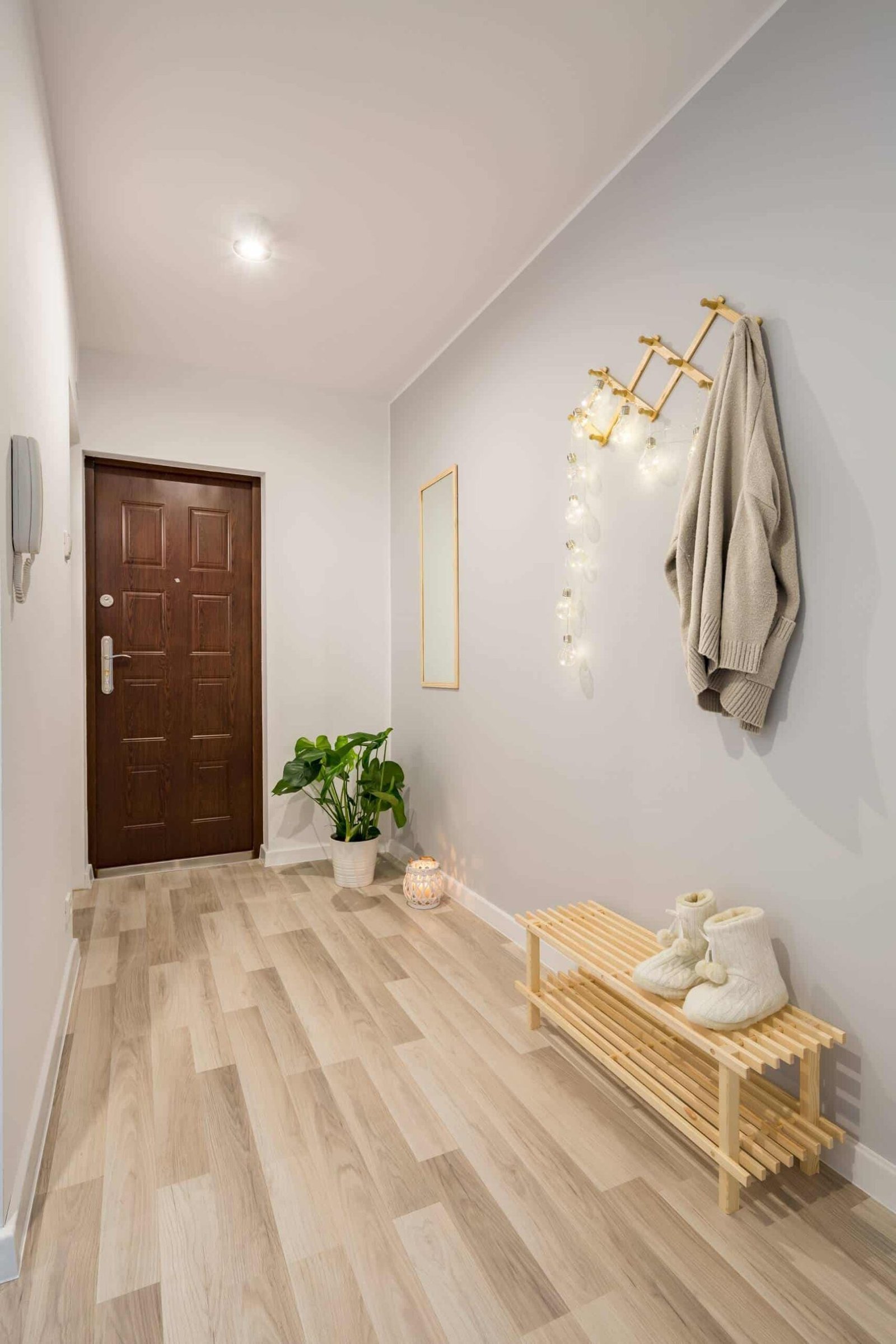
Layout and traffic flow: The first rule is to maintain clear pathways. In most narrow hallways, avoid placing large pieces directly in the primary walking line. Instead, consider slim console tables, wall-mounted cabinets, or floating shelves that maximize surface area without encroaching on movement. The aim is to keep a direct route from the front door to other rooms while offering convenient drop zones for keys, mail, and small items.
Vertical space usage: Height is an underutilized resource in small interiors. Tall, slim storage units, wall hooks, and narrow shoe cabinets can store a surprising amount of belongings without occupying precious floor space. Multi-purpose pieces, such as an entryway bench with hidden storage or a wall-mounted folding seat, can provide seating and organization without creating a bulky footprint.
Mirrors and reflective surfaces: Mirrors are a staple in compact interiors. A well-placed mirror or a mirrored wall can double perceived space by reflecting light and opening up the corridor. Consider mirrored cabinet doors for additional storage that contributes to the sense of depth.
Lighting strategies: Bright, even lighting is essential. In narrow hallways, layered lighting—overhead fixtures supplemented by wall sconces or under-shelf LEDs—minimizes shadows that can make spaces feel cramped. If natural light is limited, opt for daytime-friendly, cool-white tones that simulate daylight and keep the corridor feeling airy. Dimmable options can adjust ambiance for evening use.
Color and material choices: Light, neutral palettes—such as soft whites, warm beiges, and pale grays—help reflect light and create an open feel. To avoid an institutional vibe, introduce texture through materials like wood grain, tactile wallpapers, or woven textiles on cushions and runners. For UK hallways with practical concerns like dirt and mud, consider wipe-clean surfaces and durable fibers that withstand frequent foot traffic.
Floor covering decisions: A slim, low-profile runner can anchor the space and guide movement without visually compressing the width. Choose runners with patterns that draw the eye along the hallway rather than across it, and ensure the backing is non-slip for safety. If a runner isn’t feasible, a continuous polished floor surface with a narrow rug at the entry can still achieve a similar effect.
Door and hardware considerations: In tight corridors, swinging doors can impede flow. Where feasible, opt for pocket doors or sliding options to preserve wall space. Hardware finish should coordinate with the overall scheme—matte nickel, brass, or black metal handles often complement modern and traditional aesthetics alike.
Storage ideas that work: For coats and outerwear, wall-mounted hooks arranged at varying heights can accommodate different users and clothing types without bulk. A slim hall tree with a bench can combine seating and storage, while magnetic or corkboard accents help organize mail and reminders. Consider integrated storage that sits flush against the wall, such as a narrow console with a shallow drawer or a recessed cabinet, to keep surfaces tidy.
Personal touches and accessories: Decorative elements should be intentionally chosen to avoid clutter. A single statement mirror, a piece of art in a slim frame, or a small potted plant can add warmth. Textiles like a durable runner, a cushioned seat cover, or a hand-woven rug can introduce colour and texture without overwhelming the space.
Maintenance and durability: Hallways endure frequent foot traffic, scuffs, and grime. Select materials and finishes that are easy to clean and resistant to wear. For example, sealed wood, vinyl flooring that resembles wood, and washable wall coverings can reduce maintenance time. Ensure that storage access is straightforward and does not require constant rearrangement.
Personalization while staying cohesive: Even in a compact space, a consistent theme—whether it’s a colour palette, a metal finish, or a recurring texture—helps tie the entryway to the rest of the home. Use a restrained amount of décor and focus on a few high-impact pieces to avoid visual clutter.
This collection of ideas emphasizes practical, scalable solutions that can be adapted to a variety of narrow UK entrances. The emphasis remains on functional design that improves daily convenience while enhancing aesthetic appeal.

*圖片來源:Unsplash*
Perspectives and Impact
The way a home’s entrance is designed sets the tone for the entire interior experience. In narrow UK hallways, the impact of design choices extends beyond appearance; they influence daily routines, mood, and even the perceived value of a property. By adopting strategies that optimise space without sacrificing style, homeowners can create an inviting first impression that feels larger and more coherent with the rest of the house.
Psychological effects: Light, coherent color schemes and strategic lighting can reduce the claustrophobic feel often associated with tight spaces. Mirrors and reflective surfaces can enhance perceived airiness, contributing to a more welcoming atmosphere for guests.
Functional benefits: Efficient storage solutions in a hallway free up space in other rooms, reducing clutter and making daily routines smoother. A well-organized entryway can help residents locate items quickly, reducing morning stress.
Adaptability to life stages: The ideas discussed accommodate households with varying needs, including families with children, people who commute, and residents with mobility considerations. Slim, adjustable storage, sit-down options, and accessible hooks can be tailored to users of different heights and abilities.
Longevity and sustainability: Choosing durable materials and low-maintenance finishes supports long-term usability. Reversible or adaptable elements—such as modular storage units or adjustable shelves—allow changes in use over time without major renovation.
Future-proofing: As lifestyles evolve, hallways can serve as a staging ground for smart home features. Small, well-organized entryways can accommodate sensors, charging stations, and discreet cable management without compromising aesthetics.
Market implications: For homeowners and renters in the UK market, investing in a well-designed entrance can improve perceived property value and appeal. Practical, compact-friendly solutions are increasingly valued in urban environments where space is at a premium.
Overall, a thoughtfully designed narrow hallway can transform the entry experience from a functional choke point into a well-considered, stylish transition that reflects the home’s overall design language while supporting daily life.
Key Takeaways
Main Points:
– Optimize vertical space with tall, slim storage and wall-mounted solutions.
– Use mirrors and bright, layered lighting to expand perceived space.
– Choose light colors with textured materials for warmth and depth.
Areas of Concern:
– Ensuring durability and ease of cleaning in high-traffic areas.
– Avoiding visual clutter through careful piece selection and storage planning.
– Balancing function with aesthetics to maintain a cohesive overall home design.
Summary and Recommendations
Transforming a narrow UK hallway into a space that feels larger and more usable hinges on a few core strategies: maximize vertical storage, illuminate thoroughly, and select materials and colours that reflect light while adding texture. Start with a clear plan that prioritizes a direct traffic route, then introduce slim, multi-functional furniture that serves as both storage and surface area. Mirrors are powerful tools for perception, but they should be used thoughtfully to avoid overpowering the space or creating awkward reflections. Lighting should be layered to eliminate shadows and provide warmth, with dimmable options for versatility.
When choosing finishes, aim for durability and ease of maintenance, selecting fabrics and surfaces that tolerate dirt and wear. A consistent design language—through colour, hardware finishes, and a restrained decorative approach—will unify the hallway with the rest of the home. Finally, consider the potential of life-stage changes and adapt storage solutions accordingly, ensuring that the chosen setup remains relevant as needs evolve.
By applying these principles, homeowners can elevate a small entrance from a mere passageway to a welcoming, practical, and aesthetically pleasing area that sets the tone for the entire living space.
References
- Original: abeautifulspace.co.uk
- Additional references:
- Small-space design tips from interior design resources
- UK hallway storage ideas featuring slim furniture and wall-mounted options
- Lighting strategies for narrow corridors and entryways

*圖片來源:Unsplash*