TLDR
• Core Points: Embrace March’s quiet transformation with 31 prompts designed for spam-free, tactile journaling, collage, and personal reflection.
• Main Content: This guide offers a structured collection of prompts that invite seasonal observation, memory keeping, and creative reuse of everyday scraps.
• Key Insights: Small, focused prompts can spark meaningful entries, reduce creative block, and deepen personal storytelling in a junk journal.
• Considerations: Choose prompts that fit your style—scrapbooking, handwriting practice, or mixed-media. Adapt prompts to available materials and time.
• Recommended Actions: Print or bookmark prompts; batch-create entries weekly; maintain a simple supply kit for March journaling sessions.
Content Overview
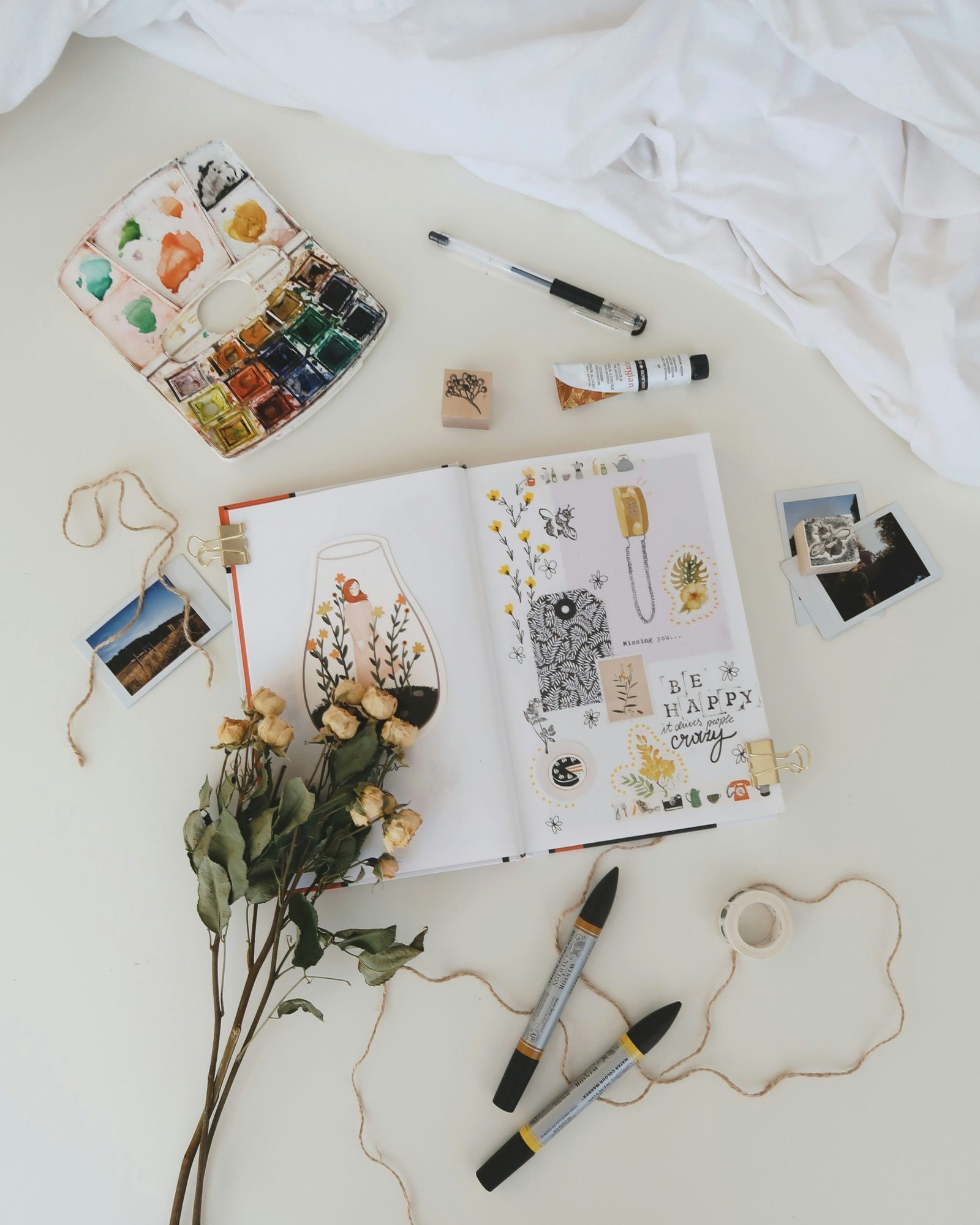
March is a turning point, a month when the pace begins to pick up after winter’s quiet, yet the days remain crisp and introspective. It’s a perfect time to engage in junk journaling—a creative practice that blends found scraps, paper ephemera, handwriting, and light collage to capture memory, observation, and mood. This collection of 31 prompts, one for each day of the month, is designed to inspire steady, manageable entries without requiring advanced art skills. The prompts emphasize seasonally resonant themes such as transformation, everyday observations, gratitude, and tactile experimentation, all within a framework that welcomes imperfect beauty.
Junk journaling thrives on accessibility and improvisation. You don’t need a dedicated studio or expensive supplies to begin. A simple notebook, a handful of magazines, stamps, washi tape, glue, scissors, dried pressed leaves, fabric swatches, and a few pens can yield a month’s worth of reflective pages. The goal is to slow down, notice details, and create a personal record that feels honest and inviting. March’s prompts encourage you to notice evolving signs of spring—the first buds on trees, the changing light, objects that once seemed ordinary now rich with meaning when rescued from clutter and thoughtfully arranged on the page.
Readers can approach the prompts in a few flexible ways. Some may prefer a strictly written entry paired with a single image; others might collage across a two-page spread, layering color and texture. The prompts are designed to accommodate varying time frames: short, daily entries for busy days, or longer sessions on weekends when more elaborate layouts feel natural. The emphasis remains on process rather than polish. The finished pages should feel like a tactile memory bank—one that is as much about the act of making as about what is recorded.
This article maintains an objective, practical voice, offering clear guidance while avoiding prescriptive rules. The prompts are crafted to be inclusive of different journaling styles, whether you favor minimalist text, rich mixed-media, or a blend of both. By the end of March, readers will have built a small but meaningful archive of experiences, reflections, and creative experiments that document the season’s unique cadence.
In-Depth Analysis
The core value of the 31 prompts lies in their accessibility and their alignment with March’s seasonal mood. Each day presents a concise invitation to notice, reflect, and create, ensuring that journaling remains approachable even for beginners. The prompts encourage several recurring journaling techniques that consistently yield engaging pages:
- Found object storytelling: Use scraps from daily life—receipts, ticket stubs, packaging, or packaging bits—to anchor a story or mood. By repurposing familiar materials, the journal becomes a portfolio of small, meaningful traces.
- Seasonal observation: Record how light shifts, how weather sounds, and how street corners feel different as spring approaches. These sensory notes ground the journal in lived experience and foster a sense of place.
- Memory and gratitude: Selvedge moments, people, or places that spark gratitude or nostalgia for the season, captured through short captions or poetic lines.
- Texture and material play: Combine textures—fabric swatches, dried leaves, scraps of ribbon, paint, and magazine images—to create tactile spreads. The emphasis is on how materials interact and how those tactile moments translate into memory.
- Word-image pairing: Pair a few words with an image or swatch. This simple pairing can be surprisingly rich, prompting memory or emotion to surface without lengthy prose.
A practical approach to implementing these prompts is to dedicate a short, consistent daily window—even 15 minutes—to journaling. Set up a compact toolkit: a notebook (dots, lines, or blank), scissors, glue, a few pens, a glue stick, a used magazine, a pair of tweezers for tiny pieces, and a small tray for loose ephemera. Keeping materials contained prevents overwhelm and supports habitual practice.
The prompts themselves cover a spectrum that includes observational entries (what you notice in your environment), introspective prompts (how you feel about changes in March), and experimental prompts (trying a new layout or color palette). Some prompts encourage a quick, single-page entry, while others invite a double-page spread to explore a theme more deeply. The objective is to cultivate consistency and curiosity, allowing the page to become a visual diary of the month.
March’s prompts also support celebratory and reflective tones. They invite you to acknowledge small milestones—first signs of spring, a favorite coat finally replaced or repaired, or a favorite coffee cup that feels newly comforting—as well as to confront ordinary challenges, such as days when time is tight or creativity feels elusive. By framing even ordinary moments as possible journaling seeds, you build resilience in your creative practice.
A key strength of this prompt set is its adaptability. If a particular prompt doesn’t resonate on a given day, you can reinterpret it. Swap a word for a color, substitute a magazine image for a hand-drawn doodle, or use a single photograph when more elaborate collaging isn’t feasible. The goal remains to produce a tangible artifact of your March experience, no matter the scale.
In terms of potential outcomes, daily engagement with these prompts can yield several benefits. First, journaling supports improved memory and self-reflection, helping you process daily experiences and emotional responses to seasonal change. Second, working with physical materials can be calming and meditative, reducing stress and increasing focus. Third, the practice can nurture a sense of accomplishment and consistency, especially when results might feel uncertain or rushed in the midst of seasonal transitions.
For readers who like to extend their journaling into a social or community space, consider joining a small journaling circle or sharing pages with a trusted friend or family member. Exchanging prompts, techniques, or piece-by-piece pages can provide motivation and new ideas while keeping the process intimate and personal.
The structure of the content is designed to be used as a month-long calendar. Each day offers a distinct prompt, while still allowing you the option to revisit themes or adapt prompts to suit your evolving style. The approach is deliberately flexible, encouraging experimentation with layout and materials while preserving a clear throughline of seasonal reflection.
As you progress through March, you may discover that your journaling practice becomes less about chasing dramatic results and more about honoring small discoveries and the beauty found in ordinary moments. The prompts aim to capture the quiet energy of early spring—the anticipation of growth, the reawakening of color, and the renewed attention to detail that the season invites. The finished pages should feel like a diary in collage form: intimate, imperfect, and full of texture.

*圖片來源:Unsplash*
Perspectives and Impact
Junk journaling, as a creative discipline, sits at the intersection of memory keeping, craft, and personal expression. The March prompts are particularly well-suited to environments where time and resources are limited, yet the desire to create remains strong. The approach honors the value of everyday materials, transforming ordinary scraps into meaningful pages. By focusing on March, a period of transition, the prompts encourage a mindset of noticing, appreciating, and documenting change in real time.
Looking forward, these prompts may influence how readers think about journaling as a habit. Rather than a sporadic project, it can become a consistent, low-pressure routine that yields a growing archive of pages. The habit-forming aspect is reinforced by the manageable daily time commitment and the inclusive approach to materials. For those seeking to deepen their practice, the prompts can be expanded into more elaborate spreads or integrated with digital journaling for hybrid output, combining tactile pages with scanned images or augmented reality plans.
The potential social impact is modest but meaningful. Sharing pages with peers can create a sense of community and accountability, particularly among friends, fellow crafters, or classroom participants. It can also serve as a gentle introduction to journaling for beginners, lowering the barrier to entry by emphasizing simple materials and approachable prompts. For educators and workshop leaders, the prompts offer a structured, no-fuss framework for a month-long activity that fosters creative confidence and a slower pace of observation.
From a design perspective, the prompts encourage thoughtful page composition—the balance of words and imagery, the rhythm of color and texture, and the way negative space frames the central idea. Readers may notice that their pages gradually reflect a personal style as they experiment with different layouts, materials, and color schemes. The process itself becomes a form of personal research into one’s own observations and emotional responses to March.
Future implications include potential expansions of the prompt set. For instance, readers might adapt the prompts for other months or seasons, adjusting for changing daylight, weather patterns, and cultural holidays. The core idea—using junk materials to tell meaningful stories—remains adaptable across contexts. Additionally, integrating prompts with sustainability themes could encourage readers to reuse and repurpose more deliberately, aligning journaling practice with broader ecological values.
In sum, the March prompts offer a practical, inclusive, and emotionally resonant pathway to cultivate a steady journaling habit. By embracing the textures of daily life and the subtle shifts of the season, readers can curate a vivid, tactile record of March—the month of quiet change that invites attention, reflection, and gentle creativity.
Key Takeaways
Main Points:
– March prompts focus on transformation, observation, and tactile creativity in junk journaling.
– Materials can be minimal: notebook, scissors, glue, magazines, and a few personal ephemera items.
– Entries can be short daily notes or more elaborate spreads, depending on time and energy.
– The practice emphasizes process, accessibility, and personal storytelling over technical polish.
Areas of Concern:
– Potential overwhelm from a crowded workspace; keep materials organized and portable.
– Time management to maintain daily prompts; set a fixed journaling window.
– Accessibility of certain materials; offer alternatives that suit different budgets and locales.
Summary and Recommendations
The 31 Junk Journal Prompts for March deliver a practical, approachable framework for cultivating a consistent, creative journaling practice during a transitional season. By pairing simple, everyday materials with daily prompts that emphasize observation, memory, and tactile experimentation, readers can produce a meaningful, month-long archive without requiring specialized skills or resources. The prompts are intentionally flexible, supporting a range of journaling styles—from minimalist text entries to rich mixed-media spreads—and scalable to different time commitments.
To maximize value, readers should assemble a compact journaling kit and schedule a regular, brief window for daily entries. Allow room for experimentation, mistakes, and reinterpretation of prompts to suit personal taste. As March progresses, the emerging pages will likely reveal a developing personal aesthetic and a deeper sensitivity to the season’s nuanced changes. The resulting collection can serve as a cherished record of March’s quiet shift from winter to spring, offering both reflective insight and creative satisfaction.
References
- Original: https://abeautifulspace.co.uk/31-junk-journal-prompts-for-march-creative-spring-journaling/
- Additional resources on junk journaling techniques, mixed-media collage, and seasonal journaling prompts:
- https://www.junkjournal-ideas.com
- https://www.artjournalarcheology.com
- https://www.creativejournal.com
Forbidden:
– No inclusion of hidden reasoning steps or marked thinking processes
– The article begins with the required header “## TLDR”

*圖片來源:Unsplash*