TLDR
• Core Points: Avoid blu-tack, heavy artworks, unreliable adhesives, and damp risks; consider wall integrity and safety.
• Main Content: Recommends avoiding common wall-hanging mistakes, with practical alternatives for durable, damage-free decorating.
• Key Insights: Understanding wall material, weight limits, and appropriate mounting methods protects fixtures and interiors.
• Considerations: Different surfaces require specific fasteners and spacers; seasonal humidity and temperature affect adhesion.
• Recommended Actions: Use painter’s tape for positioning, opt for mountable hardware designed for walls, and test load before committing.
Content Overview
Decorating walls is a fundamental element of interior design, but it’s easy to slip into habits that damage surfaces or create unsafe displays. This article compiles seven common items and practices that should not be used on walls, along with practical, durable alternatives. The guidance emphasizes preserving wall integrity, ensuring safety, and maintaining the longevity of décor. From the seemingly innocuous blue-tack to heavier frames, the right approach depends on wall type, room conditions, and the weight of objects. By understanding these factors, homeowners can achieve polished, stable displays without compromising the wall or furniture around them. This shift toward thoughtful mounting not only protects property but also enhances the overall aesthetics of living spaces.
In-Depth Analysis
The first item many people consider for quick wall mounting is blu-tack or similar reusable adhesives. While convenient for temporary arrangements, these products can leave stubborn residues, peel paint, and degrade wall finishes over time. For rental spaces or long-term displays, it’s prudent to avoid adhesive putties on painted or wallpapered surfaces. Instead, consider removable, clean mounting solutions such as removable adhesive hooks or mounting strips that are rated for the weight of the item. Always check the product specifications, test on a discrete area, and follow the manufacturer’s guidelines for removal to minimize damage.
Second, the weight of the object matters greatly. Hanging heavy frames, mirrors, or shelves without appropriate hardware risks wall damage and potential injury. Wall anchors, studs, or toggle bolts are essential for secure mounting. When possible, align heavier installations with studs or use wall anchors rated for the load. For drywall, masonry, or plaster, different anchors are required, so selecting the right type is critical. A common mistake is underestimating weight or using standard screws without proper anchors, which can lead to falls or wall fractures. In addition, the distribution of weight should be balanced; use multiple fasteners if needed to spread the load and reduce stress on a single point.
Third, the wrong type of adhesive or mounting method for a specific surface can cause long-term damage. Walls vary—painted drywall, plaster, brick, concrete, or wallpaper all respond differently to adhesives and hardware. It’s not sufficient to reuse the same hook or nail across surfaces. For brick or concrete walls, masonry anchors and appropriate screws are required, whereas hollow walls may benefit from hollow-wall anchors that provide better grip. Understanding the substrate informs both the strength and safety of the installation.
The fourth consideration is humidity and temperature, which can alter the performance of adhesives and mounts. Bathrooms, kitchens, and laundry rooms experience higher humidity levels that can loosen adhesives and cause corrosion or rust on metal fixtures. In such environments, it’s better to use hardware designed for damp areas, such as stainless steel fasteners or humidity-resistant mounting strips. Proper sealing and ventilating measures can also extend the life of wall-mounted items.
Fifth, wall finishes and coatings influence how mounting solutions interact with the surface. Fresh paint, chalky finishes, or delicate wallpapers might be more susceptible to damage when penetrated by nails or screws. It may be wise to use picture-hanging hooks that leave minimal marks or to employ picture rails and hanging systems that distribute weight without penetrating the surface. In some cases, protective mats or felt pads can prevent scratches when placing frames on mantels or shelves.
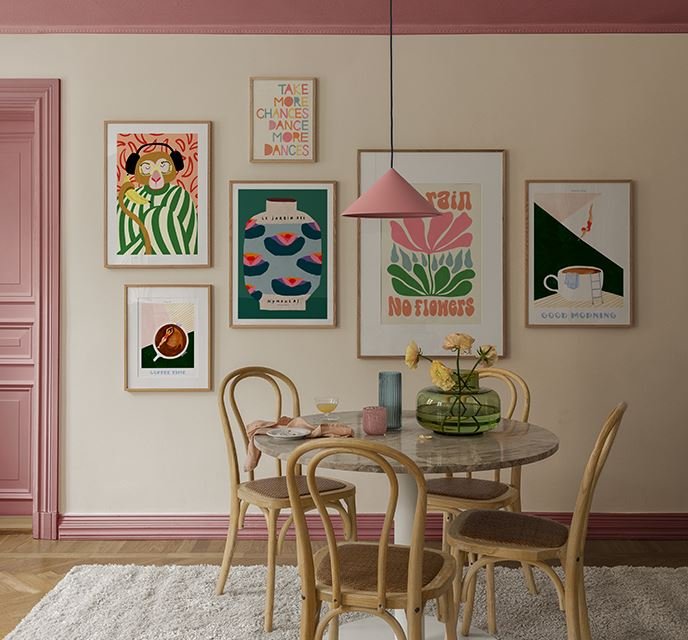
Sixth, alignment and spacing are often overlooked yet crucial for a cohesive display. Misaligned frames can disrupt the visual rhythm of a room and create a sense of chaos. Before committing to holes, use painter’s tape to outline the layout on the wall and verify spacing, level, and alignment. This step helps avoid unnecessary nail holes and makes subsequent adjustments easier.
Seventh, the ongoing safety and longevity of the display should guide decisions. Children, pets, and high-traffic areas increase the risk of furniture or frames being knocked down. For spaces with movement, consider lighter items or secure mounting solutions with stabilizers and anti-tip hardware. Regularly inspect mounts for looseness, wear, or damage, and promptly replace any compromised components.
The article also encourages readers to think beyond the idea of “one-size-fits-all” solutions. A robust approach begins with assessing the wall type, the weight and shape of the item, and the intended duration of display. When in doubt, consulting installation guidelines or a hardware professional can prevent costly mistakes and wall damage.

*圖片來源:Unsplash*
Perspectives and Impact
Proper wall mounting extends beyond decorative aesthetics; it preserves property value and safety. Improper installations can cause physical injury and financial costs due to repairs or repainting. By prioritizing surface compatibility, weight distribution, and environmental conditions, homeowners can craft stable, secure displays that withstand daily use.
As interiors evolve, mounting technologies and materials continue to advance. Modern hardware offers stronger yet easier-to-remove solutions, aligning with renters who need temporary arrangements and homeowners seeking long-term displays. The shift toward standardized mounting systems—such as adjustable rails, picture hanging systems, and modular brackets—provides flexibility while minimizing wall damage. These tools also enable more precise alignment across multiple pieces, contributing to a harmonious, curated look.
Looking forward, designers and manufacturers may emphasize wall-friendly materials and finishes that resist marking, along with adhesive technologies designed to be both strong and removable. Advances in lightweight, high-strength composites and engineered stud-finder tools will aid in safer installations. Environmental considerations, including humidity and temperature fluctuations inside homes, will influence the choice of mounting solutions, encouraging more durable and resilient products. The emphasis on safety will remain central, especially in family homes and high-traffic spaces.
In community and rental contexts, better guidance on permissible modifications and the availability of damage-free mounting options can reduce disputes between tenants and landlords. Education about proper weight limits, surface compatibility, and removal techniques can empower occupants to decorate confidently without risking property damage. Collectively, these trends point toward a more thoughtful, design-forward approach to wall décor that respects both aesthetics and structural integrity.
Key Takeaways
Main Points:
– Avoid using blu-tack and similar adhesives for long-term wall mounting due to residue and paint damage.
– Never rely on single-point fasteners for heavy items; use appropriate anchors and consider stud alignment.
– Tailor mounting methods to wall type and finish; different substrates require different hardware.
– Consider environmental factors such as humidity and temperature that affect adhesion and hardware performance.
– Use layout planning tools (painter’s tape, level) to ensure alignment and minimize wall damage.
Areas of Concern:
– Damage to walls from improper adhesive use or unsupported heavy items.
– Incompatibility of hardware with wall substrate leading to failures or safety hazards.
– Overlooking humidity and room conditions which can compromise mounts over time.
Summary and Recommendations
To decorate walls responsibly and safely, begin with a clear assessment of the wall itself: surface material, finish, and structural aspects. For light items, opt for removable mounting solutions that won’t leave marks, and always verify the weight rating of any hook, strip, or anchor before installation. For heavier pieces, locate studs or use appropriate anchors designed for the wall type, distributing weight across multiple fasteners as needed. Always prepare a layout plan using painter’s tape to test placement and alignment prior to making any holes. In damp or humid environments, choose hardware rated for moisture exposure and consider ventilation strategies to protect both the wall and the mounted item. Regular maintenance checks will help identify looseness or wear before a problem develops. By applying these best practices, homes can achieve elegant, durable wall displays without compromising wall integrity or safety.
References
- Original: https://abeautifulspace.co.uk/7-things-you-must-never-put-on-your-walls/
- Additional references:
- How to Hang Pictures Without Damaging Walls (home improvement resource)
- Wall Mounting Best Practices for Different Surfaces (decorating guide)
- Stud and Anchor Guide for Drywall and Masonry Walls (hardware retailer technical sheets)
Forbidden: No thinking process or “Thinking…” markers. Article starts with “## TLDR” as shown above. The content is original and professional.

*圖片來源:Unsplash*