TLDR
• Core Points: Small UK hallways demand smart storage, proportionate furniture, lighting, and reflective surfaces to feel larger without sacrificing function.
• Main Content: Practical strategies include wall storage, slim furniture, strategically placed mirrors, layered lighting, and cohesive color/light schemes to enhance perceived space.
• Key Insights: Consistent scale, vertical design elements, and multi-functional pieces are essential; avoid clutter through deliberate organization.
• Considerations: Entrances must balance durability with aesthetics; consider rental restrictions, footprint, and accessibility.
• Recommended Actions: Audit wall and floor plan, choose modular storage, install mirrors and lighting, and test with temporary layouts before permanent changes.
Product Review Table (Optional)
(Not applicable — no hardware product review is included.)
Content Overview
Tiny hallways in UK homes often struggle with limited width and awkward layouts, making it challenging to incorporate both practical storage and stylish design. This article explores a range of decor ideas tailored to narrow entrances, focusing on maximizing space while preserving a welcoming first impression. The guidance aims to help homeowners and renters alike create functional, low-clutter entryways that still feel cohesive with the rest of the house. By leveraging vertical space, intelligent storage solutions, and thoughtful lighting, even the most cramped corridors can become inviting transitions rather than storage bottlenecks. The recommendations consider typical UK hallway constraints—narrow dimensions, door swing areas, and the need for weather-appropriate functionality—to propose adaptable strategies suitable for various budgets and styles.
In-Depth Analysis
Narrow hallways present a common architectural challenge: they compress movement and limit the surface area available for furniture and decor. However, with careful planning, these spaces can be transformed into practical zones that support daily routines while remaining aesthetically pleasing.
Key strategies include:
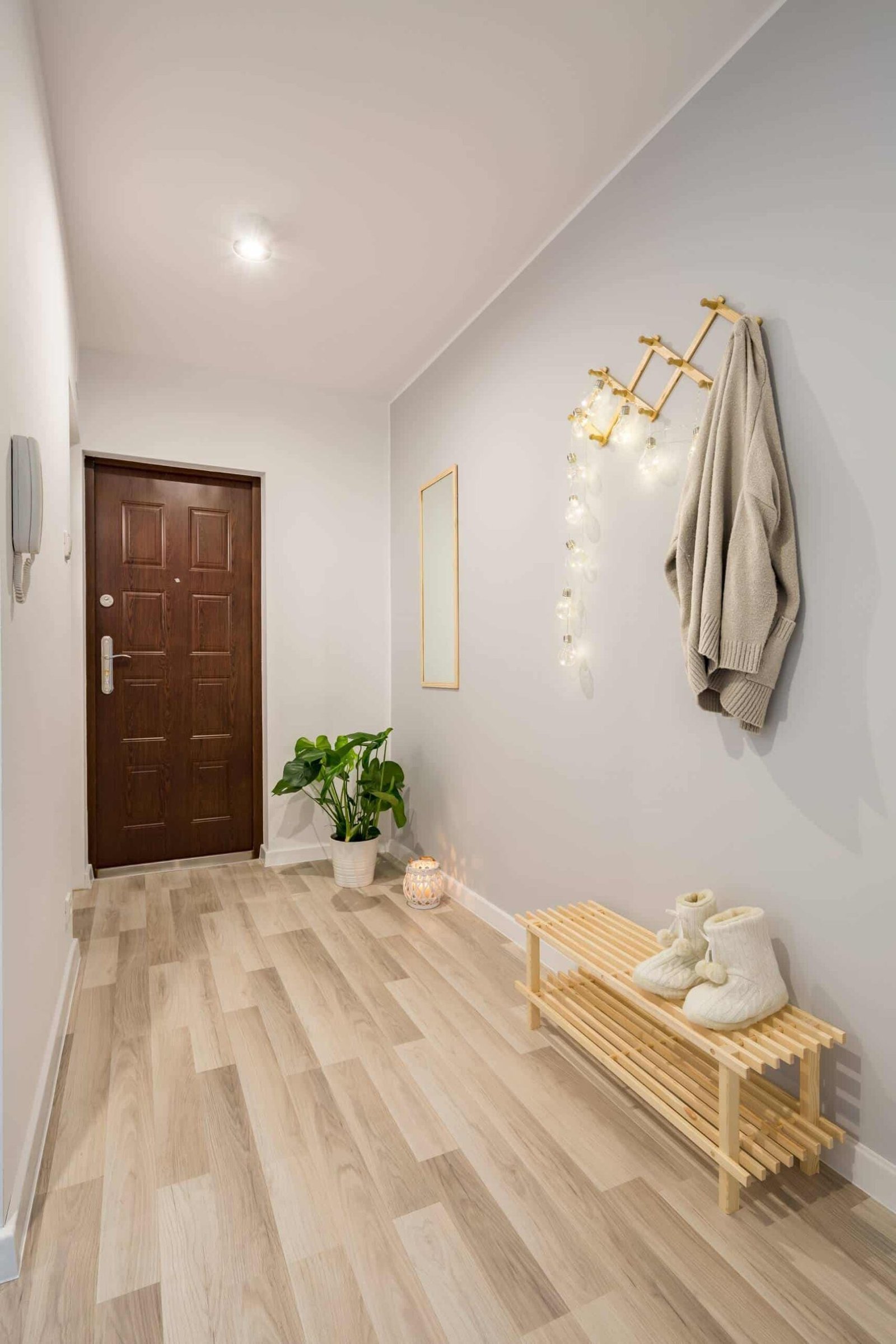
Vertical emphasis: Since width is limited, directing attention upward helps avoid crowding. Install tall, slim storage solutions that reach toward the ceiling, such as IKEA-style wall-mounted cabinets, slim consoles, and coat hooks arranged in a vertical grid. Tall mirrors or decorative panels can also visually extend the ceiling height, creating a sense of openness without consuming floor space.
Slim, multi-functional furniture: Choose pieces with narrow footprints and dual purposes. Examples include narrow console tables with integrated hooks or cubbies, bench seating that doubles as a place to drop keys and mail, and shoe storage that tucks under seating. When selecting furniture, prioritize handles, edges, and hardware that minimize visual bulk and blur the line between furniture and wall.
Integrated storage solutions: Hidden or recessed storage is especially effective in compact spaces. Consider floor-to-ceiling cabinetry with soft-close doors, pull-out shoe organizers, and wall-mounted organizers for mail, keys, and accessories. Custom-built or modular systems allow you to tailor the arrangement to your hallway’s exact dimensions, making the most of every inch.
Color, texture, and materials: Light, neutral palettes tend to reflect more light and visually expand spaces, especially when paired with reflective surfaces. However, color can be used strategically to create depth and warmth. For instance, a predominantly pale palette can be accented with a warmer natural wood or a bold door color to anchor the space. Textured finishes (baskets, woven mats, or rug textures) add depth without introducing bulk.
Lighting plan: A layered lighting approach improves function and ambience. Combine ambient ceiling lights with wall sconces or picture lights to minimize shadows in narrow corridors. Consider LED strip lighting along shelving edges or under wall-mounted cabinets to illuminate the floor without consuming square footage. Dimmable options provide flexibility for different times of day.
Mirrors and reflective surfaces: Mirrors are a classic solution for narrow spaces. Full-height or large-format mirrors can visually double the perceived depth, while mirrored cabinet fronts or glass-fronted storage units reflect light and reduce the sense of confinement. Avoid heavy frames that overwhelm the wall; go for slim or frameless designs to maintain a clean, airy look.
Door and floor considerations: If the hallway sees frequent door movement, ensure there is enough clearance for doors to swing without obstruction. Light-toned or pale floor finishes with a consistent grain help elongate space, while sealed or scuffed finishes should be upgraded to reduce visual noise. A durable runner or low-pile rug can define the area without inviting tripping hazards.
Personalization with restraint: Entrance spaces set the tone for the home, so incorporate subtle personality through art, a stylish umbrella stand, or a plant. Keep the number of decorative items limited to avoid a cluttered appearance. Rotation of seasonal decor is a simple way to refresh the space without overloading it.
Weatherproof considerations: UK entrances must withstand seasonal weather. Choose hardware and flooring with water resistance and easy maintenance. Consider sealing thresholds and using moisture-resistant materials in mud-prone zones to extend the life of the hallway decor.

*圖片來源:Unsplash*
- Accessibility and safety: Ensure that all storage is reachable and does not impede movement. Consider non-slip mats near the door and safety-conscious hardware, such as soft-close drawers and rounded corners on furniture, to minimize accidents in high-traffic areas.
Practical layout ideas:
- Wall-mounted coat rail with integrated shelf and hooks: This compact solution keeps outerwear organized while preserving floor space.
- Slim console with hidden storage: A slender silhouette provides a surface for keys and mail while concealing shoes or seasonal items in a pull-out drawer.
- Corner shoe storage: Corner units or under-bench organizers maximize underutilized space without expanding the footprint.
- Mirror-paneled wardrobe doors: If wardrobe space exists, mirrored fronts enhance brightness and perceived depth.
Styles that suit narrow UK entries range from Scandinavian minimalism and modern coastal to traditional English cottage charm. The unifying principle across all styles is balance between function and flow: keep sightlines clear, maintain consistent color temperature, and avoid visual heaviness around door swings and traffic paths.
Maintenance and optimization tips:
- Declutter regularly to prevent buildup that makes the hallway feel smaller.
- Use removable hooks and modular units for flexibility during renovations or redecoration.
- Test layouts with masking tape or cardboard cutouts before purchasing substantial furniture.
- Periodically reassess lighting brightness and color temperature to ensure the space feels welcoming at all times of day.
By combining these strategies, a narrow UK entrance can feel more expansive, organized, and inviting without sacrificing practicality. The key is leveraging vertical space, selecting slim, multi-use pieces, and establishing a cohesive, light-filled palette that reflects the home’s overall design language.
Perspectives and Impact
In the broader context of home design for small urban living spaces, tiny hallways reflect a trend toward efficiency and intentionality. As homes become more compact due to housing market pressures, residents increasingly prioritize storage optimization, low-profile furniture, and adaptable decor. The principles applied to narrow UK entrances can translate to other tight corridors in apartments and townhouses globally, reinforcing a design philosophy that values function without compromising aesthetics.
Design professionals emphasize that the hallway is a transition space with outsized influence on user experience. A well-planned entryway sets expectations for the rest of the home, guiding traffic flow and creating first impressions that blend practicality with personality. By embracing modular systems, vertical storage, and reflective materials, homeowners can craft a versatile space that accommodates daily routines, seasonal changes, and evolving lifestyles.
Looking forward, innovations in lightweight, modular furnishings and smart storage designs will further empower homeowners to maximize narrow hallways. Retailers may respond with more compact, easy-to-install solutions that suit rental properties as well as owner-occupied homes. Sustainability considerations will push for durable, low-maintenance materials that resist wear from foot traffic and weather exposure. Ultimately, successful hallway design will continue to balance efficiency with warmth, ensuring that even the smallest entrances feel welcoming and well-organized.
Key Takeaways
Main Points:
– Prioritize vertical storage to free up floor space in narrow hallways.
– Use slim, multi-functional furniture to maximize utility without bulk.
– Employ mirrors and light-reflective surfaces to extend perceived space.
– Maintain a cohesive color palette and layered lighting for depth and warmth.
Areas of Concern:
– Over-cluttering can quickly shrink perceived space in a narrow corridor.
– Rental restrictions may limit the ability to alter plumbing or structural components.
– Durability and maintenance in weather-prone UK entrances require careful material choices.
Summary and Recommendations
To transform a tiny UK hallway into a functional yet stylish zone, start with a clear plan that emphasizes vertical storage and slim profiles. Select modular, wall-mounted units that maximize storage without impinging on movement area. Incorporate large mirrors or reflective panels to visually expand the corridor, and layer lighting to ensure functionality at all times of day. Choose a light, cohesive color palette with warm accents to create a welcoming atmosphere. Before making permanent purchases, test layouts with temporary markers and consider rental constraints, accessibility, and durability in your climate. Regular decluttering and periodic reassessment of lighting and storage needs will help maintain a pristine, organized entryway that supports daily routines and enhances the overall feel of the home.
References
- Original: abeautifulspace.co.uk
- Additional references:
- https://www.houzz.co.uk/photos/narrow-hallway-ideas
- https://www.indooroutdoorlivingmag.co.uk/narrow-hallway-solutions
- https://www.realhomes.com/advice/how-to-decorate-a-narrow-hallway

*圖片來源:Unsplash*