TLDR
• Core Points: OpenAI publicly criticizes Anthropic’s Super Bowl ads as dishonest and authoritarian in a detailed X post by Sam Altman.
• Main Content: The dispute centers on framing, messaging, and the portrayal of AI safety and capabilities in high-profile ad campaigns.
• Key Insights: Public competition for AI narrative control underscores broader industry tensions over safety, governance, and industry signaling.
• Considerations: Stakeholders should watch for further messaging battles, potential regulatory responses, and shifts in consumer perception driven by ad campaigns.
• Recommended Actions: Monitor corporate statements, assess risk of reputational spillover, and continually update risk communications and investor briefings.
Product Review Table (Optional):
No hardware product review applicable.
Product Specifications & Ratings (Product Reviews Only)
N/A
Content Overview
The ongoing competition among leading AI developers has intensified as Anthropic unveiled a new wave of Super Bowl advertisements. The ads, designed to provoke and inform public discourse about AI safety, capability, and governance, coincide with a broader industry trend: companies using high-visibility campaigns to shape consumer perception and regulatory expectations. In this environment, OpenAI’s leadership—most notably Sam Altman—has engaged in sharp public commentary aimed at Anthropic, labeling its competitive tactics as dishonest and authoritarian. The exchange highlights the high stakes involved in AI stewardship, brand positioning, and the storytelling surrounding one of the most consequential technologies of our era.
Anthropic’s Super Bowl ads have become a focal point for debate about how AI safety messages are presented to a broad audience. Proponents argue that such campaigns help demystify complex issues, promote responsible innovation, and foster public understanding. Critics contend that advertising can oversimplify or selectively frame safety narratives, potentially misleading the public or creating inequitable impressions about who controls AI risk and how it will be managed. The controversy trailing these ads underscores a larger conversation about the balance between transparency, marketing, and the practical implications for users, policymakers, and the technology industry at large.
This article synthesizes recent public remarks from OpenAI leadership, summarizes the content and reception of Anthropic’s ad campaign, and situates the dispute within the broader ecosystem of AI governance, corporate competition, and media strategy. It does not rely on confidential sources and aims to present an objective overview of events, framing, and potential implications for stakeholders across the AI sector.
In-Depth Analysis
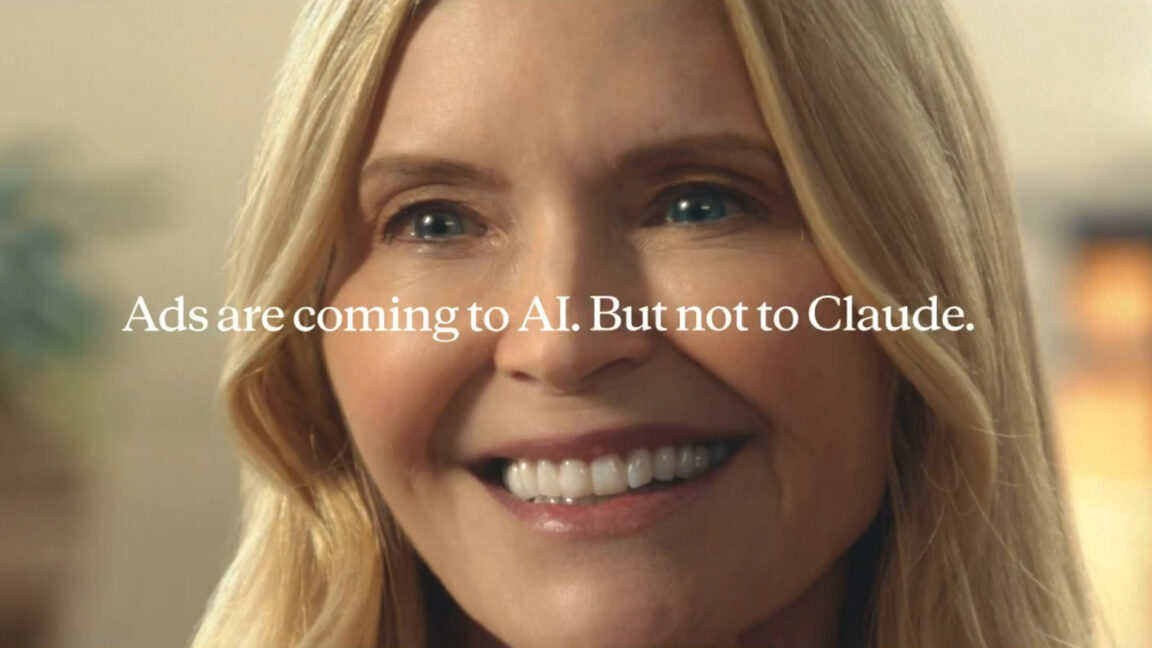
The heart of the current discourse between OpenAI and Anthropic centers on narrative control and the portrayal of AI safety risks. Anthropic, a prominent player in the field known for its safety-focused approach, released Super Bowl advertisements intended to spark discussion about how humanity should approach increasingly capable artificial intelligences. The ads are part of a broader marketing strategy to distinguish Anthropic’s philosophy and to elevate its stance in a crowded field that includes OpenAI, Google DeepMind, and other entrants.
OpenAI’s response, led by Sam Altman, has been unusually forthright for a corporate communications posture. Altman took to X, the platform formerly known as Twitter, to articulate criticisms of Anthropic’s approach. He described the rival’s messaging as dishonest and authoritarian. Those particular descriptors imply a view that Anthropic’s communications misrepresent risks, governance mechanisms, or the kinds of safeguards that ought to be emphasized when discussing AI safety. The exact wording, timing, and context of Altman’s post contribute to a larger pattern of public engagement where industry leaders directly challenge competitors in the public square rather than through more traditional, confidential, or tightly controlled corporate channels.
From OpenAI’s perspective, the insistence on rigorous governance, transparency, and accountability around AI systems is a thread that runs through much of its public-facing work. The tension with Anthropic echoes a broader debate within the AI community: how to reconcile rapid innovation with robust safety practices, how to communicate risk without inducing paralysis, and how to align corporate narratives with evolving regulatory expectations. In this context, the use of high-profile advertising to frame safety—and who ultimately bears responsibility for mitigating risk—becomes a strategic matter with real-world implications for users, policymakers, and investors.
The Super Bowl platform amplifies these messages in ways that are not possible through standard advertising or industry conferences alone. A mass audience tends to interpret safety claims through the dual lenses of credibility and trust. When a competitor charges that another firm is “dishonest,” it invites scrutiny of specific claims: Are safety features and governance processes being portrayed accurately? Is the depiction of AI risk and control commensurate with current capabilities and consensus among researchers? Are there gaps between what is advertised and what is realistically achievable in the near term? These questions matter because they influence public trust, regulatory attitudes, and the willingness of organizations to adopt or resist new AI governance norms.
Observers note that the advertising war between prominent AI players is more than a marketing clash; it reflects divergent visions for the future of AI governance. Anthropic’s messaging tends to emphasize constraints, safety-first design principles, and the importance of alignment between capabilities and safety controls. OpenAI’s public posture underscores accountability, governance frameworks, and the potential for layered safeguards to prevent misuse or unintended outcomes. In a highly competitive environment, both companies may find value in shaping the narrative around who should lead governance debates, what kinds of safeguards are most effective, and how to measure the impact of these safeguards on real-world users.
Beyond the immediate dispute, several broader implications emerge. First, the public sparring highlights the importance of credible communication in AI risk management. When industry leaders use strong terms—such as “dishonest” or “authoritarian”—the media, policymakers, and the public can be swayed by the force of rhetoric, sometimes more than by the nuance of technical detail. This dynamic raises questions about how to evaluate safety claims, governance commitments, and the reproducibility of safety results across different organizations.
Second, the incident underscores the persistent challenge of establishing universal standards for AI safety and governance. While many stakeholders agree on the general goals—reduce risk, prevent harm, ensure accountability—the specifics of how to achieve these goals vary. This disagreement is natural in a rapidly evolving field, but it also makes clear that ad-based messaging will be a terrain of contested narratives for the foreseeable future. Regulators, industry coalitions, and independent researchers will likely scrutinize such advertising efforts for clarity, honesty, and alignment with demonstrated safety practices.
Third, the episode signals potential shifts in consumer perception and market dynamics. High-visibility campaigns can influence how people understand AI safety and who they trust to manage risk. If audiences interpret one company as more candid about safety challenges and another as minimizing or misframing risk, investor confidence and customer adoption could follow suit. This, in turn, could drive more companies to place emphasis on safety narratives in public communications, whether through ads, press briefings, or policy white papers.
*圖片來源:media_content*
The broader AI ecosystem is watching closely how these exchanges affect collaboration opportunities and regulatory dialogues. Policymakers might use these public disputes as case studies in evaluating the sufficiency of safety assurances, governance models, and the feasibility of implementing standardized safety metrics across firms. Meanwhile, researchers may seek to quantify the impact of advertising on public understanding of AI risk, contributing to evidence-based approaches to science communication in high-stakes domains.
In sum, the current volley between OpenAI and Anthropic illustrates how high-stakes technology, public communications, and competitive strategy intersect. The use of Super Bowl ads to frame safety and governance is a reminder that the industry’s leaders are not just technologists and entrepreneurs but also reputation managers and policy influence-makers. The dialogue around honesty, authority, and responsibility in AI governance is unlikely to abate soon, and it will likely be shaped as much by how stories are told as by the underlying technical capabilities and governance mechanisms.
Perspectives and Impact
The public exchange between OpenAI and Anthropic signals several potential trajectories for the AI landscape:
- Reputation and trust: Public disagreements among leading AI firms can affect trust in AI technologies and the organizations that develop them. If audiences perceive one company as more transparent about challenges and limitations, it could gain a reputational edge even if the other company has equally strong safety practices.
- Governance norms: The discussion reinforces the importance of clear, credible governance norms. Stakeholders may seek standardized disclosures about safety measures, risk assessments, and incident response protocols. If the industry coalesces around shared norms, regulatory processes could become more streamlined.
- Media dynamics: High-profile ads can polarize public opinion, especially when coupled with provocative language. The risk is that nuanced safety research may be overshadowed by rhetoric, which could complicate policy discussions and consumer education efforts.
- Competitive signaling: Companies might intensify efforts to differentiate themselves through messaging about safety, ethics, and governance. This could lead to more rapid emergence of best practices news releases, policy white papers, and public dashboards that quantify safety outcomes and governance activities.
- Regulatory implications: Regulators could respond to heightened public attention by proposing or accelerating frameworks for AI safety standards, disclosure requirements, and audit mechanisms. Industry players that engage constructively in these conversations could shape the design of such frameworks.
Future implications depend on how stakeholders interpret and respond to competing narratives. If the dialogue remains focused on substantive safety measures, governance transparency, and evidence-based risk management, the industry may progress toward more robust protections and clearer expectations for accountability. Conversely, if the discourse becomes overly adversarial or sensationalized, it could hinder constructive collaboration and slow the deployment of beneficial AI technologies.
The dynamic also has potential implications for workforce policy and research funding. As AI systems become more integrated into everyday life, public confidence in the safety and governance of these systems becomes critical to widespread adoption. Universities, think tanks, and independent researchers may see increased demand for independent assessments of AI safety, governance efficacy, and the social impacts of advertising-driven messaging about risk.
Key Takeaways
Main Points:
– OpenAI publicly criticized Anthropic’s Super Bowl ads, labeling them dishonest and authoritarian.
– The dispute highlights broader tensions over AI safety messaging, governance, and accountability.
– High-visibility advertising intensifies the public’s engagement with risk discussions and regulatory expectations.
Areas of Concern:
– Risk of rhetoric overshadowing nuanced safety discourse and technical details.
– Potential reputational spillover affecting perceptions of both companies’ safety practices.
– Possibility of regulatory responses shaped by high-profile ad campaigns rather than independent assessments.
Summary and Recommendations
The clash between OpenAI and Anthropic over advertising approach reflects a broader phenomenon in the AI industry: organizations increasingly use high-visibility media to shape public understanding of safety and governance. While marketing can illuminate important issues and mobilize stakeholder attention, it also introduces risks when messages are perceived as dishonest or overly adversarial. The situation underscores the need for transparent, evidence-based communication about AI risk, governance structures, and accountability mechanisms.
For industry participants, several actions are prudent:
– Prioritize credibility in public messaging: clearly articulate safety measures, governance processes, and metrics that demonstrate real-world impact.
– Support independent assessments: encourage third-party audits and open evaluations of safety practices to complement company disclosures.
– Engage with policymakers and the public: participate in regulatory conversations with well-documented findings, not only persuasive rhetoric.
– Monitor reputational dynamics: assess how media narratives influence user trust, investor sentiment, and regulatory expectations, adjusting communications strategy accordingly.
Ultimately, the AI governance ecosystem benefits when leading organizations compete on substance rather than solely on messaging prowess. By aligning advertising narratives with verifiable safety commitments and transparent governance, the sector can foster a more informed public discourse and support innovations that maximize societal benefit while mitigating risk.
References
- Original: https://arstechnica.com/information-technology/2026/02/openai-is-hoppin-mad-about-anthropics-new-super-bowl-tv-ads/
- Additional references:
- OpenAI governance and safety framework publications
- Anthropic safety-focused philosophy and policy statements
- Industry analyses on AI advertising and public communication strategies

*圖片來源:Unsplash*