TLDR
• Core Points: Creative junk journal ideas for Mother’s Day celebrate heartfelt, handmade keepsakes that Mum will cherish.
• Main Content: A curated guide of 100 ideas spanning themes, materials, layouts, and activities to craft personalized junk journals for Mother’s Day.
• Key Insights: Personalization, sustainability, and mixed-media experimentation elevate gift value and emotional resonance.
• Considerations: Access to basic supplies, time management, and choosing a suitable journal format for Mum’s tastes.
• Recommended Actions: Plan ahead, gather materials, select a cohesive theme, and document the process for a memorable reveal.
Content Overview
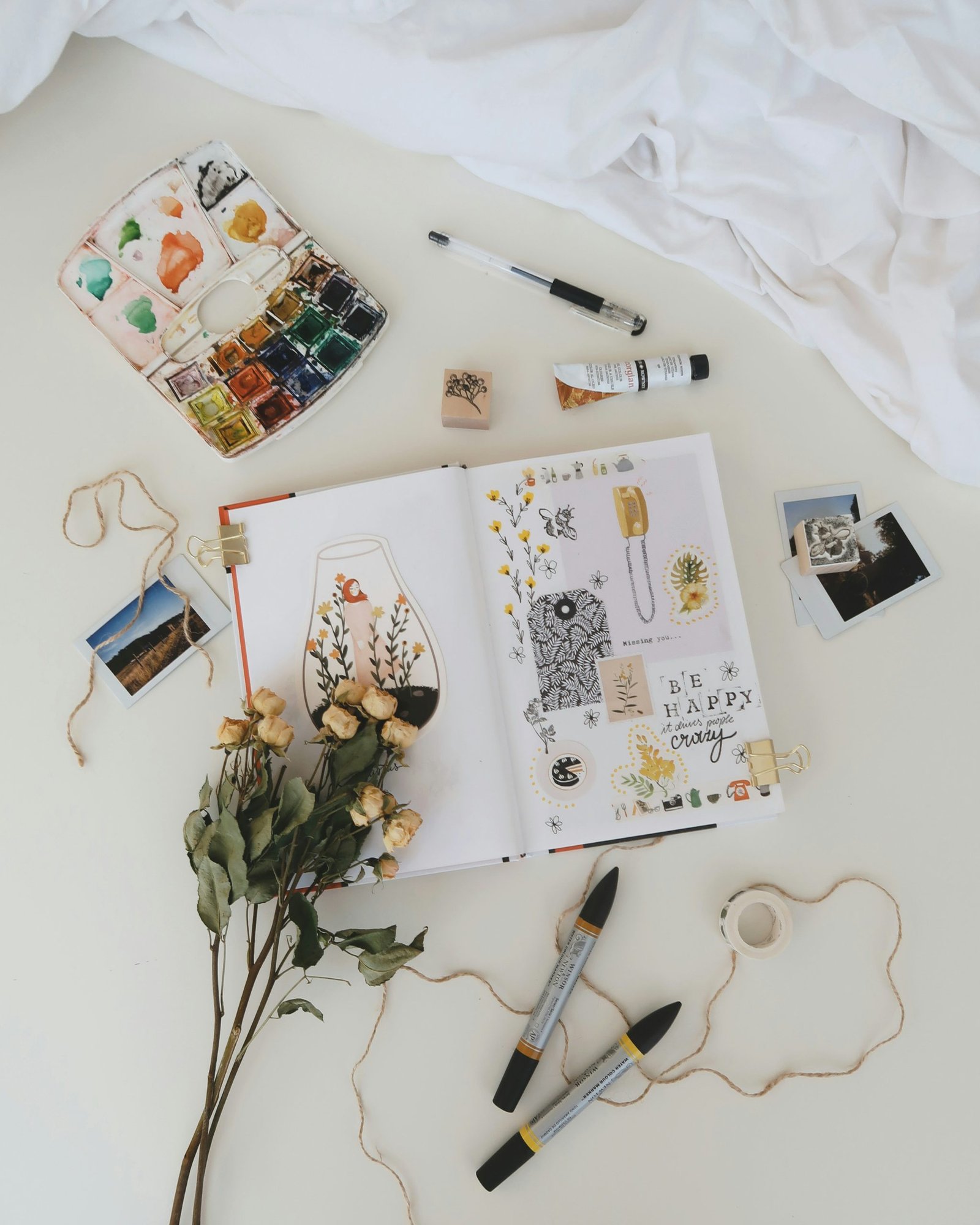
Mother’s Day is a meaningful occasion to honor the important women in our lives through thoughtful, handmade gifts. Junk journaling—a creative method of repurposing paper scraps, ephemera, fabric, and found objects—offers a personalized and tactile way to express gratitude. The following 100 ideas provide a broad spectrum of approaches, ensuring there is something suitable for crafters of all skill levels and for different motherly personas. Whether you want a sentiment-filled album, a playful memory book, or a gratitude log sprinkled with keepsakes, these ideas emphasize intention and storytelling over perfection.
The concept of junk journals sits at the intersection of scrapbooking, stationery artistry, and memory keeping. It invites crafters to curate a collection of meaningful scraps—old letters, ticket stubs, receipts, fabric swatches, pressed flowers, and handwritten notes—into a cohesive journal that records shared experiences, values, and messages for Mum. The end product is more than a gift; it becomes a portable archive of precious moments and a daily touchstone for love and appreciation.
This guide is designed to inspire a range of styles and moments: a reflective “moments and memories” journal, a gratitude-forward mini-book, a travel- or hobby-themed album, or a mixed-media piece that incorporates fabric, lace, stamps, ephemera, and hand-drawn elements. Each idea can be adapted to suit different skill levels, time constraints, and available materials. Practical tips accompany many suggestions—such as choosing a durable binding, planning a page layout, and preserving keepsakes to prevent deterioration.
In-Depth Analysis
Junk journaling as a Mother’s Day gift blends sentiment with craft, offering a customizable, eco-conscious alternative to store-bought cards and generic photo albums. The 100 ideas outlined here emphasize accessibility, variety, and the emotional impact of a handcrafted object. Readers will find approaches that range from simple, quick projects to more elaborate, time-intensive builds, ensuring inclusivity for hobbyists at every stage.
Key themes include:
– Personalization: Tailor the journal to Mum’s interests, favorite colors, and memorable moments. Use prompts like “A moment you made me smile this year” or “Letters from the family” to anchor pages.
– Ephemera and mementos: Incorporate tickets, envelopes, dried flowers, pressed leaves, receipts, and memorabilia that tell a story about shared experiences.
– Mixed media: Combine paper, fabric, digital prints, stamps, paint, and hand-drawn elements to create textural variety.
– Sustainability: Repurpose materials you already own, reducing waste while producing a unique artifact.
– Practical considerations: Choose a durable binding system (ring binder, Coptic stitch, embroidery, or glue-bound), plan page counts, and consider acid-free adhesives and paper to preserve keepsakes.
The ideas can be categorized into several practical groups:
– Themed journals: Create a “Memories of Us” album, a “Gratitude Journal for Mum,” or a “Travel Treasures” scrapbook. A focused theme helps unify materials and narrative flow.
– Prompt-driven pages: Use prompts to guide content, such as “Why I admire you,” “Favorite family tradition,” or “A lesson you taught me.”
– Technique-driven pages: Try techniques like collage, collage-inclusive pocket pages, pocket envelopes for hidden notes, tip-ins, fold-outs, or mini zines within the journal.
– Gift-inside-a-gift: Hide small tokens—a handmade bookmark, a pressed flower, a handwritten letter, or a tiny charm—in a pocket or tuck-in.
– Activity-based layouts: Include journaling prompts, small DIY challenges for Mum, or a “read together” section with favorite short stories or poems.
Practical steps to execute these ideas effectively:
1. Select the journal format: Decide between a ready-made junk journal, a repurposed notebook, or a custom-made journal with sturdy binding. Consider Mum’s preferred size, layout orientation (portrait/landscape), and whether she likes pockets and interactive elements.
2. Gather materials: Collect scrap paper, packaging ephemera, stamps, washi tape, fabric scraps, ribbon, ink pads, scissors, glue, and non-acidic adhesives. Keep a small storage box to organize pieces by color or theme.
3. Establish a color or theme plan: Choose a cohesive palette or motif to ensure the journal feels intentional rather than random. A consistent color family or recurring symbol can unify disparate pages.
4. Plan page counts and sequencing: Sketch a loose outline of sections—introduction, memories, favorite moments, gratitude, and future wishes. Allocate space for photos, handwriting, and keepsakes.
5. Preserve keepsakes: Use protective sleeves or laminating minimally to safeguard delicate items. Label items with dates and brief descriptions to preserve context for Mum as years pass.
6. Craft with mindfulness: The process should be enjoyable and reflective. If time is limited, start with a smaller section or a “starter kit” page and expand later.
7. Presentation matters: Wrap the journal nicely, perhaps with a hand-tied ribbon or a small coordinating box. A brief, heartfelt inscription on the first page can set the tone.
8. Documentation and sharing: Consider including a “this is why” page that explains the significance of selected mementos, which helps Mum understand the choices behind the pages.
To illustrate the breadth of possibilities, here are representative ideas across common categories:
– Memory-driven pages: Recount a favorite family outing, a milestone moment, or a daily ritual that Mum loves. Include photos, captions, and short anecdotes to preserve texture.
– Gratitude and appreciation: Create pages that specifically name the traits you admire—patience, generosity, humor—and pair them with corresponding memories.
– Family collaboration: Invite other family members to contribute letters, doodles, or small artworks to create a multi-author keepsake.
– Handwritten notes: Interleave pages with personal letters or poems written by siblings, children, or grandchildren, offering a chorus of voices.
– Multisensor experiences: Include fabric swatches from clothing, a scented page with a small sachet, or a textured surface to evoke memory through touch and scent.
– Interactive features: Add pull-out quotes, pocket envelopes for secret messages, or fold-out pages to reveal longer stories or photo captions.
– Nature and seasons: Press flowers, leaves, or seed packets that correspond to a time of year when Mum’s love of nature shines.
In terms of materials, you don’t need high-end supplies to create a meaningful piece. Many of the most impactful pages arise from thoughtful composition and careful storytelling rather than expensive materials. Reused hospital or grocery receipts, old postcards, tickets, and school reports can all be repurposed into pages that carry emotional resonance. Using a mix of handwriting, printed text, and tactile textures often provides a rich, engaging reading experience.
The guide also emphasizes the potential for digital-to-analog fusion. If you prefer, you can print gentle digital designs, transfer photos through decoupage techniques, or create printable prompts that you can physically insert into the journal. The goal remains the same: a personalized, handmade book that captures the shared journey between you and Mum.
Finally, when presenting a junk journal for Mother’s Day, consider a short accompanying message that explains the journal’s concept. A few lines about the journey of making the journal and what the pages mean can deepen the recipient’s appreciation. A well-timed reveal, perhaps at breakfast or during a quiet moment together, can transform the gift-giving experience into a memorable shared event.

*圖片來源:Unsplash*
Perspectives and Impact
The creation of a junk journal for Mother’s Day reflects broader trends in handmade gifting and personal memory preservation. In a world saturated with digital communication and mass-produced items, bespoke journals offer a tangible connection to the past and a tactile experience that screens cannot replicate. The act of crafting a journal can be a meditative, reflective process for the creator, providing an opportunity to revisit shared memories and articulate gratitude in a structured, meaningful way.
From a social perspective, junk journals foster intergenerational collaboration. Family members can contribute notes, drawings, tickets from outings, or pressed botanicals, creating a collaborative artifact that documents a family’s evolving narrative. This collaborative nature can strengthen family ties, encourage storytelling, and provide future generations with a nuanced understanding of family history.
Educationally, working on a junk journal can develop several transferable skills. It promotes project planning, archival thinking, and attention to detail. It also encourages creative problem-solving, as crafters decide how best to incorporate diverse materials and how to present stories in an accessible, engaging format. For communities and makers, the practice supports sustainable craft by encouraging the reuse of available materials and reducing waste.
Looking ahead, the popularity of junk journals may continue to rise as people seek meaningful, handmade gifts. The medium’s adaptability—across themes, materials, and levels of complexity—means it can be tailored for various occasions beyond Mother’s Day, including birthdays, anniversaries, and commemorative events. As digital documentation remains pervasive, physical junk journals offer a counterpoint that emphasizes intentionality, slow-making, and the value of a crafted keepsake.
Future implications include broader acceptance of mixed-media art forms in everyday life, increased interest in sustainable scrap-booking practices, and a sustained emphasis on personal storytelling in gift-giving. As more crafters share their techniques online, there is potential for community-based tutorials and collaborative projects that further democratize junk journaling and make it accessible to diverse audiences.
Key Takeaways
Main Points:
– Junk journals provide a personalized, sustainable, and tactile alternative to conventional gifts for Mother’s Day.
– Personalization, narrative prompts, and mixed-media techniques enhance emotional impact.
– A well-planned structure, durable materials, and thoughtful presentation improve longevity and appreciation.
Areas of Concern:
– Time and resource demands can be high for intricate projects.
– Preservation of delicate elements requires appropriate storage and materials.
– Accessibility of materials may vary by location; substitutions are often necessary.
Summary and Recommendations
Creating a 100-idea junk journal for Mother’s Day offers a thoughtful, customizable, and enduring way to honor Mum. The approach emphasizes storytelling, sentiment, and sustainable crafting practices, making it suitable for crafters at all skill levels. The project can range from quick, heartfelt pages to elaborate multi-section journals that incorporate a wide array of ephemera and textures. The key to success lies in clear planning, purposeful material selection, and a cohesive narrative arc that reflects the recipient’s personality and shared memories.
For readers seeking to undertake this project, the following recommendations are practical and actionable:
– Define a clear theme or overarching narrative to guide material selection and page structure.
– Gather a balanced mix of ephemera, fabric, and writing elements, organizing them before assembly.
– Choose a binding method that suits the journal’s size and intended use, prioritizing durability.
– Prepare a brief, heartfelt introduction page that sets the tone for the journal.
– Include interactive elements such as pockets, flaps, and prompts to invite ongoing engagement.
– Consider including a few collaborative pages with contributions from family members.
– Protect fragile items with appropriate archival materials and labeling for future longevity.
– Wrap and present the journal thoughtfully to enhance the gift-giving experience.
With thoughtful preparation and a personal touch, a junk journal can become a cherished keepsake that Mum returns to again and again, discovering new moments and meanings with each page turn.
References
- Original: Abeautifulspace.co.uk. 100 Beautiful Junk Journal Ideas for Mothers Day. Available at: https://abeautifulspace.co.uk/100-beautiful-junk-journal-ideas-for-mothers-day/
- Additional references:
- Scrapbooking and Junk Journal Communities: practicalguides and tutorials on mixed-media journaling.
- Archival-safe craft materials: guidelines on preserving ephemera and keepsakes for long-term display.

*圖片來源:Unsplash*