TLDR
• Core Points: Avoid blu-tack and similar adhesives, skip heavy artworks on fragile surfaces, and steer clear of unsafe placement that damages walls or undermines interior design.
• Main Content: The article identifies common decorating mistakes related to wall adornments, offering practical guidelines for safer, more durable, and aesthetically pleasing choices.
• Key Insights: Proper wall presentation protects home surfaces, preserves wall integrity, and enhances room ambience through thoughtful layout and materials.
• Considerations: Material compatibility, wall type, weight distribution, and safety concerns should guide every wall-decor decision.
• Recommended Actions: Assess wall material, choose appropriate fasteners, distribute weight evenly, and test mounting methods before committing.
Content Overview
Decorating a space involves more than selecting pretty pictures or trendy prints. Walls, as large surface areas, play a critical role in shaping a room’s mood and functionality. In practice, many homeowners and renters alike commit well-intentioned mistakes that can compromise wall integrity, create messes, or undermine the overall design. This article highlights seven items and behaviors that are best avoided when decorating walls, with an emphasis on safe application, longevity, and simple maintenance.
First, a common misstep is using blu-tack or other removable adhesive products excessively. While these options are convenient for temporary displays, they can leave residue, peel off paint, or damage wallpaper and plaster when removed. The article stresses a measured approach to hanging items, opting for safer, more permanent solutions when appropriate and reserving temporary methods for light, non-damaging displays.
Secondly, the piece discusses weight considerations. Heavier objects require proper fixings and anchor points. Relying on simple nails for substantial loads can lead to slippage, shifted alignment, or wall damage over time. Proper hardware choices—such as studs, wall anchors, or toggles—should match the weight and dimensions of the item being mounted.
Another focus is surface compatibility. Different walls respond differently to mounting methods. Plaster, drywall, brick, or concrete each have unique best practices. What works on one surface may not on another, and incorrect methods can cause paint chipping, cracks, or structural harm.
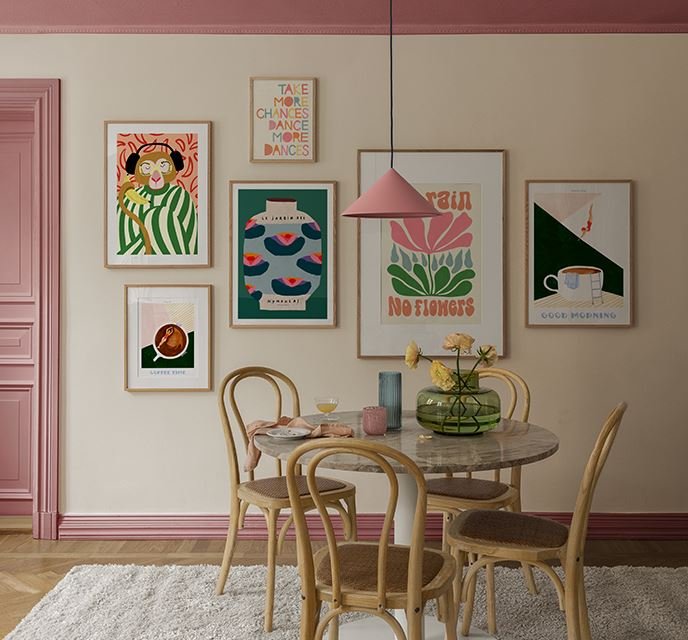
Aesthetic balance also matters. Even when a piece is securely mounted, an ungainly arrangement can disrupt harmony within a room. Aligning frames, distributing weight, and considering the wall’s color and texture all contribute to a cohesive look.
The article also warns against overcrowding a wall. Overly dense displays can overwhelm a space, create visual clutter, and increase the risk of items falling. Thoughtful negative space and deliberate curation improve both safety and style.
Cable management and electronics are another area of concern. Mounted televisions or speakers may require additional considerations to hide cords, prevent heat buildup, or avoid mounting on unstable sections of the wall. Proper planning reduces cable visibility and potential hazards.
Finally, environmental and maintenance factors deserve attention. Humidity, temperature fluctuations, and everyday wear can affect mounted items over time. Seasonal rearrangements offer an opportunity to reassess and re-secure items as needed, preserving both function and appearance.
Together, these seven points offer a practical framework for safer, longer-lasting, and more aesthetically pleasing wall decorating.
In-Depth Analysis
The core of the guidance centers on balancing safety, durability, and design. A key recommendation is to treat wall mounting as a small structural project, rather than a superficial act. For instance, choosing the right mounting method depends on the weight and dimensions of the item, the wall type, and the environment.
Weight distribution is crucial. When hanging multiple pieces, spreading weight across multiple anchors can prevent concentrated stress points that might cause cracks or sagging. For larger items, using wall studs or specified anchors provides superior support. In some cases, professional installation may be warranted, especially for valuable artwork, heavy mirrors, or irregularly shaped mounts.
Surface compatibility underscores the need to tailor methods to the specific wall substrate. Plaster walls can crack if nails are driven in carelessly, while drywall may require different anchors. Brick or concrete walls may benefit from masonry anchors and longer screws. In all cases, pre-assessment—such as locating studs with a stud finder or tapping walls to listen for hollow sections—helps determine the most secure approach.
Aesthetic balance involves alignment, frame spacing, and the relationship to surrounding furnishings. The article suggests planning layouts before drilling, using transparent templates or painter’s tape to map placements. Consistency in frame heights and margins creates a polished, intentional look. The use of mats, frames, and varying sizes should be deliberate to avoid a cluttered impression.
Avoiding overcrowding is tied to both safety and design. A wall with too many items invites chaos and increases the risk of damage from accidental bumps. A curated wall—few, well-chosen pieces rather than many small ones—often yields stronger visual impact and fewer mounting points.
Regarding adhesives and fasteners, the article emphasizes conservative use of temporary mounting aids. Blu-tack, poster putty, or similar adhesives can be convenient for lightweight, temporary displays but may cause residue or surface damage over time. Whenever possible, switch to hardware designed for the wall type and item weight, such as picture-hanging hooks, picture wire, or French cleats for larger pieces.

*圖片來源:Unsplash*
Cable management—especially for mounted screens or speakers—helps preserve aesthetics and safety. Concealing cords behind furniture, using cord channels, or choosing wireless equipment where feasible reduces visual clutter and the likelihood of accidental snagging.
Environmental factors also influence how long a mounted item lasts. Humidity and temperature changes can affect wood, canvas, and frames, and may lead to warping or paint cracking. Seasonal checks and adjustments are prudent, particularly in rooms with fluctuating humidity like kitchens or bathrooms.
The overarching theme is mindful curation. Rather than placing items merely to fill space, consider how each piece contributes to the room’s identity, how it complements furniture, lighting, and color schemes, and how it can be adjusted as the room evolves.
Perspectives and Impact
The guidance on wall décor has broader implications for interior design and dwelling safety. Thoughtful mounting practices protect property, reduce the frequency of wall repairs, and lower the risk of accidental injuries from falling objects. For renters, in particular, the recommendations offer practical strategies to personalize spaces while preserving deposit protections and avoiding damage that could incur penalties.
From a design perspective, a carefully planned wall display can serve as a focal point, improve room acoustics in the case of textiles or art, and create a cohesive narrative across adjacent spaces. The balance between function and form is central: a wall should reflect style while supporting practical uses, such as displaying family photos, artwork, or functional items like clocks or shelving.
Looking ahead, evolving materials and mounting solutions may further simplify this process. Lightweight, durable, and reversible options can expand what home occupants feel comfortable displaying. Digital displays, modular shelving, and customizable frames offer flexibility without compromising wall integrity. As homes embrace more flexible living arrangements and frequent updates to décor, the ability to adapt walls safely and efficiently becomes a valuable skill.
Education around proper mounting methods could empower more people to freely personalize their spaces. DIY enthusiasts and professionals alike may benefit from standardized guidelines that align with wall types, weight ratings, and environmental considerations. The article’s focus on common pitfalls helps demystify the process and fosters better decision-making in interior decoration.
In urban settings where wall space is at a premium, intentionality matters even more. A well-curated wall can make a small room feel larger and more organized, while a poorly planned display may have the opposite effect. Designers may also use walls strategically to route visual attention, frame views, or emphasize architectural features.
Ultimately, the article serves as a practical primer for anyone looking to improve home aesthetics without compromising safety or durability. By combining sound mounting techniques with thoughtful design choices, occupants can create spaces that are both beautiful and resilient.
Key Takeaways
Main Points:
– Avoid overuse of temporary adhesives like blu-tack for permanent displays.
– Match mounting hardware to the item’s weight and wall type.
– Plan layouts before drilling; maintain balance and avoid clutter.
– Consider wall material and environment when choosing mounting methods.
– Manage cables and electronics to preserve aesthetics and safety.
Areas of Concern:
– Potential wall damage from improper fasteners or repeated removals.
– Hidden hazards from unstable mounts or overloaded walls.
– Visual clutter from overcrowded arrangements.
Summary and Recommendations
To create safe, durable, and aesthetically pleasing wall displays, start with a clear assessment of your wall type and the items you wish to hang. Prioritize proper hardware over temporary solutions, especially for heavier pieces, mirrors, or framed art. Plan your layout carefully, using templates to ensure alignment and balance, and avoid overcrowding. Consider environmental factors like humidity and temperature that may affect materials over time, and implement effective cable management for any electronics. Regular checks and adjustments—seasonal or as your space evolves—will help maintain both the safety and beauty of your walls. By approaching wall decor as a small-scale architectural project, you can protect surfaces, improve room harmony, and enjoy a more polished living space.
References
- Original: https://abeautifulspace.co.uk/7-things-you-must-never-put-on-your-walls/
- Additional references:
- How to Hang Pictures Without Damaging Walls: Practical Guide (home improvement resource)
- Wall Mounting Solutions for Different Surfaces (hardware retailer guidance)
- Interior Design Safety: Best Practices for Wall Decor (design publication)
Forbidden:
– No thinking process or “Thinking…” markers
– Article must start with “## TLDR”
End of rewritten article.

*圖片來源:Unsplash*