TLDR
• Core Points: Creative storage, smart lighting, and scale-appropriate furnishings transform tiny UK entrances into functional, stylish spaces.
• Main Content: Practical decorating strategies for narrow hallways, including color, lighting, mirrors, and compact furniture.
• Key Insights: Proportions and lighting are crucial; modular and multifunctional pieces maximize usability without clutter.
• Considerations: British hallway dimensions, weathered surfaces, and entryway durability should guide material choices.
• Recommended Actions: Assess entry dimensions, draft a layout, select slim furniture, install layered lighting, and incorporate mirrors and organizational solutions.
Product Review Table (Optional)
N/A
Content Overview
Tiny hallways in UK homes pose a common design challenge: how to maximize space without sacrificing function or style. This article explores practical, design-forward ideas tailored to narrow entrances, drawing on real-world considerations typical of UK homes. It emphasizes proportion, materials, and lighting as the levers that can dramatically improve how such spaces feel and function. While hallways are often overlooked in interior design, a well-considered approach can transform them from mere transit routes into welcoming, organized, and aesthetically pleasing zones that reflect the rest of the home. The guidance here aims to be accessible to homeowners, renters, and design enthusiasts alike, offering actionable steps that can be implemented with common tools and readily available products.
Narrow entryways demand a thoughtful balance between footprint and function. The core strategy is to make every inch count, prioritizing storage that tucks away, finishes that brighten rather than darken the space, and decorative touches that add personality without visual clutter. The emphasis remains on practical outcomes—more storage, better circulation, easier maintenance—while ensuring the results feel cohesive with the home’s overall style. The recommendations take into account potential constraints typical of UK properties, such as lower ceilings, irregular walls, and the need for durable, easy-to-clean materials given grime exposure near outdoor entry points.
In planning a tiny hallway makeover, one should start with a clear assessment of dimensions, traffic patterns, and existing architectural features. From there, a recipe emerges: choose a light, neutral base to reflect natural light; introduce contrast through texture and accent tones; and employ intelligent storage solutions that do not overwhelm the narrow scene. The article also highlights the importance of layered lighting—overhead, wall-mounted, and task lighting—to create depth and prevent the space from feeling tunnel-like. Finally, it discusses finishing details such as mirrors, slim consoles, and wall-mounted hooks that keep essentials organized and within easy reach. The goal is to deliver a refined, durable, and welcoming entry that serves as a proving ground for the rest of the home’s design language.
In short, the piece provides a structured framework for rethinking narrow UK entrances, moving beyond mere aesthetics to encompass practicality, durability, and long-term usability. With thoughtful material choices, precise scale, and intelligent layout decisions, even the tiniest hallway can become a high-functioning, stylish introduction to the home.
In-Depth Analysis
Narrow hallways, especially in UK homes where the architectural footprint often prioritizes compact living, require design interventions that optimize both form and function. The central premise is that small spaces can be visually expansive and highly usable when approached with deliberate strategies that address scale, light, and organization.
1) Proportions and Scale
– Objective: Choose furniture and decor that fit the corridor’s narrow width and potential length without crowding the pathway.
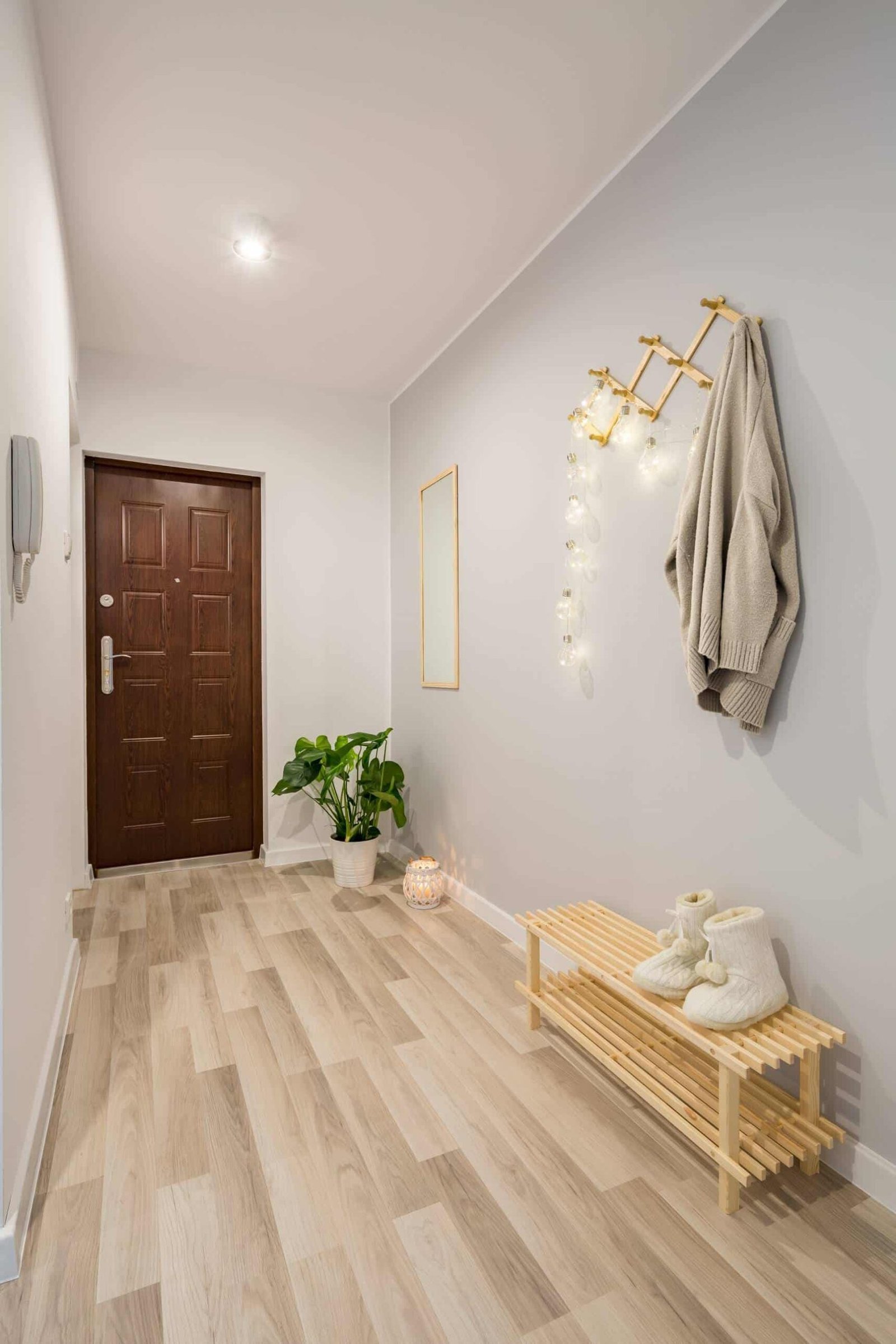
– Practical steps: Favor slim-profile pieces, such as a narrow console table or wall-mounted storage. Avoid oversized furniture that constricts movement; instead, lean toward modular units that can be tucked into recesses or mounted at varying heights to maximize vertical space.
– Materials and finishes: Light-colored or matte finishes reflect light and reduce visual weight, while wood tones that echo other entryway accents create cohesion. Laminate or vinyl flooring with durable wear ratings is advisable for high-traffic zones.
2) Lighting as a Spatial Operator
– Rationale: Lighting dramatically alters perception of space; layered lighting helps counteract the usually narrow, enclosed feel of hallways.
– Implementation: Combine ambient lighting (recessed ceiling fixtures or a slim pendant), wall sconces to create vertical interest, and task lighting near entry seating or mirror areas. Avoid relying solely on a single ceiling light, which can cast harsh shadows and shorten the perceived depth of the hallway.
– Natural light: If there is a door with sidelights or a skylight, maximize it with glass-clear surfaces and minimal obstruction to allow daylight to travel deeper into the home.
3) Mirrors and Reflective Surfaces
– Purpose: Mirrors visually expand the space, bounce light, and add a sense of airiness.
– Placement: A wall-mounted mirror opposite a light source or adjacent to a window can amplify daylight. For very narrow hallways, a full-length or tall mirror that aligns with the entry’s vertical rhythm is particularly effective.
– Alternatives: Mirror-fronted cabinetry or reflective tiles can offer storage visibility while maintaining the perception of more space.
4) Storage That Serves and Disappears
– Strategy: Use vertical storage and multifunctional surfaces to keep the hallway organized without encroaching on walking space.
– Options:
– Wall-mounted hooks and slim peg rails for coats and bags.
– Narrow shoe storage cabinets or under-seating storage in a compact bench.
– Slim console tables with drawers or alcove-mounted shelves that provide surface area for keys, mail, and daily essentials.
– Over-door organizers or magnetic boards to keep items accessible yet tidy.
– Durability: In the UK, where entryways contend with damp and dirt, select materials with moisture resistance and easy-clean finishes.
5) Color, Texture, and Pattern
– Approach: Light, neutral palettes expand the sense of space, while textures add depth and warmth.
– Tactics: Paint walls in soft whites, warm creams, or cool pastels. Introduce texture through wall panels, wicker baskets, natural fiber rugs, or a tactile runner that coordinates with the overall color scheme.
– Accent: A single bold color applied sparingly (via a door, a small artwork, or a furniture leg) can anchor the space without overwhelming it.
6) Flooring and Durability
– Considerations: Hallways endure heavy foot traffic and outdoor grime. Durable flooring options are essential.
– Recommendations: Hardwearing options such as engineered wood with a protective finish, vinyl sheets, or porcelain tiles. A runner rug that is narrow, long, and suited to the width of the hallway can provide warmth and dirt-trapping function, but ensure it is securely backed to prevent slipping.
7) Entryway Comfort and Function
– Thresholds and weatherproofing: The transition from outdoors to indoors often introduces moisture and dirt. Choose door mats and outdoor-indoor transition elements that trap dirt effectively and are easy to clean.
– Seating: If space allows, a compact, cushioned bench or stool with storage can offer a convenient place to sit while putting on shoes. Select designs with a slim footprint and rounded edges to avoid snagging clothing or bumping into furniture.
8) Personalization and Style Cohesion
– The goal is to ensure that even a small entrance feels integrated with the rest of the home’s design language.
– Styling details: Curate a few carefully chosen decor elements such as framed art, a small plant, or a scented diffuser. Keep the number of decorative pieces limited to maintain the sense of openness.
9) Seasonal and Practical Adjustments
– Adaptability: Hallways can be quickly refreshed with seasonal textiles or color accents. Swap out a runner or cushion covers to keep the space feeling current without major renovations.
– Maintenance: Because entryways can accumulate dirt rapidly, opt for wipeable finishes and materials that require minimal upkeep.

*圖片來源:Unsplash*
10) Planning and Execution
– Start with a measurements-backed layout plan. Sketch the hallway and mark door swings, radiators, and wall recesses.
– Prioritize a rational flow: entry, seating, and access to adjoining rooms should be obvious and unobstructed.
– Gradually implement updates: begin with essential storage and lighting, then layer in decorative touches as budget allows.
Overall, the essence of successful tiny hallway decorating lies in smart scale, purposeful lighting, and storage solutions that respect the space’s boundaries while reinforcing a coherent design narrative with the rest of the home. By focusing on vertical space, reflective surfaces, and robust, easy-to-clean materials, you can transform a narrow UK entrance from a utilitarian corridor into a welcoming, stylish, and highly functional space.
Perspectives and Impact
The broader implications of optimizing tiny hallways extend beyond aesthetics and convenience. A well-designed entryway influences first impressions, daily routines, and even the perceived value of a home. In the context of UK housing, where many homes feature compact, irregular layouts, the ability to maximize a small space speaks to broader architectural and interior design principles: leveraging light, layering materials, and creating a coherent flow between adjacent rooms.
From a user experience standpoint, the hallway serves as a transitional area that shapes how occupants engage with the home. Efficient storage reduces clutter in living spaces, enabling a calmer environment overall. Thoughtful lighting and reflective surfaces can make small spaces feel more open, which in turn enhances mood and energy levels—an effect supported by interior design literature that links light, color, and spatial perception to well-being.
Economically, strategic investments in a hallway can yield high returns in perceived value without requiring major structural work. Simple updates—new lighting, a slim storage unit, an extended mirror, or a refreshed color palette—often deliver noticeable improvements at comparatively modest costs. These updates also enable homeowners to customize the space according to lifestyle needs, whether that means accommodating more outerwear in wet seasons, creating a mini-desk area, or providing a dedicated zone for mail and keys.
For renters, the solutions emphasize non-permanent changes: removable hook rails, freestanding slim storage, and temporary wallpaper or peel-and-stick panels that can be replaced when moving. Such approaches respect tenancy agreements while still allowing meaningful upgrades. For homeowners, there is an opportunity to tailor the hallway to evolving life stages—adjusting storage capacity for growing families, accommodating accessibility needs, or reconfiguring the layout to better serve daily routines.
Looking ahead, emerging trends in tiny hallway design emphasize modularity, smart home integration, and sustainable materials. Modular furniture that can be reconfigured across rooms offers flexibility as living spaces evolve. Smart lighting solutions, including sensors and tunable color temperatures, can further enhance the sense of space and comfort. Sustainable materials—from rapidly renewable wood to durable, low-VOC finishes—will likely gain prominence as homeowners seek to balance aesthetics with environmental responsibility.
In terms of future implications, designers may explore even more compact, wall-integrated storage systems that disappear into architectural features such as alcoves or behind paneling. The integration of digital organization tools (e.g., digital mail organizers, smart hooks) could reduce reliance on physical clutter, while still maintaining accessibility. As urban living continues to demand efficient use of space, the principles outlined for narrow UK entrances are broadly applicable to similar constraints in other countries, encouraging a shift toward more thoughtful, space-conscious design across the residential sector.
Key Takeaways
Main Points:
– Proportions and scale are crucial; select slim, modular furniture and wall-mounted storage.
– Layered lighting and mirrors expand perceived space and brighten the corridor.
– Durable, easy-to-clean materials help handle dirt and moisture typical of entryways.
– Color and texture provide warmth and depth without overwhelming narrow spaces.
– A well-planned layout prioritizes circulation and cohesive design with the rest of the home.
Areas of Concern:
– Overloading a narrow corridor with storage can impede movement; balance is essential.
– Low ceilings or irregular walls may require customized solutions to achieve a seamless look.
– Budget constraints can tempt shortcuts that compromise durability or aesthetics over time.
Summary and Recommendations
Transforming a tiny hallway in a UK home requires a deliberate combination of scale, light, and storage strategy. Start by measuring the space accurately and drafting a layout that preserves clear walking paths. Prioritize slender storage options and opt for wall-mounted solutions that keep the floor free. Use layered lighting to create depth and a more expansive feel, complemented by a strategically placed mirror to reflect light and add dimension. Choose a light, cohesive color palette with texture-driven accents to add warmth without crowding the space. Select durable, easy-to-clean materials that withstand outdoor grime and indoor traffic, and consider a narrow runner or rug to introduce warmth while maintaining a clean, uncluttered appearance.
For ongoing enjoyment and adaptability, consider modular furniture and non-permanent accents that can evolve with your needs. Seasonal updates—such as swapping textiles or wall art—can refresh the space without significant renovations. If you rent, favor removable solutions that respect tenancy agreements. By focusing on these elements, even the smallest entrance can become a functional, stylish, and welcoming introduction to the home, setting a positive tone for the rest of the interior.
References
- Original: https://abeautifulspace.co.uk/tiny-hallway-decorating-ideas-for-narrow-uk-entrances/
- Additional references:
- How to Design a Small Hallway: Space-Saving Tips and Tricks
- UK Hallway Decorating Ideas for Narrow Spaces
- Practical Guide to Lighting Small Interiors

*圖片來源:Unsplash*