TLDR
• Core Points: Kitchens prioritize expressive wall art that blends style with function; trends for 2026 include bold color palettes, natural textures, curated gallery arrangements, and sustainable materials.
• Main Content: The kitchen evolves into a gallery-like space where art enhances atmosphere, storytelling, and design cohesion, with practical considerations for durability and maintenance.
• Key Insights: Trend adoption balances aesthetics with practicality, embracing personal expression while ensuring echoes of the home’s overall design language.
• Considerations: Material longevity, ease of cleaning, and the artwork’s impact on kitchen workflow should guide selections.
• Recommended Actions: Assess wall spaces, choose durable materials, mix scales, and curate pieces that reflect lifestyle and cuisine style.
Content Overview
The traditional kitchen has long been a space defined by function—counters, appliances, and storage. In recent years, designers have increasingly treated kitchen walls as an extension of living areas, a canvas for personal expression, and a way to anchor a room’s color story. The 2026 Kitchen Wall Art Trends reflect a broader shift toward turning culinary spaces into gallery-like environments where art and daily routines coexist harmoniously. This evolution is driven by several factors: the rise of open-plan living, the desire for comforting, curated interiors, and the growing availability of affordable, statement-making art. As kitchens become more than workspaces, the walls tell stories, set moods, and reveal occupants’ tastes, all while remaining mindful of practicality and durability in high-use spaces.
This article synthesizes industry conversations among interior designers and trend forecasters, outlining seven compelling kitchen wall art trends for 2026. Each trend is explored not only for its aesthetic appeal but also for how it can be integrated into different kitchen layouts—from compact apartments to large, open-plan kitchens—without compromising function or maintenance. The focus remains on objective, durable design choices that offer longevity and a coherent, stylish look.
In-Depth Analysis
1) Bold Color Walls with Art as Accent
– The 2026 trend report emphasizes using bold wall colors as a backdrop for curated art. Designers suggest walls in saturated hues, such as deep greens, navy blues, and rich terracotta, to create a dramatic canvas that makes art pop.
– Implementation tips: choose a dominant wall color and balance it with lighter cabinetry or neutrals to avoid overwhelming the space. Use art with complementary tones or contrasting colors to create focal points.
– Practical note: select art prints or canvases with matte finishes or protective coatings to withstand kitchen humidity and splashes.
2) Nature-Inspired Textures and Natural Materials
– Natural textures—wood grain, stone-like prints, cork, rattan, and woven fibers—continue to appear on walls through art panels, framed pressed botanicals, or textile-based wall hangings.
– Implementation tips: pair nature-inspired art with plants or natural materials in nearby cabinetry or countertops to reinforce a cohesive organic theme.
– Practical note: protect delicate natural materials with UV-protective coatings and install away from direct steam zones to reduce wear.
3) Curated Gallery Walls in Small and Large Kitchens
– Gallery walls—arrangements of multiple framed works—remain a strong trend, scaled for various wall sizes. In smaller kitchens, a compact gallery can create a focal point without consuming floor space; in larger kitchens, expansive galleries can anchor seating or dining zones.
– Implementation tips: mix frame styles and sizes for a curated look, but maintain a consistent color palette or subject matter to unify the display.
– Practical note: consider lightweight framing and secure mounting for high-traffic areas to minimize the risk of items shifting or falling.
4) Black-and-White and Monochrome Palettes
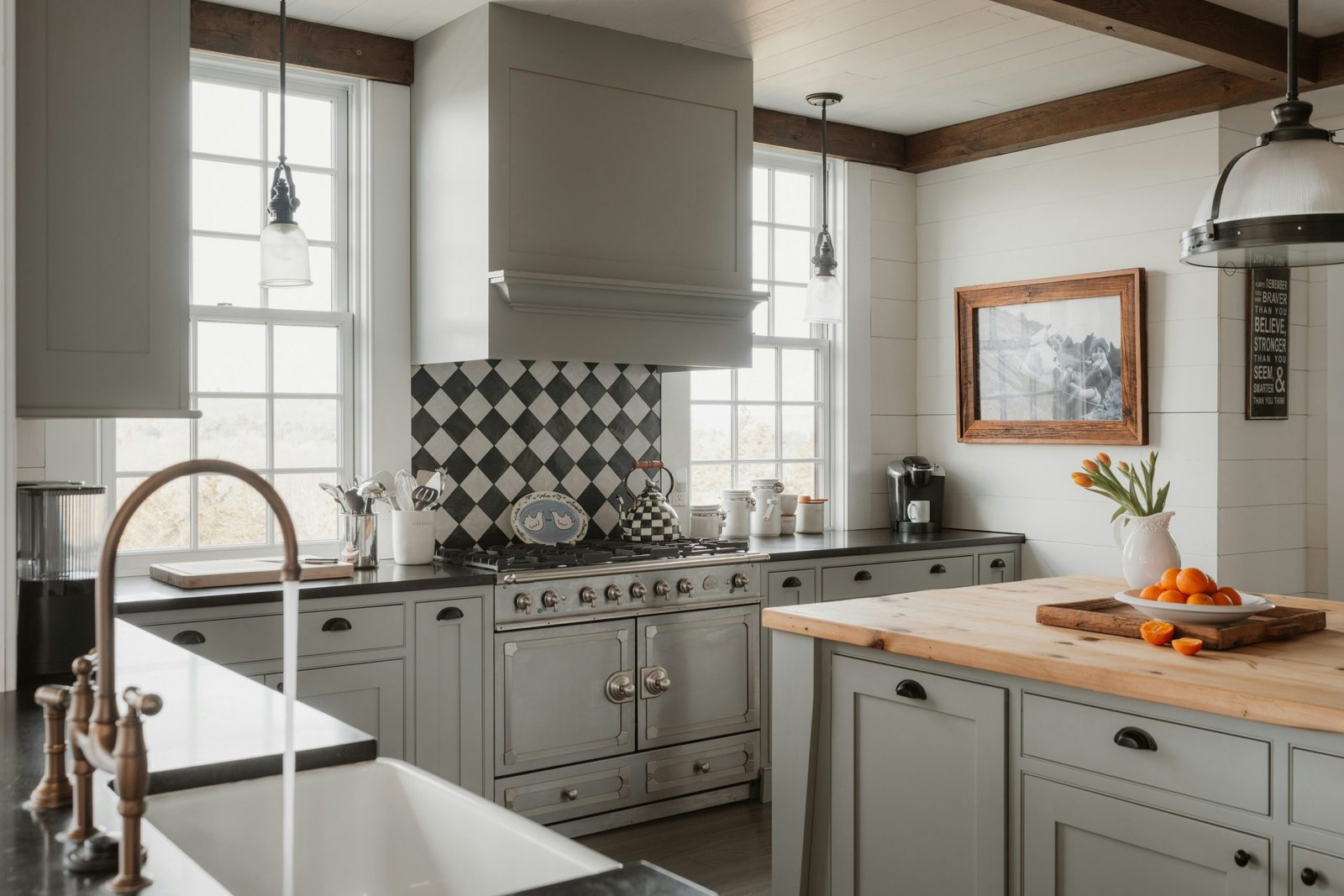
– Classic monochrome art continues to offer sophistication and versatility. Black-and-white photography, line drawings, and minimalistic monochrome prints pair well with modern stainless steel, black fixtures, or white cabinetry.
– Implementation tips: use monochrome art to balance colorful accessories elsewhere in the kitchen or to anchor an all-white or all-dark design theme.
– Practical note: choose high-contrast images with strong negative space to maintain legibility in a busy kitchen environment.
5) Statement Sculptural Pieces
– Beyond flat art, sculptural wall pieces—metalwork, ceramic wall plaques, or three-dimensional fiber art—add texture and architectural interest.
– Implementation tips: place sculptural pieces where they won’t be dented by frequent use and where lighting highlights their textures.
– Practical note: ensure wall anchors and materials are rated for the kitchen environment and resist heat and humidity.
6) Personal and Cultural Narratives
– Personal photos, family recipes, travel-inspired prints, and culturally meaningful pieces are increasingly used to personalize kitchen spaces. The trend encourages owners to tell a story through art.
– Implementation tips: curate a rotation system to keep the display fresh; protect sentimental pieces with appropriate framing and humidity-resistant materials.
– Practical note: digital frames with rotating slides can offer dynamic storytelling without overcrowding wall space.
7) Sustainable and Eco-Friendly Materials
– Sustainability continues to influence art choices, including prints on recycled paper, canvases made from sustainable fibers, and frames milled from reclaimed wood.
– Implementation tips: verify the provenance of materials, and consider artists and suppliers who emphasize ethical and eco-friendly practices.
– Practical note: durable, easily cleanable surfaces are preferable in kitchens, so select media that resist staining and moisture.

*圖片來源:Unsplash*
Cross-cutting considerations for 2026 trends:
– Lighting matters: accent lighting, wall washers, or picture lights can dramatically improve art visibility and ambiance.
– Scale and proportion: ensure artwork size complements wall dimensions and traffic flow, especially in kitchen work zones.
– Maintenance: choose materials and finishes that withstand humidity, heat, and routine cleaning without fading or warping.
– Cohesion with overall design: artwork should echo the kitchen’s color story, materials, and style—whether modern, rustic, or eclectic.
Perspectives and Impact
As households increasingly blend living and cooking spaces, wall art in kitchens functions as both decoration and mood-setter. The shift toward gallery-style displays signals a broader cultural move toward intentional interiors where every element communicates a chosen narrative. The implications extend beyond aesthetics:
– Design literacy grows: homeowners engage more deeply with art curation, choosing pieces that reflect personal identity and values.
– Shopping behavior evolves: there is greater demand for durable, kitchen-friendly art. Framed prints with protective coatings and weather-resistant materials become common.
– Space utilization changes: walls formerly reserved for appliances or recipe calendars are now active design surfaces that can influence how a kitchen is used—encouraging social interactions, displaying family stories, or guiding the eye through a room.
– Sustainability becomes a design driver: buyers are more attentive to the environmental impact of art, sources, and frames, leading to increased demand for recycled-content materials and ethically produced works.
Future trends may further integrate digital elements, such as e-ink art displays or rotating digital canvases that simulate seasonal themes, while retaining the tactile, tangible benefits of physical art. As with any design choice, the most successful implementations balance beauty, function, durability, and personal resonance.
Key Takeaways
Main Points:
– Kitchen wall art is increasingly treated as a central design feature rather than a background detail.
– Diverse approaches—from bold color statements to nature-inspired textures and gallery walls—offer flexible options for different spaces.
– Durability, humidity resistance, and ease of maintenance are essential when selecting kitchen art materials.
– Personal storytelling and sustainability are guiding principles in 2026 art selections.
Areas of Concern:
– Overly busy walls can disrupt workflow; ensure art supports rather than competes with practical tasks.
– Some sculptural or textured pieces may be impractical in high-traffic areas or near heat sources.
– Maintaining color integrity and material longevity in humid kitchen environments requires careful material choices.
Summary and Recommendations
The 2026 landscape for kitchen wall art embraces a purposeful blend of aesthetics and practicality. Designers advocate for walls that act as a gallery, a mood-setter, and a storytelling medium while remaining anchored to the kitchen’s functional realities. To implement these trends successfully:
– Start with a cohesive concept that mirrors the home’s overall design language, then layer in varied art forms that complement this concept.
– Consider durable, kitchen-friendly materials such as prints with protective coatings, fade-resistant inks, and frames made from reclaimed or sturdy materials.
– Use a mix of scales within gallery arrangements to create rhythm without overwhelming the space; anchor larger pieces with smaller supplementary works.
– Pay attention to lighting to highlight art and shape the room’s ambiance—incorporate both ambient and accent lighting for versatility.
– Prioritize sustainability by choosing eco-friendly materials and supporting artists who practice responsible production.
By thoughtfully selecting pieces that reflect personal taste and suit the kitchen environment, homeowners can create inviting, visually engaging spaces that remain practical for daily use.
References
- Original: https://abeautifulspace.co.uk/7-kitchen-wall-art-trends-for-2026-beautiful-ideas/
- Additional references to be added (2-3) based on article content and related trend reports.

*圖片來源:Unsplash*