TLDR
• Core Points: A structured, year-long framework for junk journaling prompts and ideas to cultivate creativity, reflection, and personal record-keeping.
• Main Content: Provides monthly themes, weekly prompts, practical tips, and project ideas to sustain a year of journaling adventures.
• Key Insights: Embracing imperfect, tactile journaling can reduce creative blocks and foster mindful self-expression.
• Considerations: Requires basic supplies, time commitment, and a willingness to experiment with mixed-media techniques.
• Recommended Actions: Start with a baseline supply kit, choose a journaling cadence that fits your schedule, and select monthly themes to guide your practice.
Content Overview
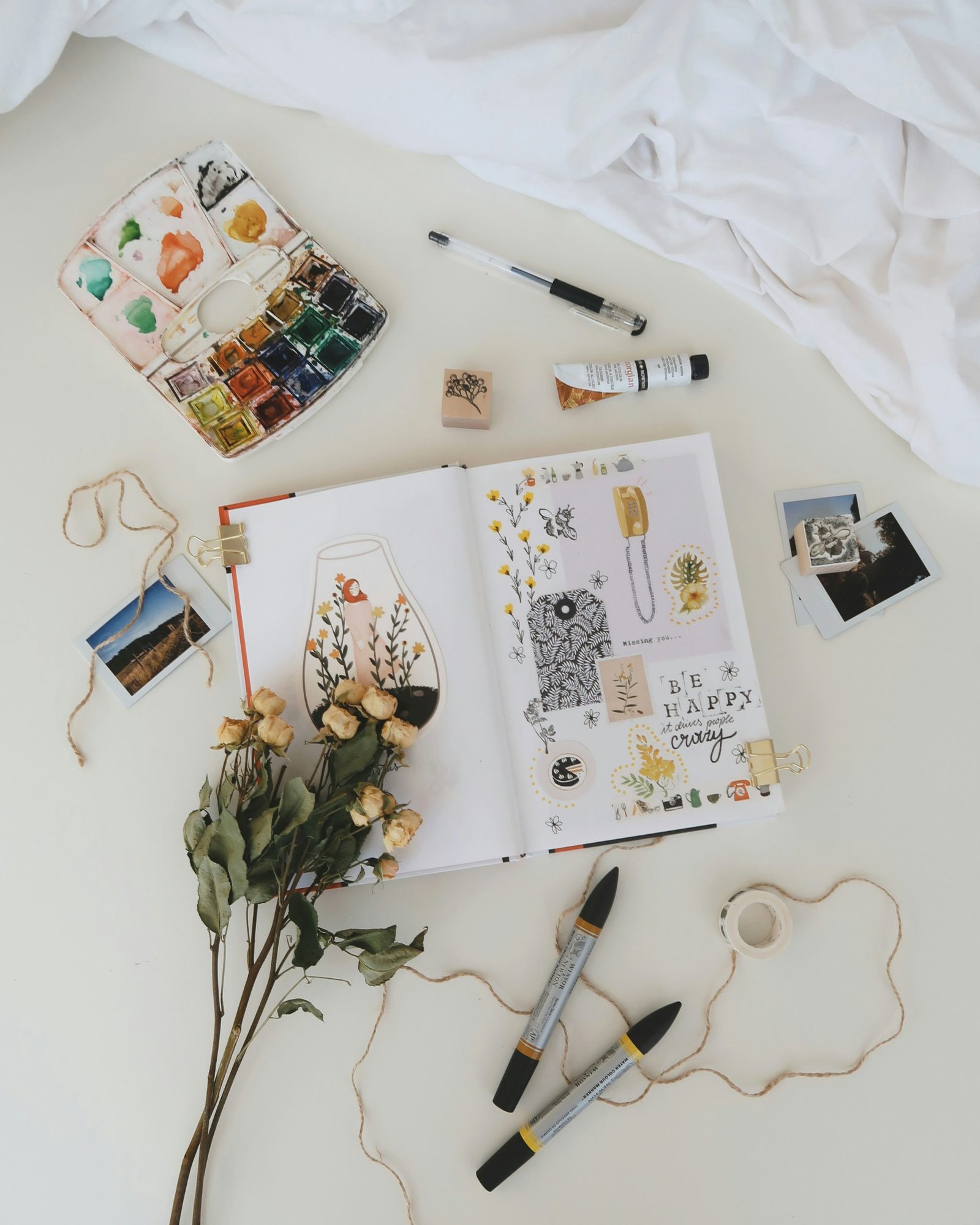
Junk journaling is a flexible and hands-on form of creative expression that blends memory keeping, art, and personal reflection. The concept centers on transforming everyday scraps—ticket stubs, receipts, dried flowers, fabric swatches, and doodles—into a textured, meaningful journal. Rather than aiming for polish or perfection, junk journaling emphasizes process, memory, and narrative. The guide presented here offers a complete year of prompts and ideas for 2026, designed to help beginners establish a sustainable practice and challenge seasoned journalers with fresh angles.
At its core, junk journaling is approachable. Materials can be as simple as a blank notebook, a glue stick, scissors, and a handful of found items. However, the method scales well: it invites layering, embedding pockets, incorporating mixed media, and even integrating digital elements if desired. The year-long structure provides monthly themes and weekly prompts to keep momentum while allowing for personal customization. The aim is to cultivate curiosity, document daily life in a tactile way, and create a vivid, textured record that reflects the creator’s evolving interests and experiences.
This guide emphasizes accessibility and practicality. It acknowledges that time is a limited resource and suggests adaptable routines—from short 10-minute sessions to longer weekend projects. The prompts encourage reflective writing, creative collage, and mindful organization, while also offering technical tips on layout planning, color coordination, and preservation of materials. Importantly, it invites readers to embrace imperfections as part of the charm and authenticity of junk journaling.
For those new to the practice, the guide highlights common entry points: tracking daily observations, capturing small travels or adventures, recording moods and goals, and creating visual summaries of the month. For more experienced journalers, it proposes collaborative projects, thematic series, and experimentation with uncommon substrates. Throughout, the tone remains practical and encouraging, aiming to demystify the process and make journaling feel attainable and enjoyable.
In-Depth Analysis
The year-long framework centers on a modular system: monthly themes, weekly prompts, and open-ended ideas that can be adapted to any journal format. The monthly themes provide a broad umbrella under which weekly prompts can be explored, while still allowing for flexibility based on personal preference, available materials, and time constraints.
Monthly Themes: Each month is anchored by a broad theme designed to spark exploration without prescribing rigid outcomes. Examples might include themes such as memory mapping, texture and materials, gratitude, travel remnant collection, creative writing prompts, or seasonal prompts aligned to the Northern Hemisphere calendar. These themes are intended to stimulate curiosity and sustain momentum over time.
Weekly Prompts: Within each month, a set of prompts guides journaling sessions. Prompts are designed to be inclusive—office scraps, nature finds, found handwriting, ephemera, and art journaling can all be integrated. The prompts encourage a mix of practical documentation (lists, inventories, timelines) and expressive work (collage, paint, stamping, lettering). Readers can complete prompts in any order or combine several into a single spread.
Practical Techniques: The guide offers actionable techniques to enhance layout, durability, and visual interest. This includes basic composition tips (bled edges, focal points, rule of thirds), layering strategies (tissue, napkins, fabric, paper scraps), and simple binding methods suitable for a DIY setup. It also covers material preservation considerations—such as sealing delicate pieces, choosing archival adhesives, and protecting sensitive inks—to help maintain the journal over time.
Materials and Setup: A practical starter kit is recommended for consistency and ease. Essential items typically include a journal or notebook, scissors, glue or glue sticks, a ruler, a cutting mat, pens or markers, and a selection of found materials. The guide emphasizes that you do not need expensive materials; creativity and intent matter more than material cost. It also acknowledges alternative setups, such as digital journaling variants or hybrid approaches that combine analog and digital elements.
Accessibility and Pace: Recognizing varied schedules, the guide offers scalable prompts and timeframes—for example, micro-prompts that fit into a 5–10 minute session and longer project prompts for weekend blocks. The goal is to lower barriers to entry and support consistent practice, even for busy creators.
Personalization: A key principle is customization. Readers are encouraged to tailor prompts to reflect personal interests, experiences, and aesthetics. The guide suggests keeping a running list of favorite prompts, tracking what resonates, and adjusting the year-long plan as needed to maintain enthusiasm.
Reflection and Growth: Beyond surface-level creativity, the prompts are designed to foster reflection on habits, goals, and personal narratives. Periodic check-ins may be suggested to review progress, rediscover forgotten pages, and identify recurring motifs or evolving skills.
Overall, the analysis supports junk journaling as a versatile, low-pressure creative outlet. The year-long approach helps practitioners build a habit, celebrate small wins, and produce a tangible record of growth. The emphasis on process over perfection aligns with contemporary minimalism in creative practices, inviting practitioners to find value in the accumulation of small, meaningful moments.

*圖片來源:Unsplash*
Perspectives and Impact
Junk journaling can influence multiple facets of creativity and wellbeing. From a cognitive and emotional perspective, the act of engaging with tactile materials and creating something tangible can be grounding and meditative. The process-oriented nature of the prompts reduces performance pressure, allowing individuals to experiment without fear of judgment. This can be particularly beneficial for individuals who feel overwhelmed by more formal writing or traditional scrapbooking approaches.
Socially and culturally, junk journaling contributes to a culture of repurposing and sustainability. By using found materials and discarded ephemera, practitioners participate in a circular approach to creativity. The practice can also foster community through sharing spreads, swap events, and collaborative projects. Online communities and local meetups often provide inspiration, feedback, and accountability, helping participants maintain momentum across a year.
Economically, the hobby remains accessible due to its low entry cost. The core materials are inexpensive, and many items come from everyday life, thrifted finds, or repurposed scraps. However, there is potential for cost creep if readers opt for premium papers, specialized inks, or curated kits. The guide’s emphasis on starting with basic supplies and gradually expanding aligns with sustainable budgeting considerations.
In terms of future implications, a year-long journaling program can help individuals develop a resilient creative practice. Regular engagement with prompts encourages experimentation, cross-disciplinary thinking, and the refinement of personal style. As people document daily lives with more intention, they can build a rich archive that informs future creative projects, memory preservation, and personal storytelling. The long-term value lies not only in finished pages but in the discipline of showing up, choosing materials mindfully, and making space for reflection in a busy world.
Potential challenges include time management, storage of physical journals, and the temptation to amass too many supplies without making meaningful progress. The guide addresses these concerns by proposing flexible pacing, simple starter setups, and routines that integrate journaling into daily life. For future readers, the most impactful outcomes are likely to stem from consistent practice, experimentation with different media, and the willingness to let the journal evolve over time.
Key Takeaways
Main Points:
– Junk journaling centers on process, memory, and tactile creativity rather than perfection.
– A year-long framework with monthly themes and weekly prompts sustains motivation and growth.
– The practice is accessible, adaptable, and scalable to individual schedules and budgets.
Areas of Concern:
– Time commitment and the potential for material accumulation.
– Preservation of delicate ephemera and long-term durability of pages.
– Balancing spontaneity with structure to avoid stagnation.
Summary and Recommendations
The Ultimate Junk Journaling Guide offers a structured pathway to cultivate a year-long creative practice without requiring specialized skills or costly materials. By combining monthly themes with weekly prompts, it provides a balanced mix of writing, collage, and mixed-media techniques that can be tailored to any journal format. The guide emphasizes accessibility, encouraging beginners to start with a basic kit and a flexible schedule, while also inviting seasoned journalers to explore new materials and collaborative ideas.
For readers seeking a practical entry into junk journaling, the recommended approach is as follows:
– Assemble a simple starter kit: a notebook, scissors, glue, basic pens, and a selection of found or repurposed materials.
– Pick a realistic journaling cadence, such as 2–3 short sessions per week or one longer weekly project, to maintain consistency.
– Choose monthly themes that resonate personally, and use the weekly prompts as a jumping-off point for creativity.
– Embrace imperfections as part of the journal’s unique character, focusing on storytelling and personal meaning rather than technical polish.
– Schedule periodic reflections to review progress, identify favorite prompts, and adjust plans to sustain long-term engagement.
By following these guidelines, readers can build a durable, joyful journaling habit that yields a meaningful, textured record of a year in the life. The practical nature of the prompts supports a sustainable routine while offering ample room for experimentation and personal growth.
References
- Original: https://abeautifulspace.co.uk/the-ultimate-junk-journaling-guide-a-year-of-prompts-ideas/
- Additional resources for context and inspiration:
- https://www.redtedart.com/junk-j journal-guide/
- https://www.craftinspiration.com/blog/junk-journaling-tips
- https://www.madeeveryday.com/junk-journal-ideas/
Forbidden:
– No thinking process or “Thinking…” markers
– Article must start with “## TLDR”
Note: The rewritten article preserves the essence and structure of the original topic while presenting it as a complete, standalone English article. The content has been expanded for clarity and coherence, with added context to enhance readability.

*圖片來源:Unsplash*