TLDR
• Core Points: OpenAI founder Sam Altman criticizes Anthropic’s Super Bowl ads as dishonest and authoritarian, framing the debate over AI safety and capability as a strategic clash between rival labs.
• Main Content: The critique follows Anthropic’s high-profile Super Bowl campaign, highlighting tensions in the AI safety and governance discourse between leading AI firms.
• Key Insights: Public messaging by AI lab leaders can shape regulatory and industry risk perceptions; branding battles influence trust and funding in AI safety.
• Considerations: The discourse risks oversimplifying safety trade-offs; policymakers should sift claims from marketing to assess real safety guarantees.
• Recommended Actions: Stakeholders should promote transparent safety benchmarking, encourage cross-industry collaboration, and support independent auditing of AI systems.
Content Overview
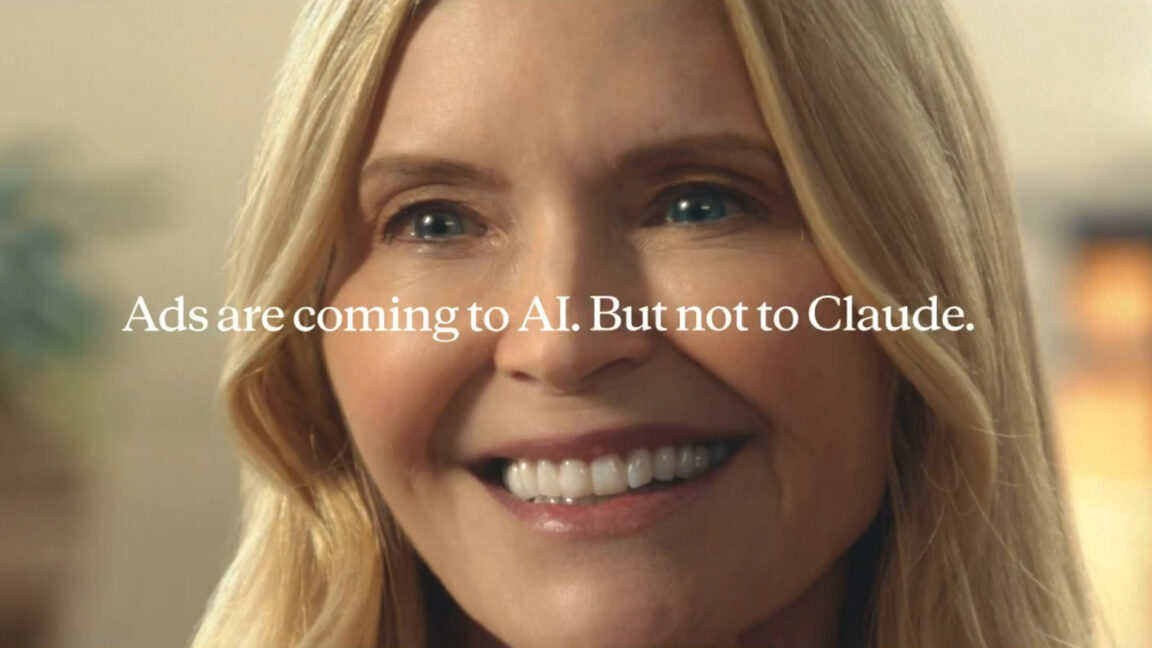
In the evolving frontier of artificial intelligence, a public spat has emerged between two of the sector’s most prominent players: OpenAI and Anthropic. The controversy centers on Anthropic’s latest wave of Super Bowl television advertisements, which have sought to position the company as a leader in AI safety and governance. OpenAI’s leadership, most notably Sam Altman, responded with pointed criticism, labeling Anthropic’s messaging as dishonest and authoritarian. The exchange underscores a broader, ongoing debate in the tech community about how to balance rapid AI advancement with robust safety protocols, ethical considerations, and regulatory oversight.
Anthropic, founded in the wake of internal disagreements at OpenAI, has built its public persona around safety-first AI design. Its Super Bowl ads—intentionally high-visibility and provocative—aim to elevate conversations about alignment, value alignment, and the risks of powerful generative models. OpenAI’s counterpoint, articulated by Altman and other executives, challenges what they perceive as marketing-driven narratives that may oversimplify safety concerns or imply guarantees that are not yet achievable in practice. The public commentary thus reflects more than a marketing clash; it signals a strategic battleground over trust, funding, and the trajectory of AI policy.
This dynamic occurs amid a broader ecosystem of AI development where multiple organizations, researchers, and policymakers are grappling with how to govern rapidly advancing technologies. The discourse around safety, control, and governance has moved from theoretical discussions to concrete public communications, investment decisions, and potential regulatory proposals. As AI systems become more capable and embedded in everyday life, the signals companies send through advertising, public statements, and governance positions influence investor sentiment, partner collaboration, and public perception of risk.
In addition to the high-profile ads and public responses, observers note that the underlying technical and ethical questions remain complex. There is ongoing debate about how to measure and verify safety, what constitutes sufficient alignment of AI systems with human values, and how much autonomy or control should be surrendered to machines. Industry actors argue for clear standards and independent evaluations, while advocates stress the importance of transparent governance and diverse oversight. The interplay between corporate strategy, safety research, and regulatory considerations continues to shape the AI landscape as it evolves toward broader deployment and integration into critical sectors.
In this environment, the OpenAI-Anthropic discourse provides a case study in how industry leaders manage reputational risk and influence the public narrative around safety. It also highlights the potential for competitive dynamics to affect the perception of AI safety research and the development of policy frameworks. As policymakers, researchers, and industry stakeholders observe and participate in this exchange, the outcomes could influence the pace of deployment, the nature of safety research funding, and the design of future regulatory safeguards that balance innovation with protections against misuse and unintended consequences.
In-Depth Analysis
The dispute between OpenAI and Anthropic over Anthropic’s Super Bowl ads sits at the intersection of marketing strategy, corporate positioning, and the high-stakes discourse on AI safety. Anthropic’s advertising approach leverages the broad reach of the Super Bowl to draw attention to its emphasis on safety, alignment, and governance. The messaging suggests a commitment to building AI systems that better reflect human values and reduce unintended harmful behavior. Such positioning resonates with a segment of the tech community, policymakers, and the general public that increasingly views AI safety as a foundational concern—one that warrants serious consideration alongside performance and capability.
OpenAI’s response—rooted in a direct critique of Anthropic’s rhetoric—reflects a cautious stance toward marketing narratives that, in its view, may misrepresent the feasibility of definitive safety guarantees or downplay the complexities involved in aligning powerful AI systems with human values. Sam Altman’s outspoken remarks on X (formerly Twitter) frame Anthropic’s messaging as not only overstating safety assurances but also potentially consolidating market advantage through a narrative that could be perceived as authoritarian. In this context, the terms “dishonest” and “authoritarian” are not merely rhetorical devices; they signal a concern that certain public-facing claims may obscure the trade-offs, uncertainties, and ongoing work necessary to achieve trustworthy AI.
The exchange highlights a longstanding tension in the AI safety debate: how to balance ambitious, near-term progress with prudent, long-term governance. Anthropic’s position emphasizes a proactive safety ethos—investments in red-teaming, formal verification, interpretability research, and governance frameworks aimed at mitigating risks from large-scale models. OpenAI, while sharing a commitment to safety, has been more cautious about pledges that could be interpreted as guarantees or absolutes. The difference in messaging can influence not only public opinion but also investor confidence, regulatory expectations, and collaboration opportunities with other research institutions and non-profit safety initiatives.
From a communications perspective, the two organizations occupy distinct rhetorical rooms. Anthropic’s ads are designed to spark conversation and signal a principled stance on safety, potentially appealing to stakeholders who prioritize risk mitigation and ethical considerations. OpenAI’s public statements emphasize accountability and realism about the limits of what current technologies can or cannot do, aiming to prevent hype while encouraging continued investment in robust safety research. The divergent narratives risk creating a polarized public perception, in which safety becomes a political rather than a technical issue. Stakeholders—ranging from policymakers to developers to end-users—must navigate these narratives to extract meaningful insights about how AI systems are designed, tested, and deployed.
The broader context includes ongoing policy discussions about AI governance, safety standards, and accountability mechanisms. Governments and international bodies have begun to explore frameworks for transparency, auditing, and risk assessment of AI systems. In this milieu, marketing messages from leading AI labs can shape the urgency and direction of policy proposals. If a lab can convincingly demonstrate a commitment to safety through both technical research and transparent governance practices, it can bolster its credibility with regulators and the public. Conversely, if marketing narratives appear to overstate safety claims, they may invite skepticism and more intensive scrutiny from oversight bodies.
Critics of Anthropic’s approach may argue that safety cannot be separated from performance and deployment speed. They caution that sweeping public admonitions about safety must be matched with demonstrable, reproducible evidence of safer systems in varied real-world scenarios. Others may contend that a strong safety posture is necessary to avoid reckless progress that could erode public trust or invite heavy-handed regulation. The debate thus raises questions about the best path to safer AI: should organizations focus on incremental improvements, rigorous testing, and independent audits, or pursue bold, principled advocacy that reframes public discourse about risk?
Industry observers also point to the role of corporate incentives in shaping statements about safety. Public commitments to safety can attract partnerships with research institutions, governments, and non-profits; they can also align with responsible investment criteria that value risk management and governance. In competitive landscapes, messaging about safety can become a differentiator, much as performance and speed are. The risk is that such messaging becomes more about optics than about tangible safety outcomes. Therefore, it becomes essential to differentiate between marketing rhetoric and verifiable progress, such as the publication of safety benchmarks, independent third-party audits, transparent model governance policies, and concrete commitments to safety research investment.
*圖片來源:media_content*
Another layer of complexity concerns how “safety” is defined and communicated. Alignment, robustness, interpretability, and controllability are all components of a comprehensive safety program, yet each presents unique technical challenges. Public communications must be precise about what is being claimed. For example, claims regarding alignment often refer to the system’s ability to follow human intent across a wide range of tasks, including those not anticipated during training. Robustness involves resilience to distributional shifts and adversarial inputs. Interpretability seeks to provide human-understandable explanations for model decisions. Controllability covers mechanisms to stop or constrain undesirable behavior. Marketing messages that conflate these distinct concepts risk underscoring one area while neglecting others, potentially leaving stakeholders with an incomplete understanding of a system’s safety assurances.
The conversation also intersects with concerns about transparency and accountability. Independent auditing, data on model performance, and documentation of safety practices are seen by many experts as essential for building trust. If Anthropic’s campaigns promote a narrative of safety leadership without corresponding transparency, critics may question the sincerity or completeness of that claim. Conversely, OpenAI’s emphasis on accountability and measured expectations can be viewed as a commitment to openness and collaborative safety work, though some skeptics argue that public statements should be complemented by more detailed governance disclosures.
Looking forward, the dynamics between OpenAI and Anthropic may influence the broader AI ecosystem in several ways. First, if both companies continue to invest heavily in safety research and governance, the overall safety posture of the industry could improve, as more robust benchmarking, red-teaming, and governance mechanisms become standard practice. Second, regulatory authorities could be prompted to push for standardized safety metrics and independent verification processes, based on credible demonstrations from leading labs. Third, investor and partner decisions may increasingly factor in a company’s safety strategy as part of due diligence, potentially reshaping funding patterns within the AI sector.
The public dialogue may also affect employee morale and recruitment within both organizations and the AI safety community at large. Talented researchers and engineers are drawn to opportunities that offer meaningful, verifiable impact on safety and governance. A high-profile exchange that foregrounds safety can help attract talent who want to contribute to responsible AI development, but it can also intensify competition and raise the stakes in securing top-tier researchers and funding. The long-term implication is a sector that places greater emphasis on safety as a central value, rather than a peripheral consideration.
Ultimately, the incident illustrates how marketing, policy, and technical work are tightly interwoven in AI today. While competition drives innovation, it also creates opportunities for misalignment in expectations and messaging. For policymakers and industry observers, the key issue is to separate rhetoric from reality: to identify credible safety claims supported by transparent practices, independent evaluations, and trackable progress. The path to safer AI will likely require collaborative efforts that bring together researchers, implementers, regulators, and civil society to establish shared standards, verifiable benchmarks, and accountable governance models.
Perspectives and Impact
- Industry impact: The Anthropic-OpenAI exchange underscores the growing importance of safety and governance in AI as a competitive differentiator. Companies that can credibly demonstrate rigorous safety practices may attract investment, partnerships, and regulatory goodwill.
- Regulatory considerations: Policymakers may respond to high-visibility safety claims by proposing clearer standards for transparency, model evaluation, and risk disclosure. The conversation could accelerate the development of industry-wide benchmarks and independent auditing frameworks.
- Public trust: How safety is communicated matters for public trust. Clear, verifiable claims about safeguards, failure modes, and governance can help the public understand both the benefits and risks of AI technologies.
- Research community: The debate may encourage more researchers to participate in safety-centric work, such as alignment research, red-teaming, and governance studies, potentially increasing cross-institution collaboration.
Future implications include the potential for standardized safety verification processes across the industry, greater emphasis on independent audits, and more nuanced public discourse about what constitutes safe AI. If the industry can move toward consensus on core safety principles and transparent evaluation, stakeholders can better assess risk and align on responsible deployment timelines. The events surrounding Anthropic’s ads and OpenAI’s response may become a reference point for how leading AI labs communicate about safety and governance in the age of high-visibility AI campaigns.
Key Takeaways
Main Points:
– OpenAI publicly challenged Anthropic’s safety-centered advertising, calling it dishonest and authoritarian.
– The dispute highlights tensions between marketing narratives and technical safety realities in AI development.
– Public messaging about safety can influence policy, funding, and industry trust, making accuracy and transparency crucial.
Areas of Concern:
– Risk of oversimplified safety claims in marketing campaigns.
– Potential for polarized public discourse that obscures nuanced governance trade-offs.
– Need for independent verification and standardized safety benchmarks to counter marketing selective claims.
Summary and Recommendations
The OpenAI–Anthropic exchange over Super Bowl advertising reveals how leadership rhetoric shapes both industry perception and regulatory expectations around AI safety. While Anthropic emphasizes a principled stance on alignment and governance through high-visibility marketing, OpenAI pushes back with calls for honesty and realism about safety limitations. This dynamic is not merely a branding dispute; it touches on the broader challenge of building public trust in powerful AI systems while continuing rapid innovation.
For policymakers and stakeholders, the episode reinforces the need for transparent safety practices and independent evaluation as central elements of credible AI governance. Clear, verifiable safety benchmarks, open governance documentation, and collaborative research initiatives can help ensure that safety claims are grounded in demonstrable progress rather than marketing narratives. As AI systems become more embedded in society, the industry’s ability to communicate safety in a precise, evidence-based manner will be critical to sustaining public trust and shaping a constructive regulatory path.
In the near term, the AI community should consider adopting standardized safety evaluation protocols and encouraging cross-organizational audits and disclosures. This would reduce the risk of misinformation and help ensure that safety improvements are measurable and reproducible. Stakeholders should also foster dialogue that includes policymakers, researchers, practitioners, and civil society to calibrate expectations and establish shared safety objectives that reflect both technical feasibility and real-world impact. By focusing on transparency, collaboration, and rigorous evidence, the AI sector can advance toward safer deployment while continuing to innovate responsibly.
References
- Original: https://arstechnica.com/information-technology/2026/02/openai-is-hoppin-mad-about-anthropics-new-super-bowl-tv-ads/
- [Add 2-3 relevant reference links based on article content]

*圖片來源:Unsplash*