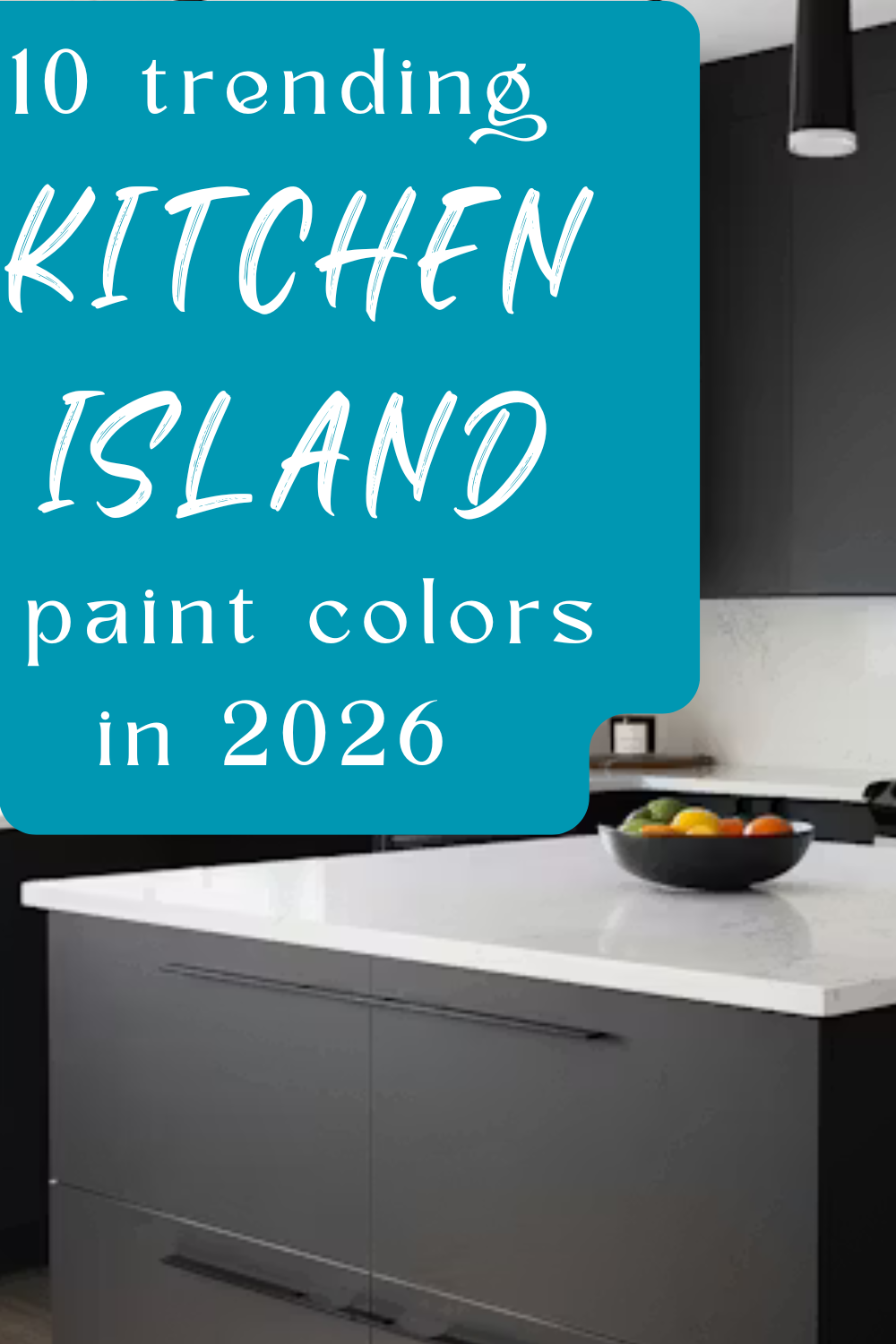
TLDR
• Core Points: 2026 kitchen island colors mix earthy warmth with modern moody tones, offering versatile options for various design styles.
• Main Content: Designers favor natural-inspired palettes—deep greens, rich browns, and soft neutrals—balanced with bold accent hues and matte finishes.
• Key Insights: The trend prioritizes durability, low maintenance, and how color affects mood and perceived space in open-plan kitchens.
• Considerations: Lighting, cabinetry, and surrounding materials influence color performance; consider swatches in real rooms before committing.
• Recommended Actions: Test multiple shades in situ, decide on finish (matte vs. satin), and align color with overall kitchen schema for cohesion.
Content Overview
The 2026 trend cycle highlights kitchen island paint colors that run the gamut from grounding earth tones to sophisticated moody hues. Designers emphasize colors that can anchor a space, complement natural materials, and adapt to evolving kitchen functions—from casual family breakfasts to entertaining hubs. While neutrals remain a staple, the color stories for 2026 lean into depth and nuance:-rich greens that evoke forest canopies, warm browns reminiscent of polished timber, and charcoal or ink-toned blues that read as contemporary and refined. The finish choice is equally important: matte surfaces offer a soft, contemporary look and practical fingerprint resistance, while satin finishes provide a touch more sheen and durability in high-traffic zones. The overarching objective is to achieve a balanced aesthetic that enhances natural light, showcases texture, and maintains timeless appeal amid changing interior trends.
This article compiles the top 10 kitchen island paint colors anticipated to trend in 2026, drawing on designer insights, showroom previews, and recent renovation data. For homeowners and interior professionals, these color directions provide a framework for selecting an island hue that harmonizes with cabinetry, countertops, flooring, and hardware. The focus remains practical: durable finishes, ease of maintenance, and the ability to age gracefully as trends shift. By pairing color with appropriate materials and lighting, a kitchen island can serve as both a focal point and a versatile work zone that supports daily activities and social gatherings.
In-Depth Analysis
1) Deep Forest Green
Forest greens bring a sense of calm and connection to nature. They pair beautifully with cream or warm white cabinetry, natural stone countertops, and brass or gold hardware. The richness of a forest green can anchor a kitchen that uses lighter neutrals elsewhere, creating depth without overwhelming the room. Finishes in matte or eggshell reduce glare and emphasize the pigment, while sealing or specialty coatings protect against wear in heavily used islands. This color works well in open-plan layouts where the island serves as a visual anchor and a transition between dining and prep zones.
2) Sage and Olive Greens
Sage and olive tones offer a softer alternative to deeper greens. They read as organic and timeless, transitioning easily from day to night lighting. These hues pair well with warm whites, light oak, and stone textures. They are forgiving with fingerprints and smudges when finished with a durable matte topcoat. Use these tones to achieve a serene, cafe-like island that blends with both traditional and modern kitchen designs.
3) Burnished Copper Brown
Brown hues inspired by natural timber bring warmth without dominating the space. Burnished copper-brown tones work particularly well with brass or copper hardware and dark granite or quartz countertops. They pair nicely with charcoal or black lower cabinetry, creating layered contrast. A satin or semi-matte finish can help reduce uniform glare while preserving color depth for years of use.
4) Rich Espresso
Espresso is a classic choice that grounds a kitchen with a sophisticated, modern edge. It pairs effortlessly with white or light gray cabinetry, white marble or veined quartz countertops, and stainless steel appliances. The high-contrast look between an espresso island and lighter cabinetry creates a strong focal point. Choose a durable finish that resists smudges and water marks, especially in busy kitchens.
5) Charcoal and Slate Blues
Dark blues with charcoal undertones bring a current, moody vibe to the island. These shades work well in contemporary spaces, complementing brushed nickel or matte black hardware and lighter countertops. Lighting plays a crucial role here: ample ambient and task lighting prevents the island from appearing closed-in. A matte finish enhances the depth of color and modern aesthetic.
6) Blackened Navy
Navy blue with black undertones offers a refined alternative to pure black. It communicates sophistication without the severity of true black, especially in rooms with ample daylight. Pair blackened navy with light woods, white or pale countertops, and metallic accents to create a balanced, high-contrast look. A matte or satin finish preserves the color richness while minimizing sheen.
7) Soft Taupe and Greige
Taupe, greige, and warm gray-beige mixtures are highly adaptable for a broad range of decors. These neutrals provide a versatile backdrop that harmonizes with various countertop materials and cabinet colors. They are particularly effective in transitional or Scandinavian-inspired kitchens, where the focus is on clean lines, warmth, and understated elegance.
8) Terracotta and Clay Tones
Terracotta-inspired island colors introduce warmth with a cozy, earthy character. These hues echo natural clay tiles and earth-toned woods, pairing well with cream, white, or sage surroundings. They work best in kitchens that feature natural stone, wood accents, and artisanal textures. A matte finish enhances the rustic charm while remaining easy to maintain.
9) Pebble Gray
A light gray with subtle warmth provides a contemporary alternative to beige or white islands. Pebble gray is an excellent partner to quartz countertops with cool veining and can tie together stainless steel appliances with warm wood elements. This color is particularly effective in smaller kitchens where maximizing perceived brightness is beneficial.
10) Soft White with Warm Undertones
A warm white island can unify disparate materials in a kitchen design that uses a mix of browns, grays, and textures. The right shade avoids stark hospital white and instead introduces warmth that complements wood tones, stone, and brass hardware. This option remains timeless and versatile, especially for homeowners seeking longevity over bold color statements.
Across these options, the finish selection matters as much as the hue. Matte and satin finishes are popular for their modern appeal and practicality. Matte can show fewer fingerprints and smudges, while satin offers a slightly higher washability and durability for high-use zones. When choosing a color, consider the surrounding elements: cabinetry color, countertop material, flooring, lighting, and hardware. A color that reads warm in one space might appear cooler under different lighting, so it is essential to test swatches in the actual room and assess at different times of day.
Durability is another key consideration. Kitchen islands face heavy use, potential moisture exposure, and frequent cleaning. Topcoats designed for kitchens, stain resistance, and easy-care finishes will extend the life of the paint and preserve the color’s richness over time. In addition to practical concerns, color psychology plays a role. Earthy tones often create a grounded, inviting atmosphere conducive to gathering and conversation, while moody hues can add drama and sophistication to more formal or contemporary spaces. The trend for 2026 leans toward flexible palettes that can transition from casual family meals to elegant entertaining without appearing dated quickly.
For homeowners renovating or decorating a kitchen, the process should start with a clear vision of how the island will function within the room. Identify the main tasks performed on the island, the lighting conditions, and how the island’s color will interact with existing or planned cabinetry and countertops. From there, select a color family—such as greens, browns, grays, or warm whites—that aligns with the desired mood and style. Then, narrow down to two or three candidate shades and apply large swatches or samples in the actual environment. Observe how the color shifts under morning sunlight, afternoon sun, and artificial lighting in the evening. This practical approach helps ensure the final choice remains cohesive and appealing as the space evolves.

*圖片來源:Unsplash*
The palette for 2026 emphasizes flexibility. Designers anticipate that homeowners will gravitate toward colors that can adapt to changing trends, resale considerations, and seasonal decorating shifts. Versatility is achieved through careful pairing with cabinetry and hardware, choosing timeless neutrals for the base and reserving bolder tones for accents if needed. In many designs, the island color serves as the focal point or a counterpoint to lighter, airy surroundings, providing a sense of warmth, texture, and personality without overwhelming the space.
Perspectives and Impact
The selection of kitchen island colors for 2026 reflects broader movements in interior design toward sustainability, longevity, and a more organic relationship with materials. Natural-inspired tones—greens, browns, and stone-like grays—emphasize the tactile quality of the kitchen environment, encouraging a sense of comfort and dwellability. These hues resonate with responsible material choices such as reclaimed timber, natural stone, and low-VOC paints, aligning aesthetics with functional durability.
Color also shapes how users experience the kitchen. A well-chosen island color can influence perceived room size, lighting balance, and the separation of zones in open-plan spaces. Darker islands can visually ground a room, providing a sense of enclosure and focus, while lighter, warmer neutrals can amplify brightness and openness. The trend toward moody blues and greens introduces a contemporary, sophisticated vibe that pairs well with modern hardware finishes like matte black, brass, and brushed nickel.
The impact extends beyond aesthetics. The kitchen often serves as a multifunctional area for cooking, work, and social interaction. A color that reduces glare and maintains a calm atmosphere can improve comfort during long meal-prep sessions. Finishes that hold up under daily wear contribute to long-term satisfaction, reducing the need for frequent repainting. As people increasingly spend more time at home, the ability to refresh a space with minimal disruption becomes a valuable design consideration.
From a market perspective, these trending colors reflect a shift toward more curated, design-forward kitchens that still prioritize practicality. Homeowners are seeking a balance between personality and timelessness, with color choices that can evolve with changes in countertops, backsplashes, and furnishings. Designers note that the most successful applications involve cohesive color storytelling across surfaces rather than isolated island statements. When the island color harmonizes with surrounding cabinetry and materials, the space feels intentional and well-scoped.
Future implications point toward more adaptive color systems, including multi-layered finishes that respond to light and humidity, as well as experimenting with tinted sealants that extend color longevity. As sustainable finishes become more accessible, we may see an uptick in the use of environmentally friendly paints, natural pigments, and durable topcoats designed for kitchens. The evolving palette will likely continue to favor nuanced, refined shades rather than bright, saturated colors, maintaining a restrained but expressive design language.
Key Takeaways
Main Points:
– 2026 kitchen island colors emphasize earthy warmth and modern moody tones.
– Finishes (matte vs. satin) significantly influence the look, durability, and maintenance.
– Color choices should harmonize with cabinetry, countertops, lighting, and hardware for cohesion.
Areas of Concern:
– Lighting conditions can alter color perception, necessitating in-room testing.
– High-traffic areas require durable, easy-clean finishes to maintain appearance.
– Trend volatility means color choices should prioritize timelessness and resale value.
Summary and Recommendations
For homeowners aiming to refresh a kitchen island in 2026, the top color directions offer a spectrum from grounded earthy tones to sophisticated moody hues. Deep greens, warm browns, and rich charcoal blues provide ample opportunity to create a focal point that feels both contemporary and inviting. When selecting a color, prioritize compatibility with existing cabinetry and countertops, and consider the lighting environment—natural daylight and artificial lighting can dramatically affect color perception.
Practical steps to implement these trends:
– Start with two to three color families that resonate with your space (e.g., forest green, taupe, or terracotta).
– Obtain large swatches and apply them in the kitchen to observe color behavior over the course of a day.
– Choose a durable finish suited to your life (matte for a modern look with fingerprint resistance, satin for easier cleaning).
– Coordinate hardware finishes (brass, matte black, brushed nickel) to reinforce the color story.
– Ensure the island color supports the overall design narrative, allowing for future updates to countertops or backsplash without requiring a complete repaint.
By following these guidelines, homeowners can achieve a balanced, stylish, and durable kitchen island that remains relevant through evolving design trends while remaining adaptable to changing personal tastes and home aesthetics.
References
- Original: https://abeautifulspace.co.uk/10-trending-kitchen-island-paint-colors-for-2026/
- Additional sources:
- Design trends and color forecasting reports from leading interior design publications
- Manufacturer color palettes and finish recommendations for kitchen paints
- Case studies on island color impact in open-plan kitchens
Forbidden:
– No thinking process or “Thinking…” markers
– Article must start with “## TLDR”
Note: This rewritten article preserves the core ideas about trendy kitchen island colors for 2026, expands on context, and presents the information in a cohesive, professional English article with a structured format as requested.

*圖片來源:Unsplash*