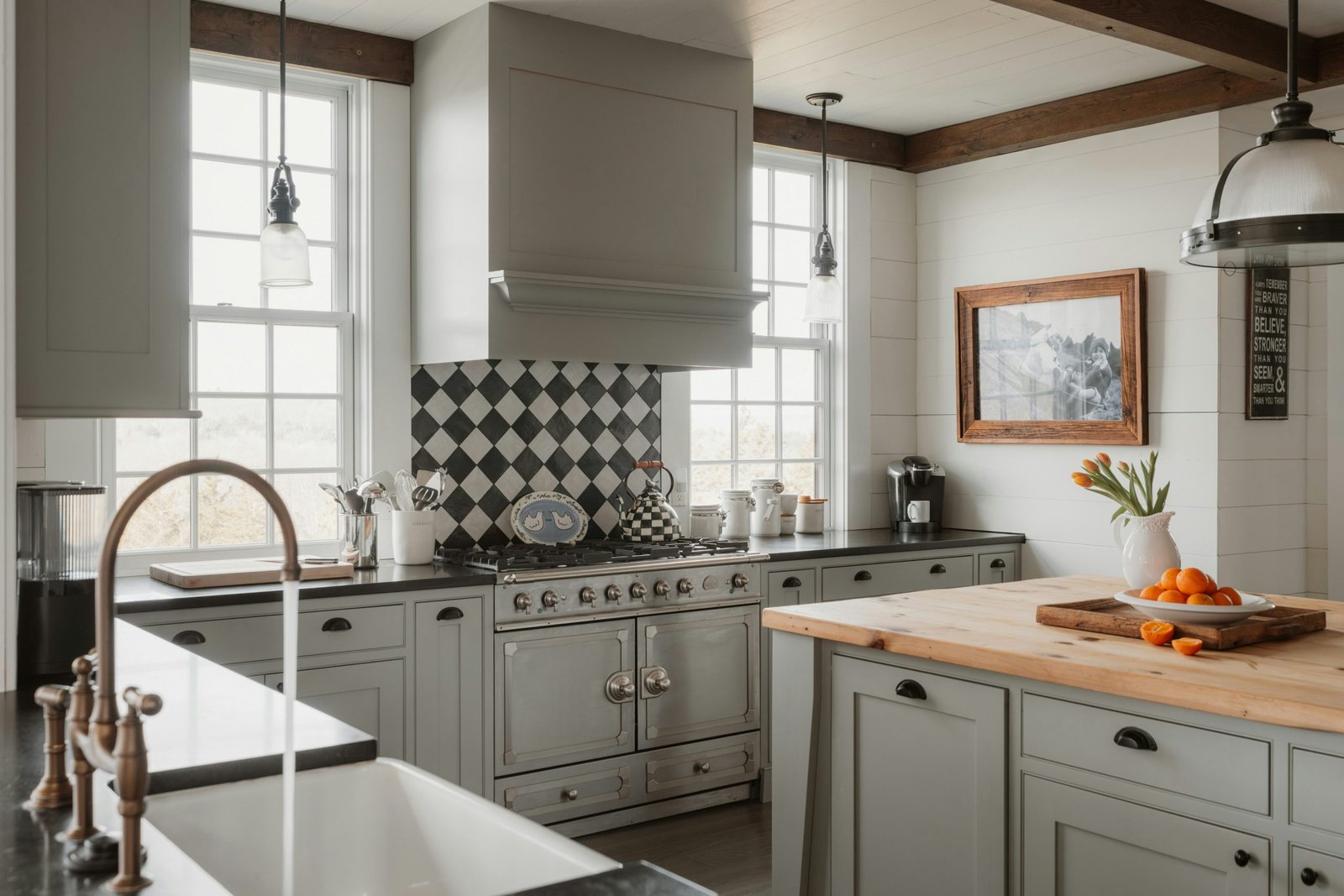
TLDR
• Core Points: In 2026, kitchens blend function with curated wall art—emerging styles include bold graphic prints, nature-inspired motifs, mixed media, and personal storytelling through displays.
• Main Content: The trend shift emphasizes cohesive color palettes, sustainability, and adaptable framing to suit evolving kitchen spaces.
• Key Insights: Art in the kitchen now acts as a focal point, balancing practical work zones with expressive design statements.
• Considerations: Consider durability, cleaning ease, and humidity resistance; select pieces that keep pace with changing décor.
• Recommended Actions: Audit your kitchen wall spaces, choose versatile artworks, invest in quality frames, and mix textures for visual interest.
Content Overview
Kitchens have transformed from strictly utilitarian rooms into living spaces that reflect personal style. As design conversations around kitchen aesthetics evolve, wall art has moved from a simple decorative touch to a strategic design element. The year 2026 brings several notable trends that designers and homeowners may consider when updating or rethinking kitchen walls. Rather than isolated prints, the latest approach favors curated galleries, cohesive color stories, and art that can withstand the unique conditions of a kitchen environment. This shift aligns with broader interior design movements that privilege warmth, personality, and adaptability, ensuring that the kitchen remains both functional and visually engaging.
The overarching idea is to treat kitchen wall art as an extension of the room’s personality. Art should complement cabinetry, countertops, and hardware, while also offering a sense of continuity across different zones like the dining nook, coffee station, or breakfast bar. With this in mind, several trends stand out for 2026: bold graphic statements that anchor the space, nature-inspired motifs that bring a sense of calm and renewal, and mixed-media treatments that introduce texture and depth. Practical considerations—such as durability, ease of cleaning, and resistance to humidity—also shape material and framing choices. In sum, the current landscape invites a balanced approach: art that is expressive yet resilient, personal yet cohesive, and flexible enough to evolve with shifting tastes.
In the following sections, we explore seven kitchen wall art trends expected to dominate 2026, along with practical guidance for selecting, pairing, and maintaining artwork in the kitchen environment. While the inspiration comes from contemporary design discussions, the emphasis remains on actionable ideas homeowners can apply whether renovating, remodeling, or simply refreshing a few wall spaces.
In-Depth Analysis
1) Bold Graphic Prints as Focal Points
One of the most prominent trends for 2026 is the use of bold graphic prints to anchor a kitchen wall. Large scale, high-contrast imagery—such as abstract black-and-white compositions, typographic statements, or geometric patterns—acts as a visual anchor in the room. These statements work particularly well in kitchens with lighter cabinetry or open shelving, providing a striking contrast that draws the eye without overwhelming the space. To maintain balance, designers suggest pairing bold prints with restrained surroundings: choose a single dominant piece and allow the rest of the décor to recede into the background. This approach helps prevent visual clutter while preserving the impact of the artwork.
2) Nature-Inspired Motifs for Warmth
Nature-related art continues to gain traction in 2026, offering a calming counterpoint to the often busy rhythms of kitchen life. Botanical illustrations, prairie-inspired landscapes, and organic textures—such as leaf patterns or spa-like watercolours—bring a sense of serenity and freshness. These motifs pair well with natural materials like wood, stone, and woven textures, reinforcing a cohesive, earthy mood. For practical deployment, consider art that uses durable printing methods and UV-resistant inks to preserve color integrity in spaces with natural light exposure.
3) Mixed Media and Texture-Rich Pieces
Textural art is stepping into the spotlight, combining materials such as canvas with fabric, metal accents, or resin overlays. Mixed-media works add depth and tactile interest that can echo the textures found in kitchen surfaces, from cabinetry to tile backsplashes. In choosing these pieces, aim for variations in scale and finish to create a layered gallery effect across a wall. Mixed media is particularly effective in zones like a kitchen alcove or above a sideboard, where a dynamic display can be enjoyed up close without competing with the primary workspace.
4) Personal Narratives through Photo and Memory Collages
Personalization remains a meaningful trend in 2026. Collages that tell family stories, travel memories, or favorite culinary moments create a warm, inviting atmosphere. When displaying personal imagery, consider professional framing and archival-quality materials to ensure longevity. A curated mix of black-and-white photographs with color prints can achieve a timeless, gallery-inspired look. To avoid a cluttered appearance, limit the number of frames on a single wall and group smaller pieces into a unified grid or salon-style arrangement.
5) Green and Sustainable Framing Options
Sustainability extends beyond the artwork itself to include framing materials and display hardware. In 2026, designers emphasize eco-friendly frames made from reclaimed wood, responsibly sourced metals, or recycled plastics. Low-VOC finishes contribute to better indoor air quality, an important consideration in kitchens. The framing choice should also reflect the room’s color story and hardware finishes; matte blacks, brushed metals, and warm wood tones are popular options that coordinate well with many kitchen styles. In addition, choosing non-glare glass or acrylic can reduce reflections when the space benefits from abundant natural light.
6) Gallery Walls with Purposeful Cocalization
Curated gallery walls have become a practical design tool in kitchens, enabling homeowners to tell a story while managing space efficiently. Rather than simply filling wall space with random pieces, a well-planned gallery uses a consistent spacing, a neutral unifying matting, and a cohesive color palette. This approach allows for easy updates as tastes change or new pieces become available. A gallery wall can be organized by theme (for example, culinary heritage, seasonal produce, or travel-inspired dining moments) or by a color narrative that complements cabinetry and countertops. Flexibility is key: use frames that allow for easy swapping of individual artworks without disturbing the overall balance.
7) Functional Art: Menu Boards, Chalk Surfaces, and Smart Displays
Functional art remains a popular category in kitchen design. Menu boards, chalk surfaces, magnetic boards, and digital displays offer practical benefits while contributing to aesthetic appeal. Chalkboards and whiteboards provide a space for weekly menus, grocery reminders, or family messages, blending seamlessly with vintage, rustic, or modern interiors depending on the chosen framing and surrounding décor. Digital displays or smart screens can showcase rotating artwork from a curated online collection, transforming the wall into an evolving gallery that stays current with family life and cooking trends. The key is to integrate technology and writing surfaces in a way that their utility remains clear without dominating the room’s visual narrative.

*圖片來源:Unsplash*
Implementation tips for 2026 trends:
– Start with a clear plan: establish a color palette that harmonizes with cabinets, countertops, and backsplashes before selecting pieces.
– Prioritize quality framing and materials designed to withstand kitchen humidity, heat, and cleaning routines.
– Consider lighting: track lighting, picture lighting, or wall washers can dramatically enhance art visibility and mood.
– Mix scales deliberately: a large centerpiece with several smaller accents creates rhythm without clutter.
– Retrofit existing pieces: repurposing frames or updating matting can refresh a gallery wall without a full overhaul.
– Maintenance matters: choose art with protective coatings and cleanable surfaces suitable for kitchen environments.
– Personalize within boundaries: select items that feel meaningful but still maintain a cohesive look with the rest of the space.
Perspectives and Impact
The shift toward integrated wall art in kitchens reflects broader trends toward livable, expressive homes. By elevating wall space into an intentional design element, homeowners acknowledge that kitchens are not just for cooking but also for gathering, working, and relaxing. This evolution influences several aspects of the design ecosystem:
- Cultural storytelling in interior design: Personal narratives and memories expressed through art foster a sense of identity within living spaces. Families can create a living archive that evolves over time, with new pieces added as experiences accumulate.
- Material and technology convergence: The inclusion of durable materials, weather-resistant frames, and digital art displays demonstrates how kitchens balance aesthetics with practical constraints. This convergence supports longer-lasting investments that justify higher upfront costs.
- Accessibility and adaptability: Gallery walls and mix-media displays offer flexible configurations that can be adjusted as space uses change—ideal for small kitchens or multi-functional areas like breakfast nooks and coffee stations.
- Environmental considerations: The emphasis on sustainable framing and materials aligns with growing awareness of environmental impact in interior design. Consumers increasingly favor eco-friendly options that do not compromise style.
As designers and homeowners experiment with these concepts, the 2026 kitchen wall art landscape is likely to become more dynamic and personalized. The ability to curate rotating displays and combine traditional art with digital or functional elements provides opportunities to refresh the room without a full renovation. This trend supports a resilient approach to interior design: create spaces that adapt to changing preferences, maintain visual harmony, and reflect the occupants’ stories.
In the long term, kitchens may continue to blend high-performance finishes with expressive art, further blurring the line between utility and aesthetics. The responsible choice of materials, thoughtful lighting, and a strategic approach to display will determine how well wall art ages in a frequently used, high-traffic area. As homeowners gain experience with these trends, best practices will emerge for combining style, durability, and everyday function in one cohesive kitchen environment.
Key Takeaways
Main Points:
– Bold graphics, nature-inspired motifs, and mixed media are key 2026 trends for kitchen wall art.
– Personal storytelling and curated gallery walls add warmth and identity to kitchen spaces.
– Sustainability and practical considerations shape framing, materials, and display choices.
Areas of Concern:
– Humidity and cleaning demands can affect art longevity; choose materials accordingly.
– Balancing bold art with busy kitchen activity requires careful layout to avoid visual overload.
– Updating or swapping pieces should be planned to maintain cohesive aesthetics.
Summary and Recommendations
For those considering a refresh of kitchen wall art in 2026, the core approach is to fuse style with practicality. Begin by defining a unifying color story that complements cabinetry and hardware, then select one bold focal piece to anchor the space while layering in nature-inspired prints, textured art, and family memories to create a balanced gallery. Prioritize durable framing and materials designed for kitchen life, and incorporate flexible configurations—such as a gallery wall with interchangeable pieces—that adapt as tastes evolve. Lighting plays a critical role in highlighting artworks, so plan for appropriate illumination that reduces glare and enhances color fidelity. Finally, consider sustainability at every step, from eco-friendly frames to prints produced with durable, long-lasting inks. When executed thoughtfully, kitchen wall art becomes a dynamic, enduring element that enriches daily life and reinforces a sense of home.
References
- Original: https://abeautifulspace.co.uk/7-kitchen-wall-art-trends-for-2026-beautiful-ideas/
- Additional references:
- Kitchen wall art trends and gallery wall strategies from interior design professionals
- Sustainable framing options for art in high-humidity spaces
- Guidelines for lighting and displaying art in kitchens
Forbidden: No thinking process or “Thinking…” markers. The article begins with the requested TLDR section and remains original and professional throughout.

*圖片來源:Unsplash*