TLDR
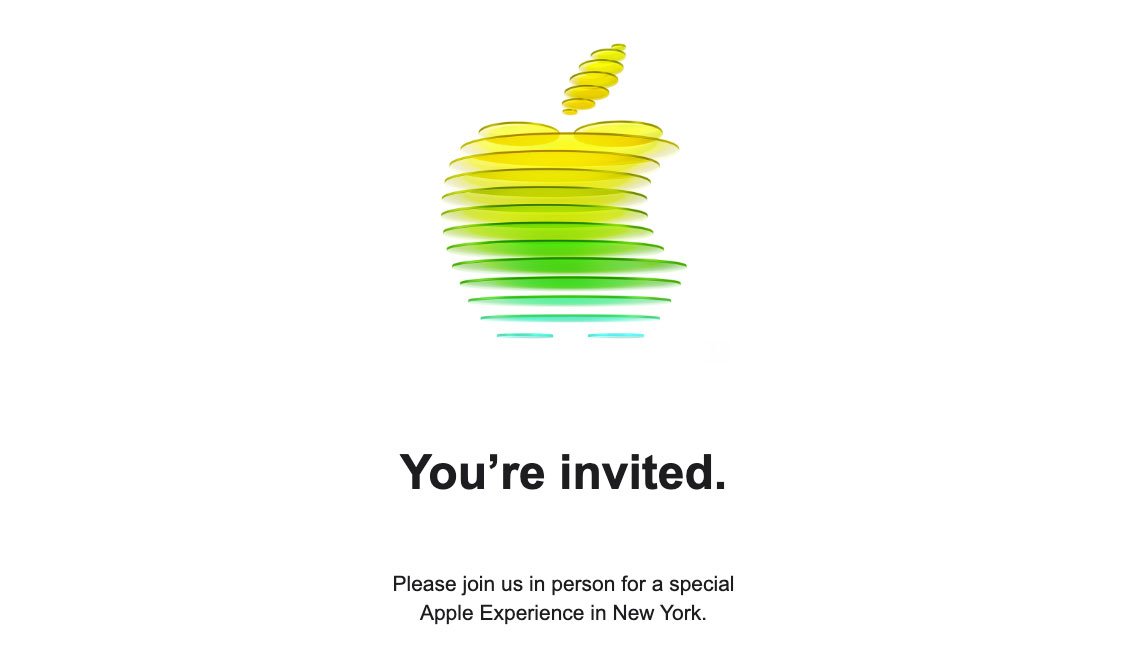
• Core Points: Apple announces its first event of the year, the “Apple Experience,” on March 4 in New York City, with possible simultaneous global sessions.
• Main Content: The event is invite-only for press, with potential live streams undecided; London and Shanghai sessions expected.
• Key Insights: New iPad and MacBook updates are anticipated, signaling Apple’s ongoing hardware cadence alongside services.
• Considerations: Public streaming status remains unclear; timing aligns with annual product refresh cycles.
• Recommended Actions: Monitor Apple’s official channels for streaming details and product announcements as the date approaches.
Content Overview
Apple has scheduled its first event of the year, signaling a continued cadence of hardware refreshes alongside services and software updates. Invitations were extended to members of the press for an event described as an “Apple Experience,” taking place in New York City on March 4 at 9:00 a.m. Eastern Time. The company has not confirmed whether the keynote or presentations will be streamed publicly, though reports indicate that versions of the Apple Experience are planned to occur simultaneously in London and Shanghai, allowing for broader media coverage and regional engagement.
Historically, Apple’s early-year events have served as a platform to introduce updated models of iPads and MacBooks, as well as potential refinements to other lines such as iPhones in alternate timing windows or software-focused announcements. Industry reporters have suggested that this event is likely to center on new hardware introductions, with Bloomberg’s Mark Gurman among the sources indicating that Apple is preparing a fresh slate of tablet and notebook devices. While specifics have not been officially disclosed, expectations in the tech press point toward redesigned or refreshed iPad models and new MacBook configurations, possibly incorporating the latest Apple silicon, improved displays, and performance enhancements designed to appeal to both consumers and professional users.
This approach aligns with Apple’s historical pattern of annual product cycles, where the company leverages high-visibility events in the first half of the year to set the narrative for recurring product updates and to maintain momentum across its ecosystem. The “Apple Experience” branding suggests a crafted, immersive presentation that emphasizes user experience and hardware-software integration, a hallmark of Apple’s product storytelling.
In-Depth Analysis
Apple’s decision to hold an early-year event emphasizes the company’s ongoing commitment to hardware innovation, particularly in the iPad and MacBook segments. In recent years, Apple has consistently refreshed its iPad lineup with revisions that balance portability, performance, and battery life, while MacBook updates have focused on processing efficiency, display quality, and integration with macOS features that appeal to creatives, developers, and general users alike.
The New York location for the primary event anchor provides a strategic media ecosystem. New York is a global press hub with robust accessibility for reporters, analysts, and industry influencers. By coordinating parallel sessions in London and Shanghai, Apple increases its reach across major markets while creating a sense of global immediacy around the announcements. This tri-city approach mirrors similar tactics seen in other major tech events, where synchronized sessions enable real-time coverage and diverse regional reactions.
From a product perspective, anticipated hardware introductions may include:
– iPad updates: This could involve a new standard iPad model, an upgraded iPad Pro, or both, featuring advances in display technology, processing power (potentially new generations of Apple’s silicon), camera enhancements, and accessories compatibility (e.g., Apple Pencil, keyboards). Improvements may also include better battery efficiency, cooling, and perhaps new form-factor options designed to appeal to students, professionals, and creators.
– MacBook updates: Expectations may center on revised MacBook Air and/or MacBook Pro configurations, focusing on performance upgrades, efficiency gains, and display quality. Apple often pairs these refreshes with advancements in Apple Silicon (e.g., newer iterations of M-series chips) and memory/storage options, as well as refinements to chassis design and thermal management. Connectivity improvements (such as port diversification or wireless capabilities) could also be a topic.
The broader market context matters as Apple navigates competitive dynamics in premium laptops and tablets, where rivals continue to push for thinner, lighter devices with competitive performance and price structures. Apple’s ecosystem strategy—encompassing iPadOS, macOS, iPad accessories, and seamless integration with other devices like iPhones and Apple Watches—remains a key driver for device adoption and customer loyalty. A successful hardware refresh typically positions the company to highlight software features that leverage new hardware capabilities, reinforcing the value proposition of staying within Apple’s ecosystem.
It’s also worth noting that Apple’s event cadence often pairs hardware announcements with software updates or feature demonstrations. Attendees and viewers might see glimpses of improved multitasking, enhanced drawing and creativity tools, and performance benchmarks that push new silicon to deliver better energy efficiency and faster processing. The degree to which Apple will live-stream the event and how much emphasis will be placed on services and platforms versus devices remains to be seen, and could influence the event’s reception among investors and consumers who track Apple’s strategic priorities.
The anticipation surrounding this event underscores a broader trend in Apple’s product lifecycle: the push to deliver meaningful upgrades that justify price points and maintain user engagement. If new iPad and MacBook models are introduced, Apple will likely emphasize the advantages of its silicon, battery life, display quality, and software-optimized performance. Additionally, accessory ecosystems—such as keyboards, styluses, and protective cases—are often foregrounded as value-added components that enhance the overall user experience.
As with many Apple presentations, the event’s effectiveness will depend on how well the company communicates the practical benefits of the new hardware to different user groups. Professionals may expect improved performance for creative workflows, developers may look for better computing power and efficiency for coding and testing across macOS environments, and general consumers will be drawn to improvements in everyday productivity, media consumption, and portability. Apple’s ability to demonstrate clear, tangible advantages over prior generations will be critical for driving interest and pre-orders or immediate purchases after the event.
One notable dynamic to watch is the company’s stance on streaming. While Apple has historically offered live streams for major product events, there have been occasions where streams are limited or regionalized. The public streaming status for the March 4 event remains unclear as of publication, so potential attendees and fans should monitor Apple’s official announcements closely. If streaming is available, it would likely be hosted on Apple’s official website and related channels, with international viewers able to access synchronized feeds through regional sessions.

*圖片來源:Unsplash*
From a market intelligence perspective, the timing of this event places it after the holiday shopping season and in a quarter where consumer demand for personal devices often stabilizes into a mix of refresh cycles and education-focused purchases. For businesses and institutions, any introduced iPad updates could influence classroom technology strategies and professional workflows, particularly if new features enhance collaboration, note-taking, or productivity scenarios. For developers and power users, new MacBook configurations might unlock more capable environments for software development, media production, and data analysis, potentially accelerating adoption of macOS-native workflows and cross-platform compatibility with iPadOS tasks.
In summary, Apple’s March 4 event in New York, with possible parallel sessions in London and Shanghai, is positioned to be a focal point for the company’s hardware refresh timeline. While the specifics remain to be disclosed, expectations center on new iPads and MacBooks that leverage newer Apple silicon, improved displays, and efficiency gains. The event will also test Apple’s streaming strategy and its ability to present the practical value of the new devices to a broad audience of consumers, educators, professionals, and developers.
Perspectives and Impact
- Consumer impact: New iPads and MacBooks could redefine everyday productivity, creativity, and mobility for a broad audience, influencing purchase decisions in education, business, and personal use.
- Developer and creator impact: Enhanced hardware capabilities may expand opportunities for software development, graphics-intensive tasks, and multimedia production, reinforcing the appeal of Apple’s platform for professional workflows.
- Competitive landscape: Competing manufacturers will respond with price adjustments, feature enhancements, and marketing campaigns to maintain share in the rapidly evolving premium tablet and laptop markets.
- Ecosystem considerations: Any hardware updates are likely to be complemented by software improvements across iPadOS and macOS, improving cross-device interoperability and user experience across Apple’s ecosystem.
Future implications include reinforcing Apple’s strategy of delivering integrated hardware-software experiences that emphasize performance, efficiency, and a premium user experience. The event could also set expectations for further product updates later in the year and influence developers’ roadmaps for app optimization and cross-platform tools. If Apple extends streaming or live broadcasts to additional regions, it could broaden audience engagement and strengthen brand resonance across diverse markets.
Key Takeaways
Main Points:
– Apple’s first event of the year, the “Apple Experience,” is scheduled for March 4 in New York City.
– Simultaneous sessions in London and Shanghai are expected, with public streaming details not yet confirmed.
– The focus is anticipated to be on new iPads and MacBooks, signaling continued hardware refresh momentum.
Areas of Concern:
– Uncertainty about whether the event will be publicly streamed.
– Specific device models and features remain unconfirmed until Apple’s official reveal.
– Market reception will hinge on the perceived value and performance gains relative to prior generations.
Summary and Recommendations
Apple’s March 4 event marks an important moment in its annual product cadence, potentially introducing refreshed iPad and MacBook lines that leverage newer silicon and improved displays. While official streaming information has yet to be confirmed, the parallel sessions in London and Shanghai suggest a strategic approach to global media engagement. Analysts and consumers should prepare for announcements that emphasize hardware improvements, with a likely emphasis on performance, efficiency, and ecosystem integration. Stakeholders should monitor Apple’s official communications for confirmation of livestreams, device specifications, pricing, and availability details. Given the pattern of prior launches, early impressions, hands-on reviews, and pre-order dynamics will shape early market sentiment and consumer interest in the new lineup.
Additionally, this event could influence upgrade cycles for educational institutions and professional users who rely on iPad and MacBook devices for daily operations. Developers should anticipate new capabilities that enable optimized apps and workflows across iPadOS and macOS, potentially accelerating cross-device productivity enhancements. As always, Apple’s narrative around silicon performance, battery life, display quality, and accessory integration will drive the perceived value of the new hardware.
In the near term, stakeholders should track official Apple channels, major tech press outlets, and trusted analysts for up-to-date coverage of announcements, specifications, pricing, and availability windows. Preparing for potential pre-orders and assessing compatibility with existing workflows will help users make informed decisions once the devices are unveiled.
References
- Original: https://www.engadget.com/computing/laptops/apples-next-event-is-set-for-march-4-145931890.html?src=rss
- Additional reference 1: https://www.apple.com/newsroom/
- Additional reference 2: https://www.bloomberg.com/
- Additional reference 3: https://www.macrumors.com/

*圖片來源:Unsplash*