TLDR
• Core Points: 2026’s top front door colors push bold statements, sustainability, and curb-appeal through versatile neutrals, vibrant hues, and eco-friendly finishes.
• Main Content: The article surveys eight standout front door paint trends set to redefine UK homes in 2026, balancing aesthetics with durability, safety, and personal expression.
• Key Insights: Color psychology, regional influences, and weather-resistant formulas shape trend adoption; sustainability and maintenance considerations drive product choices.
• Considerations: Local housing styles, neighborhood standards, and long-term commitment to color maintenance should guide selection.
• Recommended Actions: Choose a trend aligned with architectural context and climate, test samples on a door panel, and select durable, weather-ready paints with UV protection.
Content Overview
The year 2026 marks a shift in front door aesthetics across the UK, reflecting broader trends in home personalization, sustainability, and durable finishes. Where 2025 leaned toward safe palettes and low-contrast schemes, 2026 embraces confidence, character, and practical longevity. Front doors function as the visible entrance to a home’s interior story, and color choices—paired with materials, coatings, and hardware—impact curb appeal, energy perception, and even perceived home value.
This article examines eight viral front door paint trends forecast to capture attention in 2026. The focus is on color families, finish types, and practical considerations that homeowners, designers, and neighbourhood associations may weigh when planning a door makeover. Each trend is evaluated for its potential to transform exterior aesthetics while maintaining performance against the UK climate, from damp coastal conditions to drier inland settings. The insights provided aim to help readers select a trend that harmonizes with architectural style, surrounding streetscapes, and personal preference, all while ensuring longevity and ease of maintenance.
In-Depth Analysis
Trend 1: Bold, Saturated Hues as a Focal Point
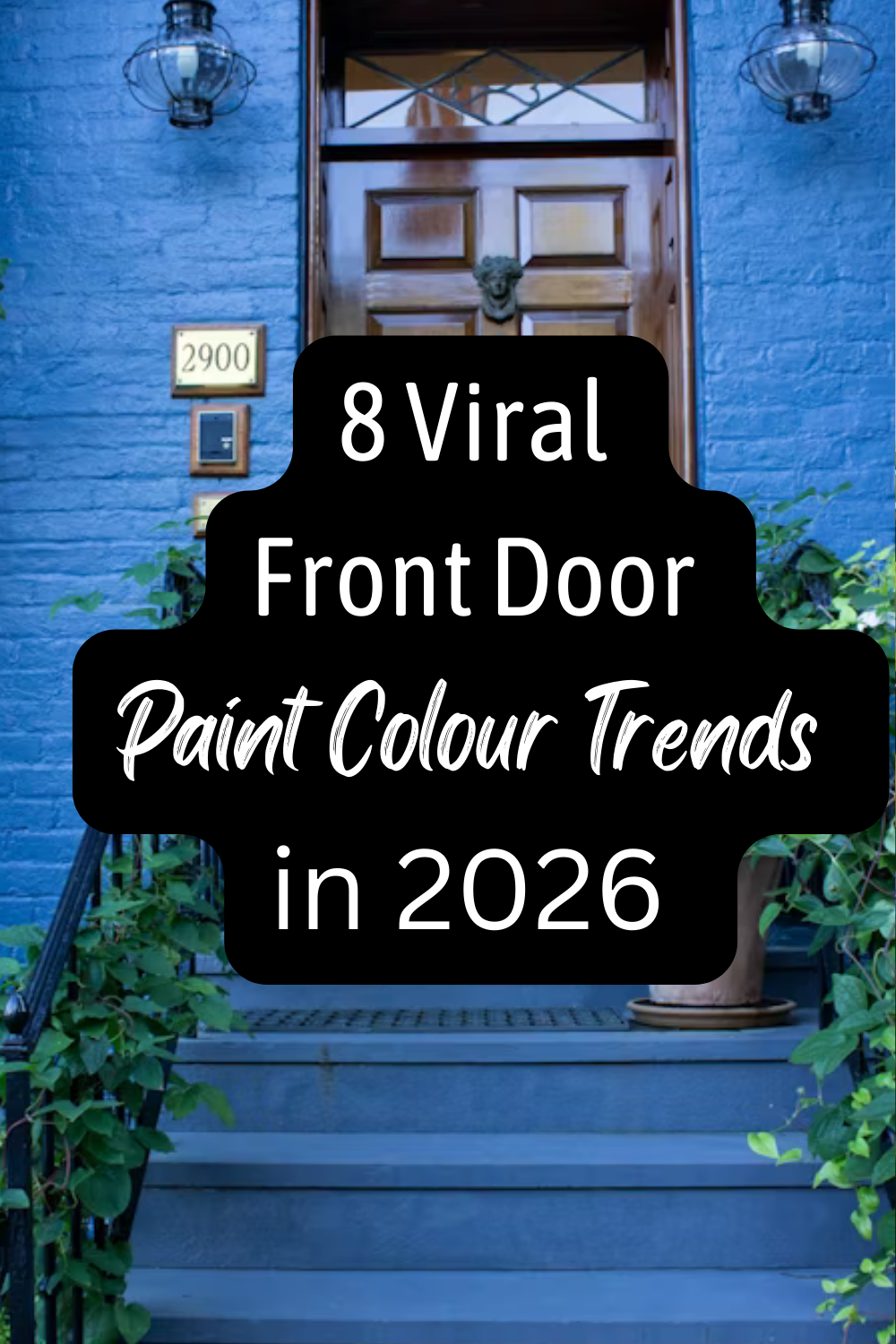
In 2026, saturated colors—such as deep blues, emerald greens, and rich charcoals—are used to create a decisive focal point. A bold door can dramatically elevate a modest façade and signal a modern, confident home. While striking, these hues require careful coordination with trim, door frames, and hardware to avoid overwhelming the overall exterior. Proper undercoats, high-quality exterior pigment systems, and UV-protective finishes help ensure color longevity against UV exposure and weathering.
Trend 2: Earthy Neutrals with Modern Undertones
Earth-toned neutrals—think warm taupe, clay, and greige—remain popular for their versatility and compatibility with diverse architectural styles. What sets 2026 apart is the adoption of modern undertones that shift away from sterile neutrals toward more nuanced warmth or coolness. These colors pair well with natural materials like wood, stone, and brick, making them a safe yet contemporary choice for homeowners seeking understated elegance and timeless appeal.
Trend 3: Two-Tone Doors and Framing
Two-tone door schemes—contrasting colors between door panels and frames or sidelights—offer architectural interest without needing dramatic changes to the door itself. This trend enables homeowners to echo or complement adjacent exterior walls while maintaining a cohesive street presence. To maximize impact, select colors with enough contrast to delineate the door from its surroundings, while ensuring accessibility and readability of the door number and hardware.
Trend 4: Matte Finishes for Modern Sophistication
Matte door paints are growing in popularity for their sophisticated, understated look that minimizes glare and highlights texture. Matte finishes can work across traditional and contemporary homes but may require more frequent maintenance to preserve even color and prevent showing of dust or fingerprints. For UK conditions, choosing a matte enamel or a premium matte exterior with robust tint stability and washability is essential.
Trend 5: Heritage-Inspired Colors with a Contemporary Twist
Heritage palettes—classic reds, naval blues, and forest greens—are reinterpreted with modern saturation and durable finishes. These colors honor local architectural lineage while staying relevant in contemporary designs. When adopting heritage tones, pairing them with contemporary hardware, door knockers, and updated weatherstripping can refresh the look without sacrificing familiarity.
Trend 6: Saturated Black and Deep Charcoal
A deep monochrome approach, using black or charcoal doors, offers bold curb appeal and a sense of contemporary minimalism. High-contrast door hardware in brass or brushed chrome can elevate the perceived quality of the entry. Prospective adopters should consider heat absorption and potential scuff visibility on lighter walls; texture and finish choice become critical to maintain a pristine appearance.
Trend 7: Color-Changing or Weather-Responsive Finishes
Smart or responsive paints that shift slightly with lighting or temperature are an emerging delight for trendsetters. While not universally available, these finishes offer a dynamic, unique look that can change the perceived color as the day progresses. Practical considerations include durability, weather resistance, and maintenance requirements to ensure the color shift remains subtle and appealing.
Trend 8: Eco-Friendly and Low-VOC Formulations
Sustainability is increasingly central to exterior paint decisions. Low-VOC, water-based exterior paints with reduced environmental impact align with responsible home improvement goals. These formulations often come with improved fade resistance and longer life when used with proper surface preparation. Homeowners may find that eco-friendly options do not compromise color depth or durability when selecting quality brands and appropriate primers.
Additional context: Weather, climate, and exposure influence performance
The UK’s varied climate—ranging from coastal humidity to temperate inland conditions—affects exterior finishes. Before choosing a color and finish, homeowners should consider:
– Sun exposure and UV stability: darker colors may fade more visibly in strong sun.
– Moisture handling: exterior paints with good water repellence and breathable membranes can prevent blistering and peeling.
– Maintenance cyclicity: some finishes show dirt and fingerprints more readily; matte surfaces may require more frequent cleaning.
– Architectural compatibility: doors should harmonize with the property’s style, materials, and surrounding landscape.
– Accessibility: ensure contrasting color for door numbers and signage to maintain legibility.
Product considerations and recommendations
– Select a reputable exterior paint system with a high-quality pigment package, UV protection, and weather resistance.
– Pair bold doors with light or contrasting trim to preserve balance and readability.
– Use durable primers and surface preparation steps to optimize adhesion and longevity.
– When opting for two-tone schemes, test color combinations on sample panels to ensure the transition is visually pleasing across different lighting conditions.
Community and design influences
Neighborhood aesthetic standards and homeowners associations may influence allowable color choices. It’s prudent to review any guidelines and obtain approvals where required before committing to a new front door color. Local context—such as the colors of neighboring doors, brickwork, and roofing materials—can guide a color choice that feels both distinctive and harmonious.

*圖片來源:Unsplash*
Practical tips for a successful door color update
– Test swatches on a small, vertical panel of the door in both morning and afternoon light to observe color behavior.
– Compute the expected maintenance schedule for the chosen finish, considering dirt pickup and weather exposure.
– Consider hardware finishes (knocker, knurling, house numbers) that complement the color choice to create a cohesive entry.
– Use weather-resistant sealants and weatherstripping to preserve the door’s appearance and energy efficiency.
– If hiring a painter, request a detailed finish specification, including the number of coats, drying times, and surface preparation steps.
Perspectives and Impact
The 2026 front door color trends reflect a broader shift toward self-expression, durability, and sustainability in home improvements. Colors that convey confidence and warmth can enhance curb appeal and property value, particularly when paired with high-quality finishes and hardware. The emphasis on two-tone treatments and heritage-inspired palettes suggests homeowners are seeking a balance between timelessness and individuality. The rise of eco-friendly and low-VOC formulations aligns interior and exterior design with health and environmental concerns, appealing to a growing segment of eco-conscious buyers and renters.
Aesthetic impact extends beyond color alone. The door’s finish—whether matte, satin, or glossy—affects perceived texture and depth, influencing how other architectural elements are read from the street. Finishes with superior dirt resistance and washability help maintain a pristine look in UK climates where rainfall and dust can be persistent challenges. The adoption of weather-responsive or dynamic finishes, though still transitional, indicates a fascination with color behavior under different light conditions, offering a novel way to engage with the home’s exterior throughout the day.
Culturally, front door color choices can signal hospitality, security, and status. A well-chosen color can communicate welcoming energy to guests while reflecting the homeowner’s personality. As urban areas evolve with denser housing and varied architectural typologies, door color decisions may increasingly consider neighboring context, community standards, and heritage preservation guidelines.
Future implications include continued innovation in exterior paints, with more durable pigments, higher fade resistance, and lower environmental impact. Designers and homeowners may pursue more personalized palettes that still respect local character. The integration of smart color-matching tools and virtual visualization can help buyers experiment with eight or more color options before making a final choice, reducing the risk of a costly misstep.
Market dynamics are likely to reward doors that combine bold personality with practical resilience. In regions with intense sun exposure or heavy rainfall, selecting paints with superior color retention, mildew resistance, and easy cleaning will be advantageous. As sustainability becomes a core consideration, brands that offer low-VOC, water-based, and long-lasting exterior paints with robust warranties may gain prominence in the consumer conversation.
Key Takeaways
Main Points:
– Eight trends emphasize bold personality, neutral sophistication, and practical durability for front doors in 2026.
– Two-tone designs and heritage-inspired palettes offer balance between modernity and tradition.
– Eco-friendly, low-VOC formulations are increasingly prioritized without sacrificing color depth or longevity.
Areas of Concern:
– Darker colors may require more maintenance to prevent fading or scuff visibility.
– Matte finishes can show dirt and fingerprints more readily, potentially increasing cleaning frequency.
– Local regulations or HOA rules may restrict certain color choices, necessitating approvals.
Summary and Recommendations
Front door color and finish choices in 2026 bring a blend of expressive styling and pragmatic performance. Homeowners should approach door color updates with attention to architectural compatibility, climate resilience, and maintenance realities. The eight trends offer a spectrum—from bold, saturated doors that serve as strong statements to understated neutrals and heritage-inspired tones that offer timeless elegance. Two-tone schemes, matte finishes, and eco-friendly formulations provide additional layers of design flexibility while aligning with sustainability values.
For practical implementation, begin with a clear brief that considers architectural context, neighborhood norms, and personal preferences. Create physical color samples on the door surface and observe them under different light conditions and weather exposure before committing. Prioritize exterior paints with proven durability, UV resistance, and low environmental impact. Finally, coordinate hardware, trim, and landscaping to ensure a cohesive and inviting entry that stands up to the UK’s climate and time.
If you are planning a front door refresh in 2026, consider starting with one of the trend archetypes—bold color as a focal point, a timeless neutral with contemporary undertones, or a two-tone treatment—and then refine your choice with professional advice, swatch testing, and a robust paint system that includes proper surface preparation, primer, and multiple protective coats.
References
- Original: https://abeautifulspace.co.uk/8-viral-front-door-paint-trends-in-2026/
- Additional references:
- UK Paints and Exterior Finish Guidance from leading brands (for weather resistance and color retention)
- Design and Architecture publications discussing curb appeal trends and color psychology in exterior spaces
Forbidden:
– No thinking process or “Thinking…” markers
– Article begins with “## TLDR”

*圖片來源:Unsplash*