TLDR
• Core Points: Conservatories are entering a renaissance in 2026, blending nature-inspired palettes, sustainable materials, and versatile furniture to create bright, multifunctional spaces.
• Main Content: The trend report highlights stylish, practical updates—from biophilic design and warm neutrals to modular seating and energy-efficient lighting—that transform conservatories into year-round sanctuaries.
• Key Insights: Outdoor-indoor living is expanding with weatherproof finishes, hybrid furniture, and climate-conscious choices that optimize comfort and adaptability.
• Considerations: Budgeting for durable materials, proper insulation, and UV protection is essential to maximize comfort and longevity.
• Recommended Actions: Assess space, select versatile, weather-ready pieces, and layer textures with plants and textiles to craft a cohesive, inviting conservatory.
Content Overview
Conservatories have surged in popularity as essential living spaces in 2026, evolving beyond sunlit reading nooks into fully equipped rooms that blend indoor comfort with outdoor ambiance. The design emphasis centers on flexibility, durability, and sustainability, enabling homeowners to use these spaces year-round. This trend report synthesizes current viewpoints from interior design experts, retailers, and real estate insights to present ten key ways to refresh conservatory décor this year. The overarching theme is harmonious integration—combining natural materials, soft textures, and intelligent technology to create spaces that feel both connected to nature and practical for daily living.
An important shift is the move toward biophilic design, where plants, natural light, and nature-inspired patterns take center stage. Palettes favor warm neutrals, soft greens, and earthy tones that reflect the surrounding landscape while maintaining a bright, airy atmosphere. Materials such as rattan, teak, linen, and stone add tactile warmth and texture, balancing the often-cool daylight of glass-heavy rooms. Sustainable choices are emphasized, with recycled or reclaimed woods, low-VOC paints, and energy-efficient glazing and lighting to reduce environmental impact and energy costs.
Versatility is another hallmark. Furniture and layouts prioritize adaptability—sofas and seating with modular configurations, tables that can be moved or expanded, and storage solutions that keep the space organized without compromising openness. Weather-resilient finishes and easy-care fabrics are recommended to withstand varying climates and seasonal use. Lighting plays a central role, combining daylight optimization with layered artificial light to extend usability after dark and during cloudier days.
In sum, the 2026 conservatory décor trends aim to transform these spaces into adaptable, welcoming extensions of the home that invite relaxation, work, dining, and connection with nature, regardless of the season.
In-Depth Analysis
The conservatory, historically a sunroom or greenhouse-like extension, has reemerged as a pivotal living area. Designers and homeowners are embracing its potential by refining both form and function. The 2026 trend slate centers on ten core principles that collectively redefine how these spaces are used.
1) Biophilic Design at the Forefront
Biophilia—our innate attraction to living systems—drives many contemporary conservatory updates. This year’s updates emphasize living walls, abundant potted plant collections, and nature-inspired motifs. Large-leaf tropical plants, vertical herb gardens, and seasonal plant rotations bring color and vitality indoors. Furniture choices lean toward organic textures and natural pigments that echo the outdoors.
2) Warm, Understated Color Palettes
Rather than stark white interiors, designers favor warm neutrals with soft greens, stone grays, and terracotta accents. This palette enhances the warmth of sunlit spaces while maintaining an elegant, timeless feel. The approach allows for easy changes through textiles and accents without a full overhaul.
3) Sustainable and Durable Materials
Environmental responsibility guides material selection. Reclaimed wood, bamboo, FSC-certified timber, jute textiles, and recycled metal finishes appear across furniture and décor. Durable fabrics with stain resistance and UV stability are prized for their practicality in sun-drenched environments. Glazing choices also reflect efficiency, with double-glazed or low-emissivity windows helping regulate temperature.
4) Flexible, Modular Seating
Modularity is essential for multifunctional use. Sofas and lounge chairs with modular components enable seating changes for gatherings, work sessions, or quiet reading. Low-profile profiles keep sightlines open, preserving the sense of space. Storage ottomans and nesting tables enhance adaptability.
5) Layered Lighting for Ambience and Function
Natural light dominates during the day, but layered lighting remains crucial for evenings and overcast days. A mix of overhead fixtures, floor lamps, wall sconces, and LED strips allows for multiple zones of illumination. Tunable white LEDs can shift from bright task lighting to warm ambient glow, complementing seasonal mood changes.
6) Weather-Ready Upholstery and Textiles
Textile choices reflect practicality as well as comfort. Outdoor-rated fabrics that mimic indoor softness provide resilience against sun, moisture, and temperature fluctuations. Slipcovers or washable fabrics simplify upkeep. Textiles in the interior blend with the color story, using textiles such as linen throws, wool blankets, and jute rugs to add texture and warmth.
7) Connection to the Garden and Exterior
Design strategies blur the boundary between interior and exterior. Bi-fold doors, large windows, and conservatory doors that open to patios or gardens invite fresh air and extend living space. Outdoor-indoor furniture pairings and planter zones create a cohesive, integrated landscape.
8) Minimalist, Functional Décor
Clutter-free aesthetics support a calm, breathable space. Storage is concealed where possible, and decorative elements are carefully curated to avoid visual noise. A restrained approach to accessories ensures the space remains versatile and easy to rearrange.
9) Tech-Enabled Comfort
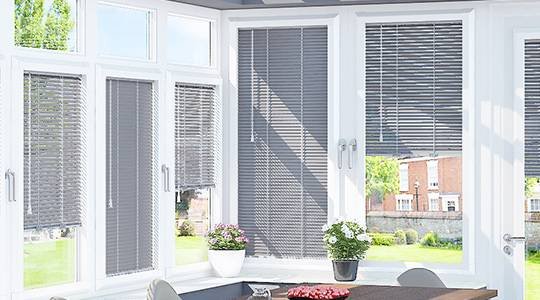
Smart controls—thermostats, UV-rated window films, automated blinds, and integrated HVAC—and energy monitoring systems optimize comfort and efficiency. Simple tech integrations enable the space to function as a home office, studio, or recreation room with consistent temperatures and lighting.

*圖片來源:Unsplash*
10) Personalization Through Plants and Art
Statement plant arrangements and curated art pieces reflect the homeowner’s taste while enhancing the space’s personality. A rotating display of plants, seasonal blooms, and artwork adds life and keeps the space feeling fresh and personal.
This combination of sustainable practices, adaptable furnishings, and nature-forward styling positions the conservatory not simply as a decorative extension but as a practical, year-round living area. Designers emphasize that successful updates balance beauty with usability, ensuring the space remains inviting to family and guests across seasons.
Perspectives and Impact
The 2026 conservatory décor trends reflect a broader shift in how homes are used and experienced. As remote work persists and people seek restorative environments, these spaces are increasingly viewed as essential for wellness, productivity, and leisure. The emphasis on biophilic design aligns with growing research showing mental health benefits from exposure to natural elements, even within built environments.
Economic considerations play a role as homeowners weigh investments in durable materials and energy-efficient solutions. While high-quality windows, sustainable furniture, and climate-conscious textiles may require higher upfront costs, long-term savings in energy bills and reduced replacement frequency offer compelling paybacks. Retailers increasingly market complete packages for conservatories—covering furniture, lighting, textiles, and climate-control solutions—helping buyers plan holistic renovations with cohesive aesthetics.
In terms of real estate and market trends, well-designed conservatories can add value by expanding usable living space. A space that remains comfortable and stylish across seasons appeals to buyers seeking adaptable homes. However, success depends on careful design choices that consider local climate, sun exposure, and humidity, as poorly insulated units can become underutilized or experience wear more quickly.
The trends also suggest a shift toward inclusive design, where comfort and accessibility are prioritized. Modular seating and thoughtfully placed lighting can accommodate a range of needs, from family gatherings to aging in place. As technology becomes more integrated, user-friendly smart systems that don’t overwhelm the space are likely to gain popularity.
Overall, the 2026 conservatory décor landscape encourages homeowners to reimagine these areas as versatile, health-promoting extensions of the home. The focus on sustainability, flexibility, and a warm, natural aesthetic supports a lifestyle that values connection to the outdoors while remaining comfortable and functional inside.
Key Takeaways
Main Points:
– Biophilic design and natural materials dominate conservative décor updates.
– Warm neutrals, earthy accents, and durable textiles create inviting, timeless spaces.
– Flexible, modular furniture and layered lighting maximize usability year-round.
Areas of Concern:
– Upfront costs for sustainable materials and energy upgrades may be high.
– Climate control and insulation are critical to prevent heat loss or overheating.
– Maintenance of plants and textiles requires ongoing care to preserve aesthetics.
Summary and Recommendations
To implement the 2026 epic conservatory décor trends, start with a space assessment: determine sunlight exposure, temperature fluctuations, and humidity levels. Prioritize durable, weather-ready materials and sustainable choices that align with your environmental values and budget. Build a cohesive look around a warm neutral palette, incorporating natural textures such as wood, rattan, and linen. Introduce biophilic elements through a curated plant collection and living walls, ensuring proper drainage and light for plant health.
Adopt a modular furniture strategy that can be rearranged to suit different activities—work, dining, relaxation, or play. Layer lighting to support daytime tasks and evening ambiance, including warm-toned LEDs and shading solutions to manage glare and heat. Use smart, energy-efficient controls to maintain comfort with minimal effort. Finally, personalize the space with art and rotating greenery to keep the conservatory feeling fresh and inspiring.
By following these steps, homeowners can transform their conservatory into a year-round sanctuary that seamlessly blends outdoor serenity with indoor practicality, delivering comfort, beauty, and functional value.
References
- Original: https://abeautifulspace.co.uk/10-epic-conservatory-decor-trends-for-2026/
- Additional references:
- https://www.architecturaldigest.com/
- https://www.housebeautiful.com/
- https://www.decorist.com/guide/conservatory-design-trends
Forbidden:
– No thinking process or “Thinking…” markers
– Article starts with “## TLDR”

*圖片來源:Unsplash*