TLDR
• Core Points: Ancient bacteria trapped in a 5,000-year-old ice cave show extraordinary antibiotic resistance, offering insights into microbial survival and drug development while highlighting ethical and safety considerations in ancient microbiology research.
• Main Content: The study investigates long-preserved bacteria, revealing robust defense mechanisms against antibiotics and potential novel biological pathways relevant to modern medicine.
• Key Insights: Persistence strategies in ancient microbes could inform antibiotic design and reveal unknown resistance genes, but research must balance scientific value with biosafety.
• Considerations: Handling ancient pathogens requires stringent containment, ethical review, and transparent risk assessment to prevent unintended release or misuse.
• Recommended Actions: Promote interdisciplinary collaboration, fund risk-aware research, and pursue technologies enabling safe characterization of ancient microbes without compromising safety.
Content Overview
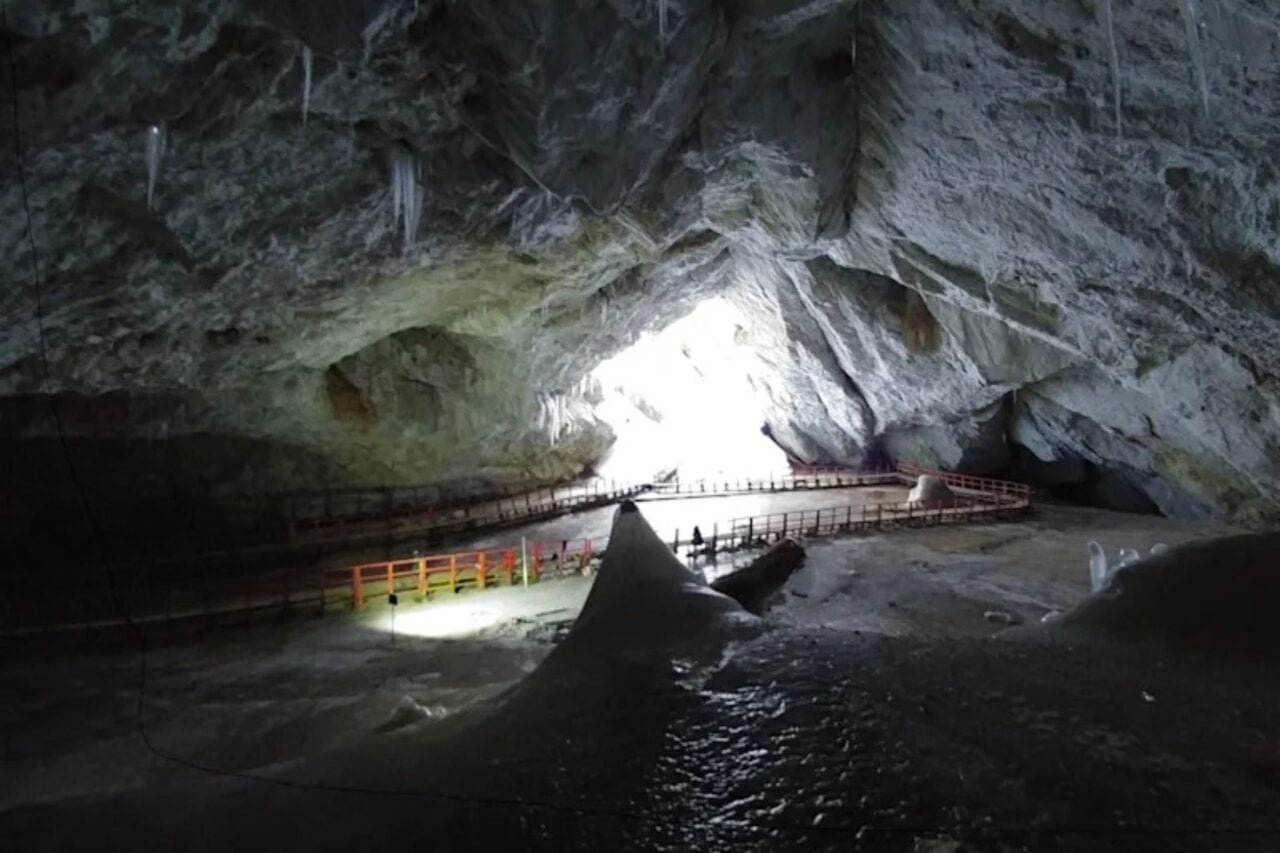
A newly examined bacterium preserved in a 5,000-year-old ice cave has drawn significant attention for its remarkable resistance to antibiotics. While studying ancient microbes can pose biosafety risks, researchers argue that such work may uncover novel biological mechanisms that could inspire the development of more effective drugs in the future. The ice cave, located in a geographically remote, high-altitude region, contains layers of perennially frozen material that have provided scientists with a time capsule of microbial life from a distant past. The discovery underscores the resilience of bacteria in extreme environments and highlights how ancient organisms adapt to harsh conditions, including exposure to microbial rivals and limited nutrients.
The subject bacterium was recovered under stringent laboratory conditions designed to minimize contamination and to ensure that the specimen could be studied without compromising current ecosystems. The research team approached the project with caution, given the potential dual-use nature of ancient microbes and the possibility of harboring antibiotic resistance genes that could inform modern-day pathogens. The study sought to understand the genetic and physiological features that enable these ancient bacteria to endure freezing temperatures, desiccation, ultraviolet radiation, and metabolic scarcity—all factors that could influence how bacteria respond to antimicrobial agents today.
In their analyses, scientists employed a combination of genomic sequencing, phenotypic assays, and comparative genomics to identify resistance mechanisms and survival strategies. Early findings suggest that the ancient bacterium carries a suite of genes associated with robust cell envelope integrity, efficient DNA repair pathways, and stress response systems. Some of these features align with known antibiotic resistance strategies, such as efflux pumps and enzymatic degradation of drugs, while others point toward less-characterized or novel mechanisms that have not yet been exploited in contemporary medicine. The results contribute to a growing body of evidence that antibiotic resistance is a deeply rooted and multifaceted trait, one that predates modern medicine and is shaped by long-standing microbial competition and environmental stressors.
The broader implications of this work extend into several domains. For researchers in drug discovery, the findings may inspire new targets or approaches for countering resistant infections. For evolutionary biologists, ancient microbes offer a window into the historical dynamics of resistance and survival tactics that have persisted through millennia. For public health, understanding ancient resistance mechanisms can inform surveillance strategies and help anticipate future evolutionary trajectories of pathogenic bacteria.
At the same time, the study raises important ethical and safety questions. Ancient microbes, despite being separated from contemporary ecosystems by thousands of years, may still pose biosafety risks if they are inadvertently released or if their resistance traits are misapplied. Consequently, researchers emphasized the necessity of rigorous containment, risk assessment, and adherence to international biosafety standards. The discourse around such work often centers on balancing scientific curiosity with precaution, acknowledging that the benefits of uncovering new biological insights must be weighed against the potential for harm.
As the scientific community continues to explore life in extreme environments, cases like this ice-cave bacterium illustrate both the promise and the peril of studying ancient microbes. The ongoing conversation encompasses not only methodological advances and discovery potential but also governance frameworks that guide how such research is conducted, shared, and applied in ways that maximize public benefit while minimizing risk.
In-Depth Analysis
The central finding in studies of this 5,000-year-old ice-stored bacterium is its pronounced tolerance and resistance to multiple antibiotics that are commonly used to treat bacterial infections today. The resistance profile observed in the ancient organism aligns with several known mechanisms that modern bacteria exploit to evade drug action, yet it also reveals possible novel pathways that have not been extensively characterized. This combination of familiar and unfamiliar resistance strategies underscores the complexity of antimicrobial defense and the long shadow that antibiotic resistance casts across time.
One key aspect of the research involves understanding how the bacterium maintains cellular integrity and viability when subjected to environmental stressors. In frozen or desiccated states, cells must prevent ice crystal formation from rupturing membranes and preserve essential macromolecules. Protective strategies can include the production of cryoprotectants, modifications to membrane composition, and the deployment of DNA repair systems that quickly address damage caused by oxygen radicals, ultraviolet exposure, and other insults. The presence of these features in an ancient microbe highlights that such survival tactics are not merely responses to modern clinical pressures but are fundamental to bacterial persistence in extreme contexts.
Genomic analyses offer a window into the genetic toolkit behind these survival capabilities. Some genes implicated in resistance appear to encode well-known functions, such as efflux pumps that actively transport antibiotics out of the cell or enzymes that chemically inactivate drugs. Other genetic elements point toward more esoteric or context-dependent strategies, potentially involving regulatory networks that modulate gene expression in response to stress or the formation of protective biofilms that shield communities of cells from external threats. The discovery of these elements in a pre-modern organism raises questions about the antiquity of certain resistance determinants and the evolutionary pressures that favored their retention or refinement over thousands of years.
Another dimension of the study concerns metabolic flexibility. In ancient environments, nutrients may be scarce and sporadically available, requiring bacteria to switch between metabolic pathways, utilize alternative energy sources, or enter dormant states with low metabolic activity. Such flexibility can complicate antibiotic efficacy, as many drugs target actively dividing cells or specific metabolic processes. If ancient bacteria commonly adopted low-activity states to weather resource-poor periods, this could contribute to intrinsic resistance by reducing drug targets’ vulnerability.
From a methodological standpoint, researchers took careful steps to minimize contamination from modern microbes during the extraction and analysis processes. This is a particularly challenging aspect of ancient microbiology, where even trace amounts of contemporary DNA can confound results. To address this, scientists employed lineage-tracing controls, rigorous sequencing depth, and cross-validation with multiple independent methods to ensure that the findings reflect features of the ancient organism rather than laboratory artifacts or modern contaminants. The complexity of distinguishing ancient signals from modern noise underscores the need for robust experimental designs and transparent reporting in this field.
The antibiotic resistance observed in this study has implications for the broader narrative of resistance evolution. It supports the idea that resistance traits can emerge and endure in microbial populations long before the clinical use of antibiotics and that environmental and ecological pressures can select for traits that confer cross-protection against multiple antimicrobial agents. This understanding challenges simplistic views that attribute resistance solely to the modern era of antibiotic misuse. Instead, it suggests a deep-rooted and multifactorial landscape in which resistance evolves through a combination of genetic variation, regulatory adaptation, and ecological interactions.
In parallel, the research highlights the methodological innovations that enable the study of such ancient microbes. Advances in metagenomics, single-cell genomics, and high-sensitivity sequencing technologies have made it possible to reconstruct the genetic blueprints of organisms that have been dormant for millennia. Moreover, improvements in aseptic techniques and biosafety containment have expanded the scope of what can be studied in ancient microbiology while reducing the risk of unintended release. The convergence of these technologies drives both scientific discovery and the development of safer research paradigms.
The ethical dimension of this work cannot be overstated. Investigations into ancient pathogens require careful governance, international collaboration, and ongoing dialogue with public health authorities and biosafety experts. The potential benefits—gaining insights into resistance mechanisms, identifying novel drug targets, and informing anticipatory strategies for future outbreaks—must be weighed against the risks of handling organisms that could pose threats if mishandled. Transparent risk assessment, clear research boundaries, and responsible data sharing are essential to maintaining public trust and ensuring that the knowledge gained does not inadvertently facilitate harm.
The study also invites reflection on the preservation and study of cultural and environmental heritage. Ice caves that preserve microbial life from millennia past serve as natural archives of Earth’s biological history. However, these archives require careful stewardship to prevent contamination of sensitive ecosystems and to safeguard the scientific value of the materials. The approach to collecting and analyzing such specimens must be guided by ethical principles, legal frameworks, and international best practices in biosafety and biosecurity.
Beyond the laboratory, the findings have potential implications for how clinicians and researchers conceptualize antibiotic stewardship. If ancient bacteria harbor robust resistance traits independent of modern antibiotic exposure, this could influence how we think about the durability of current drugs and the pace at which resistance can evolve in response to selective pressures. It emphasizes the importance of developing antibiotics with novel modes of action and fostering strategies that reduce the overall selective pressure exerted by existing medications, thereby slowing the spread of resistance.

*圖片來源:Unsplash*
In sum, the study of a 5,000-year-old bacterium frozen in an ice cave adds a compelling chapter to the narrative of antibiotic resistance. It underscores the sophistication of microbial survival strategies and the enduring nature of resistance traits. At the same time, it reinforces the need for careful, ethically sound, and safety-conscious research practices when dealing with ancient microbes. The work contributes to a broader understanding of microbial life across deep time and offers potential pathways for discovering new therapeutic approaches to combat resistant infections in the present day.
Perspectives and Impact
The discovery that ancient bacteria can exhibit strong resistance to modern antibiotics prompts a multifaceted discussion among scientists, ethicists, policymakers, and healthcare professionals. From a scientific perspective, the findings reinforce the idea that antibiotic resistance is not an exclusively modern phenomenon but a timeless feature of microbial life. The ancient bacterium’s resistance profile may illuminate how resistance genes originated, spread, and stabilized within microbial populations long before antibiotics entered clinical use. This deepens our understanding of the evolutionary dynamics of resistance and highlights the importance of monitoring resistance determinants across diverse, non-clinical environments.
For drug discovery, these insights can be a double-edged sword. On the one hand, identifying ancient resistance mechanisms may reveal new drug targets that circumvent established resistance pathways. On the other hand, uncovering robust resistance strategies could complicate the development of therapies if such traits re-emerge in modern pathogens. Researchers must navigate this landscape with rigorous risk-benefit analyses, ensuring that discoveries are translated into safe and effective treatments while avoiding the unintended dissemination of resistance determinants.
Public health implications center on anticipating and mitigating resistance in human pathogens. The existence of ancient resistance traits suggests that microbial populations have a long-standing capacity to adapt to hostile conditions and to evolve defenses against antimicrobial agents. Surveillance programs may consider incorporating environmental and historical perspectives, not just clinical samples, to gain a more comprehensive view of resistance reservoirs and potential future threats. This holistic approach can inform antibiotic stewardship, infection prevention, and the allocation of resources toward novel therapeutic modalities.
From an ethical and governance standpoint, the work raises questions about how to conduct research with ancient pathogens responsibly. International guidelines emphasize containment, risk assessment, and transparent reporting. Scientists must balance the pursuit of knowledge with the obligation to prevent harm, including the risk of reintroducing ancient organisms into the modern world. Institutions involved in such research should implement stringent biosafety protocols, comprehensive training, and ongoing oversight by biosafety committees. Open communication with the public about the goals, benefits, and safeguards of this research is essential to maintaining trust and accountability.
The societal context of this research is also relevant. The discovery can influence public perception of antibiotics and microbial life, underscoring the resilience of bacteria and the ongoing challenge of antimicrobial resistance. It may prompt discussions about how human activities, including antibiotic usage in medicine and agriculture, intersect with natural evolutionary processes. While ancient findings do not negate current public health strategies, they highlight the importance of a sustained, evidence-based approach to combating resistance that integrates science, policy, and practice.
Looking to the future, this line of inquiry may lead to several promising directions. Researchers might explore the specific genes and regulatory networks involved in ancient resistance, aiming to characterize their functions in detail and determine whether they have modern-day equivalents or unique properties. Comparative studies with contemporary environmental isolates could reveal how resistance traits spread across time and space. Additionally, advances in single-cell analysis, genome editing technologies, and computational modeling could enable more precise dissection of ancient microbial biology, yielding actionable insights for medicine and biotechnology.
Another important avenue is the development of safer methodologies for studying ancient microbes. Innovations in closed-system experiments, non-replicating replicons, or synthetic biology approaches that simulate ancient resistance mechanisms without using live organisms could reduce biosafety risks while preserving scientific value. Such strategies would require careful validation and oversight but could broaden the scope of high-impact research in paleomicrobiology.
The interplay between ancient microbial life and modern therapeutic challenges invites ongoing collaboration across disciplines. Microbiologists, evolutionary biologists, chemists, clinicians, ethicists, and policymakers must work together to translate complex scientific findings into practical benefits while maintaining strong safeguards. This collaborative approach can help ensure that the study of ancient life contributes to a healthier future by informing more effective antimicrobial strategies and strengthening our understanding of microbial resilience.
Key Takeaways
Main Points:
– A bacterium preserved for 5,000 years in an ice cave demonstrates notable antibiotic resistance.
– Ancient resistance mechanisms may include both known and potentially novel strategies.
– Research presents both scientific promise and biosafety/ethical challenges requiring strict governance.
Areas of Concern:
– Safety risks associated with handling ancient pathogens and the potential for misuse.
– The need for robust contamination controls to distinguish ancient signals from modern contaminants.
– Balancing scientific curiosity with responsible data sharing and public communication.
Summary and Recommendations
The study of a 5,000-year-old bacterium frozen in an ice cave provides a provocative glimpse into the enduring nature of antibiotic resistance and the versatility of microbial life in extreme environments. While the findings hold promise for identifying new biological pathways and informing future drug development, they also demand careful consideration of biosafety, ethics, and governance. The potential to uncover mechanisms that could inspire innovative antimicrobial strategies is tempered by the need to prevent unintended consequences, including the accidental release of ancient organisms or the dissemination of resistance traits.
To responsibly advance this line of inquiry, several steps are recommended:
– Strengthen containment and risk assessment frameworks for research involving ancient microbes, with explicit governance on dual-use concerns.
– Invest in methodological innovations that enable comprehensive analysis without increasing safety risks, such as non-replicating systems or in silico modeling.
– Foster interdisciplinary collaboration among microbiologists, bioethicists, public health experts, and policymakers to align scientific goals with societal safeguards.
– Expand research transparency, including preregistration of study designs, open sharing of data while protecting sensitive information, and clear contextualization of findings for both scientific and public audiences.
– Integrate environmental and historical perspectives into antimicrobial resistance surveillance to better understand the long-term evolution of resistance traits and to anticipate future challenges.
Ultimately, the exploration of ancient microbes stands at the intersection of discovery and responsibility. When conducted with rigorous safety measures, ethical oversight, and thoughtful dissemination, studies of long-dormant organisms can illuminate fundamental aspects of life on Earth and catalyze the development of next-generation therapies to address the pressing issue of antimicrobial resistance in contemporary medicine.
References
- Original: https://gizmodo.com/bacteria-frozen-inside-5000-year-old-ice-cave-is-crazy-resistant-to-antibiotics-2000723002
- [Add 2-3 relevant reference links based on article content]

*圖片來源:Unsplash*