TLDR
• Core Points: Eclectic chic blends diverse styles, textures, and eras into cohesive spaces; TikTok accelerates trend adoption and inspiration; designers emphasize playfulness, intentional layering, and sustainability; color and pattern mix remain central but nuanced.
• Main Content: Eclectic chic harmony emerges from careful curation, storytelling through objects, and a balanced mix of bold and understated elements, amplified by short-form video culture.
• Key Insights: The trend values originality over perfection, sustainability through reuse, and a measured approach to mixing eras and genres for a lived-in feel.
• Considerations: Risk of clutter, budget management, and ensuring accessibility and comfort in highly styled rooms; need for mindful sourcing and ethical procurement.
• Recommended Actions: Start with a neutral foundation, curate a small story-driven vignette, layer textures and color accents, and document the process for social sharing.
Content Overview
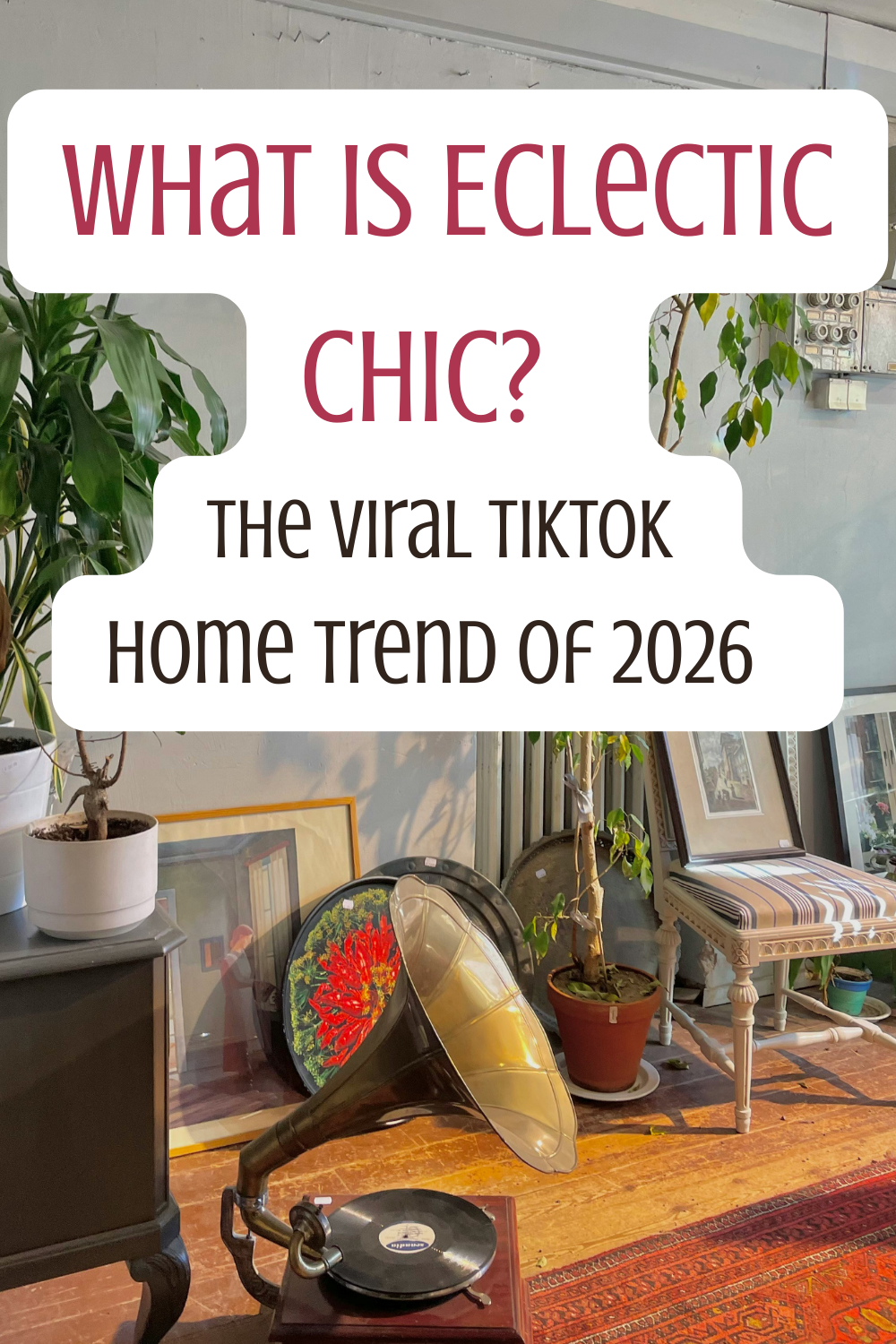
Eclectic chic has long been a design philosophy that favors mixing disparate periods, styles, and materials into a single space. In recent years, TikTok has served as a rapid catalyst for translating this philosophy into a widely accessible trend. The 2026 iteration, often labeled “eclectic chic” or “eclectichic” on social platforms, emphasizes curated layering, storytelling through objects, and a fearless approach to combining vintage finds with modern pieces. This movement is not about chaotic decoration; it’s about intentionality, balance, and a sense of personal narrative within a room.
The core appeal lies in the democratization of design inspiration. With millions of short videos offering quick tutorials, room reveal ideas, and shopping hauls, everyday people can emulate a professional-looking eclectic space without a large budget or access to high-end showrooms. The trend also dovetails with a broader cultural shift toward environmental sustainability, as many creators highlight thrifting, upcycling, and the reuse of existing furniture. While aspirational, eclectic chic provides practical frameworks for enthusiasts to assemble spaces that feel collected over time rather than purchased as a single, cohesive set.
This article surveys what constitutes eclectic chic, why it has gained traction on TikTok, how designers and homeowners implement it, and what to watch for as the trend evolves. It also offers guidance for readers seeking to experiment with eclectic style in their own homes, including considerations about space, scale, color, texture, and the potential challenges of maintaining cohesion amid variety.
In-Depth Analysis
Eclectic chic thrives on the art of curation. At its heart is a deliberate approach to mixing eras, textures, and patterns in a way that feels intentional rather than accidental. The trend rejects sterile uniformity in favor of spaces that tell a story—rooms that feel lived-in, collected, and comfortable. Rather than following a single design creed, eclectic chic encourages designers to borrow from multiple influences: mid-century modern seating can share the stage with a Victorian console; a globally inspired rug might ground a contemporary monochrome palette; a bold art piece can anchor a quiet seating arrangement. The result is a room that feels unique to its inhabitants while still read as a cohesive whole.
TikTok accelerates this process by providing rapid feedback loops. Short-form videos allow creators to experiment with layouts, color palettes, and accessory vignettes, then quickly receive viewer reactions. The format also fosters a sense of community and shared vocabulary: terms like “found object,” “story wall,” and “vignette layering” have become common threads across videos. For many viewers, the platform serves as an annotated catalog of possibilities, making it easier to imagine how different elements might work in their own spaces.
A central technique within eclectic chic is layering. Layering involves stacking multiple elements—textures, patterns, and objects—in a way that adds depth without visual chaos. For example, a neutral sofa can be enlivened with a patterned throw, an assortment of cushions in varying textures, and a collection of artful accessories arranged at different heights. Layering also extends to materials—mixing wood, metal, ceramic, and textile finishes can create a tactile experience that rewards close inspection. The goal is to achieve a curated “hunting lodge meets boutique hotel” vibe, where each piece has a backstory or meaning, even if it is not easily identifiable as belonging to a single era.
Color theory in eclectic chic is nuanced. Rather than relying on a uniform color story, practitioners employ a dominant palette with purposeful pops of contrast. A muted base—think warm beiges, soft olives, or cool greys—serves as the canvas upon which vibrant accents appear. These accents can be a striking rug, an artist’s statement piece, or a vivid ceramic sculpture. The key is restraint: the more extravagant the accent piece, the more selective the supporting cast should be. This balance helps a room feel cohesive rather than chaotic.
Texture also plays a pivotal role. Because eclectic spaces blend disparate items, texture becomes a unifying thread. Plush velvets, rough-hewn wood, smooth glass, and tactile weaves generate interest across different zones of a room. Lighting choices further shape the ambiance, with layered lighting schemes—ambient, task, and accent lighting—contributing warmth and dimension that soften contrasts between dissimilar elements.
Accessibility and comfort are important considerations. Eclectic chic should remain a space people want to inhabit, not just admire from a distance. That means ensuring seating configurations respect sightlines and ergonomics, prioritizing functional storage solutions, and selecting textiles that hold up to real-life use. The best examples strike a balance between artistry and usability: a striking, vintage-record shelf that is also a reliable storage unit; a bold rug that anchors a seating arrangement yet tolerates foot traffic and wear.
Budget-conscious design is another characteristic of the TikTok-driven variant of eclectic chic. Many creators emphasize thrifting and upcycling—upgrading secondhand finds with fresh finishes, new hardware, or careful restoration. This approach aligns with sustainable consumption by extending the life of furniture and reducing waste. It also opens up creative pathways: a dented metal trunk can become a coffee table with a glass top, or an old tapestry can be framed to create a gallery wall. The economy of eclectic chic, when executed thoughtfully, makes high-impact styling achievable for a broad audience.
Nevertheless, there are potential pitfalls. Without careful planning, an eclectic space can feel disjointed or busy. The temptation to fill a room with a parade of objects can overwhelm focal points or overwhelm the eye. A practical strategy is to establish a central anchor—such as a dominant sofa, a large art piece, or a striking rug—and then introduce supporting elements in small, deliberate clusters. Regularly reassessing a space to remove items that no longer serve the narrative can help maintain coherence over time.
From a broader cultural standpoint, eclectic chic reflects attitudes toward individual expression and personalization in interior design. In an online culture that prizes rapid inspiration, the trend encourages people to move beyond standardized looks and to tell a story through their surroundings. It also invites discussions about authenticity: the value of authentic, well-loved pieces versus factory-new items, the ethics of sourcing, and the way global influences can be respectfully integrated into a single home.
Aesthetics aside, there is a technological dimension. The same platforms that popularize eclectic chic also influence how people shop and source materials. Shoppable videos, virtual mood boards, and augmented reality previews enable users to visualize how mismatched elements might work together before committing to a purchase. This convergence of creativity and shopping simplifies experimentation and lowers the barrier to entry for novice decorators, while also exposing seasoned designers to a broader audience and new ideas.

*圖片來源:Unsplash*
Looking ahead, the trajectory of eclectic chic is likely to evolve in several ways. First, we can expect refinements in how creators translate a “story” into a room: more explicit narratives, curated mini-themes within spaces, and documentary-style tours that explain the heritage of particular pieces. Second, sustainability will probably deepen as a core principle, with more emphasis on repair, restoration, and the circular economy. Third, digital tools may enhance collaborative decorating, enabling households to simulate eclectic looks in shared spaces or rental environments where permanent changes are limited.
In summary, eclectic chic as popularized on TikTok represents a contemporary synthesis of past and present, comfort and drama, global influences and local stories. It invites decoration as an act of storytelling rather than a rule-bound exercise. For homeowners and designers, the trend offers a flexible framework: start with a solid foundation, then layer in personality through well-chosen objects, textures, and textures, while remaining mindful of balance, usability, and sustainability. The result is a space that feels both curated and lived-in—a signature of the eclectic chic mindset in 2026 and beyond.
Perspectives and Impact
The rise of eclectic chic on TikTok reflects broader shifts in home design culture. It aligns with a growing demand for personalization and authenticity, moving away from the sterile perfection associated with uniform interiors toward spaces that communicate lived experience. The format of short videos encourages experimentation and rapid iteration. Viewers can test ideas, receive feedback, and learn through imitation—an approach that democratizes interior design by lowering the barriers to entry.
Culturally, eclectic chic resonates with global influences, memory-based aesthetics, and a reclamation of history within contemporary lives. It invites homeowners to repurpose heirlooms and vintage finds, creating intergenerational connections through objects that carry meaning. This ethos can promote sustainability by encouraging thrift shopping, repair, and mindful consumption. However, it also raises questions about cultural sensitivity and provenance. As people borrow motifs from different cultures or historic periods, responsible sourcing and respectful representation become increasingly important.
From a commercial perspective, the trend benefits small businesses and independent makers. The appetite for unique finds supports local markets, flea markets, and artisan networks. Creators who offer curated collections, restoration services, or custom reporting on a room’s narrative gain traction in the ecosystem. At the same time, major retailers may respond with design-forward lines that mimic eclectic touches, making the look more accessible via scalable products. The dynamic balance between one-off treasures and mass-market options shapes a diverse marketplace for home decor.
In terms of impact on consumers, there is a sense of empowerment. People feel capable of transforming spaces without needing an unlimited budget or a formal design degree. The trend encourages observation, experimentation, and adaptation—skills that translate beyond interiors to how people curate their lives online and offline. Yet, a cautionary note remains: impulse purchasing driven by short-form videos can lead to clutter or misaligned choices. Mindful planning, a strong sense of purpose for each item, and a clear plan for space usage are essential to preventing overwhelm.
A notable development is the emphasis on storytelling as a design tool. Rather than simply selecting attractive objects, designers aim to articulate a narrative within a room. This approach can create more meaningful spaces, where the arrangement of furniture and accessories reflects personal memories, travels, or inspirations. The narrative can also guide decisions about color contrasts, textures, and focal points, ensuring that every piece contributes to a cohesive story.
Looking toward the future, eclectic chic may diversify further as creators experiment with regional styles, sustainable materials, and adaptive reuse projects. The trend could also intersect with digital design tools, enabling more precise planning, 3D previews, and collaborative mood boards. As audiences become more discerning, there may be greater emphasis on craft, provenance, and the ethical dimensions of sourcing. The next iterations of the trend could balance the thrill of discovery with a more rigorous approach to sustainability and authenticity.
Key Takeaways
Main Points:
– Eclectic chic blends diverse eras, styles, and textures into cohesive, story-driven spaces.
– TikTok accelerates experimentation, community feedback, and access to inspiration.
– Layering, balanced color, and texture unify disparate elements while maintaining comfort and usability.
Areas of Concern:
– Risk of visual clutter without clear anchors.
– Budget pressures and potential impulse purchases driven by trends.
– Ethical considerations in sourcing and representing diverse cultural motifs.
Summary and Recommendations
Eclectic chic as described in the TikTok-driven landscape of 2026 centers on intentional mixing and storytelling through decor. It champions individuality, sustainability, and hands-on experimentation. For readers seeking to adopt this approach at home, the recommended path is to establish a strong, neutral foundation and build outward with carefully selected focal pieces, textures, and accents. Prioritize pieces with personal meaning or proven durability, and embrace upcycling or thrifted finds when possible to reduce waste and add character. Documenting the process—via mood boards, before-and-after photos, or short videos—can help maintain a coherent narrative while fulfilling the social-sharing impetus that fuels the trend.
Practical steps:
– Start with a calm base: a neutral sofa or walls to anchor the room.
– Introduce a primary statement piece (art, rug, or furniture) that sets the room’s mood.
– Layer textures and materials in complementary tones to add depth.
– Curate a small number of storytelling vignettes rather than filling every surface.
– Source thoughtfully: consider provenance, durability, and compatibility with existing elements.
– Use lighting to tie disparate elements together and soften contrasts.
– Periodically reassess and edit to preserve harmony over time.
Ultimately, eclectic chic is less about achieving a perfect, magazine-worthy snapshot and more about cultivating spaces that feel personal, flexible, and well-used. When approached with intention and restraint, the trend offers a durable framework for designing rooms that are as expressive as their occupants—spaces that age gracefully and accumulate meaning as they evolve.
References
- Original: https://abeautifulspace.co.uk/what-is-eclectichic-the-tiktok-viral-home-decor-trend-of-2026/
- Additional references:
-https://www.architecturaldigest.com
-https://www.apartmenttherapy.com
-https://www.tiktok.com
Forbidden:
– No thinking process or “Thinking…” markers
– Article must start with “## TLDR”
Ensure content is original and professional.

*圖片來源:Unsplash*