TLDR
• Core Points: Phil Spencer to retire after 38 years; Asha Sharma named new gaming CEO; Xbox President Sarah Bond to depart; strategic shifts in leadership and direction for Microsoft’s gaming division.
• Main Content: Leadership transition at Xbox with Spencer’s retirement, Sharma’s appointment, and Bond’s exit, signaling a refreshed governance structure.
• Key Insights: Continuity amid change; emphasis on cloud gaming and consumer platforms; leadership depth in Seattle tech scene.
• Considerations: Impact on ongoing projects, cloud strategy, and partnerships; integration of Sharma’s startup and consumer platforms experience.
• Recommended Actions: Stakeholder communication plan; transition roadmap for teams; clarity on strategic priorities and timing.
Content Overview
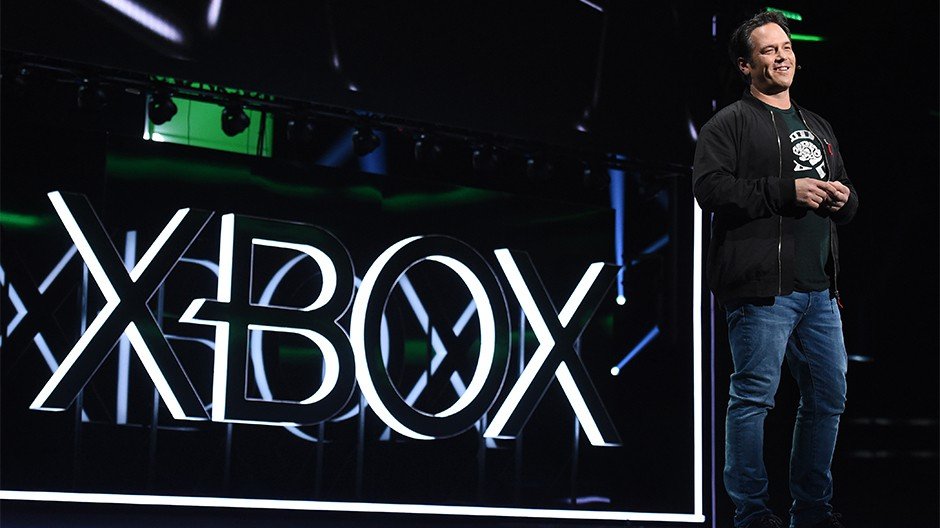
The gaming industry has seen substantial leadership changes at Microsoft’s Xbox division. After a long tenure that helped reshape Xbox through pivotal acquisitions and a bold bet on cloud gaming, Phil Spencer is retiring from Microsoft. His 38-year career culminates in a leadership period characterized by expanding the Xbox ecosystem through strategic acquisitions, expanding the service through Game Pass, and pushing cloud-based gameplay. In tandem with Spencer’s departure, Asha Sharma has been named the new CEO of Microsoft Gaming. Sharma brings roots in the Seattle startup community and a track record in consumer platforms, signaling a strategic emphasis on consumer-centric services and growth opportunities within Microsoft’s broader gaming ambitions.
Additionally, Xbox President Sarah Bond is leaving her role. Bond’s exit accompanies the broader leadership realignment and reflects the company’s ongoing effort to refresh governance as the gaming business evolves in a rapidly changing market. The announcements underscore Microsoft’s intent to sustain momentum in gaming, cloud streaming, and subscription-driven models while integrating fresh leadership perspectives.
This article recaps the leadership changes, provides context on the implications for Xbox and Microsoft’s gaming strategy, and examines potential outcomes for employees, partners, and gaming fans. It also highlights how Sharma’s background could influence prioritization of consumer platforms, developer relations, and cloud-first initiatives that have become central to Microsoft’s approach to gaming.
In-Depth Analysis
Phil Spencer’s retirement marks the end of a transformative era for Xbox. Since taking the helm of the Xbox division, Spencer has steered the company through a series of defining moves. Under his leadership, Microsoft pursued significant acquisitions intended to strengthen its gaming portfolio and ecosystem—acquisitions that included major studios and content partners aimed at expanding first-party IP, diversifying game libraries, and enhancing the appeal of the Xbox hardware and software experience. A core component of this strategy was the rapid expansion of Game Pass, Microsoft’s subscription service, which has become a central pillar of the company’s gaming strategy, offering access to a broad catalog of titles across devices.
Moreover, Spencer’s advocacy for cloud gaming has positioned Microsoft as a major competitor in the streaming and cloud-enabled gaming space. By pushing cloud-based access to games, Microsoft sought to reduce hardware barriers for players and broaden reach across Windows PCs, consoles, and mobile devices. This cloud-centric approach is expected to continue, aided by ongoing investments in Azure, data centers, and streaming technology.
Asha Sharma’s appointment as the new CEO of Microsoft Gaming signals a continuity of Spencer’s emphasis on consumer platforms and cloud-enabled experiences. Sharma’s background includes extensive work within Seattle’s startup scene and experience in consumer-facing platforms, indicating a focus on scalable user experiences, market-driven product development, and potentially stronger consumer engagement strategies. Her experience could influence decisions around how Microsoft prioritizes game distribution, monetization models, and partnerships with developers and publishers. Sharma’s leadership may also affect how Microsoft accelerates its roadmap for cloud gaming services, cross-platform play, and subscription integrations with other Microsoft products and services.
The departure of Xbox President Sarah Bond adds another layer to the leadership transition. Bond has played a key role in shaping the business side of Xbox, including partnerships, strategic deals, and the operational execution that supports Game Pass and console ecosystems. Her exit invites consideration of how the leadership structure will adapt to maintain momentum, ensure continuity of ongoing initiatives, and foster collaboration across divisions to sustain growth in a competitive market.
From a broader industry perspective, these changes come as Microsoft faces an evolving landscape in gaming. Competitors are expanding in cloud gaming, streaming, and subscription services, while developers and publishers weigh platform choices and monetization strategies. Microsoft’s ability to retain talent, align its leadership with a clear, shared vision, and execute on a robust product and publishing strategy will be critical to maintaining momentum.
Sharma’s background in consumer platforms could bolster efforts to improve player onboarding, retention, and monetization across Xbox and related services. This could encompass refining the Game Pass value proposition, expanding cross-platform availability, and enhancing user experiences to drive engagement. Additionally, Sharma’s Seattle-area roots may foster stronger ties with the local tech and startup ecosystem, potentially attracting talent, partnerships, and innovation aligned with Microsoft’s strategic priorities.
The leadership change also invites reflection on cultural and organizational aspects. A transition of this scale raises questions about continuity versus transformation, how the company preserves the momentum of its current initiatives, and how new leadership will balance innovation with the operational discipline required to scale gaming services globally. Stakeholders will be watching for clear communications about timelines, strategic priorities, and the long-term roadmap for Xbox and Microsoft Gaming.

*圖片來源:Unsplash*
Perspectives and Impact
- Strategic continuity and evolution: The appointment of Sharma as CEO could reinforce a continuity-driven approach while injecting new energy and focus areas. Her consumer-platform experience suggests an emphasis on user experience, accessibility, and scalable engagement across devices and services.
- Cloud gaming trajectory: The ongoing push into cloud-based gaming remains central. Sharma’s leadership could influence investment choices, partnerships, and product roadmaps that further embed cloud gameplay into the mainstream, potentially expanding the audience beyond traditional console enthusiasts.
- Partnerships and ecosystem health: As Microsoft’s gaming strategy increasingly centers on subscription and cross-platform experiences, maintaining strong relationships with developers, publishers, and platform partners will be essential. Leadership changes may necessitate renewed engagement strategies to ensure alignment with external partners’ goals.
- Talent and culture: The combination of Spencer’s retirement and Bond’s departure raises considerations about talent retention, succession planning, and cultural continuity within Microsoft Gaming. Effective communication and a transparent transition plan will be critical to sustaining morale and attracting top talent.
- Market positioning: Microsoft will need to articulate a clear narrative around why players should choose Xbox and Game Pass in a more competitive environment, with offerings spanning consoles, PC, and cloud access. The leadership transition could serve as an opportunity to redefine messaging and value propositions.
Future implications include whether Sharma will pursue aggressive expansion of Game Pass libraries, accelerated cross-platform initiatives, or new consumer-centric features that differentiate Microsoft’s gaming ecosystem. The industry will likely monitor how this leadership shift affects M&A strategy, content deals, and the balance between first-party studio development and external publishing partnerships.
Key Takeaways
Main Points:
– Phil Spencer is retiring after 38 years at Microsoft; Asha Sharma named new Microsoft Gaming CEO.
– Xbox President Sarah Bond is also leaving as part of the leadership changes.
– The transition signals a blend of continuity and new strategic emphasis on consumer platforms and cloud gaming.
Areas of Concern:
– Continuity of ongoing initiatives and partnerships during leadership transition.
– Potential disruption to product roadmaps and developer relationships.
– Integration of Sharma’s background with Microsoft’s existing gaming strategy and culture.
Summary and Recommendations
The leadership reshuffle within Microsoft’s gaming division marks a pivotal moment for Xbox and the broader Microsoft Gaming organization. Phil Spencer’s retirement closes a chapter characterized by strategic acquisitions, subscription-driven growth through Game Pass, and a forward-looking commitment to cloud gaming. Asha Sharma’s appointment as the new gaming CEO brings a fresh perspective rooted in Seattle’s startup ecosystem and consumer platforms, suggesting a continued emphasis on user-centric experiences and scalable services. The departure of Xbox President Sarah Bond adds complexity to the transition, underscoring the importance of clear governance, robust succession planning, and transparent communication with employees, developers, and partners.
To navigate this transition successfully, Microsoft should consider the following actions:
– Develop a detailed transition plan that outlines the leadership responsibilities, decision-making processes, and timelines for continuity across all gaming initiatives.
– Communicate a clear strategic vision and priorities for Microsoft Gaming under Sharma’s leadership, including cloud gaming roadmap, Game Pass evolution, and cross-platform experiences.
– Strengthen partnerships with developers and publishers to maintain momentum on game releases, content deals, and platform investments.
– Invest in talent retention and recruitment within the Xbox and Microsoft Gaming teams to preserve institutional knowledge and sustain innovation.
– Monitor and manage cultural integration to maintain morale, promote collaboration across divisions, and uphold the company’s standards for product quality and user experience.
By combining leadership continuity with fresh strategic direction, Microsoft Gaming can aim to sustain momentum in a rapidly evolving market while delivering compelling experiences for players across consoles, PC, and cloud platforms.
References
- Original: https://www.geekwire.com/2026/xbox-chief-phil-spencer-retiring-after-38-years-at-microsoft-asha-sharma-named-new-gaming-ceo/
- Additional context and industry analysis: (Add 2-3 relevant reference links based on article content)
Forbidden:
– No thinking process or “Thinking…” markers
– Article must start with “## TLDR”

*圖片來源:Unsplash*