TLDR
• Core Points: Creative ways to preserve travel memories using junk journal techniques, with ticket stubs, maps, receipts, and small paper treasures.
• Main Content: Practical ideas and prompts to build a travel junk journal that captures sights, sounds, and experiences from trips.
• Key Insights: Junk journaling blends scrapbooking, journaling, and memory keeping; practical tips improve organization and longevity.
• Considerations: Materials selection, preservation methods, and personal storytelling balance.
• Recommended Actions: Start with a basic kit, collect mementos thoughtfully, and experiment with layouts and prompts.
Content Overview
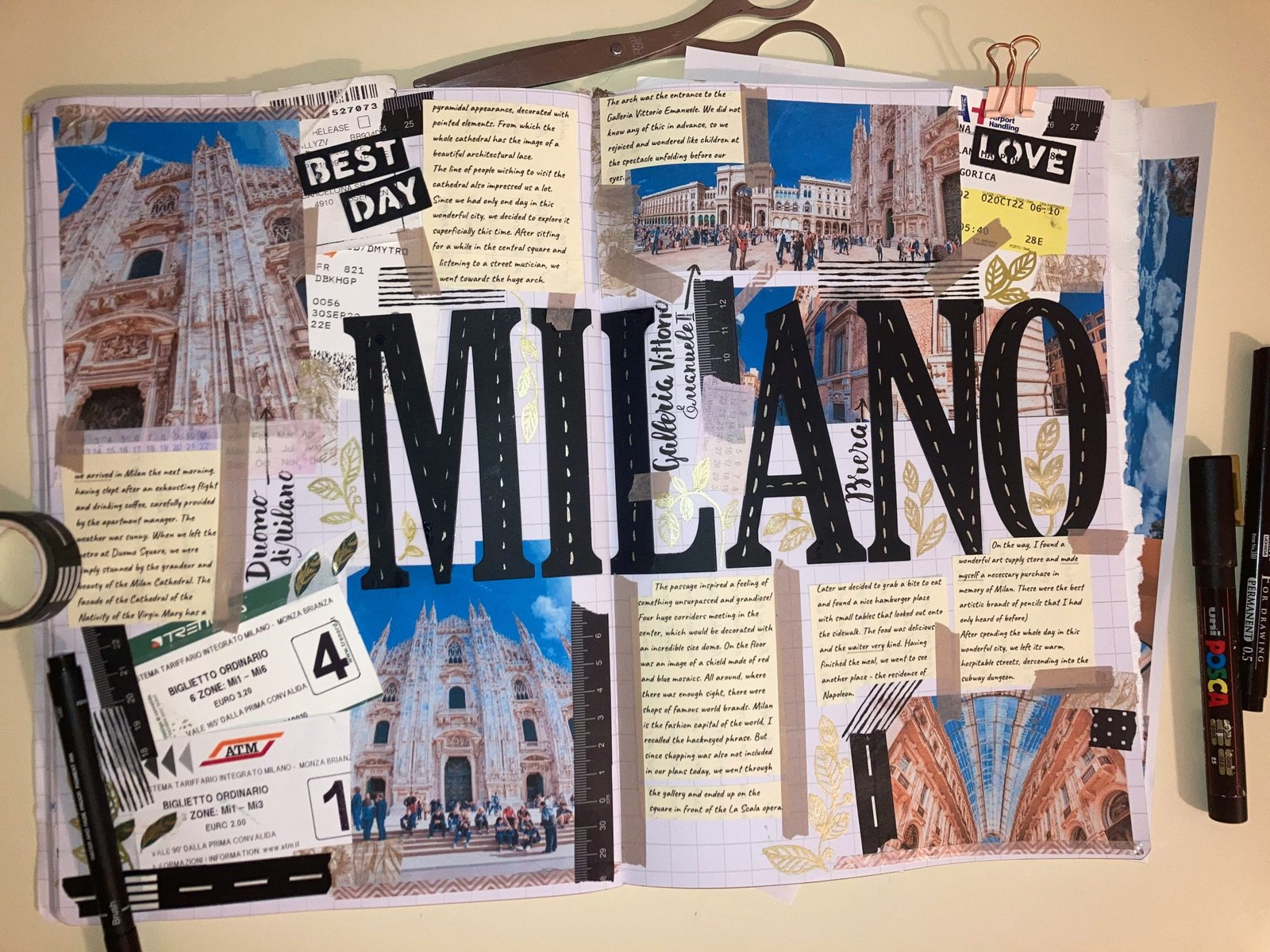
Traveling often leaves behind fleeting memories that fade with time. A travel junk journal provides a tangible, creative way to preserve those experiences beyond photographs and digital notes. This approach merges scrapbooking, journaling, and memory-keeping into a single, portable keepsake. The core concept revolves around collecting small mementos—ticket stubs, maps, receipts, labels, and other paper treasures—from each destination and weaving them into a cohesive narrative. By combining visual elements with reflective writing, travelers can re-create the sensory details of their journeys long after they return home.
The idea is not merely to store items but to curate them. Each page or spread can be themed around a place, a day, or a mood, with thoughtful captions, dates, and context that help future readers understand why that memory mattered. Whether you are a casual traveler or a seasoned explorer, a junk journal offers a low-cost, highly personal method to document travel in a way that is both nostalgic and actionable. It can also be a collaborative project, with friends or family contributing mementos, sketches, or quotes from conversations with locals.
This article presents 50 practical and creative ideas to inspire your travel junk journal. These ideas cover a range of materials, techniques, and storytelling approaches designed to accommodate different travel styles, budgets, and levels of craft experience. While the focus is on preserving memories, the overarching objective is to make the process enjoyable and sustainable, encouraging consistency in journaling with minimal friction.
In-Depth Analysis
The 50 ideas are organized to help you build a versatile travel junk journal that can adapt to various circumstances—whether you’re traveling light with a simple notebook or carrying a full craft kit for longer journeys. The suggestions aim to spark creativity while remaining accessible, even for beginners. Here is a closer look at the types of ideas you’ll encounter and how they can be applied in real-world travel scenarios:
1) Start with a Simple Framework
– Choose a durable notebook or travel journal that suits your hand size and writing style.
– Create a basic layout plan: sections for destinations, days, food, people met, and memorable moments.
– Use a consistent date format and a simple index to locate memories quickly.
2) Collect and Curate Mementos Thoughtfully
– Save ticket stubs, boarding passes, museum tickets, and maps. These physical items anchor memories to specific places and times.
– Gather small items like labels, coasters, napkins, or hotel bookmarks that evoke the atmosphere of a location.
– Use protective sheets or pockets to prevent wear and tear while keeping items secure.
3) Layer Writing with Visual Flourishes
– Add journaling prompts on each page to capture sensory details: sounds, smells, textures, and colors.
– Include brief, vivid descriptions of scenes or encounters to complement the memorabilia.
– Incorporate travel quotes or local expressions to deepen the cultural context.
4) Create Themed Spreads for Each Destination
– Dedicate a spread to a city or landmark, featuring a short narrative, a map snippet, and a few chosen mementos.
– Use color schemes or decorative motifs that reflect the destination’s vibe (e.g., blue tones for coastlines, earthy hues for deserts).
– Add a “top moments” list or a “best bite” section to highlight personal highlights.
5) Use Simple Binding and Layout Techniques
– Employ stitching, washi tape, or corner pockets to attach items without damaging them.
– Experiment with flip-outs or mini envelopes to accommodate items that don’t lie flat.
– Consider a pocketed cover or a lightweight protective cover to extend the journal’s life.
6) Document Practical Travel Details
– Note itineraries, transportation methods, and lodging details for future reference.
– Include contact information for friends met on the road or local guides who contributed to your experience.
– Record budget highlights, exchange rates, or tips learned along the way.
7) Record Reactions to Food and Culture
– Describe meals with sensory details: textures, temperatures, and flavors.
– Capture conversations with locals or fellow travelers that left an impression.
– Include recipe cards or ingredients when possible, especially for dishes that stood out.
8) Capture the Sights in Diverse Ways
– Attach maps with highlighted routes and notes about viewpoints, timings, or weather conditions.
– Sketch quick scenes of memorable moments or skylines.
– Use photo sleeves or printed mini-photos to add a visual narrative.
9) Promote Personal Reflection and Growth
– Include a “lessons learned” page after each trip or destination.
– Write about moments of spontaneity, challenges overcome, or personal shifts in perspective.
– Track changes in preferences, such as preferred styles of travel or types of activities.
10) Integrate Technology in a Tactile Way
– Print small, select digital photos and pair them with handwritten notes.
– Use QR codes or tiny scrolling notes that link to online journals or itineraries when scanned.
– Create digital backups of journal pages to preserve content beyond physical wear.
11) Experiment with Mixed Media
– Add fabric swatches, ticket sleeves, or pressed flowers to enrich tactile experiences.
– Incorporate stamps, stickers, or ephemera that fit the travel theme.
– Use watercolors or colored pencils to accent pages and evoke mood.
12) Craft Custom Sections for Special Trips
– Design a “Dream Trip” page to outline ideas, wish lists, or future revisits.
– Create a “Seasonal Travel” spread to compare experiences across holidays or festivals.
– Dedicate sections to specific themes such as nature, architecture, or music, depending on interests.
13) Prioritize Preservation and Longevity
– Use acid-free paper and archival-safe adhesives to maintain item integrity over time.
– Store the journal in a cool, dry place away from direct sunlight to prevent fading.
– Consider clear sleeves or protective covers for high-value or delicate items.
14) Share and Inspire
– Create a small companion version to share with friends and family, either as a mini-album or a digital flip-through.
– Trade ideas with fellow travelers or join journaling communities to exchange prompts and techniques.
– Use the journal as inspiration for future trips by identifying wants and needs for future itineraries.
15) Develop a Personal System
– Establish a routine for journaling, such as a page per day or per destination.
– Keep a lightweight toolkit: a pen, glue stick, scissors, a few decorative papers, and a small roll of tape.
– Build a habit of collecting mementos during the trip rather than at the end, to avoid forgetting details.
16) Engage the Senses Beyond Paper
– Include audio notes or small sound clips captured during the trip through a companion device.
– Record smell-related memories, such as markets, beaches, or forests, with descriptive language.
– Document tactile experiences like the texture of a street market or the feel of a foggy morning.
17) Use Prompts to Jumpstart Entries
– Prompts can include questions like: What surprised you today? What made you smile? What would you tell a future traveler about this place?
– Create a “Today I learned” section to capture new knowledge or cultural insights.
– Include a “where I’m from” reflection for places that left a lasting impression on you.
18) Expand Beyond Paper with Small Keepsakes
– Attach small fabric tags, ticket stubs, or dried leaves to page corners.
– Create a pocket to hold larger items such as a miniature souvenir or a folded map.
– Use a mini envelope system to organize items by category: transportation, food, people, and places.
19) Collaborate with Travel Companions
– Invite fellow travelers to contribute pages or notes for shared experiences.
– Document different perspectives on the same destination, highlighting diverse impressions.
– Create joint spreads that celebrate the group’s adventures and inside jokes.

*圖片來源:Unsplash*
20) Integrate Local Language and Handwriting
– Include phrases learned in the local language as part of the journaling.
– Handwrite quotes or sayings in the local script to add authenticity.
– Practice calligraphy or expressive handwriting to personalize entries.
21) Keep It Fun and Low-Pressure
– Accept that the journal will have imperfect pages; imperfections add character.
– Allow breaks between trips to prevent burnout and maintain enthusiasm.
– Focus on enjoyment and memory-keeping rather than perfection.
22) Use Different Page Formats
– Alternate between portrait and landscape layouts to create visual variety.
– Incorporate fold-out pages for extended entries or maps.
– Use grid pages for structured prompts and free-form pages for creative expressions.
23) Create a Travel Timeline
– Build a chronological timeline that tracks major events, destinations, and highlights.
– Include a summary page at the end of each trip with a quick overview of the experience.
– Add a “next trip ideas” section to capture future goals and inspirations.
24) Balance Photos with Narrative
– Attach a few preferred photos to complement written memories.
– Use photo captions to add context and preserve details that photos alone cannot convey.
– Consider a photo-first approach for non-writers to participate meaningfully.
25) Revisit and Revise
– Periodically review the journal to add missing details or update memories.
– Create a “rewind” page to reflect on how perceptions have changed over time.
– Add post-trip reflections to capture evolving memories and insights.
The remaining 25 ideas expand on more nuanced approaches, including journaling for specific types of trips (solo, family, adventure, cultural, or culinary tours), exploring different media (stickers, stamps, rubber stamping, or embossing), and practical tips for organizing and preserving the journal in various travel contexts. Together, these ideas aim to provide versatility and inspiration for travelers at all levels of craft experience.
Perspectives and Impact
Junk journaling as a travel practice offers several notable advantages and implications for memory preservation and personal storytelling:
Accessibility and Personalization: Junk journaling lowers barriers to memory-keeping. You don’t need expensive equipment; a simple notebook and a small set of tools can produce meaningful, customized keepsakes. The act of selecting items, composing notes, and arranging pages is inherently personal, enabling a story that reflects the traveler’s voice and priorities.
Enhancement of Travel Experience: The process of collecting mementos and documenting experiences can deepen engagement with the environment. By focusing attention on details—small color variations in a street mural, the texture of a market, or a local saying—travel becomes more immersive and memorable.
Portable and Durable Record: A well-made travel junk journal is a tangible artifact that travels well. With proper materials, it can withstand the rigors of frequent movement and varying climates, offering a counterpoint to the ephemeral nature of digital feeds.
Creative Skill Development: Engaging in journaling and embellishment encourages experimentation with design, layout, typography, and mixed media. Even beginners can acquire new skills in collage, color theory, and storytelling structure, which have broader creative applications.
Cultural and Social Value: These journals can capture local cultures, languages, and interactions that might not be documented in photographs. They provide a narrative bridge between the traveler and the places visited, preserving a human-centered perspective on travel.
Environmental and Ethical Considerations: The practice encourages mindful collection of mementos. Travelers should avoid removing items from protected areas or creating waste. Sourcing materials responsibly and using recyclable or reusable supplies aligns journaling with sustainable travel norms.
Future Implications: As travel continues to evolve with technology, junk journaling may increasingly incorporate digital-to-physical hybrids, like printed photo cards, QR codes linking audio notes, or augmented reality prompts embedded within pages. This convergence can broaden how memories are captured and revisited.
The approach’s longevity lies in its adaptability. Whether for a weekend city break or a months-long expedition, junk journaling can scale with the traveler’s goals, time availability, and crafting interest. It also offers a collaborative potential that can strengthen bonds among companions and family members through shared storytelling.
Key Takeaways
Main Points:
– A travel junk journal blends writing, scrapbooking, and memory keeping to preserve experiences creatively.
– Practical layouts, selective memorabilia, and thoughtful prompts enhance storytelling and organization.
– Preservation practices and mindful collecting ensure the journal endures as a personal artifact.
Areas of Concern:
– Potential for overcrowding pages with items, making entries hard to read.
– Use of non-archival materials that may fade or degrade over time.
– Balancing detailed memories with readability and consistency across different trips.
Summary and Recommendations
A 50-item approach to travel junk journaling offers a flexible, approachable path to recording adventures in a tactile, meaningful way. The core idea is to move beyond simply collecting mementos to curating a narrative that feels cohesive and personal. By starting with a simple framework, assembling carefully chosen keepsakes, and pairing them with reflective writing, travelers can create a durable artifact that celebrates the senses, people, places, and moments encountered on the road.
To implement these ideas successfully, consider the following recommendations:
– Begin with a portable, durable notebook, a few drawing tools, adhesive, and protective sleeves. Establish a simple layout and date your entries for chronological coherence.
– Collect items mindfully: prioritize mementos that trigger vivid memories and carry clear connections to places or experiences. Use pockets and envelopes to accommodate items that won’t lie flat.
– Focus on storytelling: combine descriptive sensory details with concise journaling prompts. Include quotes, local phrases, and the sounds or textures that defined a moment.
– Protect longevity: use acid-free materials and protective coverings; store the journal away from heat and moisture to prevent deterioration.
– Embrace collaboration: invite travel companions to contribute pages, fostering shared recollection and diverse perspectives.
– Consider future uses: leave room for revisiting memories, adding new entries, or creating companion digital renders that complement the physical journal.
With time, patience, and a bit of creativity, a travel junk journal can become a cherished, motivating record of journeys past and a blueprint for future adventures. It is a flexible, low-cost method for preserving not just what travelers see, but what they feel and remember long after returning home.
References
- Original: https://abeautifulspace.co.uk/50-epic-travel-vacation-junk-journal-ideas/
- Additional references:
- https://www.michaels.com/
- https://www.scrapbooking.com/
- https://www.learn-jounaling.com/
Note: The above additional references are provided to support broader context on journaling techniques, scrapbooking ideas, and travel memory projects.

*圖片來源:Unsplash*