TLDR
• Core Points: Eclectic chic blends varied styles, colors, and eras into cohesive spaces; TikTok accelerates trend adoption with mood boards, tutorials, and shopping finds.
• Main Content: The trend fuses curated randomness with intentional design, prioritizing personal expression and adaptable spaces.
• Key Insights: Accessibility, budget-conscious customization, and a resurgence of vintage pieces define the movement; sustainability and space-smart solutions are growing focuses.
• Considerations: Oversaturation and risk of chaotic visuals; need for thoughtful layering and balance to avoid clutter.
• Recommended Actions: Start with a unifying color or motif, curate a few standout pieces, and mix high- with low-cost accents to test the look.
Product Review Table (Optional)
- Not applicable for this article.
Content Overview
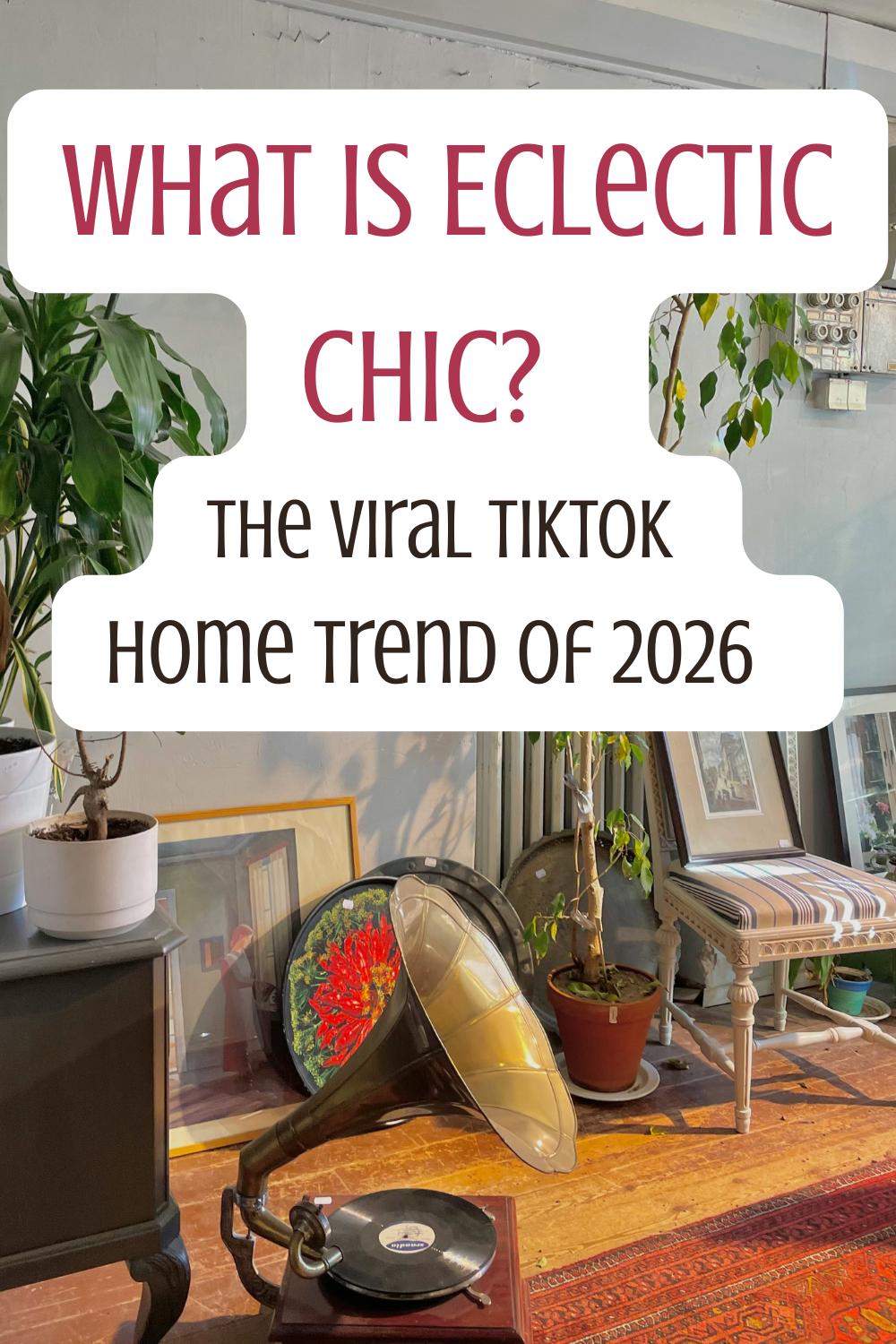
Eclectic chic represents a contemporary approach to home decor that embraces variety without becoming chaotic. Rooted in a long-standing design philosophy that champions individual expression, the trend has taken on new momentum in 2026 thanks to social media platforms, especially TikTok. Creators and viewers alike are exploring ways to blend disparate furnishings, textures, and finishes into spaces that feel personal rather than prescriptive. What distinguishes eclectic chic in the current moment is a shift toward intentional randomness—where mismatched elements are curated with a unifying thread, rather than simply amassed.
This article synthesizes what eclectic chic means, how it has evolved over time, and why it resonates with audiences today. It also examines practical strategies for achieving the look, common pitfalls, and the broader cultural and market dynamics shaping its popularity. In doing so, it provides a grounded, objective view of a trend that is as much about storytelling and mood as about furniture and color.
To understand eclectic chic, one must first consider its lineage. The mid-20th century saw elements of eclecticism in interior design as designers mixed styles from different periods to create layered, character-rich rooms. In recent years, the internet’s vast design catalogs and the rise of do-it-yourself aesthetics have accelerated a move away from uniformity toward spaces that tell a narrative. The 2020s brought a heightened emphasis on personalization, sustainability, and accessibility—principles that align well with eclectic chic. TikTok, with its short-form videos and rapid feedback loops, serves as a proving ground where designers test ideas, demonstrate transformations, and collaboratively refine styles with audiences worldwide.
The concept of eclectic chic rests on a few core pillars: balance, curation, contrast, and storytelling. Balance is achieved not by symmetry but by distributing visual weight across a room so that no single element dominates. Curation refers to purposeful selection: rather than filling a space with everything desirable, decorators choose a limited number of focal pieces and support them with carefully chosen accessories. Contrast is the engine of interest—mixing textures (leather with linen, metal with wood), eras (mid-century with contemporary), and scales (oversized art with petite tables) creates tension and harmony simultaneously. Storytelling ties the look together; each piece contributes meaning or memory, crafting a space that feels recognizable and unique at once.
In terms of practical implementation, enthusiasts typically begin with a unifying concept, such as a color family, a material language, or a recurring motif (geometric shapes, botanical prints, or vintage brass). From there, they introduce a few standout pieces—perhaps a statement sofa, an art print, or a distinctive rug—and fill the rest with a mix of vintage finds, modern essentials, and sustainable or upcycled items. Lighting plays a pivotal role, with warm, layered illumination helping disparate pieces feel like parts of a cohesive whole. Textiles, wall treatments, and seasonal swaps are common tools for keeping an eclectic space fresh without resorting to clutter.
The TikTok ecosystem accelerates adoption by lowering barriers to experimentation. Short videos offer quick demonstrations of how to pair items, reuse furniture in inventive ways, or repurpose everyday objects. Tutorials often reveal inexpensive hacks, space-maximizing layouts, and style swaps that illustrate how to achieve the look on different budgets and in varied living environments. The format also democratizes design criticism and inspiration, enabling followers to rate, remix, and tailor ideas to their own homes. As a result, eclectic chic has grown from a niche aesthetic into a mainstream, shareable framework that people can adapt across apartments, family homes, and compact living spaces.
From a market perspective, eclectic chic intersects with broader retail and trends such as the resurgence of vintage markets, upcycling, and the continued demand for sustainable decor. Buyers increasingly seek pieces with a story—aged woods, patina, and handmade textures—alongside modern essentials that provide comfort and practicality. This fusion aligns with a growing cultural emphasis on personality and provenance, rather than perfection or brand conformity. At the same time, designers caution against overreliance on trend-led pieces and emphasize the importance of durable, high-quality core elements that endure beyond a single season.
This trend also invites reflection on space, scale, and function. Eclectic chic is adaptable to smaller urban dwellings, where clever furniture choices and vertical layering can maximize both storage and ambiance. It also suits larger homes that invite a gallery-like atmosphere, where rooms function as curated exhibitions rather than uniform templates. In all cases, the objective remains clear: to create spaces that feel lived-in, intentional, and reflective of the inhabitants’ identities.
The broader conversation around eclectic chic touches on accessibility and inclusivity in design. As with many cultural movements, the democratization of design ideas—via social media, tutorial content, and budget-conscious sourcing—empowers more people to participate in home styling. However, it also raises considerations about sustainability, waste, and the environmental footprint of rapid home makeovers. Thoughtful sourcing, repair, and upcycling practices can help address these concerns while preserving the creative spirit of the trend.
In summary, eclectic chic is not about random collection but about thoughtful juxtaposition. It invites homeowners to curate spaces that feel personal yet harmonious, mixing old and new, bold and subtle, spare and sumptuous. The trend’s vitality comes from its versatility and its embrace of imperfections as character, not flaws. As TikTok and other social platforms continue to shape consumer preferences, eclectic chic is likely to evolve with new ideas, materials, and storytelling techniques, while maintaining its core promise: a home that reflects the complexity and beauty of the people who live there.
In-Depth Analysis
Eclectic chic operates at the intersection of personal storytelling and design pragmatism. Unlike styles that rely on a rigid rule book, eclectic chic thrives on a flexible framework that accommodates change, travel memories, and evolving taste. This resilience makes it particularly well-suited to a generation of homeowners who move, renovate, and remix living spaces with frequency. The approach prioritizes emotional resonance—pieces that spark joy, curiosity, or nostalgia—over strict adherence to a single design philosophy.
At the technical level, achieving a cohesive eclectic look requires attention to proportional relationships. A room should not feel cluttered even if it contains a multitude of textures and pieces. Designers emphasize establishing a color pivot—one or two dominant hues that appear across multiple items—so the space reads as a connected whole. After setting the anchor colors, a curated mix of patterns and textures can be woven in to maintain interest without overwhelming the eye. Layering becomes a key technique: begin with a foundational piece (such as a sofa or rug) and gradually add chairs, textiles, art, and decor items that reference the core palette or motifs.
Materials and textures are central to the tactile appeal of eclectic chic. Natural fibers like linen, cotton, jute, and wool provide a warm, inviting base, while metal, wood, glass, ceramic, and leather introduce contrast. The careful interplay of matte and glossy finishes also adds depth. For example, a matte-winished concrete coffee table can pair nicely with a glossy sculpture or a lacquered cabinet. The goal is to avoid monotony by balancing smooth surfaces with rough textures and by mixing curvilinear and angular shapes to create visual tension that remains balanced.
Art and wall treatments deserve particular attention. Eclectic chic often features an art collection that blends prints, paintings, photography, and unique objects. The curation should feel purposeful rather than haphazard; rotating pieces or swapping frames can refresh the look without requiring major purchases. Wall color can be a unifying force—soft neutrals or warm earth tones often provide a forgiving backdrop for diverse contents, while accent walls or bold gallery walls can serve as focal points that anchor the room’s narrative.

*圖片來源:Unsplash*
Furniture selection in eclectic chic emphasizes character and versatility. Statement items, such as a vintage credenza, a sculptural lighting fixture, or an oversized sofa, can set the tone for the space. The rest of the furniture should complement these anchors through proportionality in scale, finish, and color. Where possible, pieces with a story or provenance—handcrafted wares, locally sourced goods, or upcycled finds—enhance the sense of authenticity that the trend seeks to cultivate.
Textiles are a powerful tool for tying disparate elements together. Throw pillows, blankets, curtains, and area rugs can introduce repeated motifs or colors, bridging different eras and styles. A well-chosen rug, for example, can anchor a seating arrangement and harmonize incompatible furniture by providing a shared ground. Layering textiles in varying weights and textures can also improve comfort and acoustics, which is especially valuable in open-plan living spaces.
Lighting sets the tone for the entire composition. Eclectic chic favors warm, layered lighting—ambient sources like floor lamps, task lighting, and accent lighting—to sculpt atmosphere and create intimate zones within a larger space. Lighting can highlight certain items, draw attention to artwork, or soften the edges of a busy arrangement. The strategic placement of light fixtures helps to unify a room with a cohesive ambience despite its diverse components.
Functional considerations remain crucial. In homes with multiple inhabitants or high traffic, durability and practicality must guide material choices. Easy-to-clean fabrics, stain-resistant finishes, and well-constructed furniture reduce maintenance burdens over time. Storage solutions should be integrated so that decorative elements do not overwhelm daily living, especially in smaller apartments or rooms with limited square footage.
From a cultural perspective, eclectic chic reflects a broader shift toward pluralism in design. It aligns with anti-minimalist sensibilities that celebrate abundance and memory, while also respecting modern preferences for efficiency and comfort. This balance—between nostalgia and practicality—appears to resonate particularly with younger homeowners who value both sustainability and self-expression. The trend’s participatory nature on platforms like TikTok further reinforces a sense of community, where individuals learn from one another’s experiments, share successes, and normalize the notion that a home can be a living, evolving canvas.
Future implications of eclectic chic point to continued democratization of interior design. As consumers gain access to an expanding marketplace of vintage venues, makers, and global influences, the potential for cross-cultural mixing increases. This could lead to more regionally diverse interpretations of the eclectic chic aesthetic, with local crafts, materials, and design sensibilities informing global conversations. Simultaneously, as environmental awareness grows, designers may prioritize circular economy principles—repair, remanufacture, and upcycling—as core methods of building eclectic spaces instead of sourcing new items exclusively.
However, the trend is not without challenges. For some, the risk of visual overload is real; spaces can feel busy if there is insufficient attention to scale, clutter control, and intentional repetition. To mitigate this, designers advocate for heightened discipline in curating objects, avoiding “noise” in favor of meaningful selections. Another consideration is the potential for trend fatigue. Eclectic chic must remain adaptable to new influences and evolving tastes to preserve its relevance beyond a single season or viral moment. The best practice is to treat it as a design philosophy rather than a fixed template, allowing for growth and reinvention over time.
In practice, homeowners can begin experimenting with eclectic chic with modest budgets. Thrift stores, estate sales, and repurposed furniture stores offer opportunities to find character-filled pieces at accessible prices. A budget-friendly approach often emphasizes rotation and reconfiguration—moving items between rooms, reupholstering a chair, or repainting a cabinet—to achieve fresh looks without large investments. Digital mood boards and design apps can help visualize combinations before committing to purchases, limiting waste and facilitating more deliberate style decisions.
The trend’s global appeal suggests it will continue to attract diverse voices and stories. As more people embrace the idea that a home can reflect a mosaic of experiences, eclectic chic may evolve to incorporate more regional crafts and sustainable practices. The intersection with social responsibility—such as supporting local artisans, choosing durable items, and prioritizing repair over replacement—could define the next phase of its maturation. In this sense, eclectic chic becomes more than a decorative trend; it becomes a lifestyle approach that values memory, adaptability, and environmental stewardship.
Ultimately, eclectic chic offers a framework for designing spaces that feel authentic and lived-in. It is less about adhering to a predefined style and more about crafting a space that communicates who you are, while still functioning well for daily life. The TikTok wave has amplified this philosophy, but the essence remains timeless: spaces that invite exploration, conversation, and a sense of belonging.
Perspectives and Impact
- Designers view eclectic chic as a versatile toolkit rather than a rigid blueprint. Its adaptability makes it suitable for varied housing situations, from small city apartments to expansive homes. The style’s emphasis on personal storytelling resonates with contemporary desires for spaces that reflect identity without sacrificing comfort or practicality.
- Critics caution that the trend risks visual fatigue if not practiced with restraint. Without careful curation, rooms can feel busy or cluttered, undermining the very comfort they aim to achieve. The antidote is deliberate layering, consistent color anchors, and mindful selection of statement pieces.
- Retail ecosystems are adapting to demand for mix-and-match decor, vintage trends, and upcycled items. Suppliers that offer customizable components or repair services are likely to gain traction, as consumers seek to extend the life of their purchases. This aligns with broader sustainability movements and can influence product design toward modularity and longevity.
- The influence of social media on the trend’s evolution raises questions about accessibility and inclusivity. While platforms like TikTok democratize inspiration, there is a risk that algorithm-driven recommendations may disproportionately spotlight certain aesthetics or price points. A balanced ecosystem that highlights diverse voices and accessible options can help broaden participation.
- Looking ahead, eclectic chic could intersect with smart home technologies in ways that reinforce comfort and usability rather than complicating aesthetics. Integrated lighting, climate control, and multifunctional furniture can support complex visual environments while maintaining practicality. The ongoing conversation about space, time, and memory in design will likely keep eclectic chic relevant as people seek homes that adapt to changing lifestyles and identities.
Key Takeaways
Main Points:
– Eclectic chic blends diverse styles, eras, and textures into cohesive, personal spaces.
– TikTok accelerates experimentation, learning, and community around the look.
– Thoughtful curation, color anchors, and layered lighting are essential to balance.
Areas of Concern:
– Risk of clutter or chaotic visuals without disciplined styling.
– Potential for trend fatigue if the look is not refreshed responsibly.
– Sustainability considerations related to fast-moving decor cycles.
Summary and Recommendations
Eclectic chic is a dynamic design philosophy that centers personal expression through the artful mixing of styles, materials, and eras. Its prominence on TikTok reflects contemporary desires for accessible, story-driven styling that can adapt to a range of living spaces and budgets. The trend rewards thoughtful curation, balance, and experimentation, with an emphasis on warmth, texture, and narrative. To successfully adopt eclectic chic, homeowners should begin with a cohesive anchor—such as a preferred color scheme or a common motif—and gradually layer in pieces that contribute meaningfully to the overall story. Prioritizing quality where it matters most (for example, a well-made sofa or a striking art piece) while sourcing affordable, characterful accessories can help maintain a grounded, livable look. Importantly, designers and homeowners should consider sustainability, durability, and repairability as integral parts of the process, ensuring that the aesthetic remains adaptable rather than disposable. As the design conversation continues to evolve online and offline, eclectic chic is likely to remain a versatile, inclusive approach to making homes feel authentic, inviting, and distinctly personal.
References
- Original: https://abeautifulspace.co.uk/what-is-eclectichic-the-tiktok-viral-home-decor-trend-of-2026/
- Additional context:
- https://www.apartmenttherapy.com/eclectic-decor-ideas
- https://www.dezeen.com/tag/interiors/architecture-and-design-trends/
- For broader design principles:
- https://www.architecturaldigest.com/article/eclectic-decor-trends
- https://www.housebeautiful.com/design-inspiration/other/g3432/eclectic-decor/

*圖片來源:Unsplash*