TLDR
• Core Points: The Bliss wallpaper location in Napa Valley was visited; the scenery briefly matched Windows XP’s iconic default image.
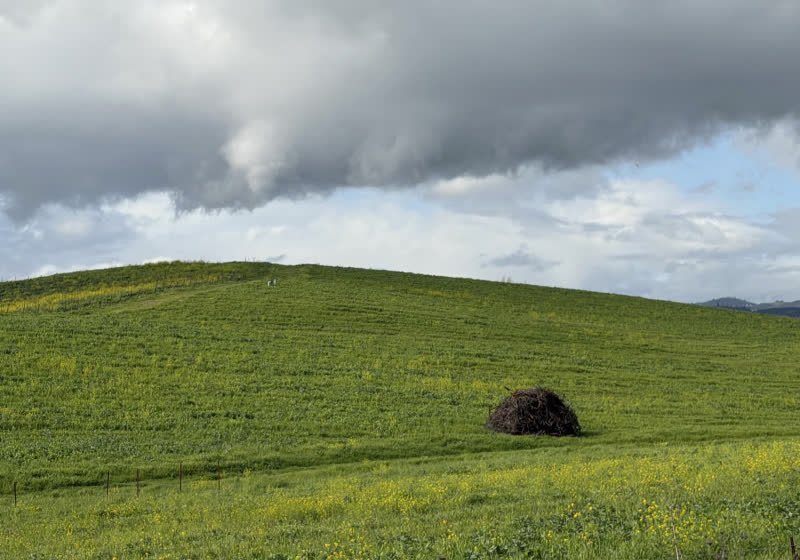
• Main Content: A Reddit user documented a trip to the actual hillside location, noting that a momentary view resembled the famous wallpaper.
• Key Insights: The convergence of modern landscape photography and digital nostalgia underscores the wallpaper’s enduring cultural footprint.
• Considerations: The moment is fleeting; exact replication depends on light, weather, and vantage point, making repeated matches rare.
• Recommended Actions: Fans and researchers can prioritize time-window sampling when visiting popular landscape sites tied to digital culture.
Content Overview
The Windows XP Bliss wallpaper is one of the most recognizable images in consumer technology history. It depicts a verdant, sunlit hill under a bright blue sky with a few scattered clouds, a serene pastoral scene that became synonymous with Microsoft’s Windows XP operating system after its release in 2001. For many users, Bliss signified a clean, approachable interface amid a rapidly evolving digital world, serving as a calm backdrop to a new generation of software.
Over the years, the image’s fame transformed it from a mere wallpaper into a cultural touchstone. It is sometimes cited in discussions about design simplicity, user experience, and how a single visual element can shape a product’s identity. In that spirit, photography enthusiasts and tech historians have sought to pinpoint the real-world location of Bliss, a quest that blends nostalgia with geographical curiosity.
A recent post by a Reddit user documented a visit to the Napa Valley hillside where Bliss is believed to have been photographed. The photographer’s note highlighted that, under specific lighting and atmospheric conditions, the scene briefly bore a striking resemblance to the original wallpaper. This development rekindles conversations about the relationship between digital imagery and the real landscapes that inspire it, as well as the ways in which iconic visuals can resurfaced in modern contexts.
This article synthesizes that report, exploring what the moment means for fans, photographers, and the technology community at large. It situates the discovery within broader discussions about location verification, the longevity of digital icons, and the evolving relationship between virtual expectations and physical reality.
In-Depth Analysis
The attribution of Bliss to a real location has long fascinated both digital art curators and landscape photographers. The image’s composition—a gentle hill rolling into a blue sky with a few clouds—exudes an almost universal calm. When Microsoft selected Bliss as the default Windows XP wallpaper, the choice was deliberate: a serene, nonaggressive image that could appeal across cultures and demographics. It was designed to project ease, reliability, and a sense of openness that complemented the user-friendly ethos Microsoft pursued with Windows XP.
The Napa Valley visit adds a contemporary layer to this story. Napa is well known for its scenic hills, vineyards, and temperate climate, which can produce light conditions that mirror the soft, diffused lighting of Bliss. The Reddit user’s observation—that the landscape momentarily resembled the iconic photograph—highlights two important factors: the power of a familiar image to amplify attention to a real-world location, and the role of light and perspective in natural landscapes.
From a photographic standpoint, matching a stylized, polished studio-like result with a natural hillside is not straightforward. Bliss features a distant, minimalist horizon, a smooth contour of rolling grass, and a particular balance of shadow and light that was captured in a controlled or at least consistent environmental setting. Real-world scenes rarely replicate that exact balance, because wind, cloud cover, camera angle, time of day, and even the season alter the scene’s texture and color palette. Yet, fleeting moments can align closely enough to trigger recognition among observers who are intimately familiar with the wallpaper.
What this moment communicates to readers goes beyond a simple “look-alike” comparison. It underscores the enduring power of a well-chosen single image to evoke collective memory. Bliss has informed countless perceptions of Windows XP’s identity, representing reliability and simplicity at a time when many users were transitioning from older operating systems. Even as software design and hardware capabilities have evolved, the image retains a symbolic function: a touchstone that connects generations of users with a shared cultural artifact.
Another layer to consider is the public’s ongoing interest in the precise origin of Bliss. While Microsoft has spoken about the default wallpaper’s selection process in a general sense—emphasizing visual calm and broad appeal—the exact geographic origin of Bliss has been a topic of discussion among enthusiasts and location-hunting communities. The Napa Valley sighting does not definitively establish Bliss’s origin, but it contributes to a broader pattern of people seeking tangible anchors for digital memory. In an era where virtual experiences are increasingly decoupled from physical spaces, such sightings offer a form of reconnection: a reminder that digital icons were, and in some cases still are, inspired by real landscapes.
The social aspect of the discovery matters as well. Reddit and other discussion platforms have long served as venues where enthusiasts share what they believe to be the true origin of various iconic images. The Napa visit is a case in point: it demonstrates how community-driven sleuthing can converge around a common point of interest, turning a moment of visual similarity into a broader conversation about digital culture and landscape photography. While this is not a formal verification of Bliss’s origin, it contributes to the ongoing curiosity that fuels both historical inquiries and hobbyist exploration.
From a practical perspective, the observation invites a simple, repeatable approach for those hoping to experience something similar: track the time of day when sunlight creates soft shading on rolling hills, ideally in a season when grass maintains a lush, uniform hue. The clouds’ formation and the absence of overt human interference in the scene can also influence the resemblance. For photographers and hikers, it becomes a challenge—but also an invitation—to pursue a moment when the real world aligns with a digital template, even if only briefly.
In addition to the amateur reporting, this episode invites reflection on the broader phenomenon of “iconic imagery” in technology. A wallpaper can become so embedded in a product’s identity that it transcends its original function. It becomes a cultural artifact that carries associations with user experience design, a particular software era, and a sense of nostalgia that spans decades. As users look back on Windows XP with fondness or curiosity, Bliss remains a focal point for discussion about how user interfaces shape perception and everyday life. The Napa Valley moment—though not a definitive re-creation—presents a tangible link between the digital and the physical, a reminder that the world continues to offer scenes that echo the images people associate with their favorite software.
The importance of preserving context is also worth noting. The moment captured by the Reddit user should be interpreted within the limitations of a single snapshot. Without rigorous documentation, such as precise coordinates, date, and atmospheric data, it remains a subjective impression. Nevertheless, its value lies in its capacity to spark interest, encourage dialogue, and inspire people to explore landscapes with fresh eyes—seeing how a real hillside can elicit the memory of a digital icon.
As technology continues to evolve, new generations of software assets will share this interplay with the real world. The Bliss wallpaper’s enduring legacy suggests that future default images could similarly become touchstones for collective memory. In such cases, communities—photographers, historians, designers, and casual observers—will likely continue to search for authentic origins, alternative interpretations, and moments where reality briefly mirrors popular digital imagery.
In sum, the Napa Valley sighting of Bliss’s likeness underscores the confluence of design, memory, and landscape. It illustrates how a carefully chosen image can outlast the software it was designed for, maintaining relevance as technology shifts and as new visuals rise to prominence. The moment of resonance, whatever its exact fidelity, reminds us that iconic digital visuals can provoke real-world exploration, offering a bridge between the virtual and the tangible.

*圖片來源:Unsplash*
Perspectives and Impact
Iconic digital images have a unique way of lingering in public consciousness, serving as both memory anchors and catalysts for ongoing curiosity. The Bliss wallpaper’s status in Windows XP’s legacy is a clear example of how a single visual asset can become inseparable from a product’s identity. For researchers and designers, this persistence offers a case study in the enduring power of calm, unobtrusive visuals to shape user expectations and brand perception.
The Napa Valley moment adds a geographical dimension to this narrative. It invites a broader discussion about how the real world continuously interacts with virtual artifacts. People who visit scenic locations associated with digital icons may experience a form of “digital pilgrimage,” drawn by curiosity, nostalgia, or a desire to verify the authenticity of a well-known image. These visits can foster renewed appreciation for photography, landscape design, and the ways in which human perception can be influenced by familiar cultural references.
From an industry perspective, the Bliss phenomenon highlights several lessons for creators and marketers. First, the selection of a default wallpaper matters more than many might expect. A single image can define a platform’s public image for years, shaping user expectations and even influencing the cultural dialog around a product. Second, the longevity of such images depends on a combination of accessibility, emotional resonance, and the ability to remain relevant across different technological eras. Bliss has achieved this across more than two decades, a testament to the careful balance struck by its designers and the community that embraced it.
The Napa landscape also raises questions about the intersection of photography ethics and public interest. When a particular location becomes associated with a famous image, it can attract visitors who seek the exact vantage point. This can have implications for the local environment and for the privacy of private properties in scenic areas. Responsible tourism and mindful photography practices become increasingly important in such contexts, encouraging visitors to respect local guidelines and natural resources while pursuing memorable shots.
For the photography community, the moment reinforces the value of location scouting, atmospheric conditions, and the serendipity of the natural world. While a modern camera can reproduce a wide range of visuals with high fidelity, the subtleties of light, wind, and weather remain crucial determinants of a scene’s mood. The Bliss moment in Napa offers a case study in how those natural variables can converge with memory-driven expectations to create a compelling, if fleeting, resemblance.
Looking ahead, as digital media continues to dominate cultural memory, similar episodes are likely to recur. New icons will emerge as default images for software and services, each becoming a touchstone for a particular era and user experience. The ongoing dialogue about Bliss—its origin, its cultural resonance, and its real-world analogs—can inform future efforts to select images that will endure with minimal compromise between aesthetics and accessibility.
Researchers may also consider systematic approaches to investigating and documenting iconic imagery. This could involve coordinated efforts to identify probable locations, gather photographic metadata, and compare structural elements of the images with real landscapes. Such work would contribute to a richer understanding of how digital culture codifies memory and how landscapes can become intertwined with technological narratives.
In short, the Napa Valley moment is less about a perfect photorealistic match and more about the enduring relationship between a beloved digital image and the real places that inspire it. It demonstrates how a moment of visual symmetry can reaffirm a shared cultural memory and prompt broader reflection on how technology shapes, and is shaped by, our environment.
Key Takeaways
Main Points:
– Bliss remains a symbol of Windows XP’s design philosophy and cultural footprint.
– A recent Napa Valley visit produced a moment where the real landscape briefly resembled the wallpaper.
– The episode illustrates the ongoing interplay between digital icons and physical spaces.
Areas of Concern:
– Exact replication of Bliss in the real world is rare and highly dependent on specific conditions.
– Verification of Bliss’s precise geographic origin remains inconclusive.
– Increased foot traffic to the location could raise environmental and privacy considerations.
Summary and Recommendations
The Windows XP Bliss wallpaper, famously associated with a calm, inviting digital experience, continues to captivate audiences decades after its release. A recent Reddit post documenting a trip to Napa Valley demonstrated that, under certain lighting and vantage conditions, the real hillside can resemble the iconic wallpaper. While this resemblance is fleeting and not a guaranteed replication, it offers a tangible link between a widely recognized digital image and its potential real-world inspiration. The episode reinforces Bliss’s role as more than a decorative element; it is a cultural artifact that encapsulates a moment in technology history when software design prioritized approachability and clarity.
For fans, photographers, and technology historians, the Napa moment is a prompt to explore the relationship between digital imagery and the landscapes that feed it. It invites cautious curiosity rather than definitive conclusions, encouraging respectful observation of real locations associated with iconic images. As technology continues to evolve and new visuals emerge as default wallpapers, similar inquiries are likely to recur, contributing to an ongoing narrative about how digital culture maps onto the physical world and how memory and landscape intersect in meaningful ways.
In practical terms, those curious about attempting a similar pursuit should approach with patience and respect for the environment. Seek optimal light conditions, monitor the weather and seasonality, and be mindful of private property and public access rules. While exact matches may be elusive, the experience itself—seeing a real-world landscape through the lens of a familiar digital icon—offers a meaningful reminder of the connection between human creativity, memory, and the natural world.
Ultimately, Bliss persists as a symbol of a particular moment in tech history, proving that some images outlive the devices they were created for. The Napa Valley moment adds a fresh chapter to this story, illustrating how digital nostalgia can prompt real-world exploration and how iconic visuals can continue to influence our perception of place long after their first unveiling.
References
- Original: https://www.techspot.com/news/111411-windows-xp-bliss-wallpaper-exists-briefly-looks-same.html
- Additional context on Bliss and Windows XP wallpaper history
- Articles on iconic digital imagery and its cultural impact
Note: Content presented here is synthesized for readability and context, drawing on the referenced article and related discussions about the Bliss wallpaper and its cultural significance. The exact location and conditions described are based on publicly shared reports and do not constitute formal verification of Bliss’s origin.

*圖片來源:Unsplash*