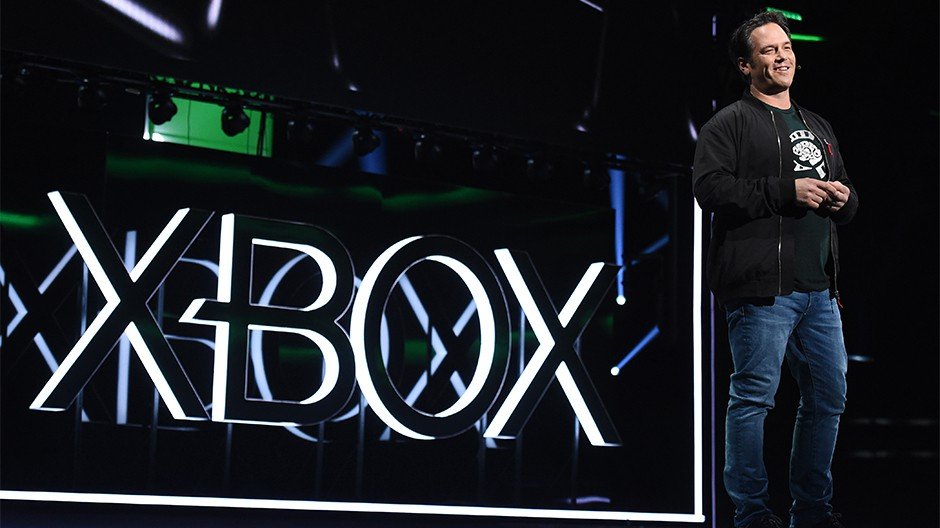
TLDR
• Core Points: Phil Spencer retires after 38 years at Microsoft; Asha Sharma named new gaming CEO; Xbox President Sarah Bond also exiting; leadership transition underway with emphasis on cloud gaming and consumer platforms.
• Main Content: Spencer’s departure ends a transformative era for Xbox; Sharma brings startup and consumer-platform expertise to lead gaming; Bond’s departure signals further leadership realignment.
• Key Insights: Microsoft aims to maintain momentum in cloud gaming and legacy Xbox initiatives; leadership continuity will be critical to stability and strategic execution.
• Considerations: Transition timing and integration across Xbox divisions; Sharma’s ability to scale gaming businesses globally; potential impact on partnerships, studios, and developer relations.
• Recommended Actions: Monitor leadership integration plans, investor communications, and narrative around cloud strategy; prepare for product roadmaps and studio investments under Sharma.
Content Overview
In a major leadership overhaul at a pivotal moment for Xbox and Microsoft’s gaming ambitions, Phil Spencer is stepping down after a 38-year career with the tech giant. Spencer, who has long been synonymous with Xbox’s modern evolution—from strategic acquisitions to a renewed focus on cloud gaming—will retire from his role at Microsoft. In parallel, Asha Sharma has been named as the new CEO of gaming, bringing a background rooted in Seattle’s startup ecosystem and extensive experience in consumer platforms. This leadership transition comes as Xbox President Sarah Bond also departs, signaling a broader shift in the company’s gaming leadership team.
Spencer has been widely recognized for steering Xbox through a period of significant change. His tenure encompassed major acquisitions intended to broaden Xbox’s content library, its hardware ecosystem, and its cloud-based services. The move toward cloud gaming, including investments in streaming technology and services that aim to make Xbox content accessible across devices, has been a defining characteristic of his leadership. Sharma’s appointment positions her to continue the work of scaling Xbox’s consumer experiences, strengthening partnerships with developers and publishers, and driving growth in new markets. Bond’s exit further reshapes the executive landscape at Xbox, underscoring a broader realignment of priorities and leadership responsibilities within the company.
This transition occurs amid a broader industry shift toward cloud-enabled gaming, ambitious first-party and third-party content strategies, and a rapidly evolving competitive landscape. As Microsoft refines its gaming strategy, the leadership changes will be closely watched by investors, developers, and players who depend on a steady cadence of product releases, service enhancements, and strategic partnerships.
In-Depth Analysis
Phil Spencer’s retirement marks the end of an era for Xbox leadership that has profoundly influenced Microsoft’s gaming ambitions over nearly four decades. Spencer joined Microsoft long before the Xbox era, and his career there culminated in him becoming one of the most recognizable figures associated with Xbox. Under his stewardship, the company pursued a strategic path of acquisitions intended to expand its content catalog, diversify its studios, and fortify its global reach. This strategy included high-profile acquisitions designed to bolster first-party development and secure a broad slate of games that could compete in an increasingly crowded market.
Spencer’s approach also embraced a broader shift toward cloud gaming—an area Microsoft has invested in heavily, aiming to deliver Xbox experiences beyond traditional console hardware. The cloud strategy seeks to unlock more flexible access to games, reduce barriers to entry for new players, and enable a more seamless cross-device experience. This vision aligns with the broader direction of the gaming industry, where streaming capabilities and services are becoming central to how players engage with content.
Asha Sharma’s appointment as the new gaming CEO introduces a leader whose background intersects startup culture and consumer platforms. Sharma’s experience in the Seattle tech scene and her focus on consumer experiences position her to oversee gaming initiatives that require strong product management, user engagement strategies, and an emphasis on scalable platforms. Her track record suggests an emphasis on building products and services that resonate with a wide audience, leveraging data-driven insights, and expanding the reach of gaming experiences across devices and audiences.
The departure of Xbox President Sarah Bond adds another dimension to the leadership transition. Bond has been a prominent figure in Xbox’s executive cadre, contributing to strategy, partnerships, and the company’s push into service-based models. Her exit signals a potential redefining of the upper-echelon leadership structure as Sharma steps into her new role. The sequence of these leadership changes will influence how Xbox navigates near-term product cycles, partnerships with developers and publishers, and ongoing investments in cloud infrastructure, AI-assisted tooling, and content creation.
From a strategic perspective, the leadership changes come at a time when the gaming industry is intensifying competition, with pace and scale of content, platform diversification, and cloud capabilities all central to future growth. Microsoft’s ability to sustain momentum in first-party game development, alongside a robust third-party ecosystem, will hinge on how effectively Sharma can translate the company’s cloud strategy into tangible product experiences and developer-friendly initiatives. The new leadership will also need to address ongoing challenges related to content cadence, platform differentiation, and maintaining strong relationships with studios and independent developers.
Operationally, this transition may introduce shifts in organization structure, resource allocation, and priority setting across Xbox’s divisions. Ensuring a smooth handover, maintaining continuity in ongoing projects, and safeguarding momentum on upcoming releases will be essential. Investors and industry observers will watch for concrete statements on how Sharma plans to advance the company’s strategic objectives, including any new investments in studios, technologies, or partnerships that align with a cloud-first, consumer-centric gaming future.
Beyond the corporate implications, this leadership transition has practical consequences for developers, publishers, and players. Developers rely on a stable and predictable roadmap, clear incentives for releasing multiplatform content, and access to tools and services that streamline game development and distribution. Sharma’s leadership will influence how Xbox engages with the broader development community, the pace at which new platforms are supported, and the degree to which Microsoft invests in cross-platform experiences that unify gaming across consoles, PC, and mobile devices.
In evaluating this leadership transition, stakeholders should consider both continuity and change. Spencer’s legacy includes a strong emphasis on expanding Xbox’s content library and improving its service ecosystem. Sharma’s appointment offers an opportunity to build on that momentum while potentially reorienting some priorities toward scalability, consumer product excellence, and deeper integration of cloud capabilities. The upcoming period will likely involve reaffirmations of long-term goals, detailed roadmaps for platform growth, and a renewed focus on delivering compelling, accessible gaming experiences to a global audience.

*圖片來源:Unsplash*
Perspectives and Impact
Long-term implications of these leadership changes are likely to unfold across several dimensions:
Content and Studios
The Xbox strategy has historically balanced internal first-party development with a robust network of external studios. Sharma’s background in consumer platforms suggests a potential emphasis on user-centric product design, onboarding experiences, and continuous iteration based on player feedback. How Microsoft guides, funds, and prioritizes its internal studios, acquisitions, and partnerships will shape the breadth and depth of its forthcoming game catalog.Cloud and Cross-Platform Strategy
Spencer championed cloud gaming as a central pillar of Xbox’s future. Sharma’s leadership could either accelerate this trajectory or introduce nuanced shifts in how aggressively Microsoft pursues cloud-enabled services, including streaming, cross-platform play, and device-agnostic access to titles. The success of cloud initiatives depends on performance, latency, content availability, and the ability to monetize services in a way that benefits both players and developers.Platform and Developer Relations
A sustained emphasis on a healthy developer ecosystem—offering familiar tools, transparent roadmaps, and predictable support—remains essential. Sharma’s track record in consumer platforms may translate into deeper focus on developer relations and tooling that lower barriers to entry, while maintaining quality standards across platforms.Competitive Landscape
The gaming industry continues to contend with major players pursuing aggressive growth through subscriptions, cloud services, and exclusive content. Microsoft’s leadership changes will be evaluated against the backdrop of rivals, including Sony, Nintendo, Tencent, and emerging cloud-native platforms. The company’s ability to deliver timely exclusives, compelling live-service experiences, and accessible cloud-enabled gaming will contribute to its competitive standing.Investor and Market Reactions
Investors tend to prize stability and a clear, credible long-term plan. The combination of Spencer’s retirement and Sharma’s appointment will prompt analysts to parse strategic implications, especially regarding hardware cycles, service evolution, and capital allocation. Transparent communication about roadmap milestones and investment priorities will be critical to maintaining confidence.Talent and Culture
Leadership transitions can influence organizational culture and talent retention. Sharma’s ascent may inspire new momentum across teams, but it will also necessitate attention to preserving institutional knowledge, maintaining morale, and ensuring a smooth transition for teams that reported to Spencer and Bond.
Overall, the transition reflects Microsoft’s intent to maintain decisive leadership in an evolving gaming landscape. Sharma’s appointment signals an emphasis on consumer-focused product strategy, scalability, and a continued commitment to cloud-enabled experiences, while Spencer’s retirement closes a chapter that saw transformative growth in Xbox’s content and services.
Key Takeaways
Main Points:
– Phil Spencer retires after 38 years at Microsoft, marking the end of a defining era for Xbox.
– Asha Sharma is named the new CEO of gaming, bringing startup and consumer-platform expertise to the role.
– Xbox President Sarah Bond is also departing, signaling broader leadership realignment within the gaming division.
Areas of Concern:
– How Sharma will translate her consumer-platform focus into a coherent, long-range gaming strategy.
– The impact of leadership changes on ongoing projects, partnerships, and studio relationships.
– Ensuring continuity in cloud gaming initiatives and content cadence during the transition.
Summary and Recommendations
The retirement of Phil Spencer after an influential 38-year tenure at Microsoft signals a watershed moment for Xbox and the broader gaming organization. Spencer’s leadership helped shape a generation of strategic acquisitions and a renewed emphasis on cloud gaming, positioning Xbox as a prominent player in a rapidly evolving industry. The appointment of Asha Sharma as the new gaming CEO aims to preserve momentum while infusing fresh perspectives grounded in consumer platforms and scalable product development. With Xbox President Sarah Bond also departing, Microsoft stands at a juncture that will test its ability to maintain strategic focus, execute on cloud initiatives, and sustain a robust ecosystem of developers and partners.
For stakeholders, the immediate priority is to understand how Sharma plans to operationalize the long-term vision. This includes transparent communication about product roadmaps, platform initiatives, and investment priorities that align with a cloud-centric, consumer-first approach. Maintaining continuity in current projects and preserving strong relationships with studios and developers will be essential during the transition.
Looking ahead, Microsoft will likely emphasize a cohesive strategy that integrates first-party development, third-party partnerships, and cloud services into a unified gaming experience accessible across devices. The success of this transition will depend on Sharma’s ability to translate leadership change into concrete, measurable outcomes: a steady cadence of content releases, enhanced cross-platform experiences, and scalable services that broaden Xbox’s reach while sustaining its competitive position.
In sum, the leadership changes present an opportunity for Microsoft to refresh its gaming strategy without losing the momentum built under Spencer. If Sharma can effectively steward a consumer-focused, cloud-enabled roadmap while maintaining strong partnerships and product quality, Xbox can continue to thrive in a dynamic market.
References
- Original: https://www.geekwire.com/2026/xbox-chief-phil-spencer-retiring-after-38-years-at-microsoft-asha-sharma-named-new-gaming-ceo/
- Additional context on cloud gaming and platform strategy: [Insert 2-3 relevant reference links based on article content]

*圖片來源:Unsplash*