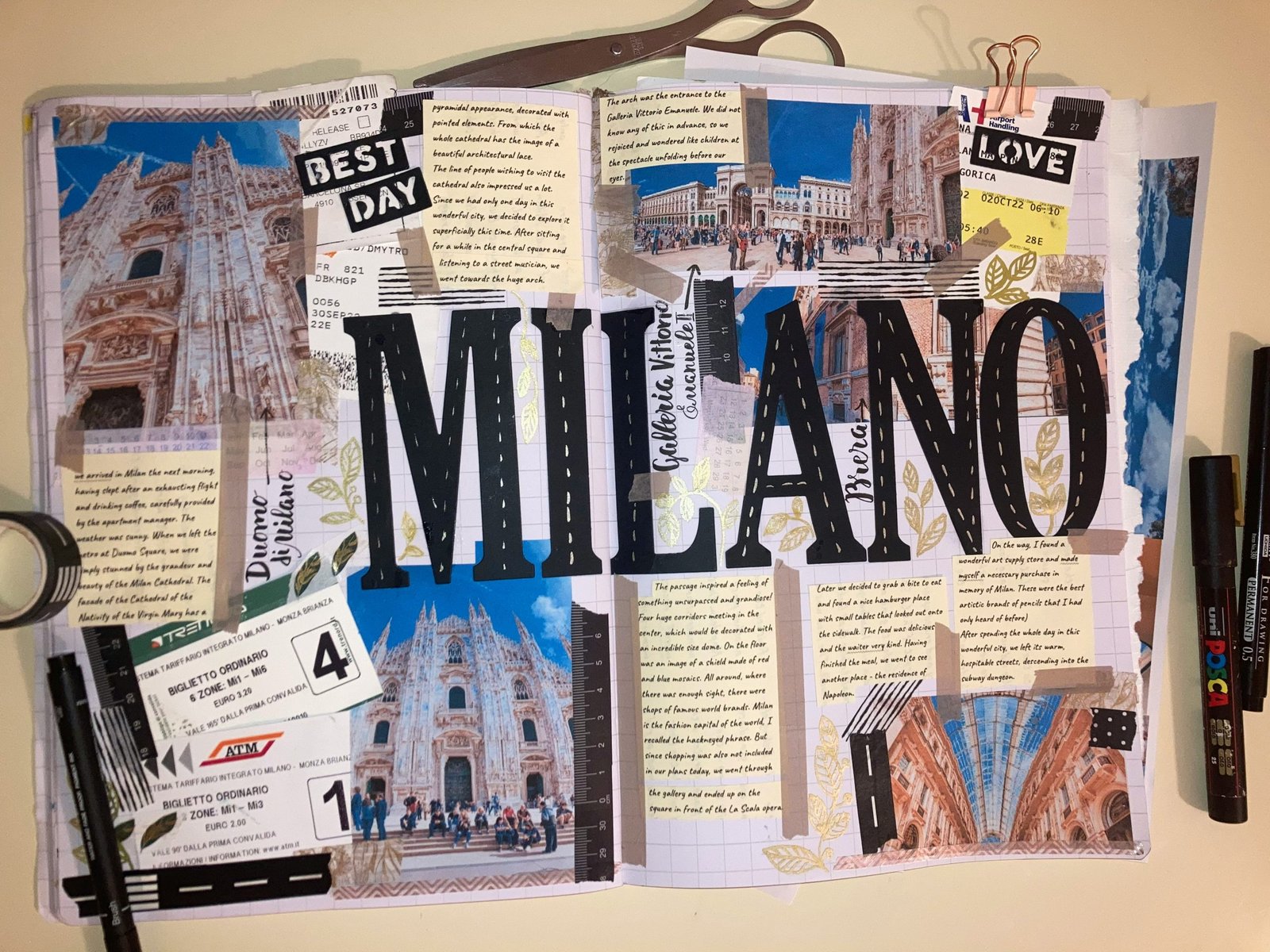
TLDR
• Core Points: Creative ways to capture travel memories using junk journaling techniques, including keepsakes, ephemera, and reflective prompts.
• Main Content: Practical ideas for assembling a travel junk journal, with varied materials and layout approaches.
• Key Insights: Personal storytelling, organization tips, and preservation methods enhance memory-keeping.
• Considerations: Materials selection, journaling frequency, and space management for ongoing trips.
• Recommended Actions: Start with a simple kit, curate memorable moments, and experiment with layouts and inserts.
Content Overview
Travel journaling offers a tactile, creative way to preserve adventures beyond standard photo albums. Junk journaling blends found paper treasures—ticket stubs, maps, receipts, cafe napkins, and other ephemera—with handwritten notes, decorative elements, and pocketed envelopes. This approach turns everyday travel mementos into a story-driven keepsake that grows with each trip. The core idea is flexibility: you don’t need a formal planner or an expensive kit. A traveler can start with a basic notebook, a few glue sticks, scissors, a pencil, and a stash of souvenirs gathered along the way. The result is a personalized narrative that captures sights, sounds, tastes, and the emotional arc of a journey.
The concept has gained popularity among travelers who value tactile, handmade memory projects. It sits at the intersection of scrapbooking, journaling, and travel documentation. By embracing junk journaling, explorers can transform ordinary scraps into layered pages that reflect mood, color, and moment. The approach also invites creativity and mindfulness: pausing to press a keepsake, sketching a street scene, or recording a spontaneous thought can deepen the travel experience. For many, this kind of journaling becomes a cherished annual ritual, with each trip contributing a chapter to a larger ongoing narrative. The following ideas provide a spectrum of techniques, layouts, and prompts designed to help travelers begin, maintain, and enrich a travel junk journal.
In-Depth Analysis
50 Epic Travel Vacation Junk Journal Ideas focus on practical, actionable ways to document journeys in a journal that embraces found materials and creative composition. The core strategy is straightforward: collect small, meaningful items during travel, then integrate them into a journal page in a way that tells a story. Here are representative concepts drawn from the broader list:
1) Start with a simple foundation: Use a sturdy notebook with wide-ruled or dotted pages. A ledger or kraft-paper notebook can provide a warm, vintage backdrop for ephemera. Consider binding options that allow easy insertion of loose items, such as a notebook with durable rings or a pocketed folder.
2) Create a memory map: On a spread, place a map snippet from a current location and annotate it with dates, highlights, and personal impressions. Add small photos or sketches alongside the map to anchor the experience to place and time.
3) Ticket stubs and receipts: Preserve transportation tickets, restaurant receipts, and admission stubs by mounting them on the page with brief captions. Include the context for each item: where you were, who you were with, and what stood out about the moment.
4) Postcards and printed ephemera: Attach postcards, menus, travel brochures, and hotel cards. Overlay with journaling to explain why the item mattered or what memory it evokes.
5) Language and culture notes: Write down phrases you learned, slang heard, or cultural observations. Pair these notes with a small illustration or doodle that captures the vibe.
6) Pocket inserts: Create pockets within the pages to store keepsakes like pressed flowers, ticket stubs, or pressed leaves. Label pockets so you can later locate specific memories.
7) Themed pages: Organize spreads around themes such as food, architecture, nature, or people. Each theme can have its own color palette and texture to create cohesive chapters within the journal.
8) Color and texture play: Incorporate fabric swatches, napkins, or tissue paper to add tactile variety. Consider coordinating color schemes to evoke the mood of a place or moment.
9) Lettered captions and prompts: Use hand-lettered titles and prompts to capture introspection. Prompts might include “What surprised me today?” or “What did this place teach me?”
10) Photo integration: Include small photos (polaroids or printed images) and add captions or micro-stories. If space is limited, select the most meaningful moments rather than every snapshot.
11) Washi tape and borders: Use decorative tape to frame elements or create borders that tie pages together. Washi tape can help conceal glue lines and provide a cohesive look across spreads.
12) Minimalist pages: For travelers who prefer simplicity, create clean pages with just a few items and concise notes. Minimalist layouts can be powerful when paired with high-quality ephemera.
13) Travel skills and recommendations: Document practical tips learned on the road—best transport options, packing hacks, currency tips, and local etiquette.
14) Food journaling: Record tasting notes, dish names in local languages, and memorable dining experiences. Pair notes with a small menu card or receipt for context.
15) Natural details: Collect natural finds such as pressed leaves or small shells (where appropriate) and note where they were found, along with surrounding scenery.
16) Landmark sketches: If you enjoy drawing, include quick sketches of iconic landmarks or street scenes. Even rough sketches can evoke atmosphere and scale.
17) Soundscapes and senses: Describe what you heard, smelled, or felt in a place. Sensory details add depth to your pages and help you recall the moment vividly.
18) Nightlife and tempo: Capture the rhythm of a place after dark—markets, street musicians, or quiet alleyways. Use darker tones or night-themed accents to reflect mood.
19) Travel errors and lessons: Document mishaps or misadventures with a reflective angle. Include what you learned and how you adapted on future trips.
20) Local transportation chronicles: Chronicle the experience of buses, trains, ferries, and walks. Include route names, durations, and a note about the scenery.
21) Currency and exchange: Record currencies used, exchange rates at the time, and any funny or frustrating money moments.
22) Favorite found objects: Keep one-page collages of small, memorable finds like ticket stubs, bottle caps, or souvenir magnets. Add a caption explaining their significance.
23) Seasonal notes: Tailor pages to seasonal experiences—autumn markets, winter light, spring blossoms—and reflect on how time of year shaped the trip.
24) Travel companions’ perspectives: Invite a fellow traveler to contribute a page or two, providing alternate views or shared memories.
25) Personal growth snapshots: Include reflections on personal growth, challenges overcome, and moments of gratitude experienced during travel.
26) Before-and-after splits: Create a spread that shows expectations versus reality, using sketches or clipped items to illustrate the contrast.
27) Local crafts and stamps: Document visits to markets or craft studios with stamps, sketches, and notes about techniques learned or souvenirs acquired.

*圖片來源:Unsplash*
28) City-by-city records: Dedicate a section to each city visited, summarizing highlights, flavors, and favorite moments in a compact format.
29) Seasonal prompts: Use prompts aligned with the travel calendar, such as “First impression of this place” or “What surprised me about modern life here?”
30) Hand-drawn maps: Draw rough maps to mark your route, neighborhoods, or favorite routes. Annotate with notes for future reference or memory triggers.
31) Hotel and lodging stories: Record impressions of accommodations—comfort, design, location, and local quirks.
32) Souvenir inventory: Maintain a running list of souvenirs and a short note about why each was chosen and where it will be stored or displayed later.
33) Travel checklist evolution: Document how your packing list has evolved over time, noting what worked and what didn’t.
34) Local color and fashion: Observe and document local fashion, colors, and street style. Include small sketches or fabric samples if possible.
35) Weather diaries: Track weather conditions and how they affected plans, mood, and activities.
36) Language doodles: Create small visual representations of local phrases—phonetic spellings, pronunciation tips, and usage contexts.
37) Night markets and street food: Capture the sensory essence of bustling markets with textures, colors, and flavor notes.
38) Nature and landscapes: Include field sketches or pressed flora from parks, trails, or coastlines, with location details.
39) Museums and galleries: Record favorite exhibits, take brief notes, and attach a small ticket stub or brochure excerpt.
40) Local transportation maps: Add transit maps or route screenshots with notes about efficiency and convenience.
41) Sunrise and sunset chronicles: Document golden hours with color swatches and reflective captions capturing the mood.
42) Water and travel: Include imagery or textures related to water experiences—beaches, canals, rivers—and pair with sensory notes.
43) Local etiquette and etiquette prompts: Note cultural norms or etiquette tips to remind future trips of respectful behaviors.
44) Cultural rituals and ceremonies: Record observations about local traditions encountered during your travels.
45) Tech and connectivity log: Document how you stayed connected, including SIM cards, Wi-Fi spots, and roaming experiences.
46) Departure reflections: Create a page summarizing the trip’s arc, biggest takeaways, and what you’d do differently next time.
47) Reusable and sustainable journaling: Use eco-friendly materials and reusable formats to align with sustainable travel values.
48) Photo-free memory pages: Some pages can be fully text and ephemera, allowing storytelling without relying on photos.
49) Future plans and dream routes: Sketch ideas for future trips inspired by current experiences.
50) Final ritual page: End with a closing note, a gratitude entry, and a piece of memorabilia sealed in a pocket or envelope.
Perspectives and Impact
Travel junk journaling blends memory-keeping with creative expression. By combining tangible keepsakes with written reflection, it creates a multi-layered record of a journey that is both personal and aesthetically engaging. This method can serve multiple purposes: it acts as a vivid memoir for the traveler, a memento for family and friends, and a tactile diary that rewards careful curation over time. The practice encourages deliberate observation: pausing to notice small details, slightly altering everyday habits to capture unique moments, and capturing sensory impressions that photos alone may miss. Over time, junk journaling can become an evolving archive—a portable time capsule that invites revisiting past trips and planning future adventures.
The activity also offers practical benefits. Keeping a travel junk journal can improve memory retention by reinforcing details through writing, sketching, and collage. It provides a flexible framework that accommodates varying amounts of time and energy. You can work on a page during a layover, jot notes on a train, or assemble an entire spread back home. The use of pockets and envelopes helps organize loose items without risking damage, while the combination of text and ephemera creates a narrative coherence that photos or traditional diaries may not achieve alone. For hobbyists and aspiring scrapbookers, junk journaling offers an approachable entry point into creative memory-keeping, with room to experiment and grow.
However, there are considerations to keep in mind. Materials selection matters for durability and portability: lightweight papers, acid-free adhesives, and moisture-resistant storage help preserve items over time. Space constraints on long trips may necessitate a compact setup and a plan for periodically culling or digitizing content. Accessibility of supplies, safety of valuables, and respect for local customs when collecting mementos are also important. Some travelers may prefer digital complements to their physical journal, using scans or photos to supplement the ephemera while still enjoying the hands-on process of assembling pages.
Key Takeaways
Main Points:
– Junk journaling combines ephemera, handwriting, and art to create a personal travel narrative.
– A wide range of materials—tickets, maps, menus, receipts, fabric scraps—can be integrated creatively.
– Organization techniques (pockets, themes, prompts) help structure memories and maintain flow.
– The practice supports memory enhancement, mindfulness, and customizable expression.
– Sustainability and portability are important considerations for frequent travelers.
Areas of Concern:
– Material durability and preservation over time require careful choices.
– Managing space and weight is essential for longer trips to avoid overloading gear.
– Cultural sensitivity regarding collecting items and taking memorabilia in some places.
– Balancing detailed storytelling with time constraints during busy itineraries.
Summary and Recommendations
50 Epic Travel Vacation Junk Journal Ideas offer a versatile framework for transforming ordinary travel scraps into a meaningful, personal chronicle. The core recommendation is to begin simply: pick a sturdy notebook, gather a few fundamental tools, and start collecting small mementos as you go. From there, travelers can gradually expand their approach, experimenting with layout, color, texture, and prompts to suit their personality and travel style. The most powerful outcomes come from intentional storytelling—capturing not only what you saw, but how you felt, what you learned, and why certain moments stand out in your memory.
To maximize impact, consider a phased approach:
– Phase 1: Establish a basic system. Choose a notebook, basic adhesives, scissors, and a small stash of ephemera. Create a few starter spreads that capture the essence of early trips.
– Phase 2: Introduce structure. Add theme-based pages, memory maps, and pockets for keeping小 items. Use prompts to guide reflections and ensure a narrative thread.
– Phase 3: Expand creatively. Incorporate photos, sketches, fabric samples, and found textures. Invite a travel companion to contribute pages for diverse perspectives.
– Phase 4: Preserve and reflect. Consider digitizing key spreads for archiving, and create a final “closing” page that summarizes lessons learned and future travel goals.
Ultimately, travel junk journaling is about curating a living, evolving artifact of your journeys. It rewards curiosity, patience, and a willingness to experiment. By blending tangible keepsakes with thoughtful writing, travelers can create a rich, accessible record of adventures that grows with them across destinations and years.
References
– Original: https://abeautifulspace.co.uk/50-epic-travel-vacation-junk-journal-ideas/
– Additional references:
– https://www.scrapbook.com/
– https://www.junkjournalshop.com/
– https://www.artsycraftsyblog.com/creative-junk-journal-tips
Note: The ideas above are synthesized to provide a coherent, expansive guide suitable for readers seeking practical, creative ways to document travel experiences through junk journaling. The suggestions emphasize accessibility, adaptability, and personal storytelling while maintaining a neutral, informative tone.

*圖片來源:Unsplash*