TLDR
• Core Points: Colorado HB26-1144 expands firearms regulations to include possession of 3D gun design files, not solely manufacturing or printing.
• Main Content: The bill broadens existing rules to cover additive and subtractive manufacturing, effectively criminalizing possession of 3D-printed firearm blueprints in addition to the act of printing.
• Key Insights: The measure reflects concerns about untraceable firearms and digital access to weapon designs, raising debates about free speech and public safety.
• Considerations: The proposal may spur legal debates on digital file possession versus construction, and could impact makers, hobbyists, and online platforms.
• Recommended Actions: Stakeholders should monitor legislative progress, assess cybersecurity and digital-rights implications, and prepare compliance guidance for affected individuals and businesses.
Content Overview
Colorado’s legislative landscape continues to grapple with the evolving technologies that enable firearm production outside traditional manufacturing channels. House Bill 26-1144 (HB26-1144) proposes a notable shift in how the state regulates not only the physical creation of firearms through 3D printing, but also the digital means by which individuals obtain and store firearm designs. By explicitly extending the regulatory scope to include “3-dimensional printing,” the bill encompasses additive manufacturing processes as well as subtractive manufacturing methods such as CNC milling. This creates a broader framework intended to deter the possession and distribution of digital files that enable the construction of unregistered or ghost guns.
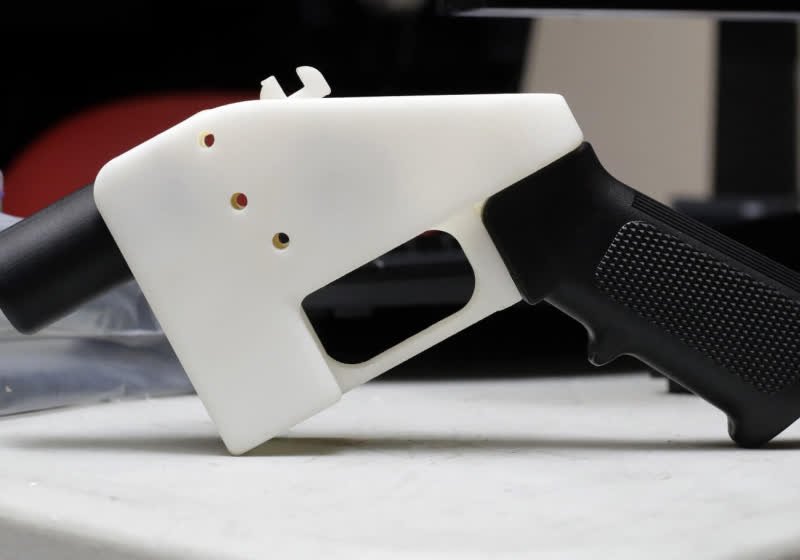
The core idea behind such legislation is to close gaps identified by law enforcement and policymakers where weapons could be produced without standard serialization, background checks, or regulatory oversight. 3D-printed firearms have drawn national attention in recent years due to the potential for individuals to download blueprints, print components at home, and assemble a firearm without typical controls. Colorado’s proposed bill seeks to address these concerns more comprehensively by criminalizing not only the act of printing a firearm but also the possession of the digital files needed to enable such production.
As with many policy efforts surrounding 3D-printed weapons, HB26-1144 sits at the intersection of public safety, technological innovation, and constitutional rights. Proponents argue that regulating digital files and manufacturing processes is essential to prevent untraceable firearms and curb crime. Opponents, however, worry about the implications for free speech, digital privacy, and the potential overreach of state power into legitimate maker activities. The bill’s language and fate in committee will likely influence broader debates over how to regulate digital designs and illicit or potentially dangerous content in an age of rapidly advancing personal fabrication technologies.
In-Depth Analysis
The bill’s approach represents a proactive attempt to plug regulatory gaps created by evolving fabrication technologies. By defining “3-dimensional printing” to include both additive manufacturing (such as fused deposition modeling and stereolithography) and subtractive manufacturing (most notably CNC milling), HB26-1144 aims to address a spectrum of methods through which firearms can be produced outside conventional manufacturing ecosystems.
A key aspect of the proposed framework is its emphasis on possession of 3D gun files. If enacted, individuals who possess digital designs—whether stored on personal devices, cloud services, or removable media—could potentially face penalties independent of whether they ever initiate the physical printing or manufacture process. This mirrors a broader policy trend in some jurisdictions to regulate possession of information that could facilitate the construction of illegal or untraceable weapons. The rationale offered by supporters is that controlling access to these digital files helps mitigate the risk of ghost guns—firearms assembled from parts without serial numbers or regulatory checks.
From a policy perspective, the bill attempts to address a difficult public safety problem: weapons that can be produced in ways that bypass traditional controls. The availability of downloadable 3D-printable gun designs has raised concerns among lawmakers and law enforcement about the ease with which a concealed or unregistered weapon can enter circulation. The bill’s proponents contend that mitigating both the distribution and possession of such files reduces opportunities for illegal procurement and manufacturing of firearms.
On the other hand, critics of HB26-1144 argue that regulating digital files could impinge on free expression and lawful fabrication and hobby activities. They raise concerns about overbroad definitions that could sweep in benign content or legitimate educational materials related to 3D printing and firearms safety. Additionally, there is worry about the potential chilling effects on makerspaces, tech education programs, and independent hobbyists who use 3D printing for a range of non-weapon-related projects. There is also an ongoing debate about how such a policy would be enforced, and whether law enforcement could credibly distinguish between innocent possession of gun design files and intent to manufacture a weapon.
Enforcement considerations are central to the bill’s potential impact. If codified, authorities would need clear enforcement mechanisms to determine “possession” of digital files that could be used to manufacture firearms. This raises questions about digital data—what constitutes a possession, how can copies be traced across devices and cloud platforms, and what constitutes intent to use the files for weapon construction? Policy experts often emphasize the importance of balancing public safety objectives with respect for digital privacy and the practicalities of enforcement in the digital age.
Another dimension involves the legal status of 3D-printed firearms themselves. While many jurisdictions regulate firearms through traditional channels—such as background checks for purchases, serialization requirements for certain firearms, and safe storage mandates—3D-printed guns complicate these regimes. Ghost guns can be assembled from components that avoid serialized serialization or tracing. HB26-1144 could be part of a broader strategy to ensure that both the data (the design files) and the resulting weapons align with existing or new regulatory expectations.
The bill’s fate will depend on the political dynamics within Colorado’s legislature, including committee deliberations, potential amendments, and votes. Public and expert testimony will likely address the bill’s scope, defining terms, potential collateral consequences, and alignment with constitutional protections. Given the rapid evolution of 3D printing technologies and their lawful applications, stakeholders will be keen to see whether the bill offers a precise, enforceable framework or introduces ambiguities that could undermine its effectiveness or lead to unintended consequences.
In considering the bill’s broader implications, it’s important to note that many states have pursued a range of strategies addressing 3D-printed firearms, including prohibitions on unfinished receivers, possession of downloaded blueprints, or requirements for serialization and traceability of firearms. The Colorado measure adds to this policy mosaic by targeting the possession of 3D gun files themselves, not merely the dissemination or manufacture of firearms. If successful, HB26-1144 could influence future legislative efforts in other states and potentially shape federal conversations about digital content regulation and firearm safety.
In the digital age, regulating possession of illicit or dangerous information raises complex questions about how to balance security with freedoms of expression and innovation. The bill thus sits within a broader nationwide conversation about how to address emerging technologies that enable weapon construction while preserving legitimate maker activities, education, and research.

*圖片來源:Unsplash*
Perspectives and Impact
Lawmakers and Public Safety Officials: Supporters believe the bill addresses a concrete threat by curbing access to digital designs that could be used to manufacture unregistered firearms. They argue that controlling possession complements existing regulations on firearm production and distribution, reducing the likelihood of ghost guns entering circulation.
Civil Liberties Advocates and Tech Communities: Critics caution that criminalizing possession of 3D gun files could infringe on free speech and information access. They warn about potential overreach, ambiguity in defining possession and intent, and the risk of entangling legitimate educational or research activities in criminal liability. Makerspaces, educators, and hobbyists may be concerned about how their work intersects with the law, particularly if cloud storage or cross-border sharing complicates compliance.
Law Enforcement: Agencies may view the measure as a tool to disrupt the illicit supply chain for ghost guns, especially where digital files enable rapid fabrication without regulatory checks. Implementation challenges include tracing digital copies, assessing intent, and distinguishing between legitimate use cases and illegal possession.
Industry and Platforms: Online marketplaces, software repositories, and 3D-print file-sharing platforms could encounter new compliance pressures. If possession becomes a prosecutable offense, platforms might need to implement stronger moderation and monitoring to prevent distribution of 3D gun files within Colorado or among Colorado residents.
The Public and Firearm Safety: Advocates of stricter gun control or safety measures argue that reducing access to the underlying designs lowers the risk of untraceable firearms. Opponents worry about potential civil liberties implications and the potential for drive-by enforcement that could disproportionately impact certain communities or technologists.
Future implications of HB26-1144, if enacted, may extend beyond Colorado. Other states could consider similar approaches, particularly those grappling with ghost guns and the challenges posed by downloadable designs. The federal landscape remains unsettled in several areas related to 3D-printed weapons and digital content, with ongoing debates about how to regulate digital files without stifling legitimate innovation or freedom of information.
The bill also invites broader dialogue about how to regulate digital content associated with weapon construction in a way that is precise and enforceable. If Colorado moves forward with the measure, policymakers will face questions about definitions (what constitutes a 3-dimensional printing file, a blueprint, or an incomplete design), jurisdictional reach (state-specific enforcement versus cross-border sharing), and the appropriate sanctions for possession. To be effective, any such law would need to provide clear guidance for prosecutors, judges, and the public about what constitutes illegal possession and what rights individuals retain when dealing with digital firearm designs.
In sum, HB26-1144 embodies a growing trend in state-level policymaking where digital and manufacturing technologies intersect with public safety concerns. The bill reflects ongoing efforts to address untraceable firearms and the potential risks posed by digitized weapon designs, while also highlighting the delicate balance between regulation and civil liberties in a technologically evolving landscape.
Key Takeaways
Main Points:
– Colorado HB26-1144 expands firearm regulations to include 3D printing and related manufacturing methods.
– The bill would criminalize possession of 3D gun design files, not just the act of printing.
– Debates center on public safety versus free speech and maker culture.
Areas of Concern:
– Potential overreach or vagueness in defining possession and intent.
– Impact on legitimate educational, research, and hobbyist activities.
– Enforcement challenges across digital platforms and devices.
Summary and Recommendations
If Colorado advances HB26-1144 toward enactment, the state would be among a subset of jurisdictions addressing 3D-printed firearms through a broadened regulatory lens that includes digital design possession. The measure aims to reduce untraceable firearms by curbing access to the files that enable home fabrication. However, the proposal raises significant questions about First Amendment implications, digital privacy, and the practicalities of enforcement in a digital ecosystem. A well-defined framework—clear definitions of what constitutes a 3D gun file, possession, and intent; explicit safe harbors for legitimate educational and maker activities; and robust guidance for platforms and practitioners—will be essential to minimize unintended consequences.
Stakeholders should monitor the legislative process, gather input from law enforcement, civil-liberties groups, educators, and the maker community, and consider developing compliance resources. If enacted, Colorado may set a precedent that influences both state and federal discussions about governing digital content related to weapon construction, as well as how to reconcile public safety goals with innovation and information freedom.
References
- Original: https://www.techspot.com/news/111433-colorado-bill-could-criminalize-possessing-3d-gun-files.html
- Additional references:
- Colorado General Assembly: HB26-1144 text and status (official bill page)
- National Conference of State Legislatures (NCSL) on ghost guns and related policy responses
- Brookings Institution analysis on 3D-printed weapons, regulation, and civil-liberties considerations

*圖片來源:Unsplash*