TLDR
• Core Points: Lego’s tech-enhanced Star Wars sets introduce smart bricks with audio features, but user experiences variably flare with quality, price, and practicality.
• Main Content: While the concept aims to blend physical play with digital sound, critics highlight disappointing audio performance, expensive kits, and questions about long-term value.
• Key Insights: Integration challenges, inconsistent brick responsiveness, and the premium nature of the product raise concerns about whether the intended play experience justifies the cost.
• Considerations: Potential buyers should weigh audio quality, durability, and the educational/creative value against price and niche appeal.
• Recommended Actions: Prospective buyers should try demos if possible, compare with standard LEGO sets, and monitor user reviews for firmware updates or new SKUs that address shortcomings.
Content Overview
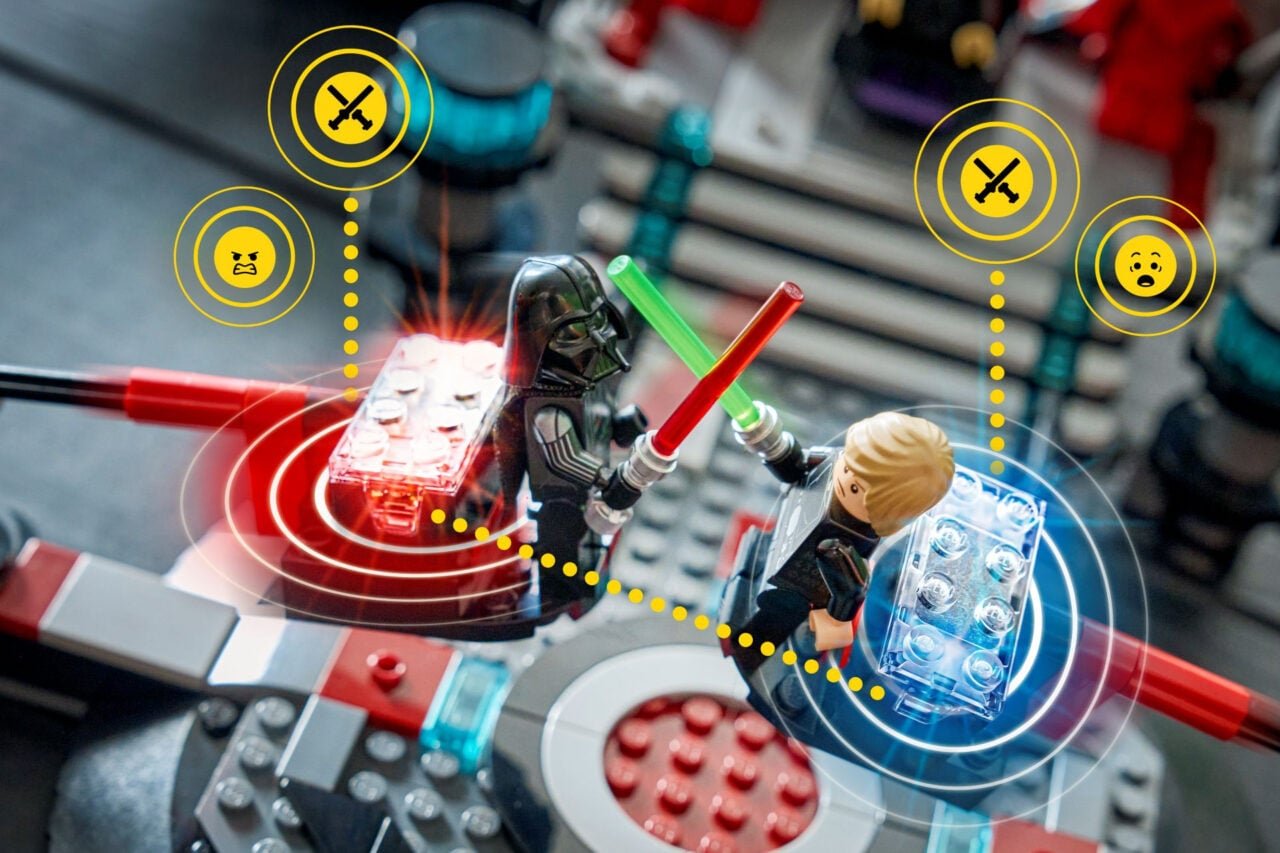
Lego’s recent push into tech-augmented play centers on a line of Star Wars-themed sets that incorporate “smart” bricks designed to interact with sound cues, voice apps, and digital storytelling elements. The initiative appears to be part of a broader industry trend: toys that merge traditional construction play with smart features, app connectivity, and programmable components. Lego positions these kits as a way to deepen engagement, letting builders hear character lines, ambient soundscapes, and story-driven audio as instructions and builds unfold.
However, early impressions from buyers and observers suggest a mixed reception. While the concept excites fans who want a more immersive, multimedia building experience, the practical execution—particularly regarding audio quality, battery life, and the overall value proposition—has drawn scrutiny. Critics argue that the premium price tag attached to these sets is not fully justified by the listening experience or the added complexity. In short, the smart brick concept aims high, but user feedback indicates that the implementation may fall short in essential areas.
This article surveys the rationale behind Lego’s Smart Play initiative, outlines how the audio-enabled bricks are intended to function, and assesses whether the consumer experience aligns with the brand’s reputation for quality and enduring play value. It also situates the product within broader market dynamics, including competing smart toys, the Star Wars license’s impact on pricing, and the evolving expectations of parents and older collectors who seek both nostalgia and innovation in their Lego purchases.
In-Depth Analysis
Lego’s strategy with Smart Play bricks centers on embedding audible content directly into the brick ecosystem. The premise is straightforward: as a child (or adult builder) engages with a Star Wars-themed set, the bricks or an accompanying control unit trigger sound quotes, battle sounds, background music, or spoken guidance that complements the building process and the narrative universe. This approach is designed to add a layer of interactivity that goes beyond visual and tactile construction. The company’s marketing emphasizes that this audio interactivity can enhance storytelling, character immersion, and incremental discovery—elements that can be particularly appealing to younger fans who respond to audiovisual cues.
However, several issues have been consistently raised in reviews and user feedback. First, the audio quality is a frequent point of contention. Some listeners find the sound muddled, tinny, or repetitive, with limited volume range that cannot compete with external speakers or modern multimedia devices. For families using the sets in shared spaces, inconsistent sound levels across different bricks or modules can disrupt the intended experience. In addition, some users report latency or lag between physical actions and audio cues, which can corrode the sense of immediacy that the set aims to deliver.
Second, the price-to-value proposition remains a critical concern. Lego’s Star Wars collaboration has historically commanded premium pricing, and the smart brick line is no exception. Buyers must consider not only the physical plastic pieces but also the embedded electronics, firmware, and licensing costs associated with Star Wars content. For many households, the incremental cost over standard sets may feel steep, especially if the perceived enhancement in play value is modest or inconsistent.
Third, durability and repairability are practical considerations. The embedded electronics introduce potential points of failure—battery degradation, speaker wear, or software glitches—that do not typically affect traditional Lego builds. This raises questions about long-term play value. Some parents report that replacing or repairing components can be challenging, particularly if parts are proprietary or require official service channels. In a hobby where longevity and reusability are core strengths, any sense of disposability or fragility with smart features can be a deterrent.
From a design perspective, the integration of smart elements with classic brick construction presents a balancing act. Lego must preserve the tactile appeal and modular flexibility that define its brand, while ensuring that electronics do not overly constrain creativity or complicate assembly. The current generation of sets appears to navigate this balance with mixed success. Some builders appreciate the added ambiance and character moments, while others find the audio experience distracting or repetitive, detracting from the pure building activity.
The Star Wars branding adds another layer of complexity. While the license attracts a broad audience, it also carries expectations about fidelity to the source material and the presence of familiar lines and scenes. If the audio content focuses on well-worn quotes or generic space battles rather than new or varied dialogue, some fans may feel the novelty wears off quickly. Conversely, for collectors and enthusiasts who value authentic soundscapes and narrative depth, the audio features could be a welcome supplement to the physical build—though they may still be overshadowed by price concerns.
Beyond individual product reception, the broader market context matters. The rise of augmented and virtual reality toys, app-connected kits, and other interactive play patterns has shifted parental expectations regarding what constitutes a valuable toy purchase. Consumers increasingly compare the perceived educational and creative benefits of a product against its cost and ongoing ecosystem requirements. In this environment, “smart” bricks must deliver consistent, high-quality experiences to justify their premium positioning, especially for a brand with a legacy of durable, long-term play value.
Given these dynamics, Lego’s Smart Play bricks sit at an intersection of nostalgia, innovation, and consumer risk. For some users who enjoy the novelty and storytelling potential, the sets offer a compelling new modality of play. For others, the audio quality, pricing, and durability tradeoffs make the investment seem less appealing. The ongoing reception will likely hinge on whether Lego issues refinements—whether through firmware updates, revised speaker components, or new content packs—that address user feedback without compromising the modular, build-first philosophy that underpins the Lego experience.

*圖片來源:Unsplash*
Perspectives and Impact
Industry observers view Lego’s Smart Play initiative as an important case study in the economics of licensed, tech-enhanced toys. The Star Wars license undoubtedly contributes to demand, but it also brings higher licensing costs, which are typically passed on to consumers. If Lego can demonstrate strong engagement with a broad age range, the payoff could manifest as repeat purchases, cross-set synergy, and a longer-than-average lifecycle for sets that otherwise would be viewed as mere collectibles.
From a developmental standpoint, the audio-enabled bricks could offer value beyond entertainment. For younger builders, sound cues might aid in sequencing, problem-solving, and narrative comprehension. For older fans, augmented play experiences can complement building sessions, enabling more immersive storytelling and social play with friends and family. Yet these benefits depend on reliability and accessibility. If the audio features demand frequent charging, internet connectivity, or app-based authorization, they risk alienating a portion of the user base that seeks straightforward, self-contained play experiences.
Accessibility considerations also come into play. Clear, well-produced audio can support children with evolving literacy or language development by providing audible cues and feedback during the assembly process. Conversely, if the audio content relies on quick memorizations of dialogue or assumes a particular level of listening fatigue, it may not be inclusive. Lego’s design choices in this space will influence how well these products support diverse learners and play styles.
Looking ahead, the continued evolution of smart bricks will likely depend on several factors. Technical improvements—better speakers, more consistent volume control, faster synchronization with physical actions—could enhance the perceived value of the audio layer. Content strategy will also matter: diversified soundscapes, dynamic storytelling, and episodic content could encourage longer-term engagement beyond a single build. firmware updates that fix bugs and expand compatibility with a range of devices could reduce friction for families who want to incorporate these sets into their existing play ecosystem.
Market competitors are not standing still. Other toy-makers experimenting with audio-augmented kits face similar trade-offs around price, durability, and content quality. Some push for open ecosystems that allow third-party content or more flexible programming, while Lego maintains a curated experience tied to its own design standards and safety guidelines. The balance between dimension of play—physical construction, storytelling, and digital interactivity—will likely define winners in the space over the next several years.
From a consumer standpoint, the smart brick approach reinforces a broader question in the toy industry: how much technology should be integrated into a traditionally hands-on activity? Lego’s answer here leans toward a strong narrative and sensory layer. Whether that layer can stand up to scrutiny—especially in light of price and reliability concerns—will influence not only the success of these Star Wars sets but also the broader appeal of tech-enhanced building kits as a category.
Key Takeaways
Main Points:
– Lego’s Smart Play bricks add audio-driven interactivity to Star Wars sets, aiming to deepen immersion.
– Audio quality, responsiveness, and potential latency are common user concerns.
– Premium pricing challenges perceived value, particularly when contrasts with traditional, non-electronic LEGO sets.
Areas of Concern:
– Inconsistent audio performance across bricks and modules.
– Durability and repairability of embedded electronics.
– Content strategy and licensing costs influencing overall value.
Summary and Recommendations
Lego’s venture into smart, audio-enabled bricks represents an ambitious attempt to fuse construction play with immersive storytelling. In practice, the strength of the concept depends on reliable, high-quality audio, durable hardware, and a compelling ongoing content strategy that justifies the price tag for a broad audience. Early feedback suggests mixed results: some enthusiasts enjoy the added dimension to storytelling, while others question whether the premium is warranted given the audio shortcomings and durability considerations.
For consumers contemplating one of these sets, a cautious approach is advisable. Consider trying a demo or seeking out verified user reviews that specifically address audio quality and build experience. Compare with standard Star Wars LEGO sets to gauge whether the added features meet your expectations for value. Monitor updates from Lego, including firmware improvements or new content packs, which could address initial concerns and enhance the long-term appeal. The Smart Play concept remains promising, but its ultimate success will hinge on iteration—how well Lego can refine sound, reduce latency, extend battery life, and deliver fresh, engaging content that sustains interest beyond the first build.
In the broader context, Lego’s smart bricks contribute to a continuing shift in toys toward hybrid physical-digital experiences. As families increasingly seek products that blend tactile creativity with interactive storytelling, the sector will likely see ongoing experimentation, with winners defined by those who offer durable hardware, meaningful content, and clear, demonstrable value at a reasonable price.
References
- Original: gizmodo.com
- Additional references:
- https://www.lego.com/en-us/about-us
- https://www.theverge.com/2023/11/lego-star-wars-smart-bricks-review
- https://www.cnet.com/tech/mobile/lego-star-wars-smart-bricks-review/

*圖片來源:Unsplash*