TLDR
• Core Points: Smart glass partitions blend openness with privacy in wellness spaces, leveraging adjustable opacity, energy efficiency, and modular design for flexible environments.
• Main Content: The approach centers on adaptable glass technologies, design considerations, and practical applications for therapy rooms, reception areas, and collaborative spaces.
• Key Insights: Privacy control, ambient lighting integration, sound management, maintenance, and cost implications shape implementation.
• Considerations: Building codes, safety standards, technology compatibility, and long-term operation costs require careful planning.
• Recommended Actions: Assess space goals, select appropriate smart glass tech, plan for control systems, and pilot with a small-scale installation before full rollout.
Content Overview
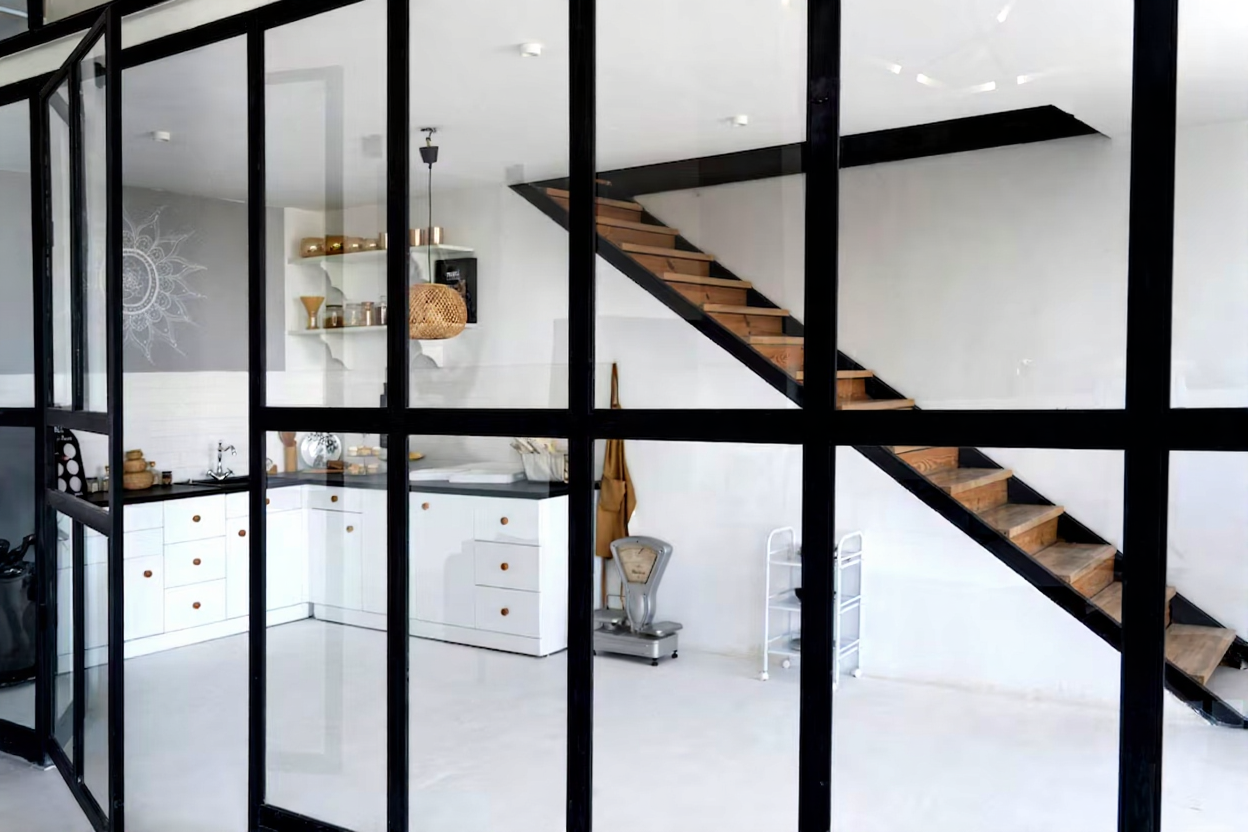
Modern wellness centers strive to create environments that feel airy and welcoming while still offering intimate privacy when needed. Traditional opaque walls or static glass can hinder the dynamic needs of wellness programs, group classes, private consultations, and restorative therapies. Smart glass partitions present a compelling solution by enabling spaces to transition between transparent and opaque states at the touch of a button or through automated controls. This technology, when integrated thoughtfully, supports flexible floor plans, improves acoustics and lighting, and enhances the overall user experience. The following article synthesizes current applications, benefits, and considerations for incorporating smart glass partitions into modern wellness centers, drawing on industry practices and design guidance relevant to spa, fitness, and therapeutic environments.
In practical terms, smart glass refers to glass panels whose opacity can be adjusted electronically. This capability is particularly valuable in wellness contexts where practitioners may need quick privacy shifts without enclosing spaces with heavy drapes or permanent walls. Beyond privacy, smart glass can contribute to energy efficiency by controlling solar gain and glare, support acoustic management through partition placement, and align with wellness design principles that emphasize biophilic elements, natural light, and adaptable spaces. The article explores several use cases, design strategies, and maintenance considerations that organizations should weigh when considering a smart glass upgrade.
In-Depth Analysis
Smart glass technologies come in several variants, each with distinct performance attributes, costs, and control mechanisms. The most common forms include:
Privacy Glass (SPD or switchable glass): This type uses suspended particle device (SPD) technology to transition from transparent to opaque with electrical input. It offers rapid privacy control, strong light control, and relatively straightforward integration into standard glazing systems. Applications in wellness centers include private treatment rooms, consultation spaces, and dynamic partition walls that can adapt to class sizes or therapy sessions.
Liquid Crystal Privacy Glass: This variant leverages liquid crystal molecules that reorient in response to electrical signals, changing light transmission. It provides clear visibility when activated and becomes frosted or opaque in the off state. It is well-suited for spaces requiring a high degree of privacy and a clean, contemporary aesthetic. However, power consumption and slower transition times compared to SPD solutions can be considerations in high-traffic areas.
Electrochromic Glass: Electrochromic (or “smart tint”) glass adjusts its tint level gradually to reduce glare and solar heat gain. While not inherently fully opaque, electrochromic glass can be tuned from clear to tinted, contributing to energy efficiency and comfort in sun-facing zones. For wellness centers with windows or glass walls facing outdoor environments, electrochromic glass can support daylighting strategies while maintaining occupant comfort.
Solar-Driven and Other Emerging Technologies: Ongoing research and development are expanding the palette of controllable glass options, including solar-modulated panels and advanced coatings that balance privacy, light, and acoustic performance. These solutions may be more specialized or cost-intensive but offer future-proofing opportunities for forward-thinking facilities.
Key benefits of smart glass partitions in wellness centers include:
– Privacy on demand: Quick opacity changes enable confidential consultations, spa treatments, or quiet study spaces without relocating occupants or setting up temporary screens.
– Flexible space planning: Reconfigurable partitions allow a single floor plan to support multiple programming scenarios, from intimate therapy rooms to larger group classes.
– Enhanced lighting control: Operators can regulate natural daylight, reduce glare, and create soothing ambiences aligned with wellness protocols.
– Aesthetics and branding: Sleek, minimal profiles pair with modern interiors to convey cleanliness, calm, and professional service.
– Accessibility and inclusivity: Transparent daytime layouts preserve visibility and wayfinding, while privacy modes offer discretion for sensitive conversations.
– Acoustic considerations: While glass is inherently not soundproof, strategic placement and the use of laminated or multi-layered glazing can improve sound attenuation in key zones.
Implementation considerations and best practices include:
– Space planning and zoning: Map out zones that require variability, such as treatment rooms, group spaces, reception, and staff areas. Determine which zones benefit most from rapid privacy toggling versus those that can rely on fixed partitions.
– Control strategies: Establish how users will operate the glass. Options include manual switches at accessible points, centralized control panels, or integration with building management systems for automation and occupancy-based adjustments.
– Safety and compliance: Ensure glass options meet safety standards for impact resistance and emergency egress. Consider tempered or laminated glass for durability and safety in high-traffic wellness environments.
– Durability and maintenance: Assess cleaning requirements, resistance to humidity and spa products, and the long-term reliability of the control electronics and coatings. Plan for servicing and replacements as needed.
– Aesthetics and integration: Align glass choices with interior materials, color palettes, and finishes. Consider frame profiles, edge treatments, and hardware that convey the desired level of luxury and cleanliness.
– Energy and comfort: Evaluate how smart glass affects heating, cooling, and lighting loads. Some configurations can reduce cooling loads by limiting solar heat gain while maximizing natural light.
– Budget and ROI: Weigh upfront costs of smart glass installations against ongoing benefits such as space efficiency, staff time saved, reduced need for mobile screens, and potential energy savings.
Perspectives and Impact
The adoption of smart glass partitions signals a broader shift in wellness design toward intelligent, adaptable environments. For modern centers, the ability to convert a single area into multiple microspaces supports personalized experiences, which may increase member satisfaction and utilization of facilities. This adaptability is particularly relevant in properties with limited square footage or evolving programming, where the same space must serve different modalities across the day.

*圖片來源:Unsplash*
From an operational standpoint, smart glass can streamline staff workflows. For example, front-desk processes can be simplified when waiting areas and treatment spaces can be reconfigured quickly to accommodate peak hours or special events. Instructors and therapists gain flexibility to adjust partitions to accommodate privacy during consultations while still enabling large-group activities when required.
However, there are challenges to consider. The initial capital expenditure for smart glass partitions is typically higher than traditional glass or fixed walls. Maintenance costs, replacement parts for control systems, and potential downtime during upgrades should be included in total cost of ownership analyses. Training staff and facility managers to operate and maintain the systems is essential to maximize value and ensure reliability.
In terms of user experience, the most successful implementations balance privacy with openness. A partially transparent design—where opacification can be raised to certain levels rather than fully opaque—can support wayfinding and social cohesion while still preserving confidential zones. The design should also address acoustics, as glass partitions alone do not guarantee quiet environments. Complementary strategies, such as soft furnishings, acoustic panels, and dedicated quiet rooms, help mitigate sound transmission and create restorative spaces.
Another key consideration is accessibility and inclusivity. When privacy modes are engaged, staff should ensure that occupants have access to appropriate signals or indicators indicating privacy status. This reduces miscommunication and helps align with service standards in wellness facilities that prioritize client comfort and dignity.
Future implications point toward deeper integration with building systems. Smart glass could be synchronized with occupancy sensors, ambient lighting, and climate controls to optimize comfort and energy use automatically. As wellness facilities increasingly emphasize personalized experiences, the ability to tailor room configurations to individual programs—therapy, meditation, movement, or private consultations—will be a critical differentiator.
Key Takeaways
Main Points:
– Smart glass partitions enable on-demand privacy and flexible space configuration in wellness centers.
– Multiple technologies (SPD, liquid crystal, electrochromic) offer different trade-offs in speed, opacity, and energy performance.
– Integrated control systems and thoughtful acoustics are essential for maximizing effectiveness and user comfort.
Areas of Concern:
– Higher upfront costs and ongoing maintenance for electronics and coatings.
– Safety, reliability, and compliance with building codes and accessibility standards.
– Acoustic performance depends on assembly quality and additional sound-damping measures.
Summary and Recommendations
For wellness centers considering smart glass partitions, a structured approach yields the best outcomes. Begin with a clear set of goals for privacy, space flexibility, and user experience. Conduct a site assessment to determine which zones will benefit most from adjustable opacity and how often spaces need to transition between configurations. Engage with reputable vendors to compare technologies, warranties, and service commitments, and request case studies from similar facilities to gauge performance in real-world settings.
A phased implementation is prudent. Start with a pilot project in a high-impact area—such as a therapy wing or multipurpose room—where the benefits of privacy and flexible scheduling are most pronounced. Evaluate user feedback, energy performance, and maintenance requirements after an initial period, then scale thoughtfully to other zones. Build a robust maintenance plan that covers cleaning protocols compatible with spa products, regular checks of control hardware, and a schedule for software updates.
Finally, ensure the design supports a holistic wellness experience. Smart glass should complement, not complicate, the atmosphere of calm and care that defines modern wellness centers. By combining adaptable glass with sound management, appropriate lighting, and comfortable interior elements, facilities can offer versatile spaces that meet diverse client needs without sacrificing the serene, restorative environment essential to wellness.
References
– Original: https://abeautifulspace.co.uk/smart-glass-partition-ideas-for-modern-wellness-centers/
– Additional references:
– https://www.agi.co.uk/what-is-smart-glass
– https://www.olsonwindows.com/blog/switchable-glass-privacy-benefits
– https://www.forbes.com/sites/andreidesilva/2023/11/15/the-rise-of-smart-glass-in-commercial-buildings/
Appendix: Product Review Table (Optional)
Not included as this is a broad design article, not a hardware product review.

*圖片來源:Unsplash*