TLDR
• Core Points: Smash books are a hands-on, collage-style approach to memory keeping that blends journaling, scrapbooking, and everyday ephemera for a tactile record of life experiences.
• Main Content: The guide explores what a smash book is, how it differs from traditional scrapbooks, materials and techniques to get started, and tips for maintaining a consistent, enjoyable process.
• Key Insights: A smash book emphasizes personal storytelling, spontaneity, and accessibility; it lowers barriers to journaling by repurposing existing keepsakes.
• Considerations: Keep expectations flexible, curate materials mindfully, and balance creativity with preservation to avoid clutter or damage.
• Recommended Actions: Gather basic supplies, choose a loose theme or concept, start with simple layouts, and gradually develop your own style and routine.
Content Overview
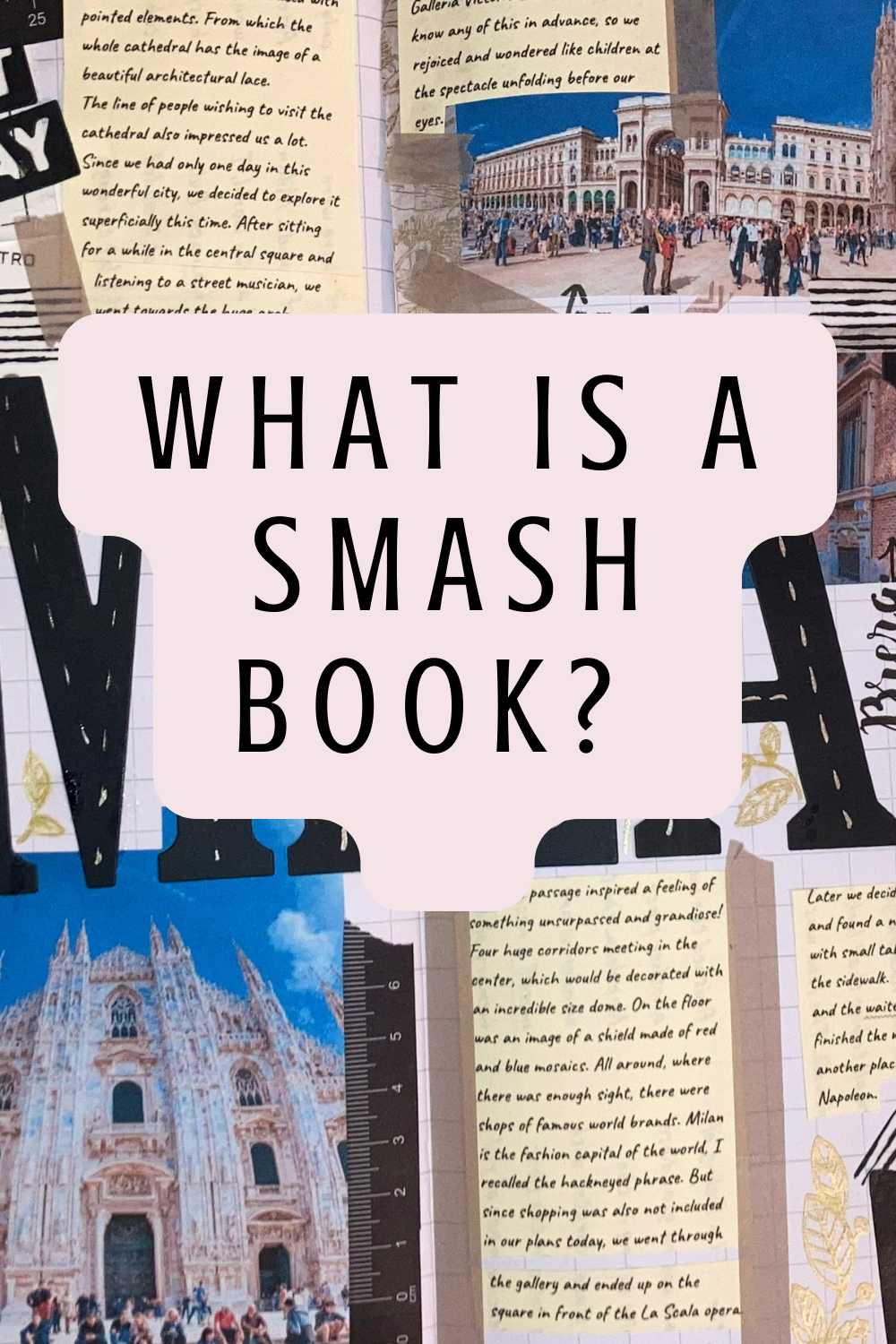
A smash book is a creative, informal method of memory keeping that blends aspects of journaling and scrapbooking. Unlike traditional scrapbooks, which often follow strict layouts, a smash book prioritizes spontaneity, storytelling, and accessibility. It invites you to collect and arrange mementos—such as photographs, ticket stubs, receipts, notes, pressed flowers, and other small treasures—and to weave them together with captions, doodles, stickers, and handwriting. The result is a tactile, collage-like record of life events, everyday moments, and personal reflections that feels intimate and personal.
The concept has grown in popularity among crafters and memory keepers who seek a less intimidating entry point into documenting memories. Smash books embrace imperfections and a “do-it-yourself” ethos, allowing for rapid assembly and iteration. They can be as simple or as elaborate as you like, and they often rely on repurposed notebooks, journals, or old scrapbooks. The core idea is to create a portable, accessible keepsake that captures the flavor of experiences through mixed media and hands-on techniques.
In practice, a smash book can be started with minimal planning. You collect ephemera as events occur, then paste or tape items into a notebook or sketchbook. You annotate with brief captions, dates, and memories, sometimes pairing two or more items to tell a story. Over time, the collection grows, forming a mosaic of memories that is uniquely yours. The portability of a smash book makes it easy to maintain alongside busy lives, and its casual nature can encourage more frequent reflection and documentation.
This guide aims to provide beginners with a clear understanding of what a smash book is, how it differs from other memory-keeping formats, and practical steps to start, maintain, and enjoy the process. It also touches on considerations such as materials selection, layout ideas, preservation tips, and the potential emotional and creative benefits of committing memories to a tangible, handmade book.
In-Depth Analysis
Origins and philosophy
Smash books emerged from a broader DIY and paper crafts movement that values personalization, accessibility, and imperfect, heartfelt outcomes. The philosophy behind smash books centers on storytelling over perfection. Rather than striving for pristine presentation, smash books celebrate the authenticity of life as it unfolds. This makes memory keeping more approachable for beginners and sustainable for long-term practice, as it aligns with the realities of busy schedules and the abundance of everyday mementos.
Materials and tools
A smash book project can begin with a simple notebook or journal. The essential tools are modest and affordable:
– A notebook or sketchbook with enough pages for expansion
– Adhesive options such as glue sticks, double-sided tape, or washi tape
– Scissors or a craft knife for trimming
– A selection of ephemera: photos, tickets, scrap paper, receipts, postcards, dried flowers, brochures, stickers, and journaling cards
– Pens, markers, or different inks for captions and doodles
– Optional embellishments: stickers, rub-ons, stamps, washi tapes, and decorative paper
The beauty of smash books is that you can repurpose items you already own. The focus is on easy access and quick assembly, rather than high-end materials.
Starting steps for beginners
1) Gather prompts and themes: If you’re unsure where to begin, choose a simple theme such as a month, a specific trip, or a collection of everyday moments (coffee runs, weekend adventures, or seasonal changes).
2) Collect mementos as you go: Save items that trigger memories or emotions. Don’t overthink what to include—let items surface naturally.
3) Create a standard page layout: Use a consistent method for attaching items (glue, tape, or washi) and a simple caption for context (date, location, a brief memory).
4) Layer and tell stories: Combine multiple pieces on a page to tell a story. Don’t worry about symmetry; asymmetry often adds visual interest.
5) Personalize with handwriting: Your penmanship and handwriting style contribute significantly to the book’s personality. Consider adding a few reflective lines or captions in your own words.
6) Preserve as you go: Use acid-free adhesives and consider light storage away from direct sunlight to protect photos and paper over time, though smash books are typically more casual and less archival than formal scrapbooks.
Layout ideas and techniques
– Quick prompts: “Today I felt X,” “A memory from Y,” or “What this moment means to me.”
– Collage blocks: Create small clusters of 3-5 items on a page with a unifying color or theme.
– Visual journaling: Sketch simple illustrations or abstract doodles that relate to the memory.
– Themed pages: Dedicate entire sections to events like a birthday month, a vacation, or seasonal changes.
– Interactive elements: Include pockets for loose items or fold-outs for longer stories.
– Minimal text: Use short captions, dates, or one-line reflections to complement visuals.
Practical tips for consistency
– Keep it lightweight: Choose a compact notebook and lightweight supplies to reduce friction.
– Schedule bite-sized sessions: Short, regular sessions (even 10-15 minutes weekly) help maintain momentum.
– Use a “working stash”: Maintain a small, portable kit so you can document memories wherever you are.
– Embrace imperfection: The charm of smash books lies in their imperfect, human touch rather than polished layouts.
– Document process as well: Include notes about your thought process, choices, and what each item represents.
Creative extensions
– Digital-physical hybrid: Supplement your smash book with digital copies of items or a companion blog or photo album for long-term preservation.
– Shared projects: Invite family or friends to contribute items or captions, creating a collaborative memory book.
– Thematic series: Build a series of pages around a specific idea (music, food, friends, seasons) to create cohesion over time.
– Minimalist approach: For those who prefer simplicity, a few well-chosen items per page can be striking and meaningful.
Common pitfalls and how to avoid them
– Overcollecting: It’s easy to accumulate more items than you can fit. Practice mindful selection focusing on items with strong memory associations.
– Fragile materials: Some items can be delicate. Use protective methods or lightweight laminates for longevity, if appropriate.
– Rigid plans: While having a theme helps, overly strict layouts can stifle spontaneity. Reserve space for serendipitous additions.
– Exhibition mindset: Smash books are meant to be used and enjoyed, not kept perfect in a display. Focus on the experience, not perfection.
Accessibility and inclusivity
Smash books are accessible to diverse ages and skill levels. They provide a welcoming entry point for beginners who might feel overwhelmed by traditional scrapbooking. The inclusive nature of smash books—encouraging personal storytelling and varied materials—allows people to express themselves in unique ways while honoring different cultural memories and rituals.
Emotional and cognitive benefits
Engaging in memory keeping through smash books can offer several benefits. It provides a tactile activity that can be soothing and meditative. Recalling and recording memories can reinforce cognitive connections, support emotional well-being, and create a sense of continuity and identity. The physical act of arranging items and writing captions can also be a form of reflection and self-expression, helping people capture moments they might otherwise forget.
Applications and audience
Smash books appeal to a broad audience, from teens and young adults to seniors seeking a low-stress craft. They work well as personal journals, gifts, or family keepsakes. Students and travelers can also adapt smash book techniques to document experiences, school projects, or road trips, turning ordinary artifacts into meaningful narratives.
Comparison with other memory-keeping formats
– Traditional scrapbooking: Typically more structured, with formal layouts and a stronger emphasis on presentation. Smash books prioritize spontaneity, personal voice, and everyday items, offering a more casual, accessible alternative.
– Journaling: Journaling focuses on written reflection, often in prose. Smash books blend text with visual elements, creating a multisensory record that combines narrative with imagery.
– Memory albums and photo books: These often rely on digital design and printed pages. Smash books celebrate physicality and hands-on assembly, emphasizing tactile interaction with materials.

*圖片來源:Unsplash*
Maintenance and longevity
While smash books are not designed to be archival-grade, practical steps can help preserve them:
– Use acid-free adhesives when possible to reduce paper degradation.
– Store in a cool, dry place away from direct sunlight to minimize fading and distortion.
– Consider protective sleeves for particularly fragile pages or items.
– Limit exposure to moisture and humidity to avoid warping or mold growth.
The value proposition
A smash book offers a low-pressure, high-joy approach to memory keeping. It invites people to collect, curate, and curate memories in a way that reflects personal style and daily life. The process itself can be as valuable as the finished book: it fosters reflection, creativity, and a tangible record of life’s moments, both big and small.
Perspectives and Impact
The rise of smash books signals a broader interest in tactile, personal forms of storytelling in a digital age. For many, the process of assembling a smash book is not merely about preserving memories but about slowing down, noticing details, and engaging with experiences more deliberately. This craft sits at the intersection of scrapbooking, journaling, and collage art, appealing to those who enjoy hands-on creativity without the constraints of formal design rules.
Educational and community implications
Smash books can be integrated into classroom and community programs as a literacy and creativity tool. Students can practice narrative skills by annotating items with captions, dates, and reflections. Community groups can share methods, exchange ephemera, and collaborate on large, themed memory books that reflect shared experiences. The collaborative and inclusive nature of smash books fosters social connection and intergenerational storytelling.
Cultural reflection and adaptation
Different cultures bring unique ephemera, symbols, and storytelling traditions to smash books. Adapting techniques to reflect cultural memories—such as traditional textiles, local events, or family heirlooms—can enrich the practice and broaden its appeal. The flexible nature of smash books makes it a suitable vessel for diverse memories and voices.
Future directions
As memory keeping evolves, smash books may incorporate more multimedia elements, such as embedded QR codes linking to audio recordings or digital photo galleries. The format could evolve to incorporate sustainable materials, eco-friendly adhesives, and modular layouts that allow for easy updates and changes. The core ethos—personal storytelling through hands-on, creative assembly—will likely remain central.
Potential research and practice questions
– How does the act of physically assembling memory materials influence recall and emotional processing compared to purely digital memory keeping?
– What are best practices for preserving mixed-media pages over time without sacrificing accessibility?
– How can smash books be adapted to accommodate accessibility needs, including larger text, tactile elements, and alternative media?
Key Takeaways
Main Points:
– Smash books are a flexible, informal form of memory keeping that blends journaling with collage and ephemera.
– The approach emphasizes storytelling, spontaneity, and accessibility, rather than formal design.
– Starting a smash book requires minimal tools and encourages consistent, short, regular sessions.
Areas of Concern:
– Potential for overaccumulation and clutter if not curated mindfully.
– Preservation challenges due to varying materials; consider basic protective considerations.
– The casual nature may lead to inconsistent documentation without a simple routine.
Summary and Recommendations
A smash book offers a welcoming gateway into memory keeping for people of all ages and skill levels. Its core strength lies in the combination of personal storytelling with tangible, mixed-media artifacts. Beginners can start simply: pick a notebook, gather a few items that trigger memories, and begin with short, captioned pages. As comfort grows, you can expand your toolkit, experiment with layouts, and incorporate more varied materials and techniques. The resulting book serves not only as a repository of moments but as a meditative, creative practice that can enhance reflection, identity, and connection with others.
To get the most from a smash book:
– Start small and stay consistent with short sessions.
– Curate items thoughtfully to maintain a cohesive and meaningful narrative.
– Balance creativity with preservation by using acid-free materials when possible.
– Allow your style to evolve: there is no “right” way to smash—your voice is the point.
– Consider sharing and collaborating to enrich the project with new perspectives.
If you’re curious about exploring creative memory keeping without the pressure of perfection, a smash book is an excellent option. It invites you to slow down, notice details, and celebrate the everyday moments that collectively shape your life story.
References
- Original: https://abeautifulspace.co.uk/what-is-a-smash-book-the-ultimate-beginners-guide/
- Additional references:
- A Beautiful Space – Memory Keeping and Smash Books: practical tips and starter ideas
- Craft blogs and journals on mixed-media scrapbooking and DIY journaling techniques
- Community craft forums discussing layout ideas, materials, and preservation tips
Forbidden:
– No thinking process or “Thinking…” markers
– Article starts with “## TLDR”

*圖片來源:Unsplash*