TLDR
• Core Points: Smart layout, compact gear, and clever storage choices maximize small laundry rooms without sacrificing style.
• Main Content: The article compiles 21 practical ideas that combine aesthetics with efficiency to transform limited laundry spaces.
• Key Insights: Vertical solutions, multi-functional units, and thoughtful lighting elevate small rooms, while durable materials and easy maintenance sustain long-term use.
• Considerations: Budget, existing plumbing/electrical, and the need to personalize with color and texture.
• Recommended Actions: Assess space, select modular or wall-mounted options, integrate proper lighting and ventilation, and choose durable finishes.
Content Overview
Small laundry rooms pose unique design challenges, but they also offer opportunities to create highly functional, visually appealing spaces. The 21 ideas gathered for this article emphasize maximizing storage, improving workflow, and maintaining a cohesive look that complements the rest of the home. The core approach centers on efficient layouts, smart storage solutions, and durable, easy-to-clean materials. By prioritizing vertical space, integrating multi-functional furniture, and selecting compact appliances, homeowners can transform cramped laundry areas into practical hubs that handle daily chores with ease.
The ideas span a range of strategies, from rethinking the layout and enforcing zone-based organization to choosing space-saving fixtures and creative storage accessories. Readers will find guidance on shelving, cabinetry, and countertop options that fit small footprints, along with tips for lighting, color schemes, and durability. The overarching message is that a small laundry room can be both organized and stylish when design choices are intentional, scalable, and tailored to the user’s routine.
In-Depth Analysis
A small laundry room presents both constraints and opportunities. The following detailed analysis breaks down the most effective strategies for maximizing space, improving usability, and enhancing the room’s overall look and feel.
1) Optimize Layout and Circulation
– Consider a linear, L-shaped, or galley layout to minimize wasted space. In tight rooms, keep appliances in a single line where possible for efficient loading and unloading.
– Create clear zones for washing, drying, folding, and storing. A well-defined workflow reduces back-and-forth movement and speeds up chores.
– If plumbing allows, consider a compact combination washer-dryer unit or stackable machines to free up floor space for shelves or a foldable ironing station.
2) Maximize Vertical Space
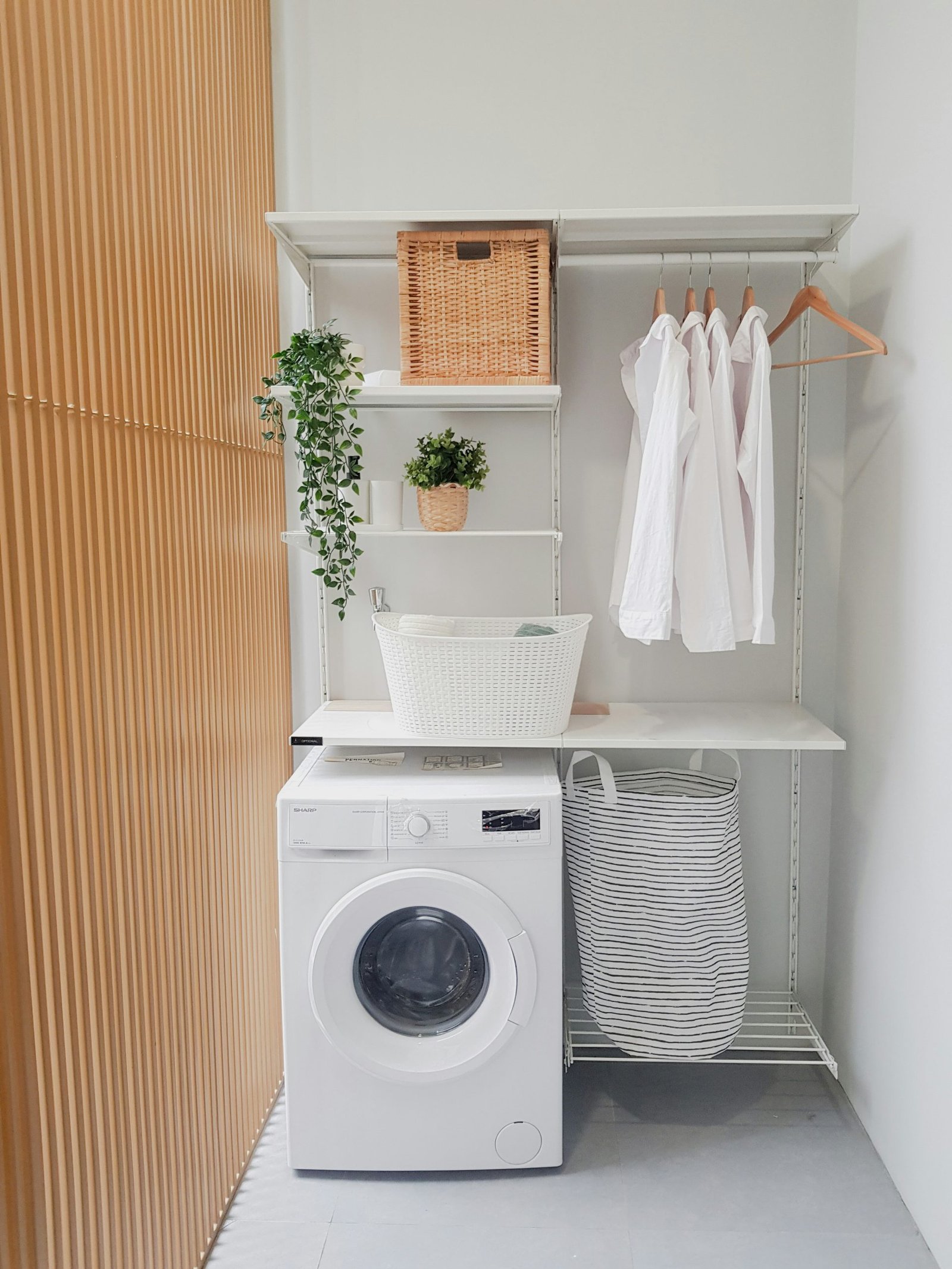
– Install tall, slim storage units or custom cabinetry that reach the ceiling. Take advantage of every inch by adding slim shelves above appliances for detergents, baskets, or seldom-used items.
– Use wall-mounted organizers, hooks, and pegboards for frequently used tools like lint rollers, stain removers, and brushes.
– Employ open shelving with baskets or bins to keep items accessible yet organized, maintaining a tidy look.
3) Multi-Functional Furniture and Fixtures
– Choose fold-down ironing boards, sliding hampers, or reusable fabric bins that tuck away when not in use.
– Use a countertop that spans across appliances to provide a dedicated folding area. If counter space is tight, a pull-out or drop-down counter can be practical.
– Consider a combo cabinet–sink unit in spaces where plumbing permits, which consolidates functions and reduces clutter.
4) Storage Solutions and Organization
– Inside cabinet doors, install slim organizers for detergents, dryer sheets, and small tools to keep the interior clutter-free.
– Use labeled containers for bulk detergents and color-coded baskets to simplify sorting (light, dark, towels, delicate fabrics).
– Incorporate a dedicated hamper or laundry sorting station, ideally near the entrance so laundry can be dropped off without navigating the entire room.
– Consider pull-out baskets or drawer organizers for smaller items such as clothespins, stain sticks, and brushes.
5) Durable and Easy-Care Materials
– Select water-resistant paint or tile that withstands humidity and occasional splashes.
– Choose counter materials that withstand moisture and stains, such as quartz or sealed butcher block, paired with a durable, wipeable backsplash.
– Install moisture-resistant flooring with appropriate grip to prevent slips and facilitate cleaning.
6) Lighting and Ventilation
– Layer lighting with ambient, task, and accent options. Under-shelf lighting provides functional illumination for folding and sorting.
– Ensure adequate ventilation to prevent mold and mildew. If an exhaust fan isn’t feasible, consider a dehumidifier or a vented dryer setup where appropriate.
7) Color and Aesthetic Cohesion
– Light, neutral colors can make small spaces feel larger, while purposeful pops of color through accessories or cabinetry add personality.
– Maintain consistent hardware finishes (brushed nickel, matte black, or brass) to unify the space and elevate the design.

*圖片來源:Unsplash*
8) Entry and Accessibility
– If possible, position the laundry area near bedrooms or common living spaces to minimize corridor traffic and make laundry tasks less burdensome.
– Install reachable storage and controls to reduce bending or stretching, improving accessibility for all users.
9) Maintenance and Longevity
– Choose finishes and fixtures that are easy to clean and age well. Durable door hardware, moisture-resistant cabinetry, and rust-resistant hardware extend the life of the space.
– Plan for easy replacements or upgrades as needs evolve, such as swapping a compact unit or adding more shelves without overhauling the room.
Overall, the concerted use of vertical space, compact appliances, smart storage, and high-contrast lighting can transform a small laundry room into a highly functional, stylish, and durable zone. The 21 ideas provided in the source guide span a spectrum from practical layout changes to decorative touches that keep the space organized and visually appealing.
Perspectives and Impact
Small-space laundry areas are increasingly common in urban living and open-plan homes, where efficient, well-designed utility rooms contribute significantly to daily life. The perspectives highlighted here emphasize that small does not have to mean cramped or drab. By adopting modular systems and scalable storage, homeowners can customize their laundry rooms to accommodate growing families, pet care needs, or dedicated cleaning supplies for seasonal wardrobes.
Future implications include broader adoption of modular cabinetry with adjustable shelves, higher quality compact appliances with better energy efficiency, and smarter organization systems that adapt as routines evolve. As homeowners demand more from limited spaces, designers may focus on integrated utilities, better moisture control, and more versatile work surfaces that can double as craft or laundry zones. The emphasis on durable materials, easy maintenance, and timeless design will likely shape how small laundry rooms evolve in the coming years.
Key Takeaways
Main Points:
– Maximizing vertical space and using modular, stackable solutions optimizes small laundry rooms.
– Multi-functional furniture and compact appliances enhance workflow without sacrificing storage.
– Durable finishes, strategic lighting, and cohesive aesthetics improve usability and longevity.
Areas of Concern:
– Plumbing and electrical constraints may limit appliance options.
– Budget considerations can constrain material and fixture choices.
– Personalization requires careful balance between style and practicality to avoid clutter.
Summary and Recommendations
To transform a small laundry room into a stylish, efficient space, start with a layout that minimizes wasted movement and leverages vertical storage. Invest in a combination of wall-mounted cabinetry, open shelving, and slim organizers to maximize capacity without overcrowding. Consider a compact or stackable washer-dryer setup if plumbing and power permit, or opt for a compact standalone unit paired with a sturdy countertop for folding and sorting. Lighting should be layered to ensure tasks are well lit, and ventilation or dehumidification should be addressed to maintain a fresh environment. Select durable, easy-care finishes and cohesive hardware to create a polished, longevity-focused space. Finally, tailor the design to your daily routines and storage needs, ensuring the space remains organized and enjoyable to use.
References
- Original: https://abeautifulspace.co.uk/21-laundry-room-ideas-for-a-small-space/
- 2-3 relevant reference links (based on article content)
- https://www.housebeautiful.com/room-decorating/laundry-rooms/
- https://www.apartmenttherapy.com/laundry-room-ideas-small-spaces-367743
- https://www.decorist.com/blog/laundry-room-ideas-small-space/

*圖片來源:Unsplash*