TLDR
• Core Points: Smash books are a hands-on, collage-inspired memory-keeping method that blends journaling, scrapbooking, and ephemera into a personal narrative.
• Main Content: They emphasize creative layering, accessible supplies, and a flexible approach that suits beginners while evolving with individual style.
• Key Insights: The practice centers on preserving memories in a tactile, visual way; it supports storytelling, organization, and emotional connection.
• Considerations: Materials choices, space and clutter management, and preserving longevity of keepsakes are important.
• Recommended Actions: Start small with a simple journal or notebook, gather favorite papers and mementos, and begin documenting memories with loose guidelines and personal flair.
Content Overview
Smash books have emerged as a popular entry point for memory keeping that blends the spontaneity of scrapbooking with the intimacy of journaling. Unlike traditional scrapbooks, which often follow rigid layouts and professionally printed pages, smash books invite experimentation, improvisation, and personal storytelling. The concept is accessible to beginners while offering depth for experienced crafters who want a more relaxed, tactile way to preserve life’s moments. This article provides a comprehensive guide to understanding what a smash book is, why people gravitate toward it, how to start, and how to maintain an evolving practice that can adapt to different life stages and aesthetic preferences.
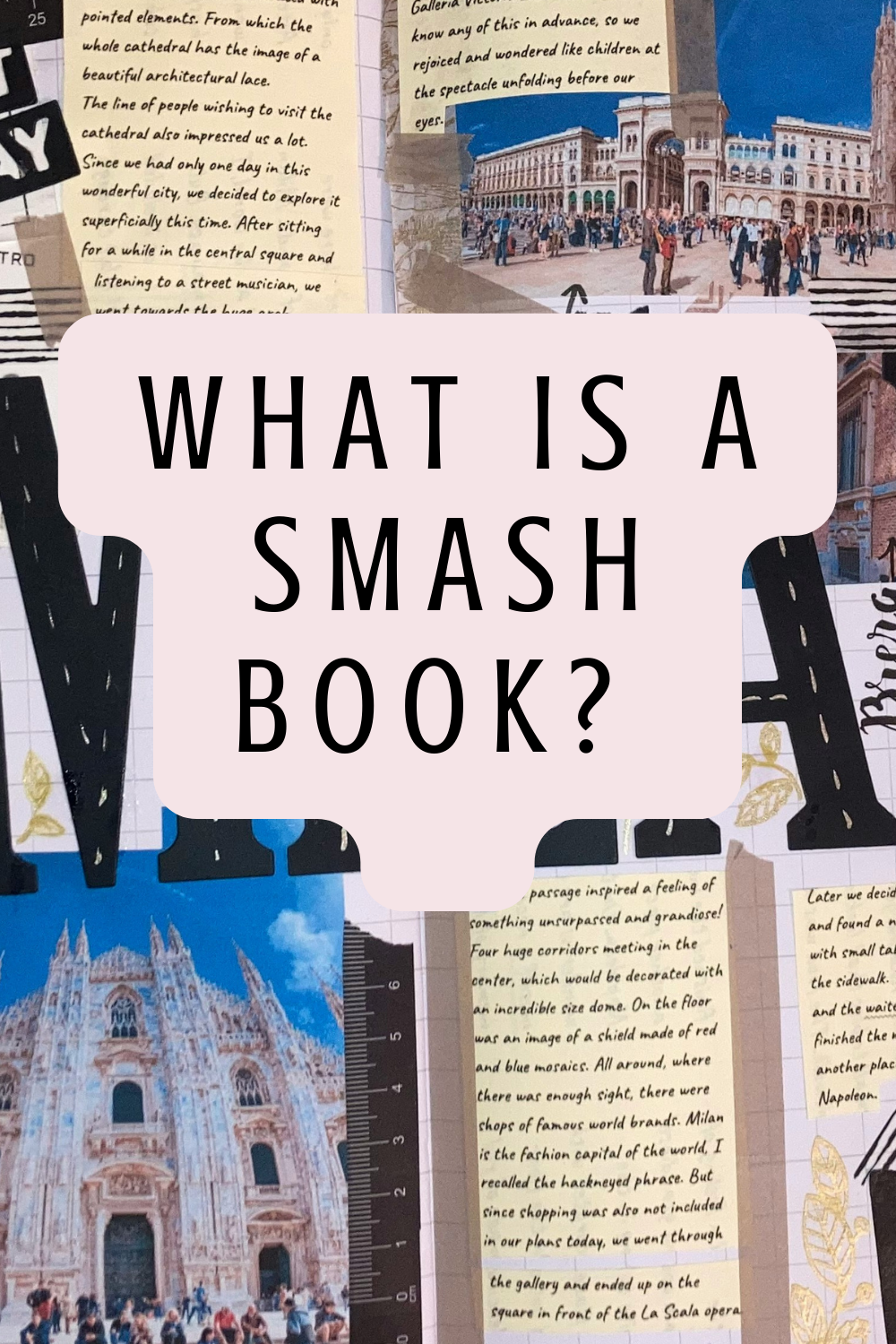
At its core, a smash book is less about perfection and more about capture. It centers on collecting photos, ticket stubs, letters, receipts, stickers, patterned papers, and small notes, then compiling them into a bound or loose-leaf journal. Pages are often layered with a collage-like approach: backgrounds built from scrapbook paper, overlays of washi tape, handwriting, and embedded artifacts. The result is a rich visual diary that tells a narrative beyond what a caption or photo alone could convey. For many, the process is as meaningful as the finished product, offering a space for reflection, creativity, and memory-keeping that feels personal and approachable.
The appeal of smash books lies in their flexibility. They’re designed to accommodate a wide range of materials and techniques. You can use a dedicated smash book, a plain notebook, or even repurpose an old journal. The supplies needed are typically affordable and accessible: glue or adhesive tape, scissors, a cutting mat, a variety of papers, scissors, pens, and a selection of small embellishments. The practice emphasizes variety—mixed media, hand-lettering, doodling, and the inclusion of everyday mementos—creating a tactile scrapbook that evolves with the creator’s life.
This beginner’s guide explores the essential concepts of smash books, how to compose a page, and how to maintain momentum without feeling overwhelmed. It also addresses practical considerations such as storage, archiving, and the longevity of different materials, ensuring that your smash book remains a cherished keepsake over time. Whether you are commemorating a travel adventure, documenting a year in review, or chronicling family milestones, smash books offer a creative, customizable framework for memory keeping.
In-Depth Analysis
A smash book functions as a dynamic repository for memories, combining narrative and imagery in an accessible format. Instead of a linear, photo-heavy scrapbook, smash books encourage a more playful, collage-based layout that emphasizes storytelling through layers, texture, and material variety. This approach can be especially appealing for beginners who might feel daunted by the precision required in traditional scrapbooking. The emphasis on creativity over perfection helps individuals engage with memories in a more relaxed, exploratory way.
The materials used in smash books are intentionally diverse. A typical page might incorporate a background of patterned paper or a painted wash, with layers of ephemera such as ticket stubs from a concert, a pressed flower from a park visit, a handwritten note, a sticker, or a small printout. The layout can be symmetrical or deliberately chaotic, depending on the creator’s mood and the story being told. The goal is to capture the essence of events and emotions in a visually compelling, tactile format that can be revisited and reinterpreted over time.
For newcomers, beginning with a simple framework can ease the learning curve. Choose a journal or notebook with appropriate page thickness to handle glue and layers. Gather a modest supply set: scissors, adhesive (glue sticks or double-sided tape), a selection of papers (plain, kraft, and patterned), a few pens or markers, and a small assortment of embellishments (stickers, washi tape, labels). Start with a single memory or theme—such as a weekend trip or a favorite meal—and create a page that juxtaposes photos or mementos with short captions or observations. As comfort grows, expand into varied textures and more complex compositions, always prioritizing readability and emotional resonance over technical precision.
One of the key benefits of smash books is their adaptability. They aren’t restricted to a fixed page count or a strict layout template. If a memory requires a large, bold page, you can dedicate space to it. If a moment is fleeting, a small, intimate page or even a pocket insert can capture it. This flexibility makes smash books suitable for a wide range of memory-keeping goals, from daily reflections to major life events. Additionally, smash books can be collaborative projects—family members can contribute elements or add their own pages, turning the book into a shared keepsake.
Preservation is a practical consideration for smash books. Because pages often incorporate mixed media and various types of paper, it’s important to consider how materials age together. Acid-free papers, archival adhesives, and careful storage away from light and moisture can help prolong the life of your smash book. Some creators choose to photograph or scan pages for digital backups, ensuring that memories are preserved even if physical elements deteriorate over time. The choice of materials can influence the book’s longevity, so it’s worthwhile to research options and test a few adhesives to determine what works best with your preferred substrates.
Beyond the mechanics of page construction, smash books encourage a narrative approach to memory. Each page can tell a mini-story: the setting of a moment, the people involved, the emotions felt, and the small details that bring a memory to life. This storytelling aspect differentiates smash books from straightforward photo albums. It invites reflective practice, helping individuals articulate what mattered about a moment and why it remains significant. For some, the process also functions as a form of creative therapy—a space to process experiences, celebrate achievements, or simply slow down in a fast-paced world.
Teachers, students, and workplace teams may also find value in smash books as a flexible documentation tool. In educational settings, students can capture learning experiences, project progress, and field trip memories in a visually engaging format. In professional contexts, teams might create smash books to document milestones, brainstorm outcomes, or record feedback and lessons learned. The core idea remains consistent: transforming disparate bits of information into a cohesive, accessible, and meaningful record.
Technology’s impact on smash books is nuanced. While digital memory-keeping tools offer convenience and searchability, many people find that the tactile, hands-on nature of physical smash books creates a stronger emotional connection. The process of selecting physical items, arranging them on a page, and physically handling the book can evoke memory more vividly than a digital entry. That said, there is room for hybrid approaches: printing digital photos and scans for inclusion, or maintaining an accompanying digital log or PDF version of the smash book for easy sharing and archiving.
Styling and personal voice differentiate smash books. Some creators lean toward a clean, minimalist approach with generous white space and carefully chosen accents. Others embrace maximalism, layering papers, textures, and ephemera to create dramatic, collage-rich pages. The beauty of smash books is that there is no single “correct” style; the best pages reflect the creator’s personality and emotional connection to the memories they preserve. As a beginner, it can be helpful to experiment with a few pages in different styles before settling into a preferred approach.
Practical tips for getting started include setting realistic goals, organizing materials, and establishing a routine that feels enjoyable rather than burdensome. Start with a small radius of memories—perhaps a week, a trip, or a specific event—and collect related items gradually. Create a simple page structure, such as a background, a central image or memento, a few captions, and a couple of decorative elements. As you gain confidence, you can introduce more layers, textures, and journaling. Remember that consistency matters more than complexity: regular engagement with your smash book yields a richer, more cohesive memory record over time.

*圖片來源:Unsplash*
Finally, dealing with clutter and overflow is a common concern. Smash books can accumulate a lot of ephemera quickly, so it’s wise to curate materials thoughtfully. Use pocket pages, envelopes, or clear sleeves to organize loose items and prevent overstuffing pages. Designate a storage system for papers, stickers, and adhesives, and periodically review your collection to keep the project manageable. Maintaining a balance between abundance and readability ensures that the smash book remains a joy to create and a pleasure to revisit.
Perspectives and Impact
Smash books occupy a unique niche in the memory-keeping landscape by marrying the immediacy of journaling with the visual appeal of scrapbooking. Their appeal spans generations, appealing to both traditional craft enthusiasts and digital-native creators who want a tangible, hands-on project. The approach lowers the barrier to entry for memory keeping: you don’t need expert design skills or expensive supplies to begin, and you can tailor each page to reflect your personal story.
The impact of smash books extends beyond personal satisfaction. They foster mindfulness by encouraging deliberate selections of what to include and how to present it. The act of assembling a page prompts reflection on the significance of events, relationships, and milestones, turning memory preservation into a purposeful practice rather than a passive record. For families, smash books can become a collaborative archival project, capturing multiple perspectives and voices in one shared artifact.
As a cultural practice, smash books intersect with broader trends in DIY culture, maker communities, and the renewed interest in analog experiences in a digital world. They offer an antidote to fast, superficial digital content by inviting users to slow down, engage with physical materials, and invest time in crafting a meaningful keepsake. The practice also supports skills development, including design sensibility, color theory, handwriting, and basic archival awareness, which can be valuable in other creative or organizational endeavors.
Looking ahead, the smash book movement could continue to evolve through community-building and resource sharing. Online platforms and local craft groups provide spaces to exchange ideas, templates, and techniques, helping newcomers learn from seasoned practitioners. Innovations in materials—more sustainable papers, archival adhesives, and reusable page elements—could enhance longevity and reduce waste. Additionally, hybrid approaches that blend digital archiving with physical pages may broaden access and preservation options for diverse audiences.
The future of memory keeping may see smash books expanding into themed series, collaborative family projects, or educational applications that integrate memory literacy into curricula. As people seek meaningful ways to document daily life, smash books offer a flexible, intimate format that honors personal narratives, fosters creativity, and creates tangible records that can be passed down through generations.
Key Takeaways
Main Points:
– A smash book is a flexible, collage-inspired memory-keeping journal blending journaling, scrapbooking, and ephemera.
– It prioritizes storytelling, personal voice, and tactile engagement over strict layout perfection.
– It’s accessible to beginners, with scalable materials and techniques, and suitable for collaborative or solo projects.
Areas of Concern:
– Material longevity and preservation require careful material choices and storage.
– It can become cluttered if not organized, so practical systems are helpful.
– Consistency in engagement improves the richness of the memory record over time.
Summary and Recommendations
A smash book offers an approachable, creative pathway to preserve memories in a physical, visually engaging form. Its strength lies in flexibility: beginners can start with simple pages and gradually expand to more complex layouts, while more experienced crafters can experiment with bold layering and mixed-media techniques. The practice emphasizes storytelling and personal connection, encouraging you to capture moments with intention and care rather than striving for perfection.
To begin, select a suitable journal or notebook and assemble a modest, versatile kit that includes a range of papers, glue, scissors, pens, and a small collection of embellishments. Start with a single memory or theme, and craft a page that combines imagery with brief captions or notes. As you gain confidence, broaden your approach to include different textures, layouts, and ephemera, always prioritizing readability and emotional resonance.
Practical considerations include mindful material choices to protect longevity, a simple organization system to manage supplies, and optional digital backups for peace of mind. Engage in smash booking as a weekly or monthly practice to build momentum, and consider collaborative projects with family or friends to enrich the narrative tapestry of your memory book.
Whether you want to document a travel adventure, record a year in review, or preserve family milestones, smash books provide a forgiving yet expressive framework for memory keeping. The end result is not merely a collection of mementos but a vivid, layered story of life as you experienced it — crafted by hand and preserved for future reflection.
References
- Original: https://abeautifulspace.co.uk/what-is-a-smash-book-the-ultimate-beginners-guide/
- Additional references:
- A guide to scrapbooking and memory keeping basics
- Tips for preserving paper ephemera in scrapbooks
- Creative journaling and mixed-media techniques for beginners
Forbidden:
– No thinking process or “Thinking…” markers
– Article starts with “## TLDR” as requested

*圖片來源:Unsplash*