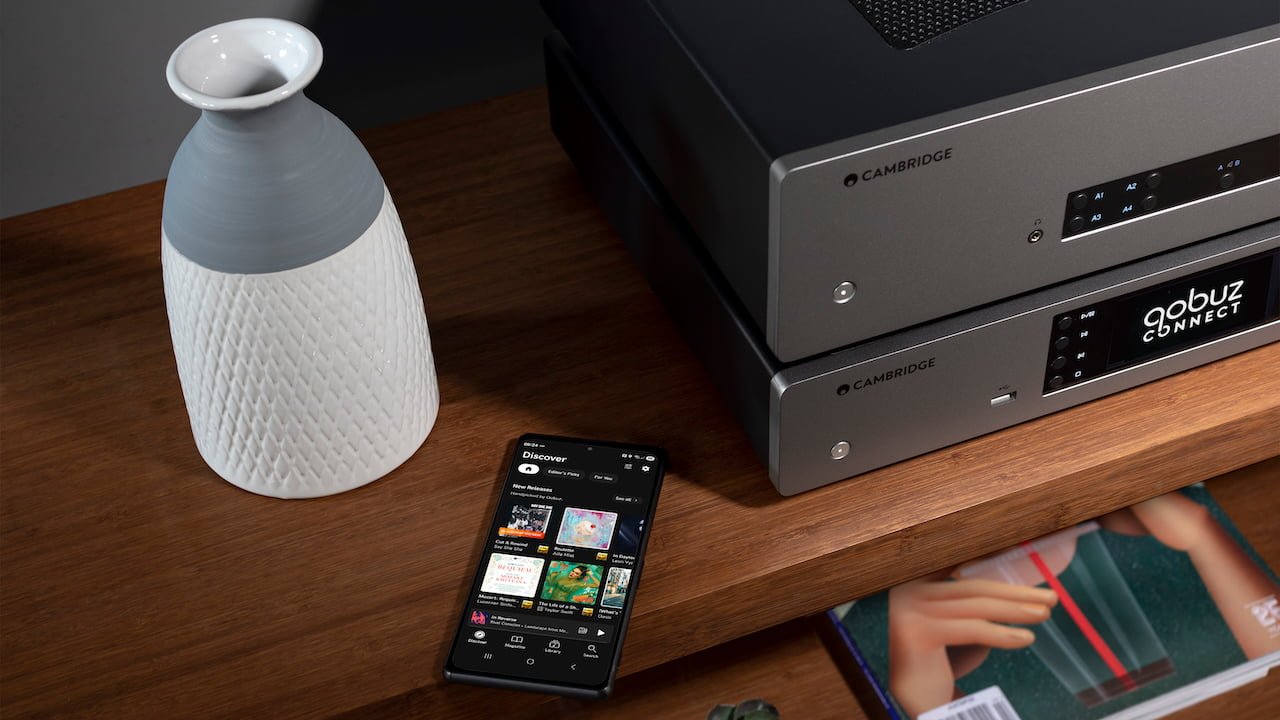
TLDR
• Core Points: Qobuz Connect is now available on Cambridge Audio StreamMagic Gen 2 and Gen 3 through a firmware update, bringing high-resolution streaming to legacy devices.
• Main Content: The update enables direct access to Qobuz’s streaming catalog on older Cambridge Audio streamers, enhancing user experience without requiring new hardware.
• Key Insights: This move expands Cambridge Audio’s ecosystem compatibility and emphasizes ongoing support for legacy devices in the streaming era.
• Considerations: Users should verify compatibility with their specific unit and ensure the latest firmware is installed for optimal performance.
• Recommended Actions: Update your StreamMagic Gen 2 or Gen 3 firmware, then sign in to Qobuz to enjoy integrated streaming.
Content Overview
Cambridge Audio’s StreamMagic platform has long been a cornerstone for enthusiasts who value high-fidelity digital playback. The Gen 2 and Gen 3 models represent a lineage of network players and streamers that delivered flexible playback options, high-quality DAC performance, and robust multi-room capabilities. Historically, Qobuz—renowned for its high-resolution streaming catalog—was not natively available on these older generations. However, a recent firmware update brings Qobuz Connect to StreamMagic Gen 2 and Gen 3, enabling direct access to Qobuz’s catalog on legacy Cambridge Audio devices. This development is part of a broader industry trend: manufacturers extending streaming services to existing hardware through software updates, thereby increasing the longevity and value of older products.
The significance of this update lies in its potential impact on the user experience. Qobuz offers a wide selection of lossless and high-resolution tracks, often at competitive pricing, which aligns with audiophiles’ expectations for sound quality. By integrating Qobuz Connect into StreamMagic Gen 2 and Gen 3, Cambridge Audio provides a more seamless and cohesive streaming experience, reducing the need for additional devices or workarounds. For owners of these legacy devices, the update represents an upgrade in practical functionality, allowing them to access a broader library of music with improved convenience and performance.
From a technical perspective, firmware updates are a cost-efficient avenue for manufacturers to extend features without altering the hardware. For Cambridge Audio, delivering Qobuz Connect through StreamMagic ensures users can maintain a consistent user interface and control experience across Cambridge Audio’s ecosystem. The update process typically involves downloading the latest firmware via the device’s settings menu, followed by installation and a system reboot. Once installed, users can navigate to the Qobuz service within StreamMagic, sign in with their Qobuz account, and begin streaming in high-quality formats supported by the device.
This development also reflects the broader importance of partnering ecosystems in the streaming era. Service integrations are a critical factor for consumer satisfaction, as users increasingly expect a single, cohesive interface for discovery, playback, and library management. By enabling Qobuz on Gen 2 and Gen 3 devices, Cambridge Audio reinforces its commitment to an expansive, flexible ecosystem, helping maintain relevance for older hardware in a market that continually emphasizes streaming versatility and software-driven features.
In addition to practical benefits, this update may influence the second-hand market for Cambridge Audio devices. Prospective buyers often evaluate streaming capability when assessing used equipment. An active Qobuz integration can be a persuasive selling point, potentially stabilizing resale value and broadening the pool of interested buyers who seek modern streaming options without purchasing new hardware.
Overall, the news underscores a shift in the audio industry toward extending software features to existing hardware. For Cambridge Audio and its users, the Qobuz Connect update on StreamMagic Gen 2 and Gen 3 marks a meaningful step in preserving functionality, improving access to music catalogs, and sustaining the relevance of legacy devices in a rapidly evolving streaming landscape.
In-Depth Analysis
The introduction of Qobuz Connect to Cambridge Audio’s StreamMagic Gen 2 and Gen 3 via a firmware update is a strategic move that serves multiple stakeholders: the manufacturer, the service provider (Qobuz), and the end user. From Cambridge Audio’s standpoint, extending support to legacy devices demonstrates a customer-centric approach that prioritizes longevity and practical value. It reduces the proliferation of “obsolete” hardware and aligns with a broader industry emphasis on sustainable product ecosystems.
For Qobuz, integration into Cambridge Audio’s established streaming platform broadens its reach to a consumer segment that may have previously encountered barriers to access. Qobuz’s catalog, known for its emphasis on 24-bit FLAC and high-resolution audio options, becomes more accessible to listeners who own older Cambridge Audio gear but desire an updated streaming experience. This can bolster Qobuz’s subscription base among audiophiles who appreciate premium sound quality but do not want to replace their existing hardware.
From a user experience perspective, the firmware update consolidates control and playback within a familiar interface. StreamMagic’s user interface, already optimized for Cambridge Audio devices, can manage Qobuz content alongside other supported services, metadata, and streaming settings. This convergence simplifies setup and reduces the cognitive load involved in switching between apps or devices. In practical terms, users will typically update the device, access the Qobuz service through the StreamMagic menu, sign in with their Qobuz credentials, and begin streaming. The experience is designed to be as frictionless as possible, maintaining Cambridge Audio’s emphasis on intuitive navigation and reliable performance.
However, some considerations accompany this development. The availability of Qobuz Connect on Gen 2 and Gen 3 depends on the firmware version and the streaming capabilities of the hardware, including supported sample rates and file formats. It’s essential that users verify compatibility with their specific model, ensure their device has a stable network connection, and confirm they have an active Qobuz subscription. Network reliability, NAS-based libraries, and remote control functionality can influence perceived performance. While the Gen 2 and Gen 3 devices retain competitive DACs and streaming capabilities, the actual audio quality will also depend on the digital-to-analog conversion stage, as well as pre-existing amplification and speaker systems.
From a technical perspective, the firmware update likely includes changes to StreamMagic’s service aggregator, enabling Qobuz authentication, library access, and streaming pipelines to route through the device’s digital outputs. The integration must also account for user account management, licensing terms, and any potential copyright-related constraints that affect metadata and catalog access. The update should ideally preserve CD-quality streaming options and any available high-resolution formats that Qobuz supports on compatible endpoints.
Future implications of this move extend beyond the immediate user base. As streaming platforms continue to evolve, more manufacturers are incentivized to deliver software-driven enhancements to older hardware. This trend can foster a more sustainable market where devices retain functionality and value longer. It also raises expectations among consumers for ongoing software support, even after hardware purchase. If Cambridge Audio’s strategy proves successful, other brands may follow suit, potentially pushing service providers to expand compatibility with a wider array of legacy devices.

*圖片來源:Unsplash*
Additionally, this update has potential market implications for Cambridge Audio’s product pipeline. If customers respond positively to the Qobuz Connect feature on Gen 2 and Gen 3, Cambridge Audio may consider updating other models with similar firmware-enabled services or expanding partnerships with additional streaming providers. Such moves could help the brand maintain relevance in a highly competitive field where software experience is a critical differentiator.
From a broader industry vantage point, this news aligns with the ongoing effort to unify streaming experiences across diverse hardware. The trend toward cross-brand compatibility, continuous software updates, and service integrations reflects consumer expectations for seamless access to music libraries, irrespective of hardware age. It also highlights the importance of robust update channels, clear documentation, and user-friendly installation processes to minimize friction and maximize adoption rates.
In summary, the Qobuz Connect firmware update for Cambridge Audio StreamMagic Gen 2 and Gen 3 represents a pragmatic enhancement that benefits users seeking high-quality streaming on legacy hardware, strengthens Cambridge Audio’s ecosystem strategy, and reinforces the broader movement toward software-driven longevity for audio devices. By providing direct access to Qobuz’s catalog through a familiar interface, Cambridge Audio helps ensure that cherished old gear can continue to deliver modern streaming experiences without immediate hardware replacement.
Perspectives and Impact
- Consumer perspectives: Owners of StreamMagic Gen 2 and Gen 3 devices now enjoy expanded music access without purchasing new hardware. The update lowers barriers to high-fidelity streaming, particularly for those who value Qobuz’s catalog and sound quality.
- Manufacturer perspective: Cambridge Audio demonstrates a commitment to post-sale support, which can improve brand loyalty and perceived value. It also encourages users to stay within the Cambridge ecosystem, potentially increasing opportunities for future service integrations.
- Service-provider perspective: Qobuz gains exposure to a broader audience and reinforces its positioning as a premium streaming option, especially among audiophiles who operate legacy gear. This can drive subscription growth and deeper catalog engagement.
- Market implications: The approach signals that software updates can be a more economical and sustainable path to extending hardware relevance. If successful, more brands may adopt similar strategies, promoting a more resilient second-hand market and extended device lifecycles.
- Future considerations: Continued collaboration between audio brands and streaming services will likely yield more cross-compatibility solutions. Users should anticipate further updates that broaden service compatibility, quality metrics, and discovery features across a wider range of devices.
Key Takeaways
Main Points:
– Qobuz Connect is now available on Cambridge Audio StreamMagic Gen 2 and Gen 3 through a firmware update.
– The update expands streaming options for legacy Cambridge Audio devices, integrating Qobuz into the StreamMagic interface.
– This move emphasizes software-driven longevity and ecosystem compatibility for older hardware.
Areas of Concern:
– Compatibility specifics (certain regions, firmware prerequisites, and sample-rate support) should be verified by users.
– Network reliability and correct account setup are crucial for optimal streaming performance.
– The update’s long-term impact on resale value and future support remains to be seen.
Summary and Recommendations
The rollout of Qobuz Connect to Cambridge Audio’s StreamMagic Gen 2 and Gen 3 marks a notable advancement in the ongoing effort to keep legacy audio hardware relevant in the streaming era. By embedding Qobuz’s extensive catalog within the StreamMagic ecosystem, Cambridge Audio provides a smoother, more cohesive user experience for those who own older devices. For consumers, the update offers an opportunity to enjoy high-quality music streaming without the need for a hardware upgrade, aligning with growing expectations for long-term software support.
To maximize the benefits of this update, users should take the following steps:
– Ensure their Cambridge Audio StreamMagic Gen 2 or Gen 3 device has the latest firmware that includes Qobuz Connect support.
– Create or sign in to a Qobuz account within the StreamMagic interface and verify subscription status.
– Confirm network stability and bandwidth to handle high-resolution streaming, particularly if using lossless formats.
– Explore the Qobuz catalog within StreamMagic to assess how the user’s listening preferences align with the available content and recommended playlists.
Looking ahead, the integration serves as a model for extending service capabilities to existing hardware. If Cambridge Audio sees positive response and continued adoption, similar updates could become more common across brands, further blurring the line between new hardware purchases and software-enabled enhancements. For enthusiasts who prize sonic quality and catalog breadth, the Qobuz Connect update on Gen 2 and Gen 3 offers a compelling reason to revisit or maintain their Cambridge Audio setups rather than shopping for an upgrade.
References
- Original: https://www.ecoustics.com/news/qobuz-connect-streammagic/
- Additional references:
- Cambridge Audio official firmware update notices and StreamMagic service pages
- Qobuz official announcements and compatibility guides
- Industry analysis on software-led upgrades for legacy audio hardware
Forbidden:
– No thinking process or “Thinking…” markers
– Article must start with “## TLDR”

*圖片來源:Unsplash*