TLDR
• Core Points: Smash books capture memories in a creative, non-traditional scrapbook format combining ephemera, journaling, and doodles.
• Main Content: The guide explains purpose, materials, layout ideas, and practical steps to start a smash book for beginners.
• Key Insights: Accessibility, flexibility, and personal storytelling define smash books; they blend memory keeping with everyday creativity.
• Considerations: Choose quality materials, set realistic goals, and balance clutter with readability; consider digital backups.
• Recommended Actions: Gather basic supplies, decide on a theme or event, start with a simple page, and gradually build a personal system.
Content Overview
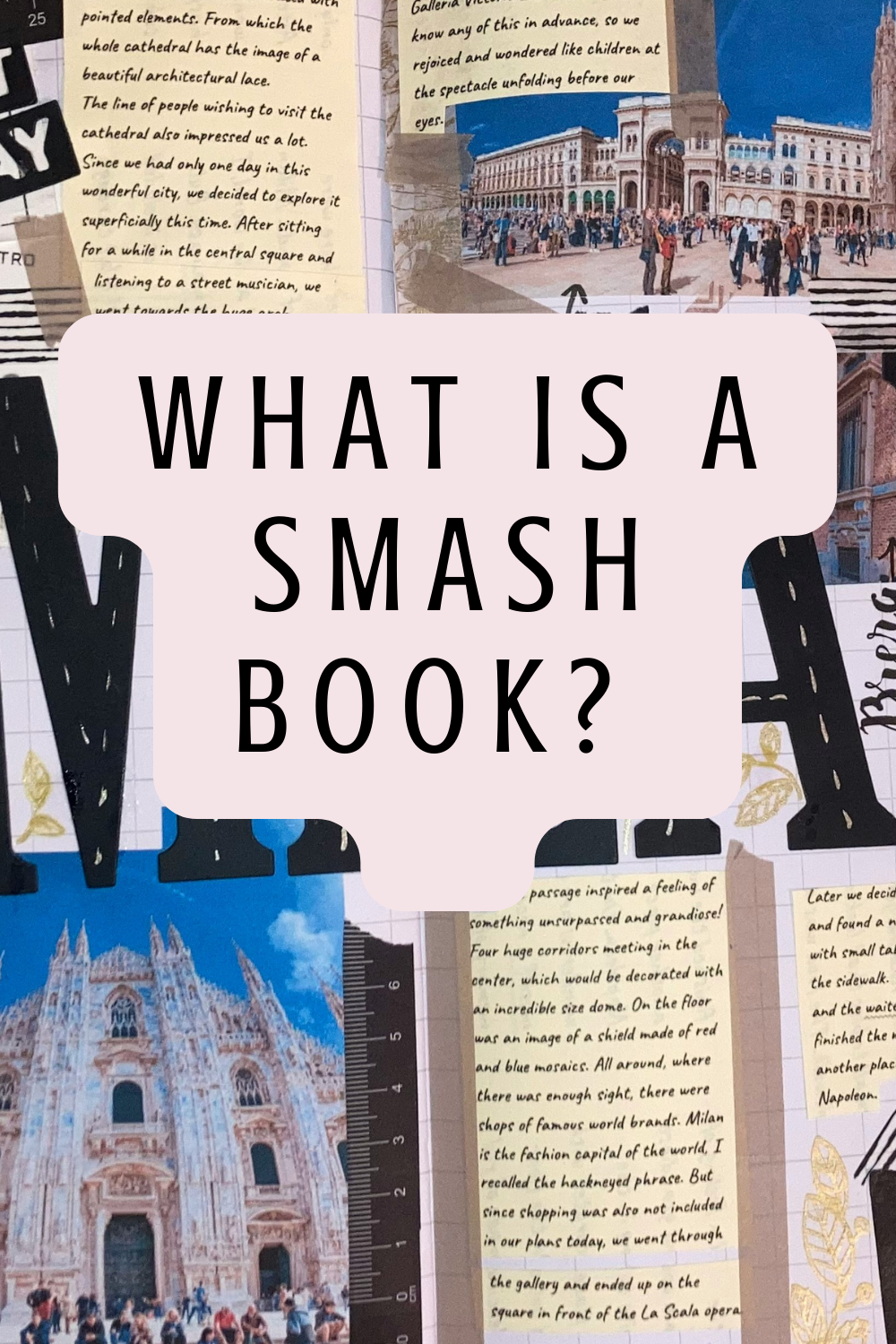
Smash books, a term popularized in the memory-keeping and scrapbooking communities, offer a fresh, flexible approach to preserving moments, mementos, and personal reflections. Unlike traditional scrapbooks that often adhere to strict layouts and standardized tools, smash books embrace spontaneity. They encourage users to collect a wide range of physical items—ticket stubs, photographs, receipts, dried flowers, pressed leaves, envelopes, and handwritten notes—and incorporate them into a curated journal-like format. The result is a tangible, multi-sensory record of life events, everyday experiences, and personal growth.
For beginners, the concept can seem daunting at first glance, but the core philosophy is straightforward: document memories in a way that feels intimate and enjoyable. Smash books do not require professional-level crafting skills. They reward experimentation, with a focus on storytelling rather than perfect presentation. This guide delves into what a smash book is, why you might want one, the supplies you’ll need, practical steps to start, and tips to sustain the practice over time. It also addresses common concerns, such as keeping a smash book organized, maintaining readability, and balancing creativity with legibility, so newcomers can approach the process with confidence.
The idea is to create a personalized archive that grows with you. A smash book can be organized around a theme—such as travel, family milestones, or a particular year—or it can be a more freeform collection of moments that matter. Because smash books emphasize variety and inclusion of imperfect, imperfectly perfect elements, they can be less intimidating to beginners than traditional scrapbooks. The format invites you to tell your story through layers of imagery, text, texture, and ephemera, turning ordinary pieces of life into meaningful keepsakes.
This guide will explore the essential components of a smash book, recommended tools, page layout strategies, and practical project ideas to get you started. It’s designed to empower readers who seek a creative, approachable method of memory keeping that honors their unique experiences without requiring specialized training or extensive time commitments.
In-Depth Analysis
A smash book is more than a product or a trend; it represents a philosophy about memory keeping that centers personal narrative, accessibility, and improvisation. At its core, a smash book is a portable, tactile album that invites you to juxtapose images, handwriting, found paper, and small artifacts in a way that tells a story beyond what a single photograph can convey. The emphasis is on the act of collecting and composing rather than on perfect alignment or uniform design.
Key characteristics of a smash book include:
– Flexibility: There are no rigid page dimensions, predetermined margins, or mandatory supplies. You can work on any surface, use any glue, tape, or adhesive, and include a mix of flat and three-dimensional elements. This flexibility lowers barriers to entry for beginners and encourages experimentation.
– Ephemera-rich content: The format thrives on memorabilia such as ticket stubs, receipts, postcards, pressed flowers, fabric scraps, and other small keepsakes that otherwise might be overlooked in more conventional scrapbooking.
– Personal storytelling: The text is as important as the visuals. Jotting down thoughts, reflections, and captions helps contextualize memories and adds depth to the visuals.
– Layered aesthetics: Smash book pages often feature a collage-like composition, with overlapping images, varied typography, and a collage of textures (pockets, envelopes, folds, and tabs) to create visual interest and a tactile experience.
– Accessibility and inclusivity: You don’t need specialized craft skills or expensive materials. Everyday supplies from around the house or dollar stores are usually sufficient to begin.
– Portability and tangibility: Because the book is physical, it can be carried, shared, and revisited repeatedly, creating a lasting emotional connection with the memories documented.
Starting a smash book does not require a single “correct” approach. Some crafters prefer a chronological sequence, recording events month by month; others organize by themes, such as vacations, holidays, or personal milestones. Still others maintain a free-flowing, stream-of-consciousness approach where pages evolve as new experiences occur. The unifying thread is that the book captures a memory in a way that feels authentic to the creator.
Materials and tools commonly used for smash books include:
– Core book or notebook: Many beginners start with a blank notebook, a ring-bound planner, or a pre-made smasher book. The choice depends on preferred page count, binding type, and whether you want the ability to move pages around later.
– Adhesives: Glue sticks, double-sided tape, washi tape, or glue dots are popular choices. Options with archival-quality or acid-free properties help preserve mementos over time.
– Ephemera and substrates: A collection of photos, ticket stubs, postcards, receipts, letters, fabric scraps, ribbon, and small flat keepsakes are useful, but the range can be adapted to what you naturally collect.
– Writing instruments: Pens, markers, brush pens, and colored pencils enable you to annotate pages, create headings, and add doodles or captions.
– Optional inserts: Envelopes, pockets, fold-outs, flaps, and mini-booklets can be incorporated to store additional items or add layered depth to pages.
– Scissors and craft tools: Scissors, craft knives, rulers, bone folders, and corner rounders help with trimming and shaping elements.
Practical steps to start a smash book:
1) Define your scope: Decide whether your smash book will document a specific event (a year, a trip, a season) or serve as a general memory bank. Having a loose scope reduces overwhelm and helps you curate content.
2) Gather core supplies: Assemble a lightweight starter kit with a notebook, a few adhesives, some basic ephemera, and writing tools. You don’t need to stock up on everything upfront; you can add items as you go.
3) Collect and curate: Begin by collecting items as they come. You don’t need to save every item; select pieces that feel meaningful or visually appealing. If a page feels crowded, pull back and choose a smaller focal element.
4) Create a first pages concept: Start with a simple “Hello Smash Book” page that introduces the purpose of the book and what you hope to capture. Include a few photos and a short reflection to anchor the project.
5) Build pages with intention: Combine imagery, memorabilia, and text in a way that tells a story. Use emphasis through typography or color to draw attention to key memories. Consider layering and folds to add dimensionality.
6) Embrace imperfection: There is no need for perfection. The charm of a smash book comes from its imperfect, personal nature. If a page doesn’t look polished, it often conveys authenticity and emotion.
7) Set a practical schedule: Dedicate a small amount of time each week to work on the book. Consistency matters more than intensity. Even short, 15-minute sessions can yield meaningful progress.
8) Preserve your pages: Use acid-free materials and proper storage to protect your keepsakes. If you collect fragile items (like dried flowers), consider pressing or backing them with protective sheets.
9) Reflect and evolve: As your life changes, let your smash book evolve. You can add new themes, switch binding styles, or introduce new materials to keep the process enjoyable.
10) Share thoughtfully: If you decide to share your pages with family or friends, consider the level of personal detail you want to reveal and how to present it respectfully.
Tips for effective smash-book storytelling:
– Caption with meaning: Short captions near photos or memorabilia can provide context that might not be immediately apparent from the image alone.
– Use visual anchors: Repeating colors, fonts, or shapes across pages can create a cohesive visual narrative even within a free-form format.
– Balance pages: Avoid overcrowding by distributing elements across spreads. Allow white space to let focal pieces breathe.
– Create compartments: Use pockets or envelopes to stash items that belong on a page but require extra space, such as a ticket stub with a note about the experience.
– Mix media deliberately: Combine photographs with handwriting, doodles, stickers, and stamps to evoke mood and memory in varied ways.
Common challenges and how to address them:
– Clutter and readability: If pages feel cluttered, prune elements and prioritize storytelling. Consider creating a few minimalist pages to provide visual relief.
– Time constraints: Break the task into small steps and celebrate small wins. A finished page, even if simple, is progress.
– Material selection becomes overwhelming: Start with a limited palette or a small set of patterns to ensure page cohesion while you learn the process.
– Photo printing logistics: Decide whether to print photos at home or use a local print shop. Keep a consistent photo size for visual harmony, or intentionally mix sizes for dynamic layouts.
Maintenance and growth:
A smash book can be a long-term project that grows with you. As you gain confidence, you may expand beyond a single book to multiple volumes, or adopt digital components alongside physical pages for backup. Some crafters maintain a rotating set of themes, such as seasonal memories, travel journals, or gratitude collections. Others integrate smash-book entries with other memory-keeping practices, such as a digital photo album or a personal blog, to ensure memories are captured in multiple formats.
Safety and preservation considerations:
– Archival quality matters: For items that are likely to deteriorate or cause damage to other pages, isolate them with protective sleeves or backing boards.
– Acid-free adhesives: Use adhesives designed for scrapbooks to minimize chemical reactions that can discolor or degrade paper over time.
– Paper compatibility: When gluing items onto pages, ensure they don’t warp or bleed into neighboring elements. Test on a small area if possible.
– Long-term storage: Keep completed smash books in a cool, dry environment away from direct sunlight to preserve colors and materials.

*圖片來源:Unsplash*
In sum, a smash book is a practical, approachable method for preserving memories that prioritizes personal voice, tactile experiences, and creative exploration. It welcomes participants who may not consider themselves traditional crafters and invites them to document life in a way that feels intimate, enjoyable, and uniquely theirs. By starting with simple supplies, setting realistic goals, and embracing the process rather than the product, beginners can build a meaningful memory archive that reflects the rhythms, relationships, and moments that define their lives.
Perspectives and Impact
Smash books occupy an interesting space in the broader landscape of memory keeping and personal journaling. They blur the lines between scrapbooking, journaling, and mixed-media art, offering a platform where memory, creativity, and practicality converge. The appeal lies not only in the finished pages but in the process itself—the act of gathering fragments from daily life, arranging them, and giving them context through words and textures.
Culturally, smash books resonate with contemporary value placed on narratives of everyday life. In an age of digital documentation, a physical, hands-on artifact provides a tangible counterpoint to screens. The multisensory experience—seeing a ticket pasted beside a handwritten note, feeling the texture of a pressed leaf—creates a tangible reminder of moments that might otherwise fade into a digital archive. This tactile aspect can foster a deeper emotional connection to memories and may be particularly meaningful for families seeking to pass down personal histories in a non-traditional format.
From a practical perspective, smash books are accessible to a broad audience. They require only basic supplies and can be adapted to individual preferences, budgets, and skill levels. This democratization makes memory keeping more inclusive, encouraging people who might feel intimidated by more formal scrapbooking to participate. The flexible approach also supports iterative, long-term engagement. Because pages can be added, removed, or reworked, the practice accommodates changes in life circumstances, interests, and creative tastes.
Looking ahead, the influence of smash books on future memory-keeping trends may extend into hybrid formats that blend physical scrapbooking with digital journaling. For example, creators might photograph or scan pages to create a digital backup or share highlights with friends and family online, while maintaining a physical copy for tactile enjoyment. The core principle—valuing personal narrative and the momentum of daily life—remains central as new mediums and tools emerge.
Potential critiques and considerations for the field include ensuring accessibility for diverse populations. While smash books are inherently accessible, some participants may face barriers related to cost, space, or dexterity. Solutions such as low-cost starter kits, rolling inventories of supplies, and adaptable page sizes can help broaden participation. Additionally, there is potential tension between the impulse to “keep everything” and the need for sustainable, thoughtful curation. Encouraging deliberate selection of items and mindful storytelling may help address concerns about material excess while preserving the authenticity of memory-keeping practices.
Overall, smash books offer a meaningful approach to capturing life’s moments in a way that honors memory, creativity, and personal voice. They empower individuals to craft their own archival stories and to engage with memory keeping as an ongoing, enjoyable practice rather than a one-time project.
Key Takeaways
Main Points:
– Smash books are flexible, memory-keeping journals that combine photos, memorabilia, and writing in a collage-like format.
– They emphasize personal storytelling, accessibility, and a hands-on, tactile experience.
– Beginners can start with minimal supplies and gradually expand a personal system that suits their life and interests.
Areas of Concern:
– Potential for clutter or readability challenges if pages become overcrowded.
– Material preservation and long-term durability require careful choice of adhesives and storage.
– Balancing time commitments with other responsibilities to sustain the practice over time.
Summary and Recommendations
Smash books offer an approachable, flexible alternative to traditional scrapbooks, focusing on memory, storytelling, and personal expression. They welcome participants of varying crafting abilities and budgets, encouraging creativity through a mix of imagery, text, and ephemera. For beginners, the path to a compelling smash book begins with defining scope, assembling essential supplies, and embracing imperfect but meaningful pages. The best results come from starting small with simple pages, gradually expanding the toolkit and page layouts as confidence and interest grow.
To reap the most benefit, consider a sustainable routine: spend a small amount of time each week collecting and curating items, then translate them into a few pages at a time. Prioritize meaningful artifacts and captions that add context, and don’t shy away from experimenting with layout, materials, and techniques. Preserve your keepsakes with archival-safe methods and store completed volumes in favorable conditions to ensure longevity.
If you’re curious about memory keeping but unsure where to begin, a smash book presents a low-pressure, high-personal-value entry point. Its value lies not in perfection but in authenticity—the stories, textures, and small artifacts that together form a living archive of daily life, milestones, and meaningful moments. With patience and regular practice, a smash book can become a cherished artifact that grows alongside you, offering insight, nostalgia, and joy for years to come.
References
- Original: https://abeautifulspace.co.uk/what-is-a-smash-book-the-ultimate-beginners-guide/
- Additional reference ideas (to be used as supplementary sources):
- A guide to starting a memory book using mixed-media techniques from reputable craft and journaling resources.
- A beginner’s scrapbook tutorial focusing on easy layouts and affordable materials.
- An article on maintaining and preserving memory-keeping projects for longevity.

*圖片來源:Unsplash*