TLDR
• Core Points: OpenFit Pro aims to deliver open-ear comfort with active noise cancellation-like features, balancing situational awareness and sound isolation.
• Main Content: A thorough look at the OpenFit Pro’s design, sound quality, comfort, battery life, and practical use cases, framed against the open-ear concept.
• Key Insights: Open-ear devices face a trade-off between environmental awareness and noise suppression; the OpenFit Pro attempts a middle ground with unique approaches.
• Considerations: Comfort adjustments, fit reliability during varied activities, and how the device handles external noise in real-world settings.
• Recommended Actions: Consider OpenFit Pro if you value situational awareness, prefer lightweight wear, and want an alternative to traditional in-ear ANC solutions.
Product Overview
The Shokz OpenFit Pro represents the brand’s continued exploration of open-ear audio, a category that diverges from conventional in-ear or over-ear designs by placing speakers near the ear canal without sealing it. This approach is intended to preserve ambient awareness—important for runners, cyclists, or commuters—while still delivering a meaningful level of sound isolation and audience-friendly sound quality. The OpenFit Pro adds a refined fit, improved weight balance, and a new attempt at onboard noise suppression-inspired features to reduce listener fatigue and background noise in certain environments.
Open-ear audio is not a new concept, but it remains relatively niche compared to traditional closed-back or in-ear headphones. Shokz (formerly AfterShokz) has established a recognizable niche by marketing transparency about what open-ear means in practice: you hear both your music and the world around you. The OpenFit Pro builds on this philosophy, offering a wireless, Bluetooth-enabled design that is lightweight and easy to wear for extended periods. The question at hand is whether the device can deliver a listening experience that feels closer to active noise cancellation’s intent without sacrificing the situational awareness open-ear design is built around.
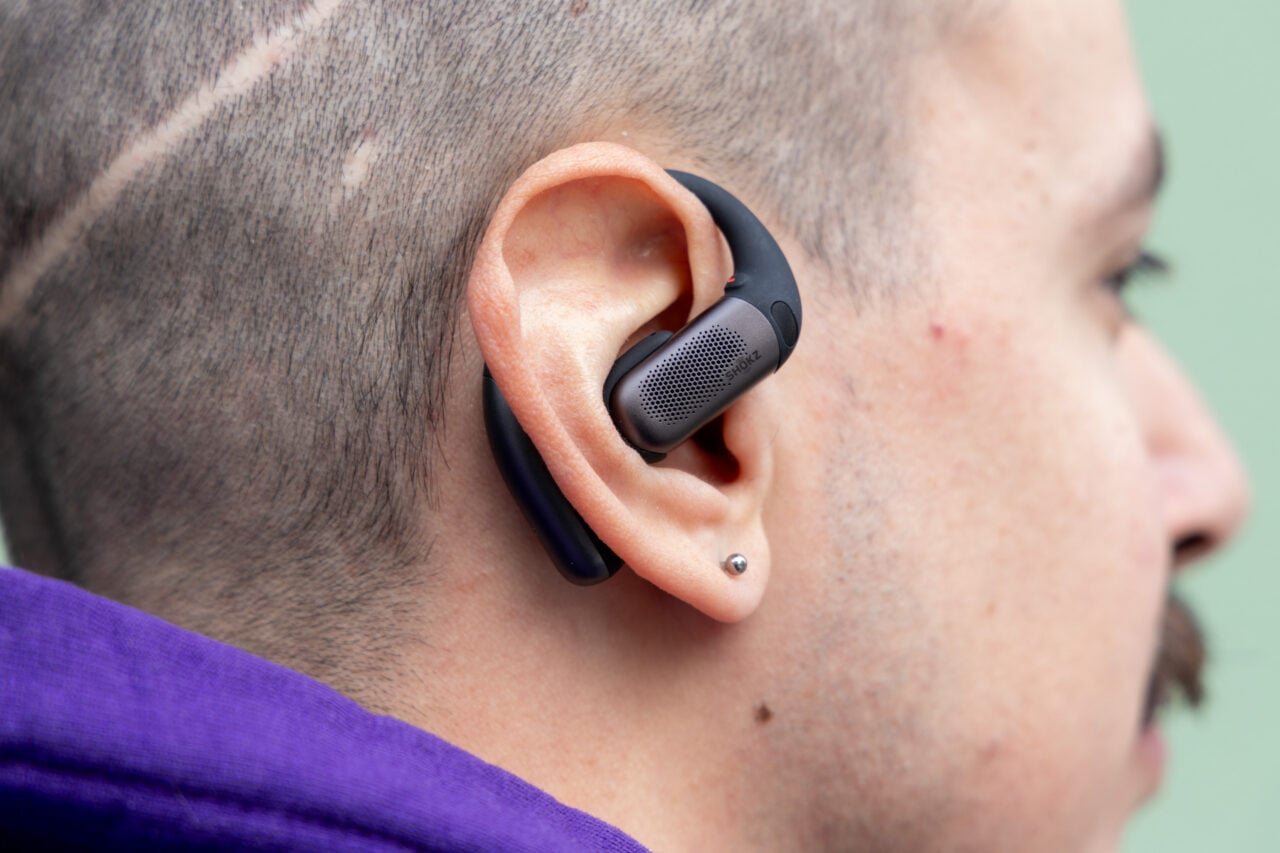
Design and comfort are central to the OpenFit Pro. The headset wraps around the sides of the head with a lightweight frame and open-ear transducers positioned near the ears. The device emphasizes a secure, low-profile silhouette so that it remains comfortable during movement, yet remains visible enough to be considered an everyday carry item for commuters and fitness enthusiasts. Battery life, charging method, connectivity, and on-device controls contribute to a practical user experience. The OpenFit Pro also emphasizes a more polished fit than some earlier open-ear models, attempting to address common concerns such as fit variability and stability during active use.
The sound profile for open-ear devices tends to emphasize voice frequencies for intelligibility, with a broader ambient noise representation since the drivers do not seal the ear canal. The OpenFit Pro aims to deliver a balanced sound with reasonable bass response and clear mids and highs, while acknowledging that the open-ear design yields some trade-offs in isolation and sound isolation compared to true noise-canceling in-ear earbuds. The device’s approach to “noise cancellation” is not the same as traditional ANC; instead, it focuses on reducing fatigue and providing a more controlled listening experience within the constraints of open-ear ergonomics.
In practice, the OpenFit Pro is designed for users who want to stay aware of their surroundings—pedestrians, cyclists, and runners—while still enjoying music, podcasts, or calls. Its form factor is intended to be worn for longer listening sessions, with a lightweight build and adjustable fit to accommodate a range of head shapes and preferences. The result is a device that stands apart from the standard noise-canceling headphones market by prioritizing environmental awareness and conversational clarity.
In-Depth Analysis
Open-ear headphones occupy a distinct niche by letting sound reach the ear without occluding the ear canal. This design philosophy has practical advantages, including situational awareness, potential comfort for prolonged wear, and reduced risk of ear fatigue from in-ear devices. The OpenFit Pro’s design focuses on balancing these advantages with improvements in comfort and usability.
Build quality and comfort: The OpenFit Pro uses a streamlined frame that sits around the ear rather than inside the ear canal. The transducers are positioned to deliver sound toward the listener while keeping the ear canal open. Users who spend long periods wearing headphones are likely to notice a difference in comfort compared to traditional buds or over-ear sets. Weight distribution is important; a well-balanced headset reduces pressure on the temples and reduces fatigue during workouts or extended listening sessions. The OpenFit Pro’s materials, finish, and overall weight are designed to minimize fatigue and reduce the likelihood of slipping during movement.
Fit and stability: A common concern with open-ear designs is stability during vigorous activity. The OpenFit Pro addresses this with adjustable headband tension and ear-friendly contact points meant to stay in place during movement. The design aims to reduce micro-movements that can degrade the listening experience or cause discomfort over time. The ability to customize fit—whether you’re wearing a helmet, cap, or simply exercising indoors—can influence sound delivery and perceived quality. A secure fit is essential to ensure consistent audio output and to prevent the transducers from pressing uncomfortably against the head.
Sound quality and clarity: The OpenFit Pro’s drivers are tuned to deliver a broad but non-occlusive sound. Because the device does not seal the ear canal, bass performance is typically less pronounced than with closed-ear designs. However, the trade-off is a more natural overall sound with less listener fatigue and better situational awareness. For users who prioritize conversation intelligibility and the ability to hear environmental cues, the OpenFit Pro may deliver an engaging listening experience that still preserves important background sounds. The device may feature noise-attenuation techniques intended to reduce background noises—like wind or ambient chatter—without completely silencing the world outside. The “one thing you’ve always wanted” could refer to a practical form of noise management that complements open-ear listening.
Performance and battery life: Wireless performance hinges on stable Bluetooth connectivity, quick pairing, and reliable on-device controls. The OpenFit Pro is expected to support common Bluetooth versions and codecs that balance latency with sound quality. Battery life is a critical consideration for open-ear devices, where the aim is to deliver all-day usability without frequent recharging. The device should provide enough runtime for a typical day of listening, workouts, or commuting, with a charging solution that is straightforward. The inclusion of magnetic charging or a USB-C port would be in line with contemporary hardware expectations. Real-world battery performance depends on usage patterns, including volume levels, engaged features, and whether the user is on a call or using it for audio playback.
Call quality and microphone performance: For a comfortable open-ear experience, microphone design matters, especially during calls or voice commands. The OpenFit Pro’s mic array is likely configured to capture the user’s voice clearly while reducing wind noise and ambient interference. Users who rely on phone calls or voice assistants will want reliable input and minimal background noise pickup, particularly in noisy environments.
Controls and user interface: On-device controls are a hallmark of modern wireless audio devices. The OpenFit Pro would typically feature touch or button-based controls for playback, volume, and call management. Intuitive layout and haptic feedback enhance usability, allowing users to manage audio and calls without needing to reach for a phone. The ease of use becomes especially important during workouts or while commuting, where a quick adjustment is necessary.
Durability and weather resistance: For active users, water resistance and rugged construction are practical considerations. The OpenFit Pro’s rating would ideally reflect resistance to sweat and moisture, enabling use in rain or fitness sessions. A robust, sweat-resistant build is aligned with the target audience’s needs and adds to the device’s practicality for a broad range of activities.
Software and ecosystem: The OpenFit Pro may leverage companion apps or native device settings to customize equalization, presets, and microphone behavior. A well-designed app can help users tailor the listening experience, optimize mic performance for calls, and monitor battery status. Compatibility with major mobile platforms (iOS and Android) ensures a broad user base can take advantage of these enhancements.

*圖片來源:Unsplash*
Real-world usage scenarios: The OpenFit Pro is positioned for people who value awareness of their surroundings—outdoor runners, cyclists, commuters, and office workers who want to stay connected to the environment while enjoying audio. The open-ear design can be advantageous in city environments where hearing traffic, announcements, or alarms is important. The device’s performance across different environments—quiet indoor spaces, bustling streets, and windy conditions—will influence user satisfaction, particularly in how it manages background noise and wind interference.
Limitations and trade-offs: Open-ear devices, by their nature, do not isolate sound the same way as true ANC in-ear systems. While the OpenFit Pro may offer improvements in reducing fatigue or suppressing certain background noises, it cannot replicate the full isolation of closed-back or in-ear ANC products. Users should manage expectations accordingly, understanding that some ambient sound will always be present. For those seeking maximal focus in noisy environments, traditional ANC may still be preferable, but it comes with the cost of reduced situational awareness.
Comparative context: When placed against other open-ear models, the OpenFit Pro’s updated fit, improved comfort, and potential refinements in sound management contribute to a stronger offering within the category. Compared to entry-level open-ear products, it reflects progress in balancing comfort, stability, and audio quality. Compared to in-ear ANC options, it preserves environmental sound cues and comfort but prioritizes a different set of trade-offs.
Future directions: The open-ear category could benefit from further refinements in passive isolation and wind noise reduction, along with more sophisticated software-based enhancements that help tailor the listening experience to individual hearing profiles. The OpenFit Pro’s development signals continued investment in this niche, suggesting that manufacturers see enduring demand for open-ear designs among active users and those with a preference for ambient awareness.
Perspectives and Impact
Open-ear headphones have carved out a distinct space in the broader audio market by challenging the assumption that immersive sound must come from fully sealed earbuds or headphones. They appeal to a subset of users who need to stay alert to their surroundings—pedestrians, cyclists, runners, and professionals who commute in busy environments. The OpenFit Pro’s emphasis on comfort, stability, and an enhanced listening experience under open-ear constraints aligns with this broader trend toward more adaptable, situationally aware audio solutions.
From a consumer standpoint, the OpenFit Pro offers several potential benefits:
– Environmental awareness: Users retain the ability to hear traffic, announcements, and other ambient cues, which can improve safety and situational understanding during outdoor activities.
– Comfort and extended wear: A lightweight design and careful fit can make long listening sessions more comfortable, reducing the likelihood of ear fatigue and discomfort associated with in-ear designs.
– Quick access to calls and voice assistants: The presence of accessible controls supports hands-free operation, which is particularly valuable during workouts or on the go.
However, embracing open-ear audio also means accepting certain compromises:
– Less isolation: In loud settings, the ambient environment will be audible, and background noise can interfere with the listening experience.
– Less bass impact: The lack of occlusion can limit bass performance compared to sealed earbuds or over-ear heaphones with active noise control.
– Fit sensitivity: While adjustable, the effectiveness of the transducer placement depends on individual head shape and movement; some users may experience fit variability.
The OpenFit Pro’s place in the market reflects a broader conversation about how we listen to audio while staying connected to our surroundings. It’s a design philosophy that prioritizes practical, real-world use over the idealized isolation of a studio environment. This approach can be especially compelling for people who want a more natural, conversational listening experience that still supports music enjoyment and calls. As with any specialized product, its value is dependent on how well it aligns with the user’s daily routines and activity profiles.
Future expectations for open-ear devices include improvements in microdac components, better wind noise handling, and more nuanced signal processing that can reduce fatigue without sacrificing the sense of openness. As more users discover the benefits and trade-offs of open-ear listening, the market may respond with a wider range of form factors, better fit options, and more sophisticated software features to tailor the experience to different environments and preferences.
Key Takeaways
Main Points:
– OpenFit Pro continues a recognized open-ear approach with a focus on comfort, stability, and practical sound management.
– The design strives to balance ambient awareness with an improved listening experience, rather than providing true noise cancellation.
– Real-world use highlights the device’s suitability for active and everyday scenarios, where environmental awareness is essential.
Areas of Concern:
– The level of isolation remains limited by design, which may affect performance in very loud environments.
– Bass and overall sound depth may not match traditional sealed or ANC-equipped earbuds.
– Fit and stability during high-intensity activities can vary between users.
Summary and Recommendations
The Shokz OpenFit Pro is a compelling option for users who prioritize situational awareness and comfort over total noise isolation. It represents a mature step in open-ear headphone development, offering improvements in fit and usability that address some common complaints about earlier models. If your daily routine involves outdoor activity, commuting, or activities where being aware of your surroundings is important, the OpenFit Pro could be a valuable addition to your audio gear. It will likely appeal to listeners who want a lightweight, breathable design that allows them to stay engaged with the world around them while enjoying their preferred audio content.
However, if your priority is complete noise isolation or deep bass performance, in-ear ANC solutions or over-ear headphones with strong passive and active isolation might be a better fit. The OpenFit Pro’s success depends on whether the user values environmental awareness as a core feature and is comfortable with the inherent trade-offs of an open-ear approach. For many, this product could serve as a practical, enjoyable, and safer audio companion for daily life.
In the end, the OpenFit Pro embodies a consistent theme in modern audio design: tailoring the listening experience to real-world needs rather than pursuing the most isolated or “cinematic” sound possible. It asks a straightforward question: What if you could have good sound without covering your ears, letting you hear the world while you listen? If you value that balance, the OpenFit Pro deserves consideration.
References
- Original: https://gizmodo.com/shokz-openfit-pro-review-open-earbuds-with-the-one-thing-youve-always-wanted-2000727232
- Additional references:
- Shokz official product page for OpenFit Pro specifications and features
- Independent audio gear reviews and user feedback on open-ear designs
- General articles on open-ear vs. traditional ANC headphone trade-offs

*圖片來源:Unsplash*