TLDR
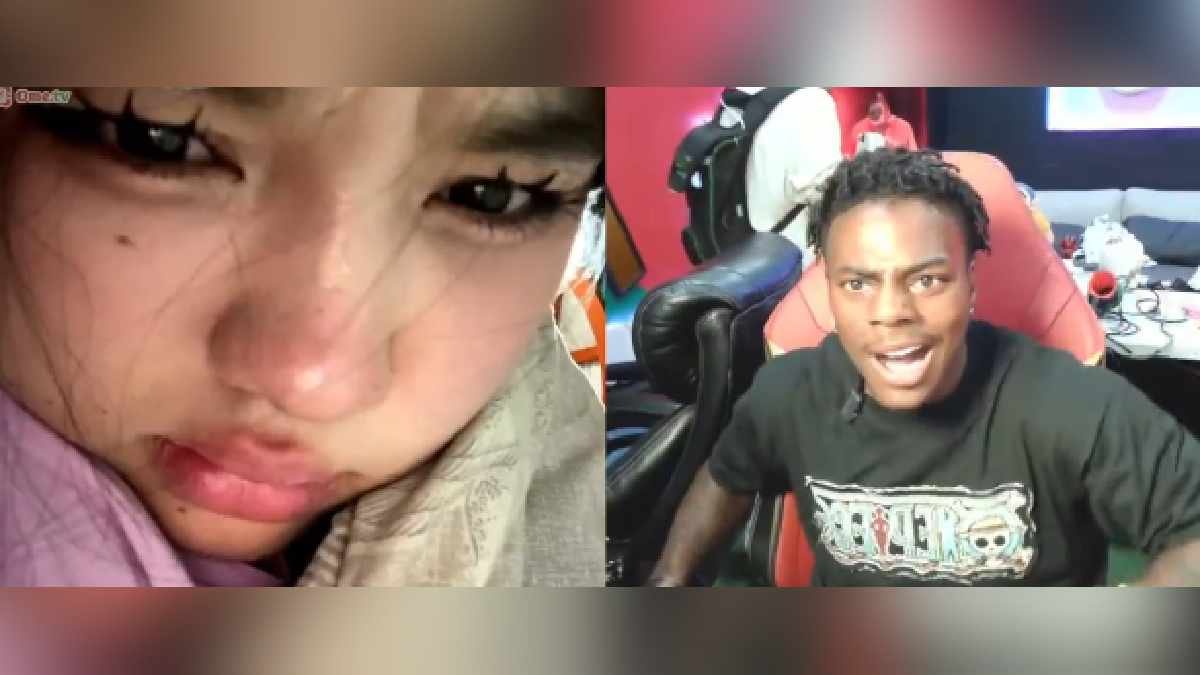
• Core Points: IShowSpeed triggers a viral meme by rudely waking a sleeping Mongolian girl on Omegle, prompting widespread reaction and discussion about online behavior and consent.
• Main Content: A short video clip showing the streamer startling a snoozing participant on Omegle went viral, sparking memes and mixed responses about etiquette, privacy, and trolling culture.
• Key Insights: The incident highlights how impulsive online interactions can escalate into global meme cycles, raising questions about platform norms and participant consent.
• Considerations: Viewers should consider consent, context, and the ethics of publicizing private moments; platforms may need clearer boundaries for live-streamed encounters.
• Recommended Actions: Creators should reflect on audience impact, practice respectful engagement, and familiarize themselves with platform policies to avoid harmful dynamics.
Content Overview
The episode centers on a clip from a livestream where the American streamer IShowSpeed, known for high-energy content and impulsive interactions, encounters a sleeping Mongolian girl on Omegle. Omegle, a platform that pairs strangers for text or video chats, has long been a stage for unpredictable interactions, pranks, and sometimes shocking behavior. In this particular moment, the streamer abruptly wakes the sleeping participant and engages with her abruptly, drawing attention from viewers who reacted with a mix of amusement, shock, and concern.
The clip rapidly circulated across social media, becoming a focal point for broader conversations about streaming ethics, online harassment, and the culture of “memes” that thrive on sensational or uncomfortable moments. Some viewers found humor in the awkward wake-up moment or in the reactions that followed, while others criticized the streamer for invading someone’s privacy and for potentially scarring or distressing a non-consenting participant. The viral nature of the video illustrates how quickly online content can propagate and be reframed into meme-formats, sometimes detached from the original context and intent.
Context is important here: Omegle is designed for spontaneous exchanges between strangers, and many participants are unprepared for the level of exposure or disruption that can occur when streamed. The incident underscores ongoing tensions in live-streaming communities regarding consent, consent in public online spaces, and the line between entertainment and harm. It also raises questions about the responsibilities of creators who cultivate large audiences and the role of platforms in moderating content that features real people who may not have consented to being recorded or broadcast.
This event sits within a broader trend of “memefication” on social platforms, where singular provocative moments become templates for jokes, remixes, and commentaries. While memes can amplify voices and bring attention to creators, they can also normalize behavior that disregards others’ boundaries. The chronology typically involves: a surprising or controversial moment being captured on camera, rapid sharing with captions and reactions, and eventual analysis in articles and videos that reassess the moment with additional context or criticism.
In this case, the reaction spectrum ranged from fans praising IShowSpeed’s spontaneity to critics arguing that the streamer exploited a vulnerable moment for content. Some observers pointed out that the girl in the clip appeared unaware and not actively engaged in the conversation, prompting concerns about consent and the potential for psychological discomfort. The conversation also touched on the dynamics of online communities where provocative content often garners more views, shares, and engagement, sometimes at the expense of sensitivity to real people involved.
Overall, the episode reflects how online culture negotiates entertainment value, consent, and the potential for harm in a landscape where a single moment can become a global meme within hours. It invites viewers, platforms, and creators to consider the boundaries of live, public-facing content and the responsibilities that accompany large-scale audience reach.
In-Depth Analysis
The central incident involves a broadcasted Omegle encounter in which the streamer, known for high-energy, often provocative content, breaks into the private moment of a sleeping participant. The act of waking someone who is asleep—especially in a one-on-one video chat—creates an immediate, visceral reaction: surprise, confusion, and potential distress. When such a moment is captured and uploaded or broadcast to a large audience, it becomes a catalyst for a broader debate about consent, privacy, and the ethics of online pranks.
From a media studies perspective, the dynamics at play can be analyzed through several lenses:
- Consent and Publicity: While Omegle is a public platform where participants join voluntarily, the expectations of privacy apply to real-time, private moments within a live session. The sleeping participant did not appear to consent to being woken or broadcast, raising questions about whether and when consent should be presumed in spontaneous online interactions. In many jurisdictions, recordings of private moments being shared publicly can raise legal and ethical concerns, particularly if the participant is identifiable and the content could cause distress or reputational harm.
- Power and Spectacle: IShowSpeed’s persona relies on bold, sometimes abrasive behavior designed to elicit strong reactions from audiences. The moment in question leverages power dynamics: a powerful media figure engaging with a vulnerable or uninterested participant to generate shock value and engagement. This aligns with broader patterns in streaming culture where “unfiltered” behavior is rewarded with views, subscriptions, and memes.
- Platform Norms and Moderation: Omegle’s design emphasizes spontaneity, which complicates moderation. In live streams, platform policies often struggle to balance freedom of expression with the protection of participants who may not anticipate being recorded or ridiculed. This incident spotlights potential gaps in moderation practices for live-streamed peer-to-peer interactions and may prompt calls for clearer guidelines or user reporting mechanisms.
- Memetic Culture and Revenue: The rapid spread of the clip as a meme demonstrates how internet culture rewards moments that can be repackaged into captions, reaction videos, and remix formats. For creators, these moments can be lucrative—driving ad revenue, sponsorships, and fan engagement—but they also risk normalizing behavior that some audiences find invasive or cruel.
The public reaction encompassed a broad spectrum of opinions. Supporters framed the episode as a spontaneous, humorous moment that characterizes the unpredictability of live streaming. Critics, however, argued that waking someone who is asleep and broadcasting it without clear consent crosses ethical lines and can contribute to a culture of online harassment. Some commentators drew parallels with pranks that verge on harassment, urging platforms and creators to consider the emotional and psychological impact on participants.
From a broader media ethics perspective, this event invites reflection on several questions:
- Where should the line be drawn between entertainment and harm in live online content?
- How should platforms govern content that features non-consenting participants or those who appear distressed?
- What responsibilities do creators have toward their audiences in terms of promoting respectful interactions, even when the content is designed to provoke strong reactions?

*圖片來源:description_html*
Beyond the specifics of the clip, the incident illustrates the evolving norms of online interacting. In the early days of live streaming, audiences often accepted a more chaotic, unscripted atmosphere. As platforms mature and monetization pressures rise, there is increasing scrutiny of what constitutes acceptable behavior, both for creators and participants. Critics argue that as viewership grows, so too does the responsibility to avoid exploitation or humiliation of individuals who may not fully grasp the consequences of their actions when shared online.
Notably, the Mongolian participant’s perspective is largely absent from initial coverage, reflecting a broader issue in meme-driven discourse: the voices and experiences of those directly involved can be marginalized in favor of sensational analysis. In some instances, creators or platforms may respond with apologies or explanations, but that may not always translate into meaningful change in practices or policies.
The viral spread of the clip also raises questions about the role of audience reaction in shaping a moment’s notoriety. The meme lifecycle—from initial shock to recontextualization through captions, parodies, and commentaries—can outpace the originator’s intent. In this case, the meme format reframed the moment into a broader discussion about online behavior, consent, and the ethics of public amusement. This reframing demonstrates the dynamic nature of internet culture: content evolves as it moves across communities, audiences, and formats.
From a psychological standpoint, the incident touches on group dynamics in online spaces. The thrill of reacting to a provocative moment, coupled with the social validation of comments and memes, can reinforce certain behaviors. The rapid feedback loops of likes, shares, and comments can create social incentives for creators to push boundaries further, sometimes at the expense of the individuals involved. Conversely, many viewers and commentators emphasize the importance of empathy and caution, arguing that online spaces should strive for a balance between entertainment and respect.
Looking ahead, several implications emerge:
- Platform responsibility and policy: Streaming platforms may explore clearer consent guidelines for participants in live streams, including requests to opt-out of broadcast, and more prominent warnings about potential coverage of private moments.
- Creator accountability: Content creators with large followings could benefit from reflecting on ethical boundaries, considering the potential harms of sensational content, and investing in responsible storytelling practices.
- Audience education: Viewers might be encouraged to critically assess the impact of meme-driven content, recognizing that not all viral moments are harmless or funny to everyone involved.
In sum, the Omegle wake-up moment involving IShowSpeed serves as a case study in the complexities of online entertainment, consent, and the rapid life cycle of memes. It highlights the tensions between the hunger for sensational content and the ethical responsibility owed to those who become part of it—intentionally or unintentionally.
Perspectives and Impact
- Creator perspective: From IShowSpeed’s point of view, the moment is consistent with a style of content that thrives on unpredictability and high-energy reactions. Such moments tend to perform well in terms of engagement metrics, which are central to the economics of modern streaming. However, creators are increasingly aware that viral moments can carry risks, including reputational damage and potential backlash from audiences who see such actions as crossing ethical lines.
- Participant perspective: For the sleeping participant, the experience could range from confusion to distress. While some online communities interpret the moment as a lighthearted prank, others may view it as a violation of privacy and autonomy. The lack of explicit consent to broadcast the moment complicates any straightforward interpretation as harmless humor.
- Platform and policy implications: This incident underscores the need for ongoing evaluation of consent norms and safety measures on live streaming platforms. It also highlights the challenge of moderating short-form, user-generated content where original context can be easily distorted or lost in clips and memes.
- Cultural impact: The clip’s meme-ification demonstrates how internet culture can rapidly transform a single incident into a broader conversation about ethics, humor, and the responsibilities of online communities. It reflects a broader tension within digital culture between the pursuit of engagement and the protection of individual rights.
Future implications include ongoing debates about where lines should be drawn for public content, the responsibility of platforms to enforce consent norms, and the role of audiences in shaping the reputational outcomes of creators who engage in provocative behavior. As streaming ecosystems continue to evolve, the balance between entertainment value and ethical consideration will likely remain a central topic for creators, platforms, and observers alike.
Key Takeaways
Main Points:
– A viral clip shows IShowSpeed waking a sleeping participant on Omegle, igniting a debate on consent and online ethics.
– The incident highlights how memes recycle and refract single moments into broader conversations about behavior in online spaces.
– The episode raises questions about platform responsibilities, creator accountability, and the emotional impact on non-consenting participants.
Areas of Concern:
– Potential violation of privacy and consent in live-streamed, user-generated content.
– The normalization of disruptive, sensational behavior for engagement and revenue.
– The risk of marginalized voices, especially the involved participant, being overlooked in meme-centric discourse.
Summary and Recommendations
The Omegle wake-up moment featuring IShowSpeed illustrates the complexities of modern online entertainment, where a single impulsive action can escalate into a global meme while prompting essential discussions about consent, privacy, and responsible content creation. For creators, platforms, and audiences, the episode serves as a reminder that entertainment should not come at the expense of another person’s autonomy or well-being. Moving forward, clearer consent practices, stronger moderation, and a culture that prioritizes respectful engagement can help balance the hunger for engaging content with the duty to protect individuals from harm. Creators should reflect on ethical boundaries, seek consent or at least avoid broadcasting non-consensual private moments, and incorporate sensitivity into their content strategies. Platforms can contribute by refining policies around live-streamed encounters, providing clearer warnings, and offering robust reporting and dispute resolution mechanisms. Audiences, meanwhile, can adopt a more critical perspective on memes, recognizing that virality does not absolve harm or discomfort experienced by real people.
References
- Original: https://in.mashable.com/culture/106351/ishowspeed-rudely-wakes-a-snoozing-mongolian-girl-on-omegle-triggering-memefest-watch-the-viral-vide
- [Add 2-3 relevant reference links based on article content]

*圖片來源:Unsplash*