TLDR
• Core Points: Smash books are hands-on, visual memory-keeping journals that blend photos, mementos, journaling, and art to tell personal stories creatively.
• Main Content: This guide explains what a smash book is, how it differs from traditional scrapbooks, essential supplies, layout ideas, and practical tips for beginners.
• Key Insights: Accessibility, personal flair, and flexible formats make smash books approachable for all ages; consistency and organization enhance results.
• Considerations: Materials choices, preservation of mementos, and balancing clutter with meaningful storytelling are important.
• Recommended Actions: Start small with a single project, gather basic supplies, curate meaningful mementos, and experiment with layouts and prompts.
Content Overview
Smash books have surged in popularity as a form of creative memory keeping that emphasizes spontaneity, personalization, and tactile expression. Unlike traditional scrapbooks that often adhere to rigid page layouts or predetermined themes, smash books encourage a more relaxed, improvisational approach. They blend photographs, ticket stubs, handwritten notes, pressed flowers, envelopes, and various ephemera into a single, cohesive narrative. The result is a dynamic, accessible way to capture everyday moments, milestones, and feelings in a visually engaging format.
The concept of memory keeping is as old as photography and journaling, but the smash book movement gained traction with crafters seeking an easier entry point into scrapbooking. A smash book typically uses a blank or lightly themed notebook as its base, allowing the creator to “smash” disparate bits of life into a single, imperfectly perfect artifact. This approach appeals to beginners who might feel overwhelmed by traditional scrapbooks or professional scrapbooking supplies. It also suits seasoned crafters who crave a more free-form, experimental process.
In addition to providing a creative outlet, smash books can serve practical purposes. They can be used to organize photos and memorabilia from a vacation, a school year, a relationship, or a personal project. The tactile nature of smash books often makes the memory-keeping process more engaging, encouraging regular reflection and ongoing documentation.
This guide aims to offer a clear, accessible overview of what smash books are, how to begin, and how to sustain a practice that is both enjoyable and meaningful.
In-Depth Analysis
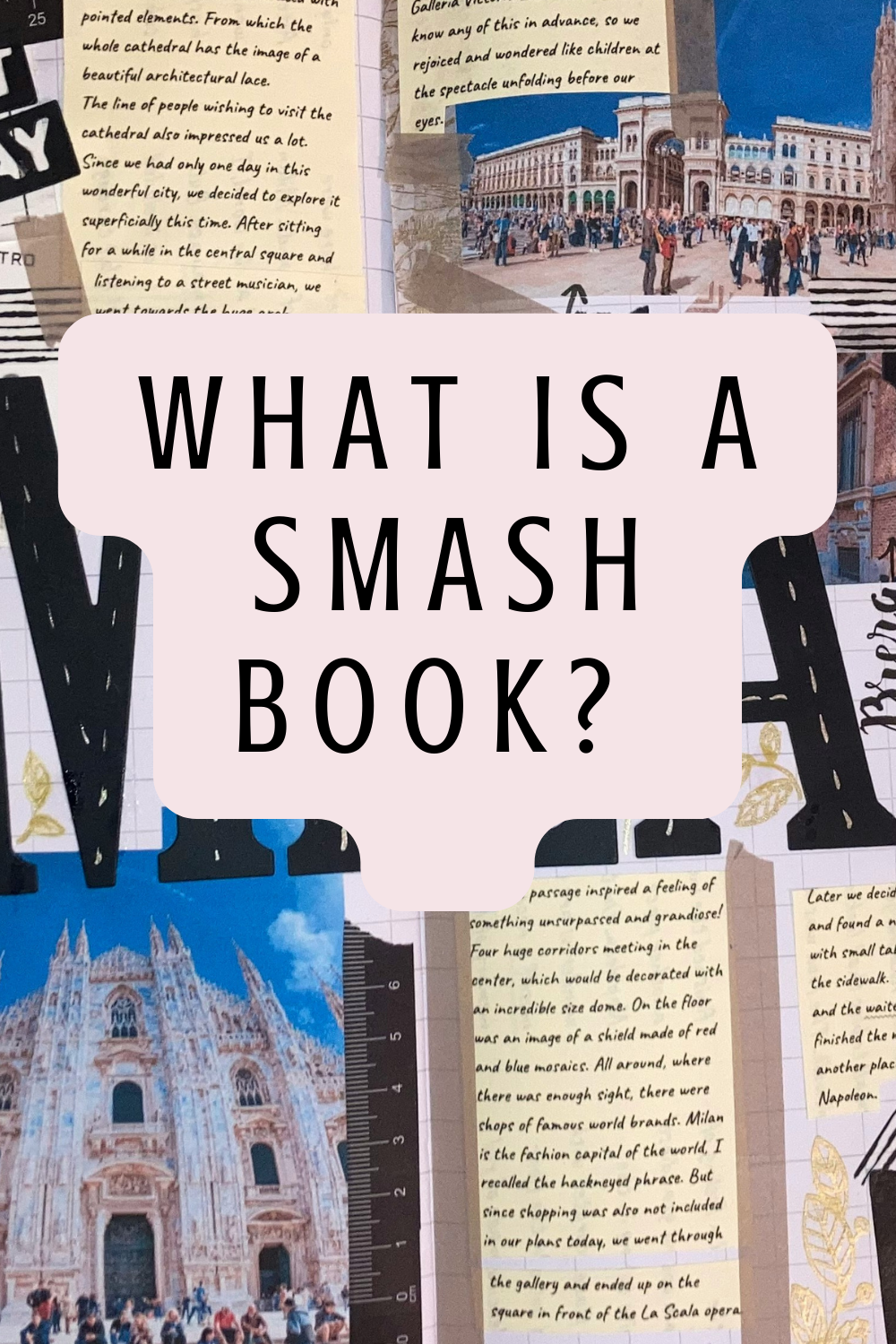
What exactly is a smash book? At its core, a smash book is a portable, user-friendly journal that combines mixed-media elements to preserve memories. The term “smash” suggests the spontaneous, collage-like layering of materials, rather than a meticulously organized album. The format is intentionally forgiving: there are no strict rules about page order, design standards, or the types of ephemera you can include. This flexibility is a key reason smash books resonate with many people—memory keeping becomes a personalized, low-pressure activity.
Materials and tools form the basic toolkit. A simple notebook or artist journal serves as the foundation. Beyond that, supplies vary widely but often include adhesive (glue sticks, craft glue, or double-sided tape), scissors, pens and markers, and a selection of decorative elements such as washi tape, stickers, rubber stamps, and stencils. Because the emphasis is on tactile, hands-on arrangement, many creators enjoy adding envelopes, pockets, folded pages, or small bound booklets to hold keepsakes. The goal is to create multi-dimensional pages that capture moments through a combination of imagery, text, and texture.
One major distinction between smash books and traditional scrapbooks is the emphasis on spontaneity. Traditional scrapbooking can involve careful planning, color schemes, and a lot of pre-mixed supplies. Smash books, in contrast, thrive on the “smash it in” mentality: if a receipt, photo, or note feels meaningful, it belongs in the book, even if it doesn’t conform to a predetermined theme. This approach makes memory keeping more approachable for beginners and encourages ongoing journaling, since pages can be added as life unfolds.
Layout ideas are another important component. Because there are no strict rules, smash book pages can be layered with photos and mementos in a single spread. Some common techniques include:
– Photo-led pages that center a single image with surrounding journaling and embellishments.
– Collage-style spreads that combine several small photos, ticket stubs, and speech-bubble captions.
– Ephemera pockets and envelopes to tuck small items like concert tickets, business cards, or love notes.
– One-page “mini-essays” or prompts that encourage reflection on a moment or theme.
– Thematic sections within a single book, such as travel, school years, or family milestones, with a loose narrative thread.
The role of journaling in smash books is flexible. Some creators write short captions or descriptive notes alongside images, while others craft longer narratives, quotes, or lists. The handwriting style—whether neat cursive, bold block letters, or brushed lettering—adds to the personal character of the book. Typography and handwriting become visual elements that complement the photographic content.
Preservation considerations are important for long-term enjoyment. While smash books are typically created for personal use and enjoyment, some care can extend their lifespan. Stabilizing materials (acid-free papers, safe adhesives) help prevent yellowing or deterioration over time. If a smash book contains fragile items like pressed flowers or delicate tickets, consider sealing techniques or protective sleeves for durability. DIY curation is part of the craft: select items that genuinely evoke memories, rather than filling pages with mere filler.
The cultural appeal of smash books lies in their democratization of memory keeping. They do not require professional training, expensive materials, or studio space. A beginner can start with a basic notebook and a handful of adhesive supplies, then gradually expand their toolkit as interest deepens. The result—an intimate, tangible record of life—feels more alive and accessible than many digital-only archives.
Practical benefits include enhanced mindfulness, improved memory retention, and a sense of accomplishment from completing pages. The tactile process of choosing what to include, arranging items, and writing reflections can be therapeutic, offering a creative outlet that complements digital photo organization. Smash books also provide a platform for creativity, self-expression, and storytelling that can be shared with family and future generations.
Starting a smash book can be as simple as selecting a notebook, gathering a few core tools, and deciding on a broad theme or no theme at all. For those unsure where to begin, prompts and ideas can help kickstart the process:
– Choose a focal moment or period (a vacation, a season, or a milestone) and collect related items.
– Gather photos and mementos from a single event and craft a narrative around it.
– Create a “one-page story” that captures a memory in a compact space with a combination of image, text, and decoration.
– Experiment with different textures—ribbons, fabric swatches, or textured paper—to add dimension.
– Use envelopes or fold-outs to conceal memories that reveal themselves when opened.
The practice also invites collaboration. Family members or friends can contribute to a shared smash book, each adding their perspective or memorabilia. This collaborative dimension can enrich the storytelling and broaden the book’s emotional resonance.
Common beginner mistakes include overthinking layouts, attempting to perfect every page, or acquiring an excessive variety of supplies that overwhelm the creative process. A streamlined approach—starting with a modest kit, focusing on a few pages, and allowing the project to evolve over time—tends to produce more satisfying results. Consistency, even in small doses, helps create a cohesive collection of memories.
Because smash books emphasize accessibility and personal expression, they are inclusive for various ages and skill levels. Children can participate with guidance, while adults may discover a relaxing, creative hobby. The activity can be adapted for school projects, family histories, or personal growth journals. The open-ended nature of smash books means there is no right or wrong way to proceed; what matters is the meaningful connection between the creator and the memories documented.
The broader impact of smash books on memory-keeping culture includes the shift from purely digital archives to tactile, hands-on artifacts. While digital albums offer convenience and searchability, physical smash books provide a sensory, lasting artifact that can be revisited through touch, smell, and wear. This sensorial dimension helps reinforce memory recall and emotional connection, adding value to the practice beyond mere documentation.
As the hobby evolves, new formats and accessories continue to emerge. Some creators incorporate modern tools like mini-stickers and washi tapes in trending colors, while others experiment with mixed media such as ink, watercolor backgrounds, or even fabric collages. The growth of online communities and tutorials also supports beginners, providing inspiration, technique tips, and encouragement. The community aspect can be particularly motivating for those seeking accountability and feedback as they build their memory-keeping practice.

*圖片來源:Unsplash*
In terms of accessibility, smash books lower barriers to entry compared with traditional scrapbooking. The core requirement is a notebook, adhesive, and a willingness to cut, paste, and write. From there, creativity can flourish, with participants gradually expanding their toolkit as interest deepens. For those who prefer digital-to-analog hybrids, some people photograph their finished pages to create a digital backup or blog-style gallery, while still preserving the tangible book as the primary memory-keeping artifact.
Ultimately, a smash book is a personal landscape—a space where one’s life is curated through images, text, and texture. It offers a flexible, forgiving, and deeply personal method for preserving memories that can be revisited, revised, and cherished for years to come. The key is to start with an attainable setup, stay true to one’s memory signals, and allow the project to grow organically as new moments arrive.
Perspectives and Impact
The growing popularity of smash books reflects broader behavioral and cultural trends in memory keeping. People increasingly crave tangible, human-centered ways to document their lives in an era dominated by digital capture. The tactile, hands-on nature of smash books provides a counterbalance to the fast-paced, screen-driven world, offering a deliberate space to slow down and reflect.
From an educational perspective, smash books can be a valuable tool for families and classrooms. They encourage active recall, storytelling, and creative expression. Students can use smash books to document field trips, science fair projects, or milestones, while teachers can integrate memory-keeping activities into literacy and art curricula. The open-ended format makes smash books suitable for a wide range of ages and abilities, enabling inclusive participation.
Looking ahead, smash books may continue to evolve with new materials and techniques. Emerging trends include the use of sustainable and recyclable materials, enhanced preservation methods for keepsakes, and digital augmentation that preserves the physical book’s content in digital form for archival purposes. Online communities and content creators will likely drive ongoing experimentation, sharing layouts, prompts, and project ideas that broaden the appeal and accessibility of the practice.
The impact on personal well-being should not be underestimated. Engaging in smash book activities can reduce stress, foster gratitude, and support mental health through reflective exercises and creative engagement. The practice also strengthens family bonds when shared storytelling becomes a collaborative process. As more people discover the joy of memory keeping in a tactile format, smash books may become a staple hobby that complements other creative outlets, such as journaling, photography, and DIY crafts.
Digital culture, meanwhile, offers complementary opportunities. Meticulous organization of digital photos and notes can be complemented by a physical smash book as a curated centerpiece that captures the essence of experiences in a way that digital media cannot fully replicate. The combination of both worlds—digital backups and physical memory artifacts—provides a robust approach to preserving personal histories for future generations.
For those contemplating starting a smash book, the impact is often immediate: a sense of ownership over one’s memories, a more intentional approach to documenting life, and the pleasure of creating something unique. As with any hobby, the key to long-term engagement lies in balancing inspiration with practicality—keeping supplies manageable, setting a realistic pace, and focusing on memories that truly matter.
Key Takeaways
Main Points:
– Smash books combine photos, mementos, and handwritten notes in a flexible, collage-like journal.
– The practice prioritizes spontaneity and personal storytelling over rigid layouts and formal design.
– A simple kit is enough to begin; advanced materials can be added as interest grows.
Areas of Concern:
– Preservation of delicate items and potential for clutter if overextended.
– Balancing accessibility with meaningful curation to avoid filler pages.
– Ensuring accessibility for beginners without overwhelming them with supplies.
Summary and Recommendations
Smash books offer a welcoming gateway into memory keeping, blending visual elements, tactile textures, and personal narratives in a single, adaptable notebook. The format’s strength lies in its flexibility: there are no hard-and-fast rules about layout, materials, or themes. Beginners can start with a basic notebook and a minimal set of supplies, gradually expanding their toolkit as their interest deepens. The emphasis on creating intentional, meaningful pages—rather than chasing perfection—helps sustain motivation and joy in the craft.
If you’re new to smash books, begin with a single project that resonates with you—perhaps a favorite trip, a family milestone, or a seasonal period—and collect a handful of relevant mementos. Experiment with simple layouts: one image per page with a short caption, or a two-page spread that juxtaposes a photo with tickets and a brief reflection. Don’t worry about matching colors or adhering to a strict theme; instead, let the memories guide your choices. Use a combination of photos, pressed items, and lightweight ephemera to build tactile richness, and consider envelopes or pockets to tuck smaller keepsakes.
As you gain confidence, incorporate varied textures and decorative elements, and explore prompts that encourage deeper storytelling. Collaboration can add new perspectives and meaning, whether through family contributions or shared projects. Throughout, keep preservation in mind by choosing acid-free papers and dependable adhesives, and consider simple methods to protect fragile items.
Ultimately, a smash book is a personal archive that grows with you. Its value lies not in perfection but in the honest, boundless expression of your memories. By starting small, maintaining a steady pace, and prioritizing items that truly matter, you can build a cherished artifact that captures the texture, emotion, and essence of your life.
References
- Original: https://abeautifulspace.co.uk/what-is-a-smash-book-the-ultimate-beginners-guide/
- 1) A Practical Guide to Memory Keeping: Techniques and Tools for Enthusiasts
- 2) The Art of Scrapbooking: History, Methods, and Modern Variations
- 3) Crafting with Ephemera: Preserving and Displaying Everyday Treasures
Forbidden:
– No thinking process or “Thinking…” markers
– Article must start with “## TLDR”
Ensure content is original and professional.

*圖片來源:Unsplash*