TLDR
• Core Points: Clever layout, compact appliances, multi-functional storage, and bright, organized aesthetics maximize tiny laundry areas.
• Main Content: Practical design strategies for tiny laundry rooms, from wall-mounted solutions to color and lighting choices that boost efficiency and appeal.
• Key Insights: Small spaces benefit from vertical storage, modular furniture, concealed hampers, and thoughtful workflow planning.
• Considerations: Budget, existing plumbing/electrical constraints, and durability of space-saving fixtures.
• Recommended Actions: Evaluate your space, select modular components, and implement a cohesive color scheme and lighting plan for enhanced usability.
Content Overview
Small laundry areas can feel cramped, but with deliberate design choices they can become highly functional and stylish. This article compiles 21 ideas tailored to maximize storage, streamline tasks, and elevate the look of compact laundry rooms. By prioritizing vertical space, dual-purpose furnishings, and efficient workflows, even the tiniest laundry alcoves can operate like a fully equipped utility zone. The guidance draws on practical layouts, material choices, and organization strategies that balance form and function, ensuring that aesthetic appeal does not come at the expense of usability. Whether you’re renovating a dedicated laundry room, repurposing a closet, or fitting a laundry nook under stairs or in a hallway, these tips offer actionable steps to create a space that feels larger, cleaner, and more efficient.
In-Depth Analysis
Tiny laundry rooms demand careful planning to avoid clutter and bottlenecks. The core principle is to maximize every square inch without compromising access to essential tasks. The following approaches are commonly effective:
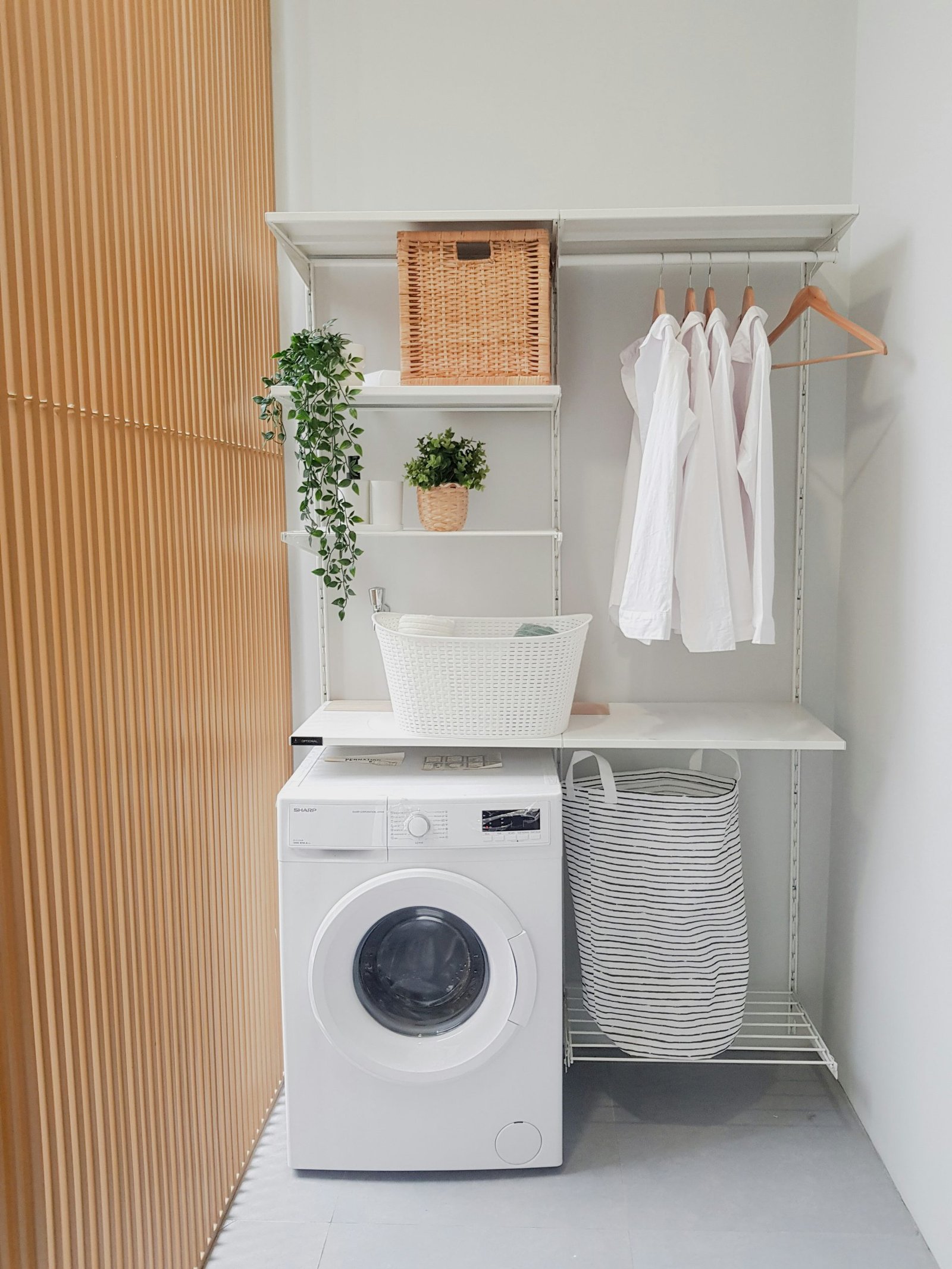
Vertical storage and wall-mounted solutions: Installing tall shelving, pegboards, and wall-mounted cabinets keeps detergents, fabric softeners, and cleaning tools off the floor and within reach. Consider open shelving for easy access or closed cabinets to hide visual clutter. A wall-mounted drying rack or fold-down ironing board can free floor space when not in use.
Compact and stacked appliances: When space is tight, consider compact or apartment-sized washers and dryers, or a compact laundry center that stacks the machines. In some layouts, a combination washer-dryer unit may be appropriate, provided it aligns with utilities and laundry frequency. If full-size machines are possible, ensure there is sufficient clearance for loading, maintenance, and venting.
Multi-functional furniture and surfaces: A folding countertop above appliances or a pull-out work surface provides an auxiliary area for sorting, folding, or mending. Island-inspired portable carts with lockable wheels can serve as a mobile prep station, extra storage, or a temporary folding surface when required.
Concealed hampers and sorting systems: Built-in hampers or pull-out bins can separate whites, colors, and delicates without occupying prime real estate. Consider a rotating sorter or a labeled bin system embedded within cabinetry for efficient workflow.
Lighting and color to expand perception: Bright, even lighting and light color palettes help a small space feel larger. Under-cabinet LEDs, ceiling fixtures, and daylight-mimicking bulbs reduce shadows and create a clean, inviting ambiance. Reflective surfaces such as glossy backsplashes or glass-front cabinets amplify brightness.
Durable, easy-to-clean finishes: In high-use spaces, materials must withstand moisture, detergent splashes, and frequent cleaning. Quartz or solid-surface countertops resist staining; sealed tile backsplashes prevent water intrusion; waterproof vinyl or tile flooring is practical for laundry zones.
Hygienic and organized workflow: Position the washer and dryer for efficient access to utility sinks, folding surfaces, and hanging space. Separate dirty-laundry zones from clean areas to minimize cross-contamination and improve efficiency.
Aesthetic cohesion: Harmonize hardware finishes (nickel, brass, matte black, etc.) and cabinet tones with fixtures such as a matching faucet, light fixtures, and door hardware. A cohesive look enhances perceived space and reduces visual chaos.
Clever door strategies and access: If space is constrained by door swing, consider pocket doors or doors that slide to keep the floor plan open. For closets or alcoves, bi-fold or accordion doors can maintain access without encroaching on room width.
Laundry hygiene and maintenance considerations: Ventilation is critical if using vented dryers; ensure lint traps and ventilation pathways are clean. Consider a drip-dry setup for delicate items that minimizes machine wear.
Customizable organizational accessories: Wire baskets, labeled bins, and modular organizers can be swapped as needs change. Magnetic strips or rails can hold frequently used tools, freeing cabinet space.

*圖片來源:Unsplash*
Seasonal storage integration: Include storage solutions for seasonal items (holiday towels, heavy detergents, liners) to keep the core laundry zone uncluttered year-round.
Color and material accents: Subtle pops of color in containers or towels can make the space feel intentional and fresh, while neutral foundations maintain timeless appeal.
Safety and accessibility: Ensure floor space remains unobstructed, electrical outlets are strategically placed for convenience but protected from water exposure, and controls are reachable without stepping out of the workflow.
Budget-conscious upgrades: Start with high-impact, low-cost changes such as improved lighting, cabinet organization, and stain-resistant countertops, then scale up to more extensive renovations if needed.
Small-space psychology: Mirrors or reflective backsplashes can visually expand the area, while a clear, uncluttered layout reduces perceived confinement.
Eco-friendly considerations: Use energy-efficient appliances where feasible, and choose washable, durable fabrics for curtains or soft storage to reduce waste.
Personalization: Add small touches that reflect your style—color-coordinated storage, a favorite rug at the entry, or a dedicated space for ironing and folding that motivates you to maintain organization.
Maintenance routines: Establish a simple weekly clean-up plan to maintain order, prevent mold, and ensure machines run efficiently.
Future-proofing: Consider potential changes in family size or laundry needs; design flexible storage that can adapt with you, such as adjustable shelving or modular cabinetry.
Perspectives and Impact
The micro-laundry trend reflects broader design principles prioritizing efficiency, adaptability, and well-being in compact homes. As urban living often imposes space constraints, homeowners increasingly view laundry zones not merely as utilitarian rooms but as integrated, stylish spaces that contribute to overall home flow. The emphasis on vertical storage mirrors a wider movement toward maximizing wall real estate, while multi-functional furniture aligns with neoteric ideas of flexible interiors. Future implications include a continued push for modular components, smart appliances that connect with home automation, and materials chosen for moisture resistance and durability. Designers may also explore sustainable options that reduce energy use and water consumption without compromising performance. In densely populated urban contexts, the ability to convert under-stair or hallway nooks into efficient laundry corners could significantly improve daily routines and home organization. The interplay between aesthetics and function is likely to intensify as homeowners demand spaces that are both visually appealing and exceptionally practical.
Key Takeaways
Main Points:
– Elevate small laundry rooms with vertical storage and wall-mounted solutions.
– Use compact or stacked appliances and multi-functional surfaces to maximize workflow.
– Create a cohesive design with bright lighting, durable finishes, and organized sorting systems.
Areas of Concern:
– Electrical and plumbing constraints can limit appliance choices.
– Budget and durability considerations may affect the feasibility of certain upgrades.
– Ensuring proper ventilation and moisture management remains essential.
Summary and Recommendations
To transform a small laundry area into a highly functional and appealing space, start with a clear assessment of the room’s dimensions, constraints, and utility access. Prioritize vertical and modular storage to keep floors clear, and select compact appliances or stacks that fit within the available width and depth. Implement a folding surface or pull-out counter to extend working space without sacrificing storage. Address lighting to brighten the room and choose durable, moisture-resistant materials that withstand daily use. Maintain an organized sorting system with concealed hampers or labeled bins to streamline workflows. Finally, curate a cohesive aesthetic through consistent finishes, color palettes, and hardware to create a space that feels larger, cleaner, and more efficient. A well-planned small laundry room can rival larger spaces in both functionality and style, transforming routine tasks into a more pleasant experience.
References
- Original: https://abeautifulspace.co.uk/21-laundry-room-ideas-for-a-small-space/
- Additional references:
- https://www.housebeautiful.com/room-decorating/ideas/g3203/small-laundry-room-ideas/
- https://www.apartmenttherapy.com/laundry-room-design-ideas-small-spaces-232333
- https://www.realhomes.com/advice/small-laundry-rooms-ideas

*圖片來源:Unsplash*