TLDR
• Core Points: Curtain design in 2026 blends function with fashion, emphasizing texture, sustainability, smart integration, and versatile, soft palettes.
• Main Content: The year highlights seven major trends shaping window dressing—from tactile fabrics and layered treatments to tech-enabled and eco-conscious choices that elevate interiors.
• Key Insights: Personalization, practicality, and sustainability drive curtain trends, with an emphasis on light control, acoustics, and easy maintenance.
• Considerations: Balance aesthetics with care requirements, energy impact, and compatibility with existing decor and hardware.
• Recommended Actions: Assess room needs, select fabrics and hardware that support both style and function, and consider future-proofing with modular or layered solutions.
Content Overview
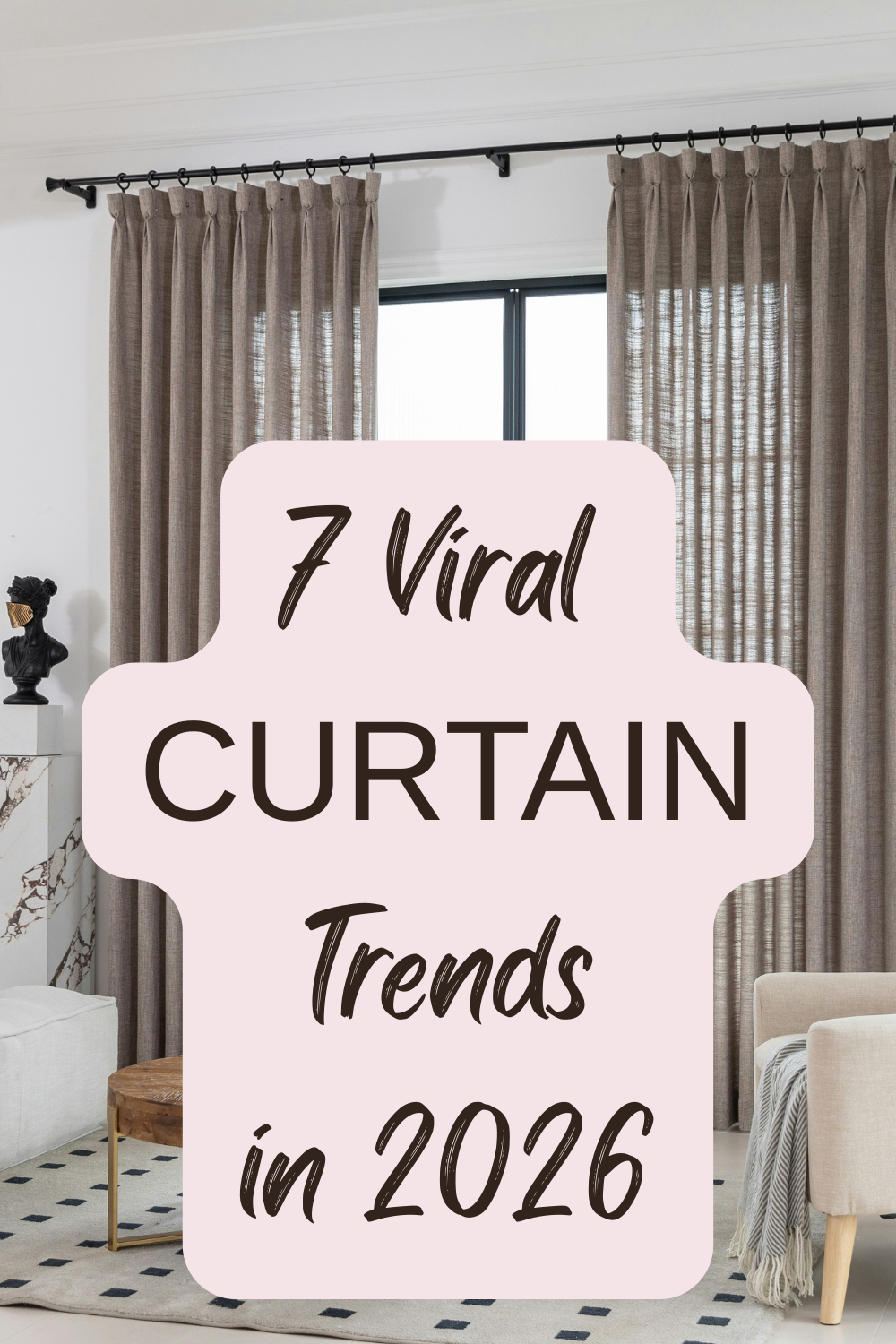
Curtains have evolved far beyond mere window coverings in 2026. They are now a central element of interior design, capable of transforming mood, acoustics, and daylight management while reflecting a home’s personality. The year’s curtain trends emphasize texture, sustainability, and smart functionality. Designers advocate for combinations of form and function—curtains that not only look good but also perform well in terms of light diffusion, privacy, and energy efficiency. As homes increasingly feature open-plan living and varied lighting needs, window treatments must offer versatility: easy operation, durability, and compatibility with smart home ecosystems. The seven trends outlined below capture the most influential directions shaping stylish window ideas in 2026.
In-Depth Analysis
1) Rich Textures and Tactile Fabrics
Textured fabrics—think bouclé, linen blends, and woven plaids—are taking center stage. Instead of flat, uniform drapery, homeowners gravitate toward surfaces with depth. Techniques such as subtle ribbing, embossing, or nubby weaves add visual interest and can enhance a room’s acoustics by breaking up sound reflections. The tactile appeal also helps curtains look more luxe even at a lower price point, as the texture reads as a premium finish from a distance and a closer inspection.
2) Natural and Earthy Palettes
Neutral tones remain evergreen, with 2026 expanding into softer earth-inspired palettes. Grass-seed greens, warm taupes, sand hues, and misty grays create a calming backdrop that complements a variety of décor styles. Curtains in these colors pair seamlessly with wood tones and stone textures, fostering a cohesive, serene atmosphere. For those who want a subtle accent, metallic threads or piping in bronze or brass can add a hint of sophistication without overpowering the room.
3) Layered Treatments for Depth and Flexibility
Layering remains a cornerstone of modern window design. Combining sheer panels with blackout or lined drapes allows for precise light control, privacy, and energy management. Sheers diffuse daylight to create a soft glow, while opaque layers provide total blackout for bedrooms or media rooms. Layered treatments also offer flexibility in different seasons; you can let daylight filter in with sheer layers or secure full darkness as needed. Economical options include pairing fabric panels with roller shades or Roman blinds, enabling quick adjustments.
4) Sustainable and Eco-Conscious Choices
Environmentally responsible materials and production methods are more important than ever. Recycled or organic fibers, low-VOC dyes, and long-lasting fabrics reduce environmental impact. Many brands now highlight traceability, ensuring that fabrics originate from ethical sources. Beyond materials, longevity and repairability influence choices; homeowners prefer curtains that withstand frequent washing or dry-cleaning without losing shape or color. Sustainability also extends to hardware and trims—metal components that resist corrosion and maintain smooth operation over time.
5) Color-Blocked and Statement-Accent Drapery
While neutrals remain popular for bases, bold color-blocking and statement trims offer opportunities to inject personality. A single accent color at the top or along the edge can create a focal point in a room, especially in spaces with otherwise minimalist decor. Conversely, a dramatic, saturated curtain can anchor a room with high ceilings or a large window. The trend favors curated color stories rather than random pops of color, encouraging homeowners to select hues that complement furniture and wall tones.
6) Soft Automation and Smart Integration
Smart home compatibility is expanding in the curtain space. Motorized systems with whisper-quiet operation, programmable schedules, and remote or app-based control provide convenience and energy savings. Advanced systems may integrate with daylight sensors, adjusting automatically based on time of day or room temperature. For retrofit projects, battery-powered or rechargeable motors reduce wiring complexity. Users can program scenes—such as opening curtains at sunrise or closing them at sunset—to enhance comfort and efficiency.
7) Privacy Without Compromise: Light Control as a Feature
Privacy remains a critical consideration, but the approach has shifted toward light-controlled privacy rather than heavy, opaque drapery. Translucent or semi-sheer fabrics paired with reflective linings or adjustable blinds can maintain natural light while protecting interiors from prying eyes. Designers emphasize selecting fabrics with appropriate opacity and weave density to achieve the desired balance of privacy and daylight. Some installations use dual-layer systems that provide daytime visibility with sheer layers and dusk-to-dark privacy with blackout layers.

*圖片來源:Unsplash*
Wearability and Maintenance Considerations
– Cleaning: Textured and specialty fabrics may require careful cleaning methods. Consider fabrics that are machine-washable or easy to dry-clean, depending on usage and household members (pets, children, and allergy considerations).
– Durability: Shade and curtain hardware should withstand daily use, corner wear, and potential sun exposure that could fade fabrics over time. Look for colorfast dyes and reinforced stitching.
– Hardware Compatibility: Ensure rods, tracks, and brackets align with current or planned window dimensions. Motorized systems require compatible power sources and, in some cases, integration with existing smart home ecosystems.
– Energy Impact: Layered or lined curtains can contribute to improved insulation, reducing heating and cooling loads. Choose fabrics with appropriate weight and lining to achieve the desired thermal performance.
– Access and Operation: For tall or hard-to-reach windows, motorized options and ceiling-mounted tracks can simplify operation and ensure consistent curtain positioning.
Perspectives and Impact
The 2026 curtain trends reflect a broader shift toward interior design that prioritizes comfort, personalization, and responsible consumption. As homes become more integrated with technology, window treatments transition from passive coverings to active elements within a smart ecosystem. The emphasis on texture and natural palettes aligns with a wider movement toward organic aesthetics, where materials and finishes convey warmth and tactility in an increasingly digital world. Sustainable fabrics and ethical sourcing address growing consumer demand for transparency and accountability in product supply chains.
Looking forward, these trends suggest a continued emphasis on versatility and modularity. Homeowners will favor curtain systems that can adapt to changing fashion tastes and living arrangements without requiring complete overhauls. The rise of smart automation will likely lead to more energy-efficient designs, with curtains that respond to light levels, occupancy, and weather conditions. Additionally, the balance between privacy and daylight will continue to shape fabric choices and layering strategies, particularly in urban dwellings with close neighbors and variable sun exposure.
Economic considerations will influence adoption rates. While premium textiles and motorized systems offer compelling benefits, cost-conscious consumers will look for durable, affordable options that deliver comparable performance. Brands that provide clear guidance on care, compatibility, and sustainability may gain trust and loyalty in a saturated market.
Culturally, curtain trends will intersect with broader design movements such as minimalism, maximalist textures, or mid-century modern influences. The ability to blend trends with individual taste will become a defining factor in successful window treatments, encouraging customization rather than one-size-fits-all solutions. This personalized approach aligns with the ongoing trend toward handmade or artisanal touches within mass-market products, offering owners a way to express identity while maintaining practical benefits.
Key Takeaways
Main Points:
– Texture and tactile fabrics elevate curtain aesthetics and acoustics.
– Layered window treatments provide flexible light control and privacy.
– Sustainability and ethical sourcing become central to material choices.
– Smart automation enhances convenience and energy efficiency.
– Color strategies range from calming neutrals to strategic accents.
Areas of Concern:
– Maintenance requirements for textured fabrics.
– Ensuring hardware and motor systems remain reliable over time.
– Balancing interior design trends with long-term adaptability and resale value.
Summary and Recommendations
In 2026, curtains are more than decorative: they are essential components of living spaces that influence light management, acoustics, energy use, and mood. The seven highlighted trends—textured fabrics, natural palettes, layered treatments, sustainability, color-blocked accents, smart integration, and privacy-focused light control—offer a comprehensive framework for upgrading window treatments. Homeowners should begin by assessing specific room needs: the level of natural light, privacy requirements, and thermal performance. From there, select fabrics and layers that align with both aesthetic goals and practical constraints. For those seeking enduring value, prioritize durable materials, modular layering options, and hardware designed for easy maintenance and potential future upgrades. Embracing these trends can create elegant, comfortable spaces that remain stylish and functional for years to come.
References
- Original: https://abeautifulspace.co.uk/7-most-popular-curtain-trends-in-2026-stylish-window-ideas/
- Additional references:
- https://www.housebeautiful.com
- https://www.architecturaldigest.com
- https://www.dezeen.com
*圖片來源:Unsplash*