TLDR
• Core Points: Art journaling blends creativity with personal expression using mixed media, prompts, and reflection to cultivate skills and mindfulness.
• Main Content: Beginners learn what art journaling is, what supplies are needed, ways to start, common techniques, and practical tips for sustainable practice.
• Key Insights: It combines visual art with writing, supports self-discovery, and can be adapted for daily routine, travel, or therapy-like benefits.
• Considerations: Start with simple materials, establish a flexible routine, and honor personal boundaries around self-expression.
• Recommended Actions: Gather basic supplies, try a few beginner prompts, and commit to a short weekly session to build consistency.
Content Overview
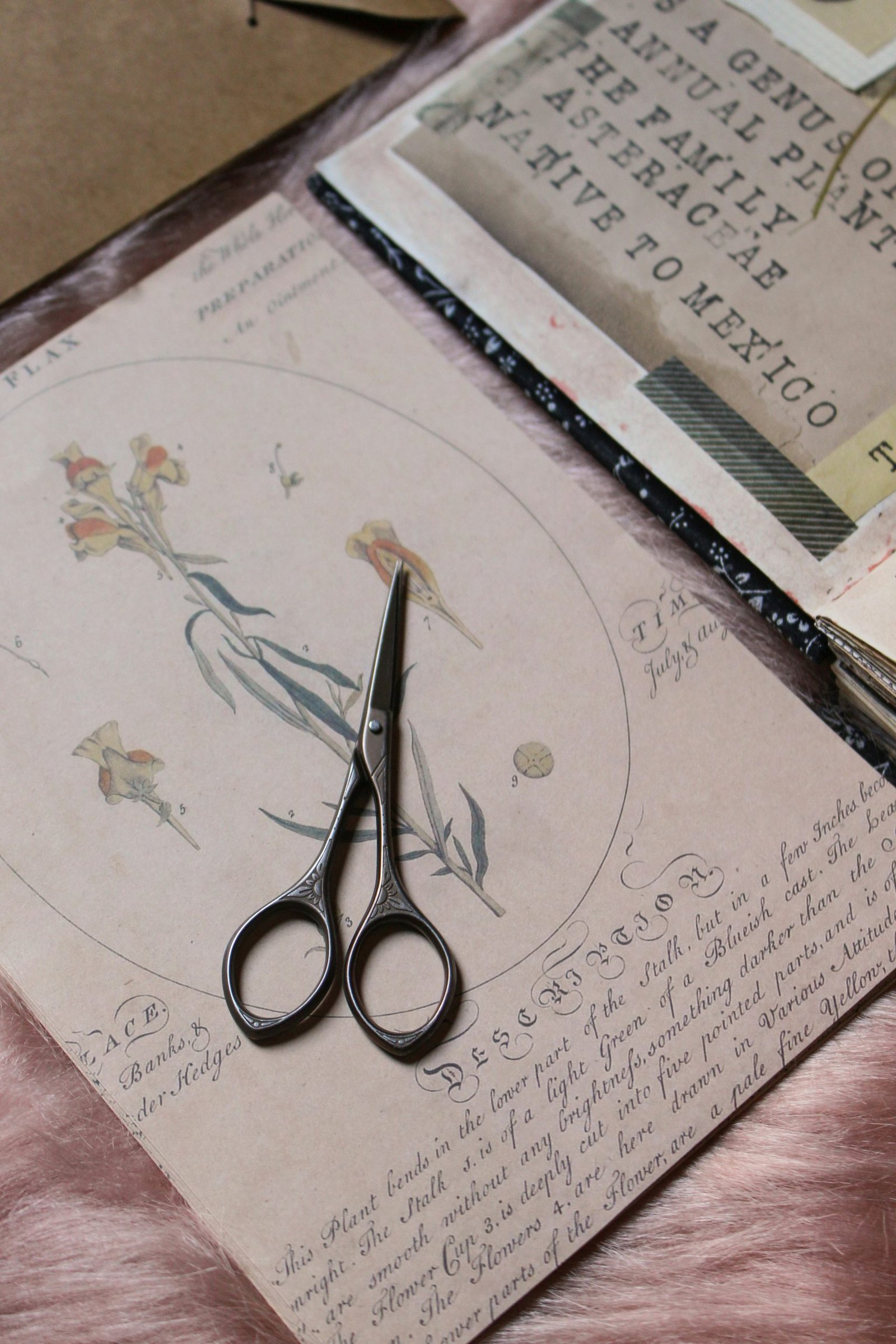
Art journaling is a creative practice that sits at the intersection of art-making and personal journaling. It’s not about producing a perfect or gallery-ready piece; rather, it emphasizes process, experimentation, and personal reflection. An art journal is typically a blank book or pad where pages are filled with a mix of media—such as pencil, pen, ink, paint, collage, and found textures—paired with writing, thoughts, or prompts. The appeal of art journaling lies in its accessibility: you can express emotions, document everyday experiences, explore ideas, or simply enjoy the tactile experience of materials without the pressure of “finished” artwork.
This guide provides a comprehensive introduction for beginners, including the types of supplies that work well for starting out, practical techniques to experiment with, and strategies to maintain a sustainable practice. It also discusses common questions, potential benefits, and ways to tailor art journaling to personal goals, whether you’re seeking stress relief, creative navigation during difficult times, or a private space for self-expression.
For newcomers, the practice can feel intimidating—the blank page is an invitation to try anything, which can be daunting. The key is to approach art journaling as an ongoing experiment rather than a performance. With simple, affordable supplies and a gentle mindset, beginners can quickly discover how art journaling supports creativity, memory, and emotional well-being.
In-Depth Analysis
What exactly is art journaling?
Art journaling is a hybrid practice that merges visual art with written reflection. Each page becomes a canvas for marks, textures, colors, and clippings, alongside journaling text, captions, or prompts. The purpose is not professional artistry but personal meaning. The journal becomes a personal archive of experiences, moods, ideas, and discoveries. Over time, the collection of pages communicates growth, change, and the nuances of daily life.
Getting started: supplies and setup
A minimalist approach is often best for beginners. Start with essential tools that are easy to use and affordable, and gradually expand as you discover your preferences.
Core supplies:
– A journal or sketchbook: Choose a medium-weight, bleed-resistant option with sturdy pages. Mixed-media journals are popular because their pages tolerate various media without excessive show-through.
– Drawing and writing implements: Pencils, graphite, and colored pencils are forgiving for beginners. A couple of gel pens or fountain pens can add contrast and line variety.
– Adhesives and collage materials: A basic glue stick or white glue, scissors, and a selection of papers, fabric swatches, and found textures (receipts, tickets, scrapbook papers).
– Paints and inks: A small set of watercolors, acrylics, or gouache allows for color exploration without overwhelming the page. A few brushes in different sizes help with both broad washes and detail work.
– Optional mixed-media additions: Stamps, stencils, washi tape, texture paste, and stencils can add layers and interest. An old brush or brush-cleaning container can be repurposed as a tool for texture.
– Protective basics: A spray fixative or varnish can help preserve mixed-media pages over time, especially if you use graphite or pastel.
Choosing a setup:
– Workspace: A flat, well-lit surface with a protective layer helps manage mess and keeps supplies within easy reach.
– Page planning: Unlike traditional drawing, art journaling often benefits from spontaneity. It’s okay to start a page with color, texture, or a line of writing and let the ideas unfold.
– Time and routine: For beginners, short sessions—15 to 30 minutes—are effective. Consistency matters more than duration, so aim for a regular schedule (e.g., daily or a few times a week).
Techniques and approaches to try
– Layering: Begin with a light background wash or texture, then add layers of line, color, and collage. Allow each layer to dry before adding the next to avoid muddiness.
– Mark-making: Experiment with different marks—dots, lines, scribbles, and washes—to create texture and energy on the page.
– Texture and material play: Use found textures (tissue, fabric, newspaper) to introduce tactile interest. Even simple household items can function as stamps or textures.
– Writing as image: Write short thoughts, quotes, or prompts directly on the page. Let handwriting contribute to the overall visual rhythm.
– Prompt-driven pages: Use prompts to stimulate ideas, such as “draw a memory from last week,” “represent a feeling with color,” or “document a small daily moment.”
– Photo and memory integration: Attach a photo, receipt, ticket, or small keepsake to anchor a memory or theme. Words can describe the moment or interpretation.
– Color psychology: Explore how color choices influence mood and meaning on a page. For example, cool tones can convey calm, while warm tones may suggest energy.
– Abstract composition: Don’t feel obligated to represent reality. Abstract shapes and textures can convey emotion and narrative without literal depiction.
Sustainable practice and personal growth
Art journaling benefits often extend beyond immediate creative satisfaction. Regular practice can foster mindfulness, self-reflection, and emotional processing. It can also serve as a bridge between written journaling and visual expression, offering a nonverbal outlet when words feel insufficient. For individuals dealing with stress, anxiety, or grief, the tactile, slow ritual of art journaling can be a grounding experience, providing continuity and a sense of control.
Common questions and answers
– Do I need to be an artist to start? Not at all. Art journaling welcomes all levels of skill. The focus is on personal expression and process, not technical perfection.
– How often should I journal? Start with a frequency that feels manageable. Even a single 15-minute session weekly can yield benefits, with more frequent sessions as comfort grows.
– Can I use materials I already have? Yes. Many effective pages arise from everyday materials—old mailers, scraps of fabric, photos, and found textures.
– How should I store and care for my journal? Keep your journal in a dry, stable environment away from direct sunlight. If you use water-based media, allow pages to dry fully before closing the book.
Exploring formats and styles
– Visual-dominant pages: Focus on color, texture, and composition with minimal writing.
– Text-forward pages: Let journaling occupy most of the page with decorative accents or light graphics.
– Mixed-media explorations: Combine several techniques—collage, dry media, watercolor, and ink—to build layered, dynamic pages.
– Travel journaling: Capture scenes, sensations, and memories from trips, using quick sketches and short notes to document experiences.
– Therapeutic and reflective journals: Use prompts centered on feelings, goals, or personal growth. The page becomes a private space for processing emotions.

*圖片來源:Unsplash*
Safety and materials care
– Some inks and paints can stain skin or surfaces. Work on a dedicated workspace and use protective coverings.
– If using solvent-based mediums or varnishes, ensure proper ventilation and follow safety guidelines.
– For families with children, children’s art journals can be a collaborative, playful activity that encourages exploration of creativity while teaching safe handling of materials.
The role of community and inspiration
Many artists and hobbyists find motivation from communities—online forums, social media groups, or local workshops. Sharing work, receiving constructive feedback, and observing others’ approaches can spark new ideas and help normalize the practice. However, it’s important to retain personal ownership of one’s journal. If you prefer privacy, late-night doodles and private prompts are perfectly valid.
Accessibility and inclusivity
Art journaling is accessible to a broad range of people, including those who don’t identify as “creative” in traditional ways. The emphasis on process and personal meaning lowers barriers to entry. People with limited mobility, memory concerns, or cognitive challenges can adapt materials and prompts to fit their abilities, using larger surfaces, high-contrast colors, or simplified layouts as needed.
Measurement of progress
Progress in art journaling isn’t measured in technical skill alone. It can be observed through:
– Consistency and regular engagement with the practice.
– The development of a personal visual language—recurrent colors, textures, or motifs.
– The ability to articulate feelings, memories, or ideas more clearly over time.
– The sense of reflection and insight gained from reviewing past pages.
Potential challenges and solutions
– Creative block: When stuck, switch to a minimal page, use a single color, or respond to a prompt without overthinking.
– Self-criticism: Remember that the journal is personal. Embrace imperfections as part of the journey.
– Time constraints: Short sessions are effective; even 10–15 minutes can yield meaningful pages. Build a routine that fits your lifestyle.
– Space and mess: Use compact supplies and a sturdy tray or bag to manage materials. Clean-up can be part of the practice, turning tidying into a mindful ritual.
Integrating art journaling into daily life
– Start the day with a quick page: A 5–10 minute warm-up can stimulate creativity and set a positive tone.
– End-of-day reflection: Use a page to capture the day’s feelings, a small win, or a memory.
– Themed challenges: Participate in month-long themes or weekly prompts to keep momentum and exploration fresh.
– Collaboration: Create pages with a friend or family member to exchange prompts or artwork, adding social dimension to the practice.
Conclusion
Art journaling offers a versatile, accessible path for creative exploration, personal reflection, and emotional processing. By combining visual media with writing, beginners can develop a flexible skill set that grows with experience. The practice emphasizes process over product, encouraging experimentation, curiosity, and self-expression in a non-judgmental, private, or shared space. With basic supplies, a small amount of time, and a willingness to try, anyone can begin a meaningful art journaling journey that fits their life and goals.
Key Takeaways
Main Points:
– Art journaling blends visual art with journaling to support personal expression and reflection.
– Beginners can start with minimal, affordable supplies and a flexible routine.
– The practice benefits mindfulness, creativity, and emotional well-being, adaptable to various contexts.
Areas of Concern:
– Potential overwhelm from the abundance of media; keep initial setups simple.
– Self-criticism and perfectionism can hinder progress; emphasize process and personal meaning.
– Managing materials and space; establish a comfortable, organized workspace and routine.
Summary and Recommendations
Art journaling is a welcoming, flexible practice that invites individuals to explore creativity and reflection without the pressure of professional artistry. For beginners, the most important steps are to select a suitable journal, gather a small set of approachable supplies, and establish a regular, short practice. Begin with simple techniques such as layering, mark-making, and light collage, then gradually incorporate prompts and memory-based pages to deepen engagement. The practice’s value lies not in flawless pages but in consistent participation, personal growth, and the discovery of an expressive language unique to each practitioner. To maximize benefits, schedule regular sessions, experiment with a mix of media and prompts, and allow the journal to evolve over time as a private record of experiences, emotions, and ideas.
References
- Original: https://abeautifulspace.co.uk/what-is-art-journaling-a-complete-beginners-guide/
- Additional参考 links:
- https://www.journalartblog.com/beginner-guide-art-journaling/
- https://www.artjournaling.org/techniques-for-beginners/
- https://www.creativebloq.com/art-journaling-tips-for-beginners

*圖片來源:Unsplash*