TLDR
• Core Points: Curtains in 2026 blend functionality with design, featuring sustainable fabrics, creative layering, soft neutrals, bold textures, and smart integrations.
• Main Content: The article surveys seven leading curtain trends shaping modern interiors, with practical tips for selection, installation, and care.
• Key Insights: Trend directions emphasize texture, color warmth, light control, privacy, and accessibility, while sustainability and technology gain importance.
• Considerations: Balance aesthetics with performance (light filtration, durability), and tailor trends to space, lighting, and lifestyle needs.
• Recommended Actions: Assess rooms for energy efficiency, choose fabrics and hardware aligning with goals, experiment with layering, and plan smart window solutions.
Content Overview
Curtains have evolved from simple window coverings to essential design elements that influence a room’s ambiance, privacy, and energy efficiency. In 2026, designers and homeowners are embracing seven distinct curtain trends that combine practicality with style. These trends reflect broader shifts in interior design, including a preference for sustainable materials, tactile textures, versatile color palettes, and smart functionality. The article highlights how to select fabrics, patterns, and hardware that not only enhance a space aesthetically but also support daily living, from daytime brightness to nighttime insulation. By exploring these trends, readers can make informed decisions about window treatments that complement their architecture, color schemes, and lifestyle.
In-Depth Analysis
1) Sustainable and Eco-Friendly Fabrics
Sustainability remains a dominant driver in 2026 curtain choices. Homeowners gravitate toward natural fibers such as organic cotton, linen, hemp, and responsibly sourced wool, as well as recycled synthetics. The focus is on low-impact dyeing processes, minimal chemical treatments, and durable fabrics that extend a curtain’s life. Beyond materials, sustainable practices also encompass production transparency, locally produced textiles, and repairability. For practicality, shoppers should look for certifications (e.g., GOTS for organic textiles, Oeko-Tex for contaminants) and prefer fabrics with longer wear expectancy to reduce waste.
2) Soft Neutrals with Warm Undertones
Color continues to play a pivotal role, with soft neutrals dominating many interiors. Warm undertones—creams, greiges, taupes, and blush hues—offer versatility and a timeless backdrop that complements a wide range of furniture styles. These shades work well in layered setups, where sheer curtains pair with heavier drapery to adjust light and privacy levels throughout the day. Neutral palettes also make small rooms feel more spacious and can adapt to seasonal decor changes.
3) Luxe Textures and Tactile Surfaces
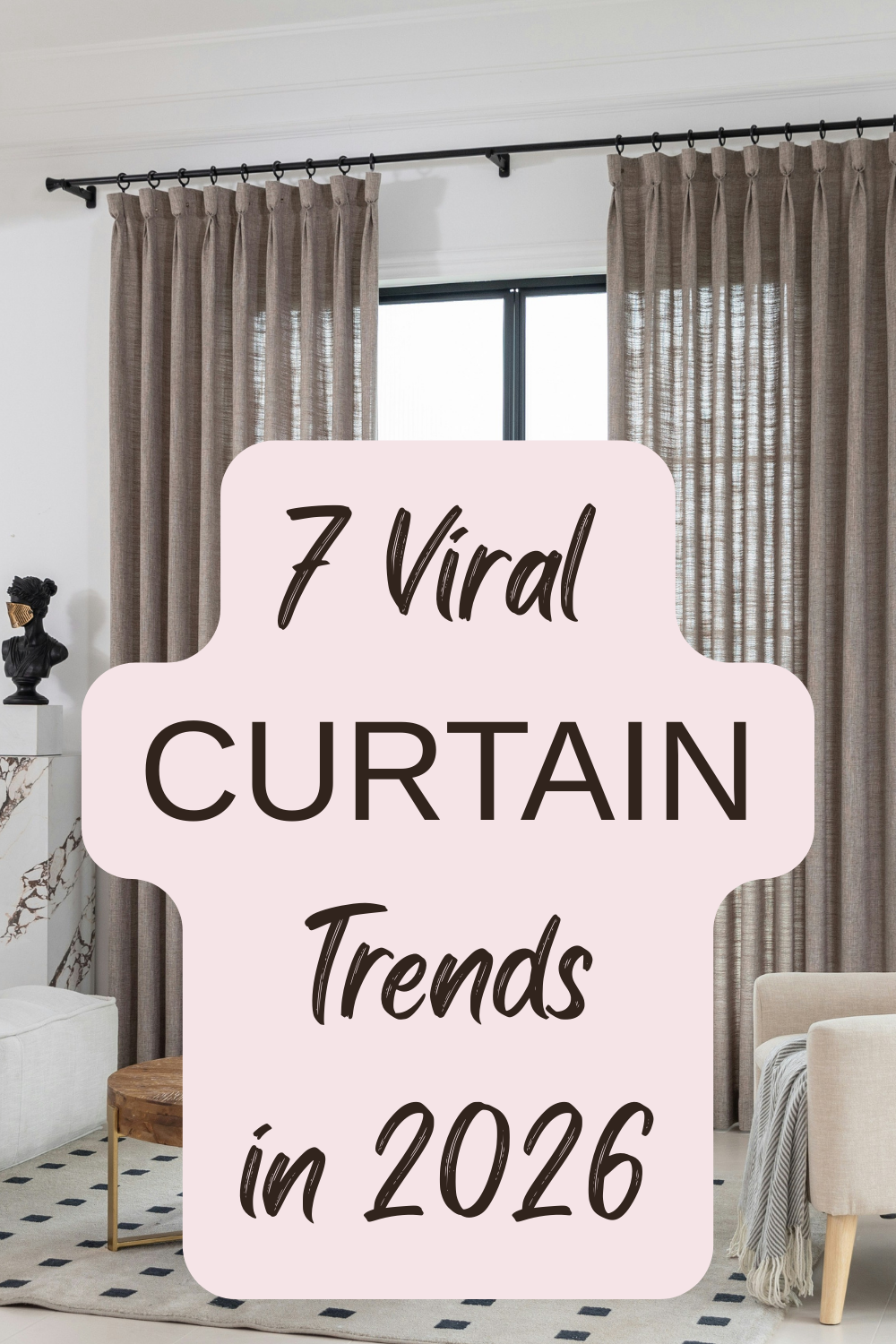
Texture-forward curtains add depth and personality to a room. Designers are embracing materials that offer visual and tactile interest, including boucle, ribbed velvet, linen blends, and crinkled textures. Layered treatments—combining translucent sheers with textured panels—create dimensionality and movement as daylight shifts. Iconic patterns are often understated, allowing the texture to provide the focal point without overwhelming the space.
4) Soft Drapery with Gentle Pleats
The modern take on drapery favors soft, relaxed pleats and fluid silhouettes. Instead of sharp, architectural folds, many curtains feature gentle gathers or pinch-pleats that drape softly. This approach suits rooms with curved architecture or oversized windows, producing a more forgiving silhouette that reads as elegant rather than rigid. The styling is often paired with light fabrics to maintain airiness while preserving privacy.
5) Layering for Light Control and Insulation
Layered window treatments remain a practical and popular strategy. Pairing sheer panels with heavier drapes or blackout lining allows precise control over daylight, glare, and temperature. This layering also contributes to acoustic insulation and privacy without sacrificing daylight when desired. The trend encourages customizing layer combinations to suit different rooms: sheer fabrics for living areas, blackout options for bedrooms, and thermal linings for spaces with heat gain concerns.
6) Bold Accents and Statement Hardware
Hardware provides a surprising opportunity to infuse personality into a room. In 2026, bold rod finishes, decorative tie-backs, and unusual finials are used as statement elements. Metallic tones (bronze, brushed brass, matte black) and sculptural hardware can elevate a neutral scheme or complement a room with rich woods or saturated colors. The key is to balance hardware drama with curtain fabric to avoid visual competition.
7) Smart and Functional Window Solutions
Technology and convenience are shaping curtain choices. Motorized tracks, remote controls, and smart-home compatibility offer effortless operation and improved accessibility. Programmable schedules can help manage natural light, protect interiors from UV damage, and enhance security by simulating occupancy. When selecting smart components, consider compatibility with your existing hub, noise levels, battery life, and ease of installation or professional service options.
Practical considerations when applying these trends:
– Space and light: In smaller rooms or homes with strong sun exposure, layering with lighter sheers and blackout options can optimize comfort.
– Maintenance: Natural fibers may require careful care; read washing instructions and consider professional cleaning needs for longevity.
– Durability: Look for reinforced hems, high-quality hardware, and fabrics with colorfast dyes to withstand daily use.
– Sewing and installation: For complex layers or custom shapes, professional installation can ensure precise alignment and operation.

*圖片來源:Unsplash*
Perspectives and Impact
Curtains are increasingly viewed as strategic design tools rather than mere window coverings. The shift toward sustainable materials aligns with broader environmental concerns and offers a tangible way for households to reduce their ecological footprint. Textural emphasis signals a move away from flat, uniform surfaces toward rooms with tactile depth, enriching the sensory experience of interiors. Layering remains central because it provides versatile light management and energy efficiency, a consideration that becomes more important in climates with varying seasonal temperatures.
Technology’s role in window treatments reflects a growing trend toward smart homes. Motorized systems and integration with voice assistants or home hubs enable residents to regulate privacy, light, and ambiance with ease. These developments also bring considerations around reliability, noise, maintenance, and privacy of connected devices. Designers now balance high-tech functionality with timeless aesthetics, ensuring that curtain choices contribute to long-term satisfaction rather than fleeting fashion.
Looking ahead, 2026 trends suggest a more intentional approach to interior design—one that respects environmental impact, values comfort and practicality, and embraces personalized expressions through textures, colors, and hardware. The result is interiors that feel curated rather than curated on a superficial level, with windows treated as opportunities to influence mood, energy efficiency, and architectural coherence.
Key Takeaways
Main Points:
– Sustainable fabrics and responsible production are central to curtain choices.
– Soft neutrals with warm undertones provide versatile, timeless backdrops.
– Texture, layering, and flexible light control create functional, stylish windows.
Areas of Concern:
– Environmental impact of dyeing and finishing processes should be considered alongside fabric selection.
– The integration of smart hardware raises privacy and maintenance considerations.
– Over-emphasis on trendiness may overlook long-term durability and adaptability.
Summary and Recommendations
To effectively apply the 7 popular curtain trends in 2026, start with a materials and room assessment. Prioritize sustainable fabrics with certifications, and choose warm neutrals that harmonize with existing furniture and wall colors. Incorporate tactile textures to add depth, but ensure the fabric weight is appropriate for the window size and climate. Embrace layering to balance light, privacy, and insulation, using sheer panels for daytime brightness and heavier drapes or blackout linings for evenings or sun-intensive rooms. Select hardware that offers both style and durability, using bold finishes as accents rather than focal points. Consider smart window solutions for convenience and energy management, but verify compatibility and maintenance requirements before committing.
In practice, combine these elements to achieve rooms that feel cohesive, welcoming, and adaptable to changing needs. By aligning curtain decisions with sustainability, comfort, and technology, homeowners can create windows that enhance both daily living and long-term interior value.
References
- Original: https://abeautifulspace.co.uk/7-most-popular-curtain-trends-in-2026-stylish-window-ideas/
- Additional references:
- [Certification guide for sustainable textiles (GOTS, Oeko-Tex)]
- [Smart window treatment systems overview]
- [Layered drapery design principles]
*圖片來源:Unsplash*