TLDR
• Core Points: Create a decorative bloom bar with fresh flowers, tools, and setup tips to elevate any celebration; plan layout, insertion methods, and safety.
• Main Content: Step-by-step guidance on choosing florals, arranging stations, and engaging guests with a DIY flower bar that suits various party themes.
• Key Insights: A bloom bar blends visual impact with interactive fun, but requires careful sourcing, space planning, and hygiene considerations.
• Considerations: Budget management, local sourcing, allergy awareness, and storage of perishable blooms.
• Recommended Actions: Define budget and theme, source flowers in advance, prepare tools and containers, and pilot the setup before the event.
Content Overview
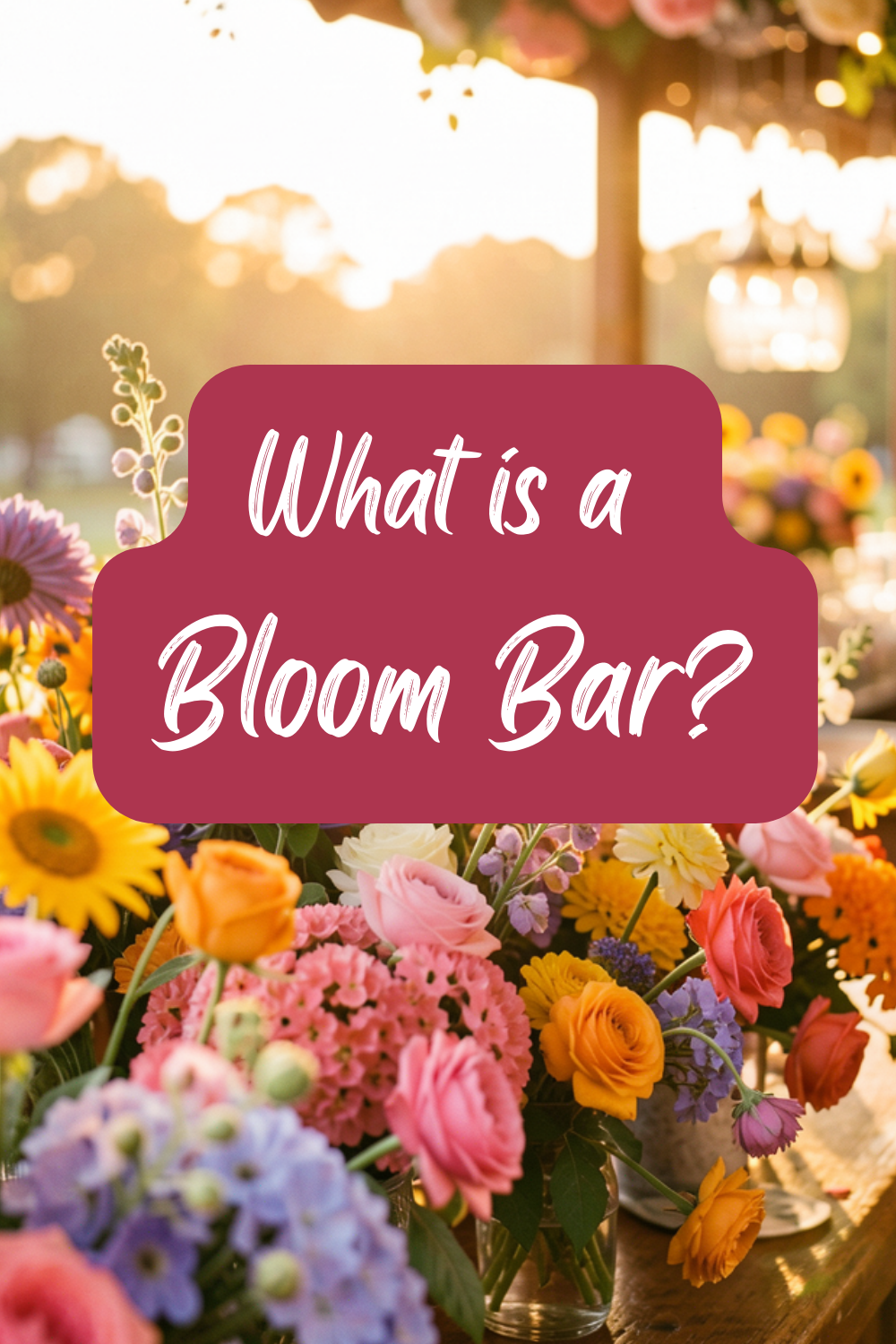
A bloom bar is a stylish, interactive décor concept that lets guests create personalized floral arrangements during a celebration. The idea combines artistry with social activity, providing a striking focal point for events such as weddings, birthdays, showers, corporate gatherings, and intimate parties. By offering a curated selection of fresh flowers, greenery, vessel options, and simple arrangement tools, hosts can transform their venue into a vibrant, Instagram-worthy scene. This guide outlines the core components of a bloom bar, practical steps for planning and execution, and considerations to ensure a smooth, enjoyable experience for guests and hosts alike.
In-Depth Analysis
A bloom bar starts with clear objectives and thoughtful design. Before you begin sourcing supplies, determine the purpose of the station within your event. Is it meant to serve as a photo backdrop, a guest activity, or a take-home centerpiece? Understanding the role helps you decide on scale, flowers, and materials. A bloom bar can be tailored to fit a wide range of themes—from rustic garden parties to modern minimalist weddings—by selecting appropriate colors, vessel styles, and accompanying décor.
Choosing the right blooms is the foundation of a successful bloom bar. Consider seasonal availability, scent sensitivity, and budget. Local florists, wholesalers, or farmers’ markets can supply a rotating selection of stems, greens, and accents. To maintain variety throughout the event, curate a palette with 2–4 main colors and a few complementary textures. Include a mix of focal blooms (larger statement flowers), filler flowers, and greenery to create depth in arrangements. It’s wise to offer a few “starter” stems that guests can copy or adapt, especially for guests who want quick, low-effort arrangements.
The tools and containers chosen for the bloom bar influence both aesthetics and usability. A mix of wide-mouth jars, ceramic pots, wooden boxes, or metal tins can serve as vessels. Provide a stable work surface with ample counter space and secure display arrangements to prevent tipping. Practical tools include floral shears, pruning scissors, floral foam or alternative foam-free mechanics, floral tape, rubber bands, water vials or mister bottles to keep stems hydrated, and cleaning supplies for quick wipe-downs. Consider disposable plastic gloves or hand wipes to maintain cleanliness while guests handle materials.
Layout and flow are essential for a smooth guest experience. Design the space so guests can browse, select, and assemble at a comfortable pace. Create clearly labeled stations or zones: flower station (selection and prep), tool station (scissors, tapes, water), vessel station (containers and arrangement bases), and display/finish station (final touches and photos). Use signage or small cards to explain basic arrangement tips, such as height balance, color harmony, and safe handling. A step-by-step guide or mini workshop can be offered by a designated host or a hired florist, ensuring guests feel confident with their creations.
Hygiene and safety cannot be overlooked, particularly with fresh-cut flowers. Establish cleanliness protocols: keep all tools clean, sanitize surfaces between guests if needed, and provide separate cutting areas to minimize cross-contamination. Manage perishables by planning a scheduled turnover of blossoms to maintain freshness. For allergy-conscious guests, offer hypoallergenic options or label blooms that may trigger sensitivities. Ensure there is ample ventilation and provide hand sanitizer stations.
Logistics and budgeting should be addressed in advance. Determine the bloom bar’s footprint based on venue size and expected turnout. A smaller, more intimate bloom bar may suit a backyard party, while a larger setup can anchor a wedding reception. Budget planning should cover blooms, containers, tools, display stands, signage, and any staffing needs. If practical, work with a local florist who can supply stems in stages to align with the event schedule or offer a finishing touch of guidance during the activity.
Theme integration elevates the bloom bar beyond a decorative feature. Consider tying the blooms to the event’s color palette, season, or motif. For a rustic gathering, use mason jars, burlap runners, and twine; for a luxe event, select jewel-toned blooms in glass vessels with metallic accents; for a modern look, stick to sleek monochrome tones and geometric vessels. The bloom bar can also double as a take-away gift station when guests arrange a small centerpiece to take home.
Photographs and social media are natural extensions of a bloom bar. Position the station with good lighting and create a corner that invites guests to snap memories. Providing a simple, tasteful backdrop and a few themed props can encourage guest photography and shares on social platforms. However, be mindful of the practicality of photography; ensure the area remains uncluttered and safe for movement.
Operational considerations include timing and staffing. A bloom bar requires careful coordination with the event schedule. If you’re hosting solo, enlist a friend or professional to oversee the station, replenish supplies, and assist guests. For larger gatherings, a dedicated florist or setup team can ensure continuous availability of fresh stems and tools. Consider a soft opening portion of the event where guests preview the station and practice a sample arrangement before the main activities begin.
Sustainability is worth addressing in modern events. Where possible, select locally sourced blooms to reduce transportation impact and support local growers. Reuse containers or repurpose decorations after the event, and explore composting or donation options for leftover greenery. By communicating environmentally conscious choices to guests, you can enhance the overall impression of the party and align with ethical practices.

*圖片來源:Unsplash*
When planning a bloom bar, anticipate common pitfalls. Overcrowding the station can lead to confusion and slower service; understocking may disappoint guests who want to participate. Poor storage or delayed replenishment risks wilting blooms and subpar aesthetics. Inadequate labeling can confuse participants about how to create appealing arrangements, so invest in straightforward instructions. Finally, always have a backup plan: weather contingencies for outdoor events, alternate vessels if styles become unavailable, and contingency staffing if demand exceeds expectations.
In summary, a bloom bar offers a visually captivating and interactive centerpiece that can elevate a party atmosphere. With thoughtful theme integration, careful sourcing, well-planned layout, and attention to hygiene and safety, hosts can create a memorable experience that encourages guest participation, creative expression, and social sharing without compromising comfort or workflow.
Perspectives and Impact
The bloom bar concept reflects broader trends in experiential events and do-it-yourself activities that empower guests to participate in the design of their surroundings. It aligns with the growing interest in customizable experiences where attendees contribute to the ambiance rather than passively observe. By enabling guests to craft personalized arrangements, bloom bars foster social interaction, conversation, and a sense of ownership over the event space. This approach can be particularly impactful for weddings and milestone celebrations, where a customized centerpiece adds emotional value and lasting memories.
From an environmental standpoint, bloom bars have the potential to support sustainable event practices when approached responsibly. Sourcing locally and seasonally reduces carbon footprints, while repurposing vessels and greens after the event minimizes waste. Hosts can also consider donating leftover blooms to local organizations or using them in community spaces, extending the life of the materials beyond the party.
Future implications include the potential integration of bloom bars with other interactive stations, such as DIY terrarium stations, boutonniere making, or flower crown workshops. As events continue to emphasize personalization and guest involvement, bloom bars may evolve with more modular designs, scalable setups, and technology-assisted guidance (e.g., touch-screen tips or AR-enhanced arrangement ideas). The concept’s adaptability across diverse event types suggests broad applicability, provided organizers maintain a balance between accessibility, safety, and aesthetics.
Potential challenges include ensuring consistent quality across guest experiences and managing supply chain variability. To mitigate these risks, hosts can partner with reputable florists who offer curated selections and reliable replenishment, set clear limits on customization to maintain flow, and develop contingency plans for color or stem shortages. Training staff or volunteers to deliver concise demonstrations can also help standardize the experience, ensuring guests leave with pleasing, photo-ready arrangements.
Long-term, bloom bars contribute to a culture of hands-on creativity at events. By combining beauty, personalization, and social interaction, they offer a memorable alternative to passive décor. Their success depends on thoughtful execution, mindful budgeting, and an appreciation for seasonal availability, all of which support an elevated party atmosphere that resonates with guests and hosts alike.
Key Takeaways
Main Points:
– A bloom bar is an interactive floral station that enhances party ambiance and guest engagement.
– Careful planning of blooms, tools, layout, and theme ensures a successful setup.
– Hygiene, safety, and sustainability should guide all choices and operations.
Areas of Concern:
– Budget constraints and the risk of under- or over-supply of materials.
– Allergy considerations and guest safety around sharp tools.
– Perishability and storage affecting bloom quality during the event.
Summary and Recommendations
To deploy a bloom bar effectively at your next event, begin with a clear objective for the station and a cohesive theme that aligns with your overall decor. Source fresh, seasonal blooms from reliable suppliers and curate a balanced palette that accommodates a range of arrangements. Assemble a diverse set of vessels and reliable tools, ensuring a clean, organized layout that allows guests to navigate the station comfortably. Plan the workflow with dedicated staff or volunteers to replenish supplies, guide participants, and maintain hygiene standards. Address allergy concerns by labeling blooms and offering alternatives for sensitive guests.
Create a structured but flexible schedule, including a preview segment for guests to familiarize themselves with the process and a designated area for taking photos. Integrate sustainability by choosing local blooms when possible, reusing containers, and considering post-event donations or composting options for leftovers. With thoughtful execution, a bloom bar can transform a party space into an immersive, interactive, and photogenic focal point that guests will remember long after the event ends.
References
- Original: https://abeautifulspace.co.uk/how-to-create-a-bloom-bar-at-your-party/
- Additional references:
- A Practical Guide to Floristry Stations and DIY Centerpieces
- How to Plan a Themed Event: Budgeting and Decor Coordination

*圖片來源:Unsplash*